Nagasaki Travel Guide: Understanding Japan’s Unique Hillside City
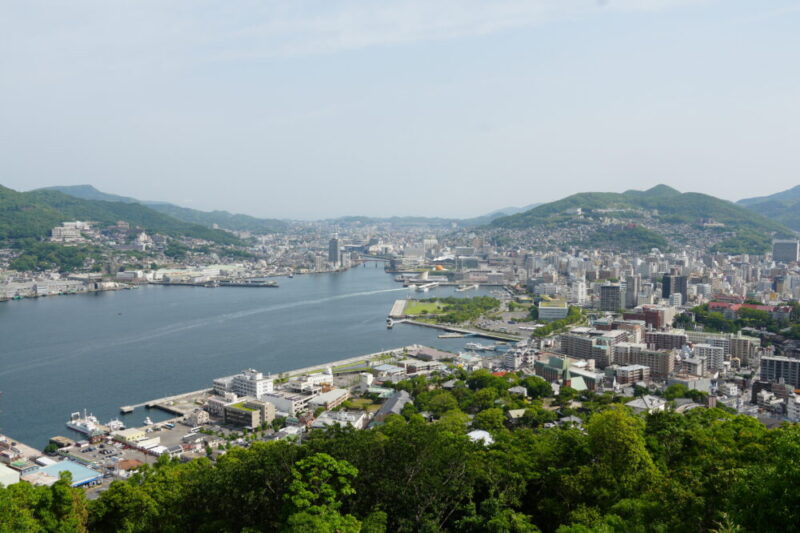
Nagasaki port, Japan
Nagasaki isn’t just another prefecture capital in Japan. While it is known as the last place where a nuclear weapon was ever used, beyond that past, the city’s unique landscape and culture make it unlike anywhere else. It is a city of hills, history, and a fusion of Japanese, Chinese, and Western influences. This guide will help you understand what makes this hillside city so different and why it’s worth a visit for you.
Why Visit Nagasaki?
Deep Historical Layers: From the policy of national isolation at Dejima to the atomic bomb’s legacy.
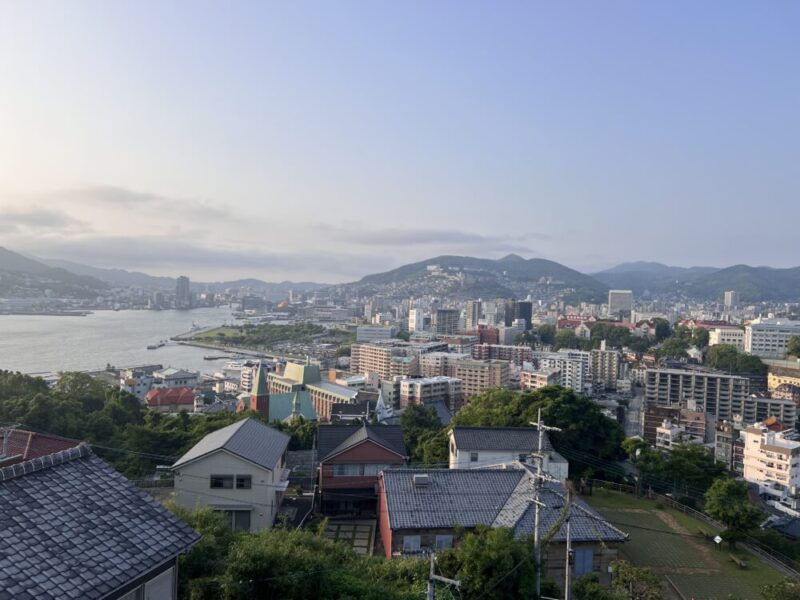
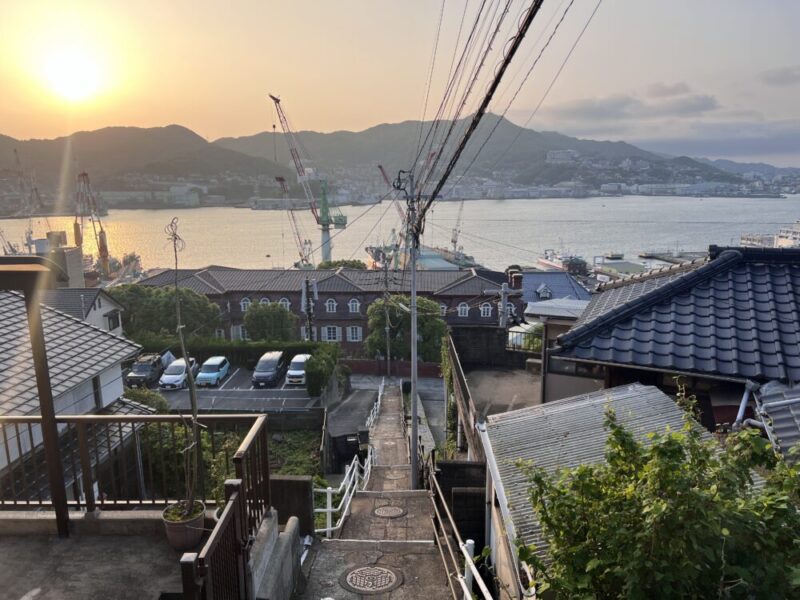
Special Cityscapes: Houses lining the hills like walls, offering stunning views from every corner. A fun city to stroll around.
Unique Food Culture: Nagasaki Champon and Kakuni Manju (pork sandwiches) that are special food of Nagasaki.
Compact & Accessible: A great city for travelers without a car. Major spots are walkable and short ride on bus and street cars.
YouTube: Walking Through Nagasaki
Getting to Nagasaki
Nagasaki is located on the western edge of Kyushu.
By Air: Most tourists land at Nagasaki Airport, located on an island in the ocean. A bus runs every 20 minutes and takes about 45 minutes to the city center.
By Train: The Nagasaki Shinkansen connects Nagasaki Station to the rest of Kyushu. Note that it isn’t a direct line from Hakata (Fukuoka) yet; you’ll need to change trains once in the middle.
How to Get Around
Nagasaki is a compact city with great accessibility for travel without a car.
Streetcars (Trams): The most iconic way to travel. It’s a 150 yen flat rate, and you can use IC cards like Suica.
Walking: Be prepared! Nagasaki has many steep hills and stairs.
Taxis: On rainy days, taking a taxi is a great idea—not just to stay dry, but to hear local stories and gossip from the drivers.
Essential Information (Quick Facts)
Time Needed: At least 2 full days for the city, plus an extra day if you visit Unzen or Shimabara.
Best Time to Visit: Spring or Autumn.
Budget: Mid-range with various hotel grades from business hotels to luxury chains.
Top Things to See & Do
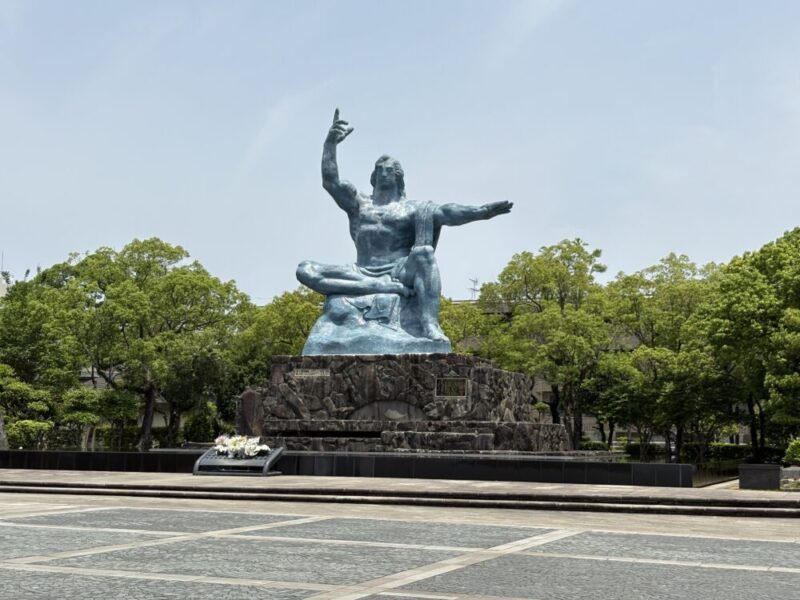
View of Nagasaki CityGlover GardenPeace Memorial Park
1. Atomic Bomb Museum & Peace Park
A place to reflect on the events of August 9th, 1945. It is an essential visit to understand Nagasaki’s history.
2. Glover Garden & The European Quarter
Western-style houses from the 19th century preserved on a hill.
Tip: Take the “Sky Road” elevator to reach the high points of the hill quickly.
3. Chinatown & Shinchi
One of Japan’s major Chinatowns. This is the best place to try Nagasaki Champon and fresh, tender Kakuni.
Where to Stay in Nagasaki: Nagasaki has many hotel chains.
Nagasaki Station Area: The most convenient for transport. I stayed at the Nagasaki Stadium City Hotel, which has amazing views of the city or the stadium.
View of the stadium from the breakfast restaurant at Nagasaki Stadium City Hotel.
Suggested Route: The Hillside & History Loop
Morning: Visit the Atomic Bomb Museum and Peace Park.
Afternoon: Take the tram to the European Quarter, use the Sky Road to reach Glover Garden, and walk down through the historic slopes.
Late Afternoon: Hike up from Glover Garden to Nabeyama Park for the best panoramic view of the port.
Evening: Explore Chinatown for dinner.
Interactive GPS Map
Where I visited in Nagasaki.
Practical Tips (Avoid Mistakes)
Check Closing Times: Places like Glover Garden sometimes close early for private events. Check the schedule before you hike up!
Day Trip Warning: Going to Unzen or Shimabara as a day trip by public transport is difficult. If you want the full hot spring experience, it’s much better to stay one night at a hotel there.
Bicycles: You won’t see many here because the hills are too steep.
Take taxi: If you are with someone with less mobility or have large suitcases, you might want to avoid street car and take taxi.
Blog: Behind the Scenes
During my stay, it poured with rain on the first day, which completely changed my plans. I ended up taking a taxi, which turned out to be a highlight because the driver was so talkative about local stories.
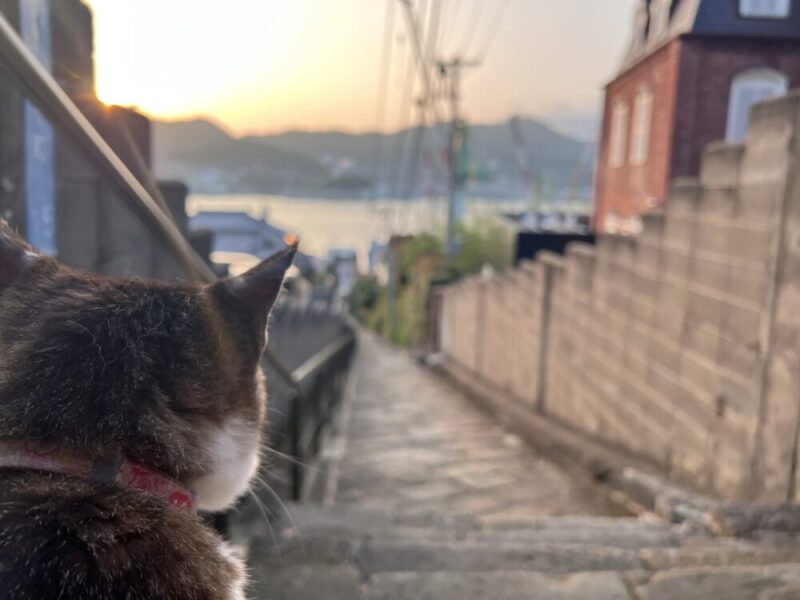
Day 2. This day, I made a day trip to Shimabara, and the train delayed one hour. This changed passangers’ plan. When I reached Glover Garden, it was closed already. Only that day, it closed early. I found a passenger on the same train from Shimabara, that stumbled upon the gate seeing the sign. The best memory, however, was a quiet sunset walk near Glover Garden. Everything was closed, but the way the light hit the brick buildings and the local cats wandering the pathways made it one of my best memories of Nagasaki. I felt that the Glover Garden wasn’t really for me when I visited next day as it’s more felt like theme park with music going on all the time. If you can, skip the crowded observatories for a moment and just get lost in the residential backstreets—that’s where the real charm of this city hides.
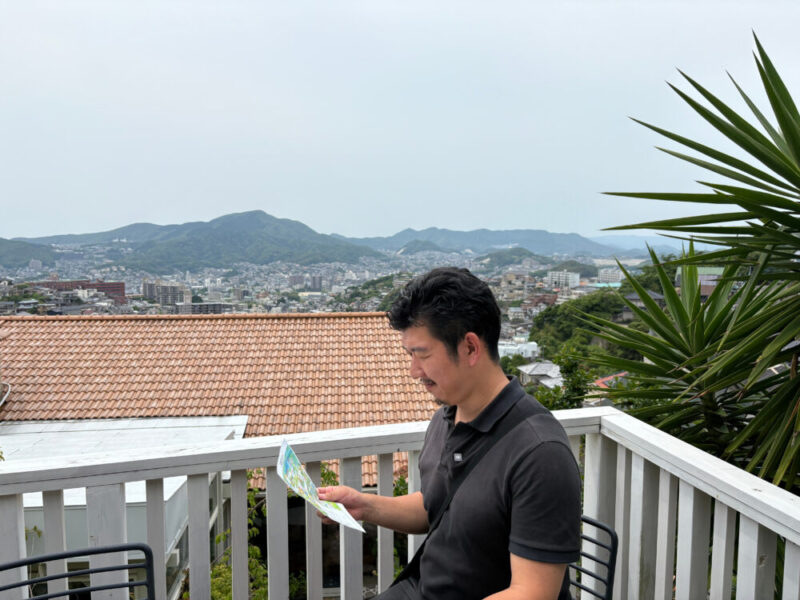
The highlight of the day 3, was finding Mihara Garden high up on the hill. I took the bus to a residential area far beyond my imagination and walked down steep stairs to find this private Japanese garden and tea house. I had a delicious al dente pasta lunch while looking at the flowers and the city. They served about 7 to 8 different types of tea, changing from cold to hot, each with a different taste.
If you want to escape the typical tourist spots and see the “real” Nagasaki beyond your imagination, hiking down the hills to a place like this is the way to do it. The city map made me very curious “what it’s like here”.