
Matsuyama Travel Guide: Exploring Shikoku’s Most Underrated Historical Gem
Why Visit Matsuyama?
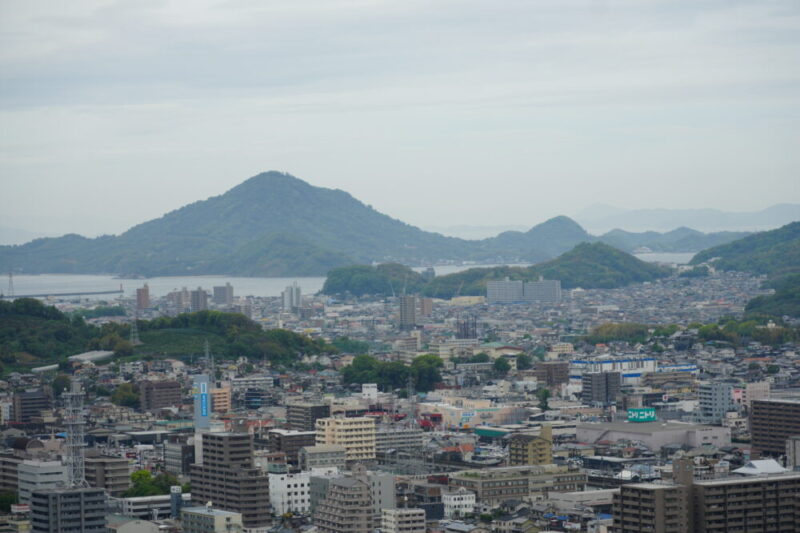
Matsuyama is probably one of the most underrated cities in Japan that has lots of charm, from hot springs to temples, an original samurai castle, and beautiful coastal scenery. I felt proud of this city as the biggest city on Shikoku Island, and it is also home to a very deep history. Today, let’s explore just a glimpse of what it offers.
YouTube
YouTube video: Matsuyama is Japan’s Most Underrated City in Japan | Shikoku’s Gem
Getting to Matsuyama
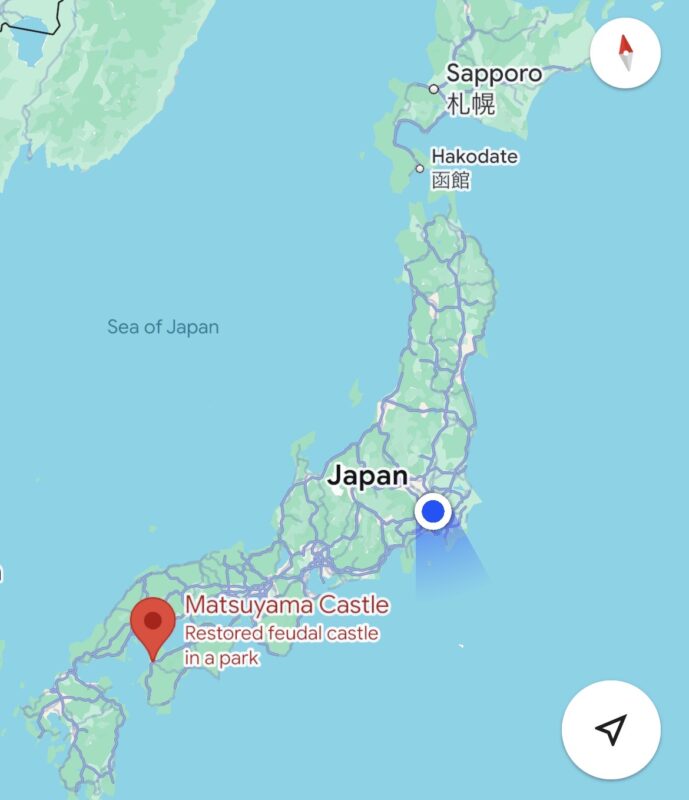
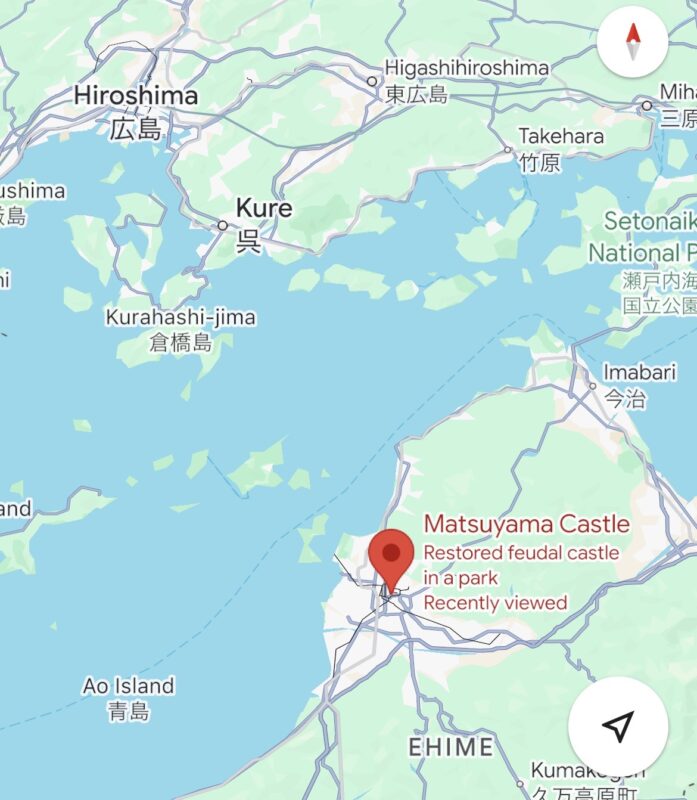
Matsuyama is one of the 47 prefecture capitals of Japan. Population-wise, it is the 36th largest city in Japan, but it is the biggest on Shikoku Island.
The most common way to access the city from Tokyo is by taking an airplane to Matsuyama Airport. However, you can also arrive by ferry from Hiroshima across the bay, or by taking a JR limited express train from either Okayama or Takamatsu.
| From | Transportation Mode | Approximate Time / Notes |
|---|---|---|
| Tokyo (Haneda) | Airplane (to Matsuyama Airport) | Around 1.5 hours (Most common route) |
| Hiroshima | Super Jet Ferry (across the bay) | Connects Hiroshima Port to Matsuyama Sightseeing Port |
| Okayama / Takamatsu | JR Limited Express Train | Convenient if you are traveling with a JR Pass |
How to Get Around
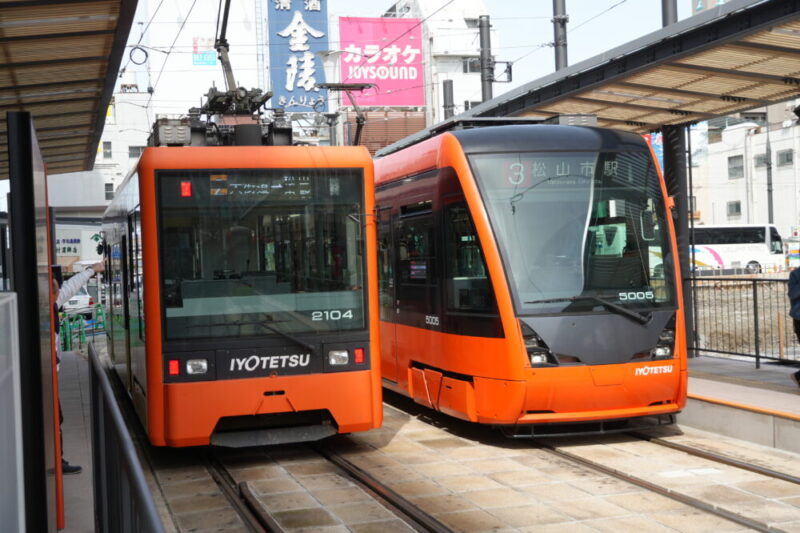
Matsuyama City originally developed around its castle. The best way to get to the city center and explore the main attractions is by using the local streetcars (trams).
On Matsuyama’s trams, buses, and the private railway (Iyotetsu), you can use major Japanese transportation IC cards like Suica and Icoca from other parts of Japan. It is incredibly convenient because you don’t have to touch anything when you get on from the back; you just touch your card when you get off. It costs a flat rate of 250 yen, and you also get a small discount compared with paying by cash.
Planning Your Trip
- Recommended Stay: 2 to 3 days to comfortably see both the historical center and the coastal island area.
- Budget: Mid-range. Tram rides are flat-rate (250 yen).
- Best Time to Visit: Any time of the year. Choose sunny day for visiting coastal area. Morning for the castle to avoid crowds; late afternoon for the Ferris wheel sunset. 🙂
Top Things to See & Do
Major spots are easy to access by walk and public transportation, which is a big plus for travelers without a car. You might need 2-3 days to see the major spots of of Matsuyama from Dogo hot-springs to the coastal area.
1. Matsuyama Castle
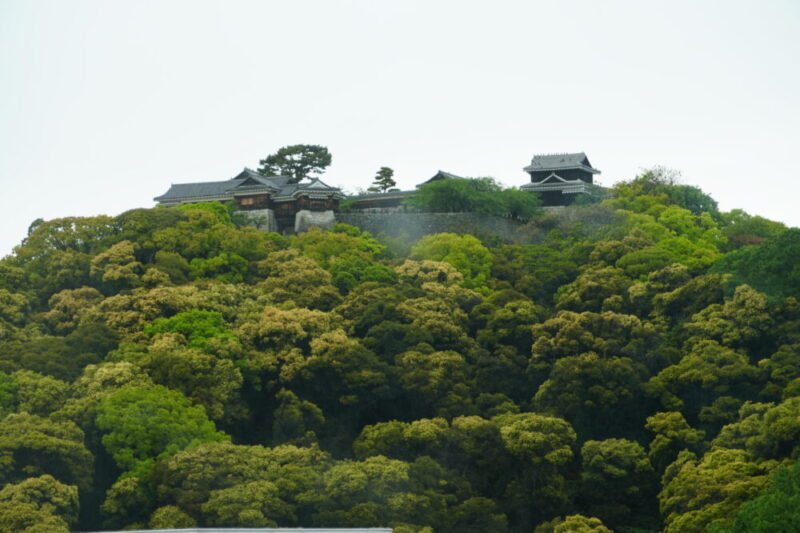
I was quite impressed by how big and beautiful the forest of Matsuyama Castle was. Matsuyama Castle is one of Japan’s 12 authentic castle tower* that has survived from the samurai era. Unlike many reconstructed concrete castles in Japan, this is the real history sitting on top of a mountain.
To get to the top, you can buy a round-trip ticket for 520 yen, which lets you take either the ropeway or the open-air chairlift. I highly recommend trying the chairlift because it feels amazing riding through the forest with the downtown scenery behind you. The ride takes about 6 minutes to the top station, followed by a 10-minute walk to the castle itself. It opens at 9:00 AM, so getting there right as it opens is the best way to beat the busy crowds. From the top, you get a stunning view surrounded by mountains and the beautiful ocean.
▶︎Matsuyama Castle Official Site Link
*Other 11 castles are Hirosaki, Matsumoto, Maruoka, Inuyama, Hikone, Himeji, Matsue, Bicchu Matsuyama, Marugame, Uwajima, Kochi.
2. Dogo Hot Springs (Dogo Onsen)
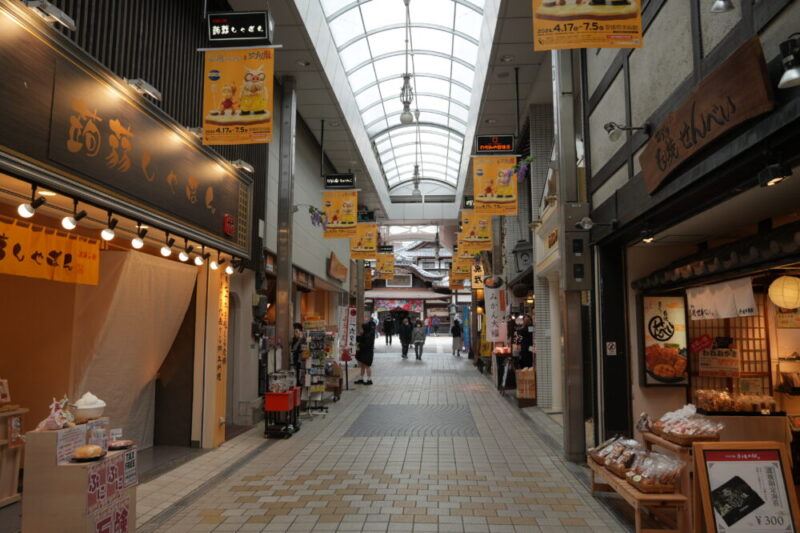
This is my first time visiting Dogo Hot Springs, which opened in its current form in 1895. It is a fantastic hot spring town located just about 10 minutes away from the city center.
As soon as you step off Dogo Onsen Station, you can feel the lively, fun atmosphere. Walking through the commercial shopping arcade filled with local souvenir shops and cafes leads you directly to the iconic Dogo Onsen Honkan. This historic wooden building operates as a public bathhouse and famously served as the inspiration for the bathhouse in Studio Ghibli’s Spirited Away.
I chose the private room package for 2,500 yen, which gives you a 90-minute stay. It comes with tea and a small local snack served in your private room, gives you access to two different types of hot spring baths, and allows you to view the historical bathrooms that the Japanese Emperor used to use. It is absolutely a must-have experience. You cannot make reservations in advance, but if there is availability, you can enter right away.
▶︎Dogo Onsen Honkan Official Site Link
3. Ishiteji Temple
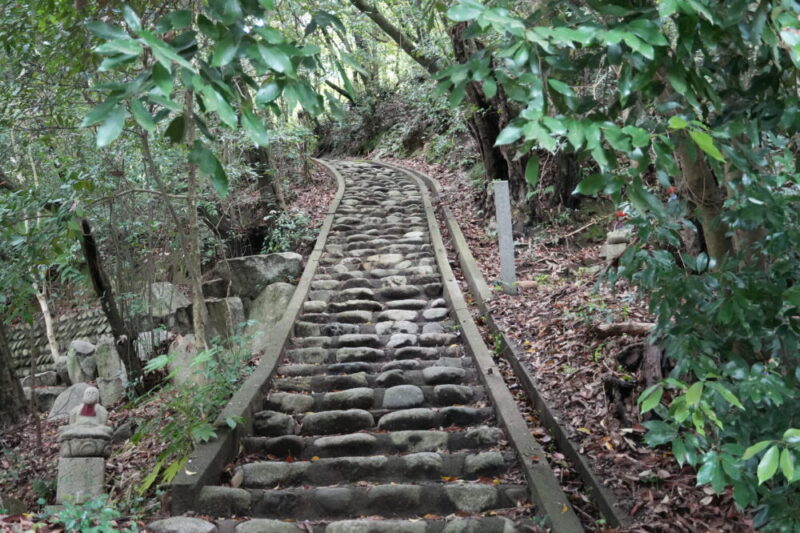
Located near Dogo Onsen, Ishiteji (石手寺)Temple is 51st stops on the 88-temple Shikoku Pilgrimage route. You can catch a local bus from Dogo Onsen Station or Matsuyamashi Station, which runs every 30 minutes and accepts Suica cards.
The most unique part of this temple is a dark, mysterious cave that you can enter for a 100 yen fee. I usually do not like caves, but walking through this one was a deeply spiritual and magical experience. It might sound weird, but when I walked out the other side, I honestly thought I had come out somewhere like heaven… On the way back, instead of taking the bus, you can hike a nature trail through a beautiful bamboo forest that connects you right back to the top of the stairs at Isaniwa Shrine.
4. Matsuyama by the Sea: Island Hopping to Gogoshima Island
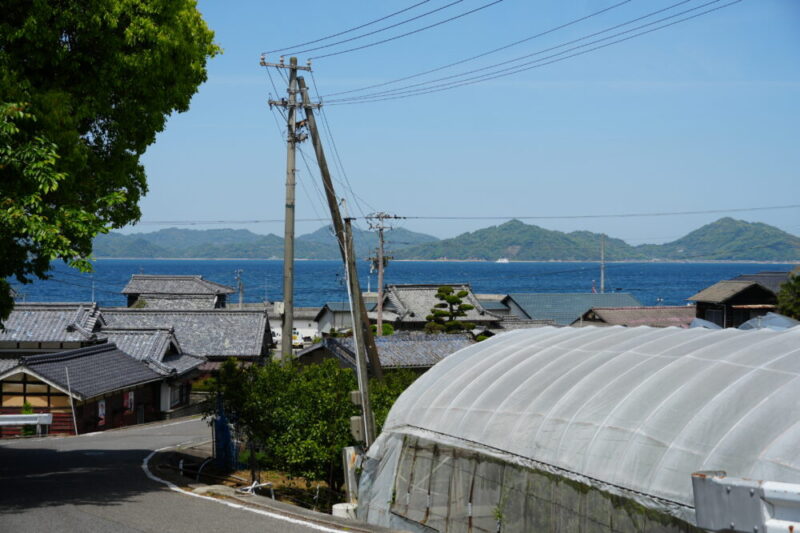
To see a completely different, quiet side of Matsuyama, you can head to the coastal area. From Matsuyamashi Station, take the local Iyotetsu train line to the very end at Takahama Station, a beautiful old-fashioned wooden station right on the water.
Directly in front of the station is the Takahama Port, where you can buy a 300 yen ticket from a vending machine to cross over to the Kutsuna Islands. I took the 10-minute ferry to Gogoshima Island, the closest island to the main coast.
You can grab a fresh coffee from the small shop right at the port and take a relaxing walk along the quiet coastal roads. The water here is incredibly clear. If you walk over the hill to the other side of the island, you will find a hidden beach with amazingly pure white sand and clear blue ocean views. It is hard to believe that this quiet, peaceful paradise is located right here within Matsuyama City! Before heading back to the ferry, make sure to stop by the local island udon shop to try their Shimadon—a cold udon noodle soup topped with fresh sea lettuce tempura. It was so good that it completely got me hooked on udon noodles for the rest of my trip!
Where to Stay
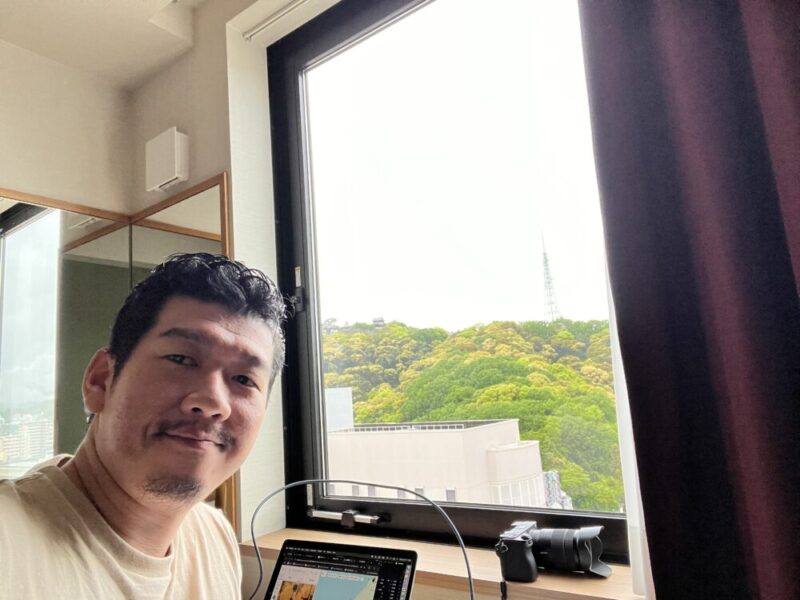
During my trip to Matsuyama, I stayed at the Candeo Hotels Matsuyama Okaido.
It is a stylish, modern hotel located directly on Okaido Street, right in the heart of Matsuyama’s city center. The location is incredibly convenient because the tram stop is right in front of the hotel, and it sits directly next to the main shopping arcades and the ropeway street leading up to the castle. It was easy to come back to take a rest or shower during the sight seeing.
However, compared to other well-known Japanese business hotel chains like Daiwa Roynet, you might feel that Candeo Hotels occasionally misses some of the finer, smaller details in terms of small amenities and design. But “pro” wins over “cons” and I didn’t hesitate to book my 4th visit to their hotels.
The main highlight here is their signature “Sky Spa”—an open-air public hot spring bath and a sauna located on the top floor. Soaking on the rooftop while looking out over the city lights at night is a great experience, but be aware that the spa gets incredibly crowded at night. I highly recommend enjoying the sauna and the bath during the daytime or very late at night if you want to avoid the crowds.
Check Rates & Availability:
- If you like this best location, modern hotel with a premium rooftop hot spring experience right in the city center, you can [Check prices for Candeo Hotels Matsuyama Okaido on Hotels.com].
What to Eat
When you are in Matsuyama, you must try the local specialties of Ehime Prefecture.
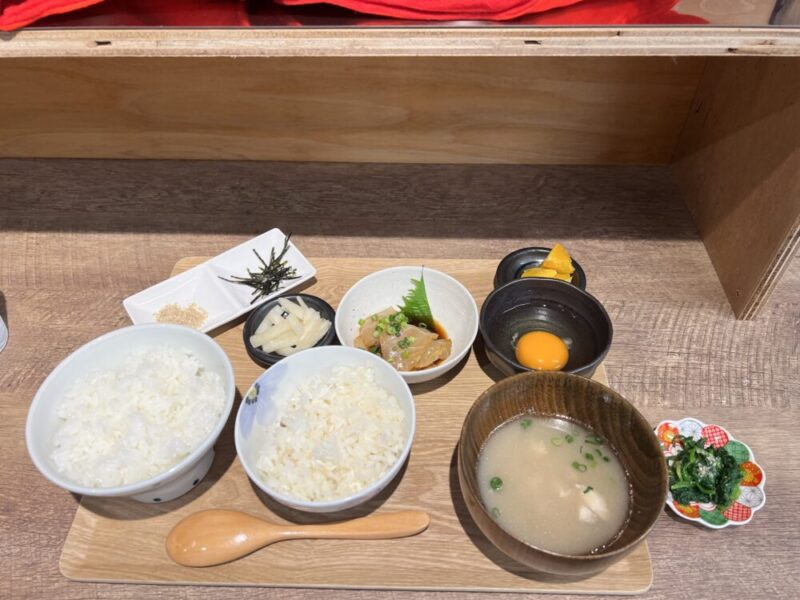
- Tai-meshi (Sea Bream Rice): This dish is served in two completely different regional styles depending on the area. In the Uwajima style, fresh raw sea bream slices are served over rice with a raw egg and savory soy sauce. In the Matsuyama style, the fresh fish is cooked directly with the rice. I randomly entered a restaurant near the castle ropeway and tried both. The ingredients—including the rice from local Kioku town—were incredibly fresh and delicious.
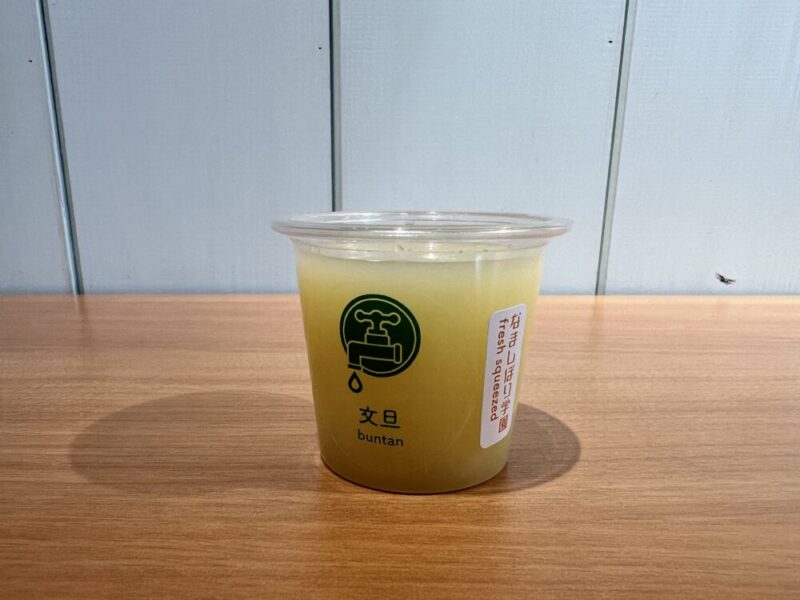
- Mikan (Mandarin Orange) Juice: Ehime is world-famous for its mandarins. There is a famous joke in Japan that in Ehime, mandarin orange juice comes straight out of the water taps! You will find specialized shops where you can choose from 20 to 30 different varieties of local citrus juice, including fresh-squeezed options to compare the different sweet and tart flavors.
My Route
- Morning: Beat the crowds by taking the open-air chairlift up to Matsuyama Castle right at 9:00 AM. Afterwards, walk down to Ropeway Street to try local Tai-meshi and fresh-squeezed Mikan juice for lunch.
- Afternoon: Take the local tram to Dogo Onsen Station. Experience the private room bath at Dogo Onsen Honkan, then take a short bus ride to explore the spiritual cave at Ishiteji Temple.
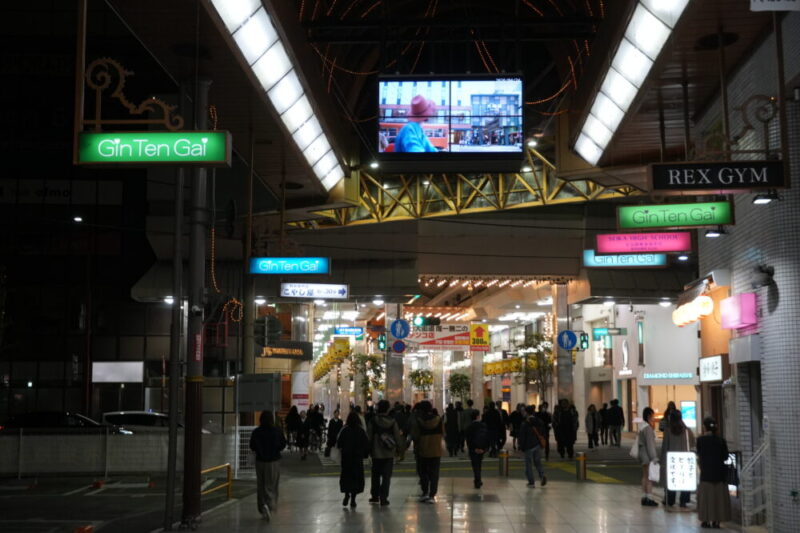
- Late Afternoon / Evening: Head to Matsuyamashi Station to ride the giant rooftop Ferris wheel for an unforgettable sunset view over the city, then walk back through the Gintengai and Okaido indoor arcade streets.
- Day 2: Take the local train to Takahama Station and catch the ferry for a relaxing, scenic day trip to the beaches and quiet coastal roads of Gogoshima Island.
GPS Map
Where I visited in the video / this article.
Practical Tips (Avoid Mistakes)
- IC Cards vs. Cash: You can go almost anywhere with transportation IC Card in Japan, such as Suica. On Iyotetsu bus and tram, you get discount on fare if you use IC Card instead of cash. Touch payment is not available on public transportation. Most of stores accept credit cards during my stay. Some local souvenirs shops or food stands still might accept only cash.
Blog
I arrived in Matsuyama from Takamatsu on the Limited Express Ishizuchi. From the station, I hopped on the Iyotetsu tram and headed toward Ookaido, where my hotel was located. A city with a castle, streetcars, and its own local private railway branching out from the center to the suburbs—seeing this landscape for the first time, I felt the town had a distinct dignity and pride. I even thought to myself, “Wow, I could actually live here.” You really never know until you visit a place in person. The architectural design, the abundance of greenery, and the clean, stylish atmosphere gave Matsuyama a far greater sense of presence and elegance than I had ever imagined.
The day after I arrived in Matsuyama, the weather forecast was completely accurate: it rained all day. Since my flight back to Tokyo wasn’t for another three days, I decided to stay inside my hotel room to focus entirely on video editing, only heading out briefly to pick up some food. I found that the food court and basement co-op market at Mitsukoshi department store which were incredibly convenient for picking up local food easily. (In contrast, when I visited Takashimaya later, it felt more like a place for locals to buy items from all over Japan, rather than a spot to find local specialties.)
I made a rule to only buy foods produced directly within Ehime Prefecture. I picked up some Madai (wild-caught red sea bream) and a fish called Yazu. In Tokyo, we call this young yellowtail Hamachi, but in Shikoku, it is known as Yazu. To be completely honest, when I bought it, I had no idea what Yazu actually was. I was a little bit scared, thinking, “What if this is some creepy-looking, deep-ocean monster fish?” I decided to eat a little bit first and then double-check with an AI assistant on my phone, and I felt so relieved when it told me it was just delicious yellowtail that I had eaten many times before! I also got a fresh salad with a local dressing made in Imabari, and a half-boiled onsen egg—all sourced locally from Ehime. Eating fresh, local food in a quiet room after a long day is one of my favorite parts of traveling.
The next day, I visited Matsuyama Castle, Dogo Onsen Honkan, and Ishitegiji Temple. I also stopped by the Botchan Museum (which is located inside a Starbucks), rode the Kururin Ferris wheel, and walked through the Gintengai shopping arcade on my way back. It was a great great day that I could see the deep history and culture of Matsuyama.

When I traveled to Gogoshima Island, I ended up taking a long walk along the quiet coastal roads to reach the white sand beach on the other side. My legs were incredibly tired, and I was panting as I walked up the steep hill past the closed local elementary school.
Usually, these long moments of just quiet walking are completely cut out from the final YouTube videos because they might seem boring to viewers. But honestly, when I look back at my trips later on, these quiet moments of just walking through nature and listening to the distant sounds of the ferry and the local moving supermarket truck are often the exact moments I remember and miss the most.
I can’t wait to go back to Matsuyama and explore more of the region. Thank you for reading!
Disclosure: To support this site, I may earn a small commission from some of the links on this page at no extra cost to you. I use hotel affiliate such as Hotels.com and Agoda. Also, Amazon.com and communication services such as Japan Wireless and Saily / Airalo. Thank you so much for supporting this site.
Some contents are made with the help of AI based on my YouTube video. All travel photos are taken by me Kengo, and I only cover what I experienced myself.


