
This post contains affiliate links. If you book through them, I may earn a small commission at no extra cost to you. Learn more.
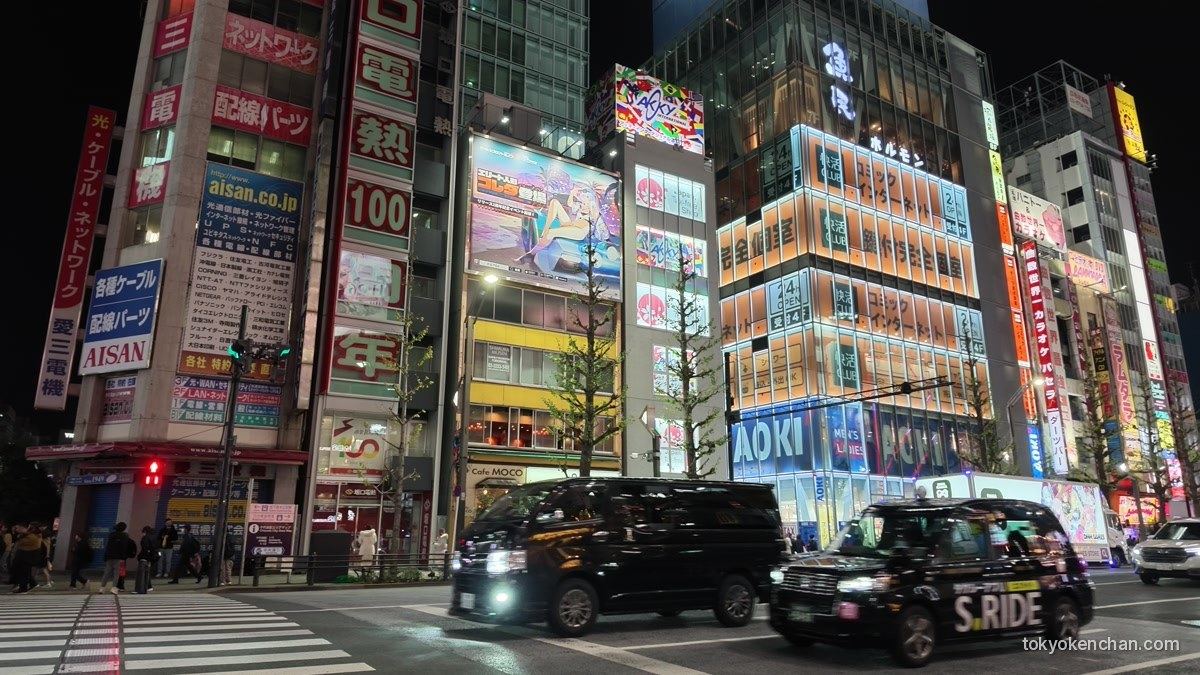
Akihabara was originally an electronics town, packed with small shops selling parts like soldering irons. Later it became the center of anime, games and subculture, with all kinds of hobby shops. Some of those shops have now spread to places like Ikebukuro and Nakano. Even if you are not into anime or subculture, I think it is worth visiting as an interesting Tokyo town. But if you are not used to very different cultures, it may be a bit too intense.
Map of Akihabara Station
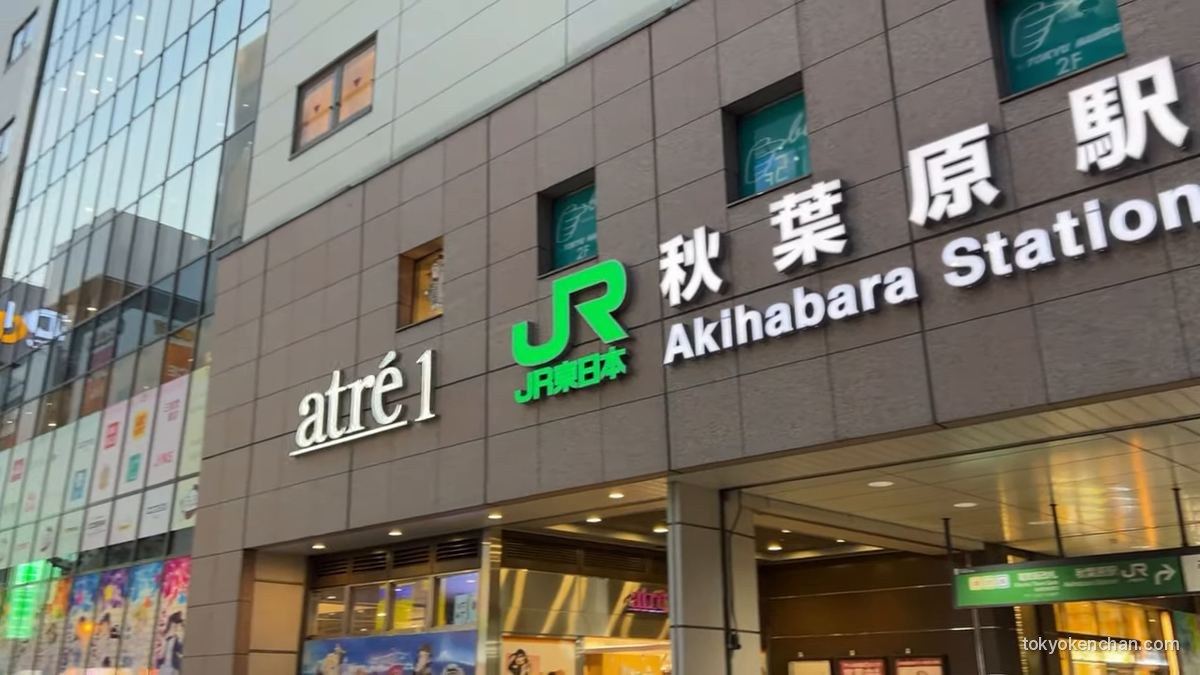
Akihabara Station is on the JR Yamanote Line, the Keihin-Tohoku Line and the Chuo-Sobu Line, and it’s also served by the Tokyo Metro Hibiya Line and the Tsukuba Express. In my video I picked 17 things to do, but here I’ve put them together by theme, so you can choose what fits you.
Exploring Akihabara with Two Viewers
For the first part, I met two viewers of my channel for the first time, a couple from Washington, DC. They told me that in America, Akihabara is known as the place to go if you like video games, anime and manga. Since I don’t know much about these things, they took me to three stores they wanted to visit.
Super Potato for Retro Games
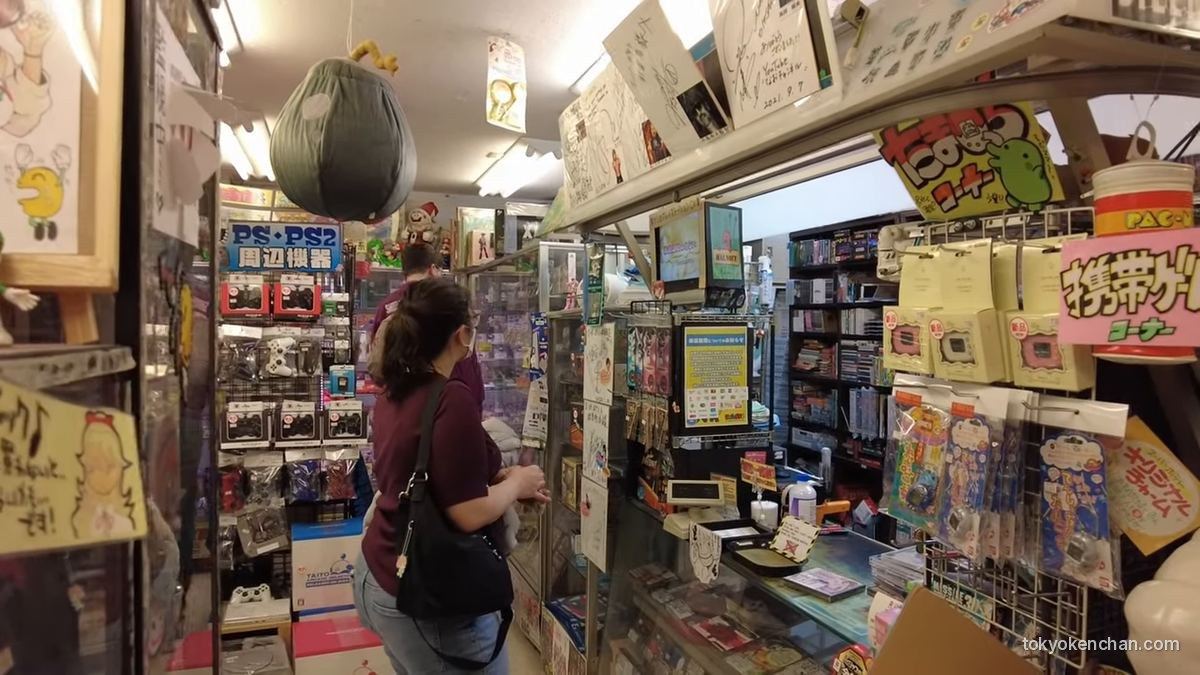
The first store was Super Potato, a store famous for retro games. I was surprised to see so many games for the Game Boy and the Famicom, the original Nintendo console, still on the shelves. One of my viewers was looking for Japanese-only games, and they also found things that are hard to get now, like the connector cable for playing Game Boy Advance games together.
They also showed me Nintendo’s hanafuda playing cards. Before Nintendo started selling video games, the company sold hanafuda and other playing cards, and that’s how it started. Super Potato in Akihabara is open from 11 a.m. to 8 p.m. every day, according to its official site.
Animate for Anime Goods
Next was Animate, a chain store you see all over Japan, where you can buy lots of anime goods. The store was very clean and easy to get around. When we visited, one building was for character goods and capsule toys, and the second building was for manga.
It’s also a good place to find gifts. One of my viewers found goods of her mom’s favorite character and planned to take them home as a present. Since my visit, Animate Akihabara reopened after a renewal on August 8, 2026, with more floors for character goods and a new floor just for capsule toys.

Radio Kaikan and How the Figure Shops Work
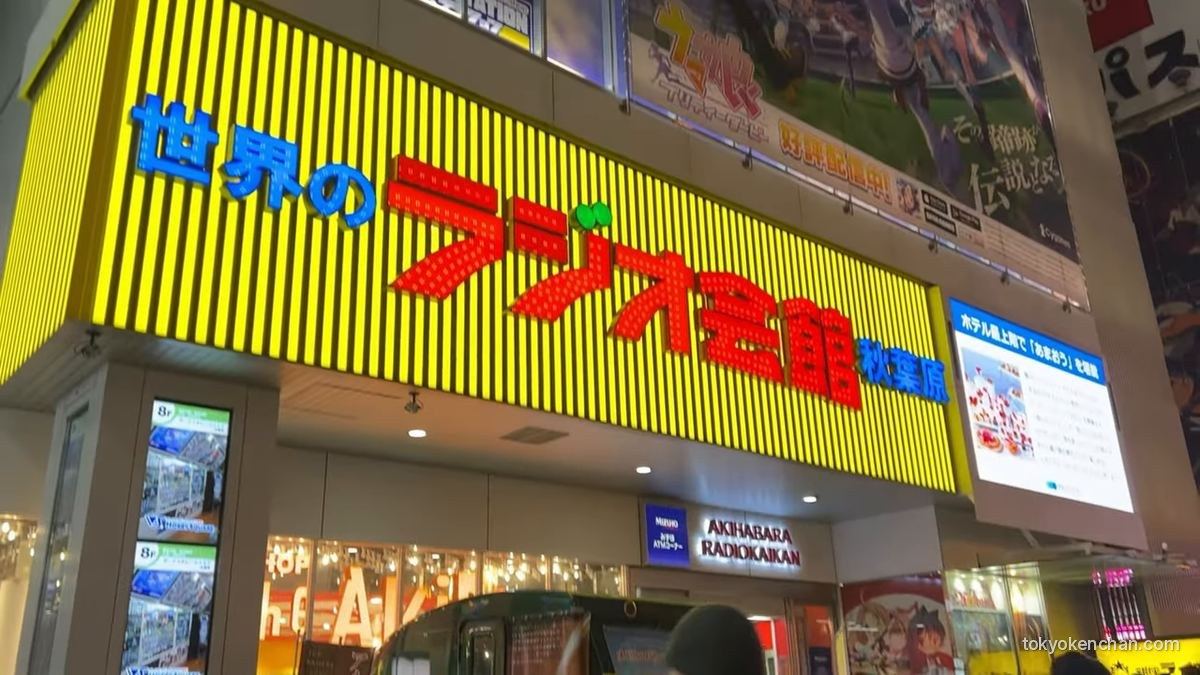
The last store with my viewers was Radio Kaikan, right in front of Akihabara Station. This is where you find all kinds of figures, and every floor is run by a different company. Some shops display figures in glass cases, and my viewer showed me how it works: you write down the item number, the price and how many you want, hand the paper in at the checkout, and the staff bring the figures to you.
Their best advice was not to try to do everything the first time. There’s so much to see that you’ll probably need a couple of trips, and you’ll find something new every time you visit. Thanks to their introduction, I felt much easier about going into these stores.
More Stores for Manga, Comics and Figures
There are some other major stores in Akihabara. The whole building of Mandarake Complex is filled with comic books and goods for other hobbies. It’s on the street called Junk Street, where you can also find many electronics shops.
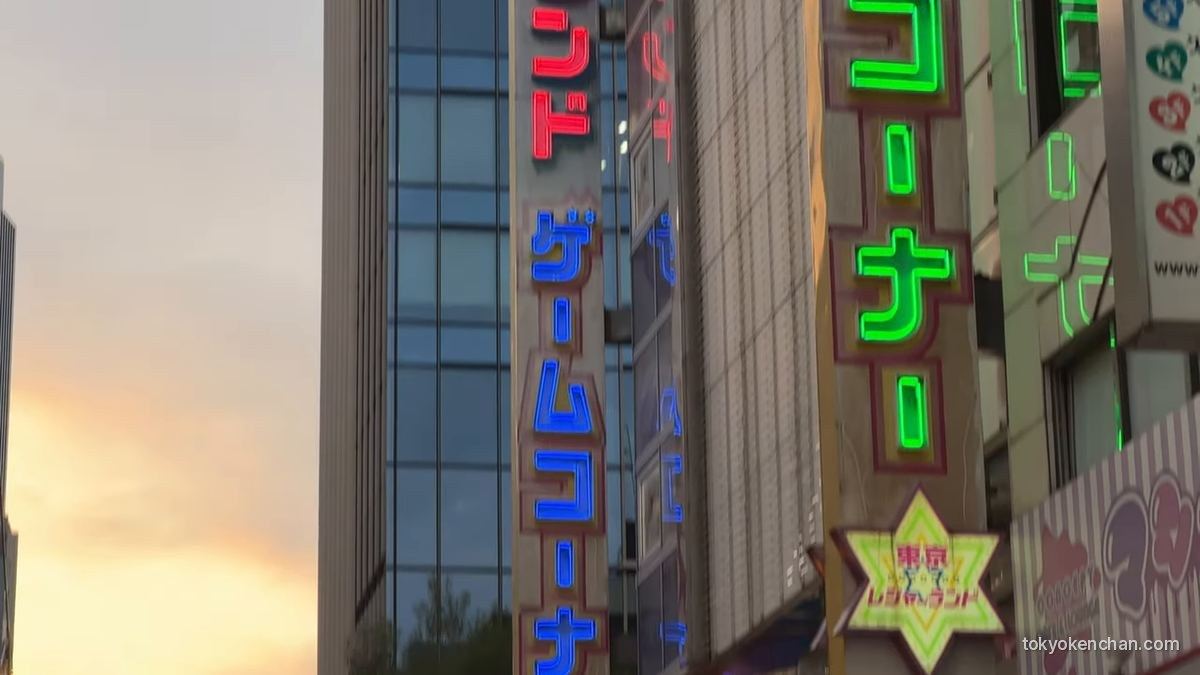
If you like American comics such as Marvel, there’s a store called Blister Comics that specializes in American comic books. It’s near the UDX building, which has a place to sit down and look over the town of Akihabara.
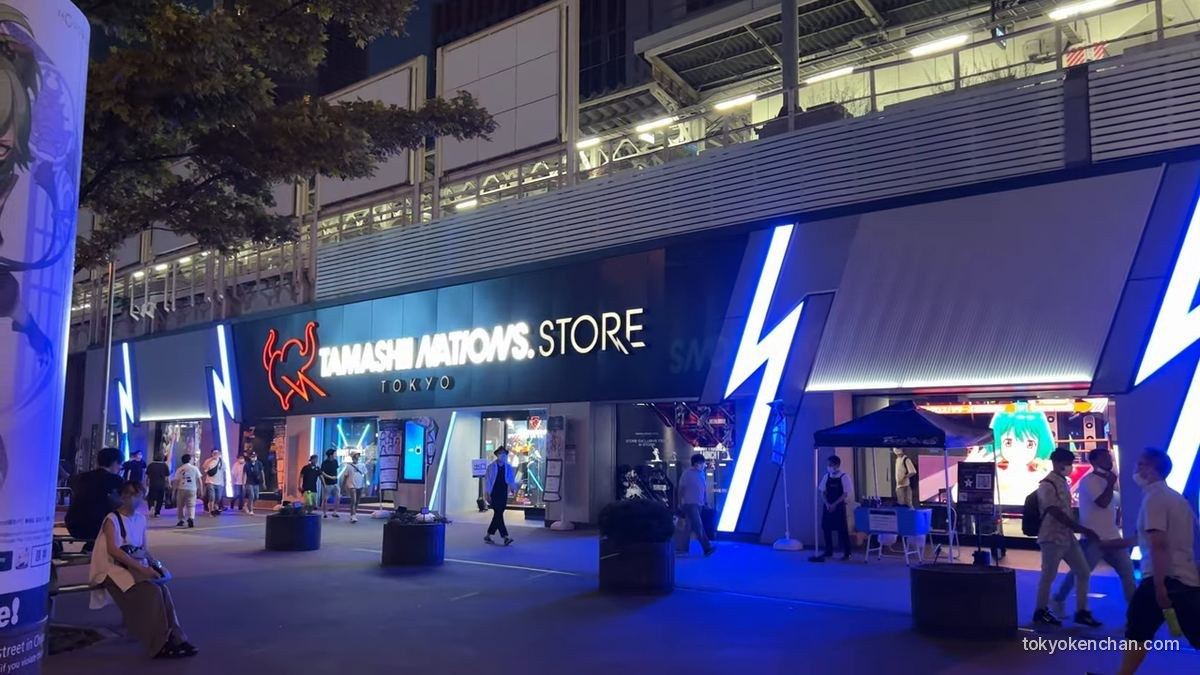
TAMASHII NATIONS is a brand of high-quality collectible figures from popular anime and video games. The TAMASHII NATIONS STORE TOKYO in Akihabara has a large exhibition space where you can see the world of the brand, and you can also buy the products. It’s about a minute’s walk from the station’s Electric Town Exit.
Electronics: What Akihabara Was Famous for First
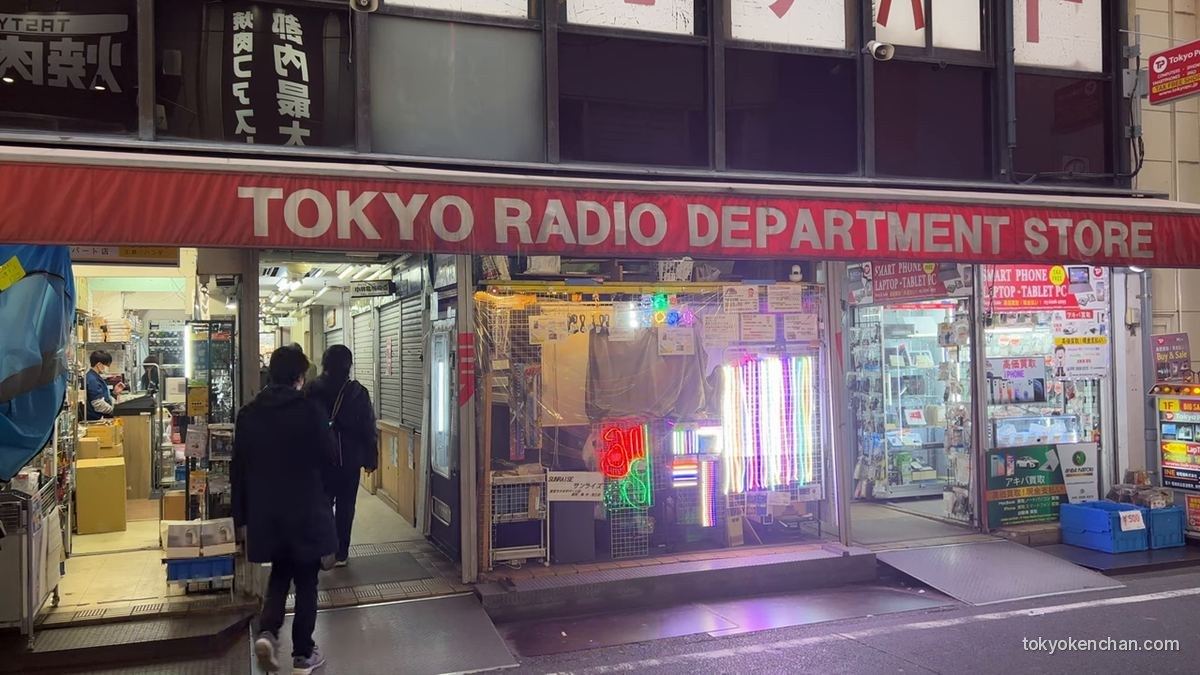
Akihabara was originally a town famous for electronics shops. When I was a kid, Akihabara was the place people came to buy electronics. If you’re interested in that side of the town, the Tokyo Radio Department Store and Dempa Kaikan are where to go.
In the small aisles of these buildings, there are many tiny shops selling electronic parts. Many of them sell what’s called junk, which are used products that people buy to take parts from and build their own PC and so on.
Yodobashi Akiba is a big building on the east side of the station, where you can see lots of new electronics, cameras and toys. I actually decided to buy my own camera in Akihabara, because the store person explained everything better than any other shop. I always need a reason to go to Akihabara.
Military Goods, Gachapon and Vending Machines
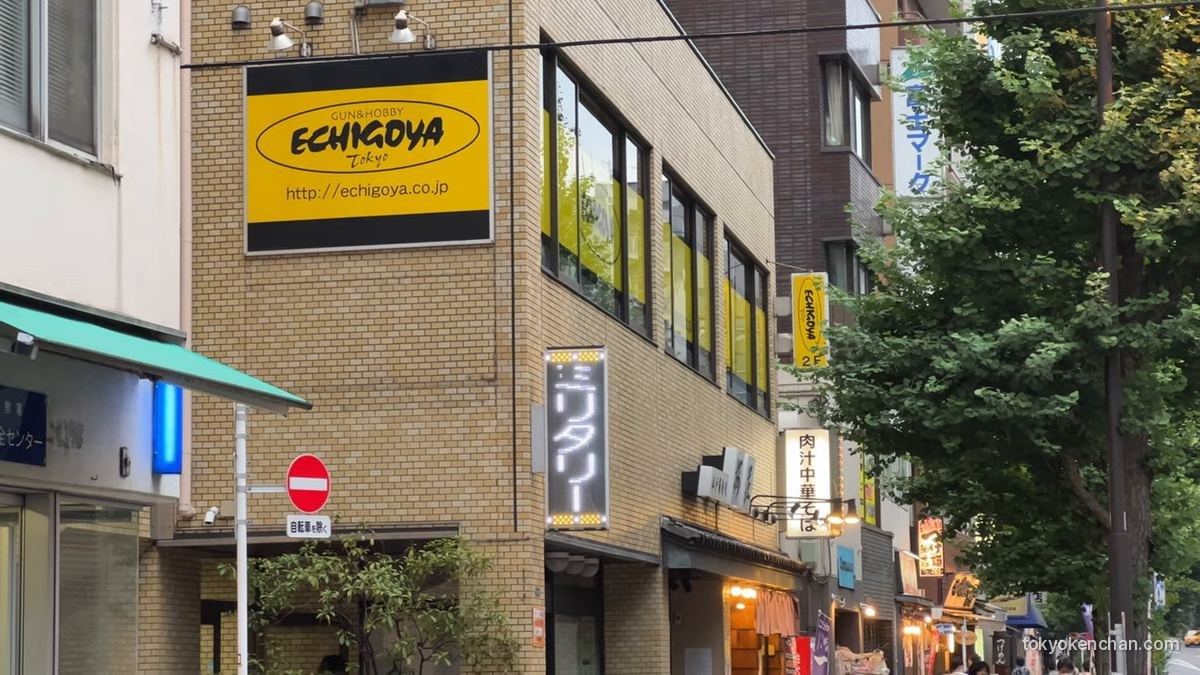
Another category in Akihabara is military goods. Near Suehirocho Station on the Ginza Line, there are stores called Echigoya and Repmart with collections of military goods, and there are a lot more military goods stores around Akihabara.
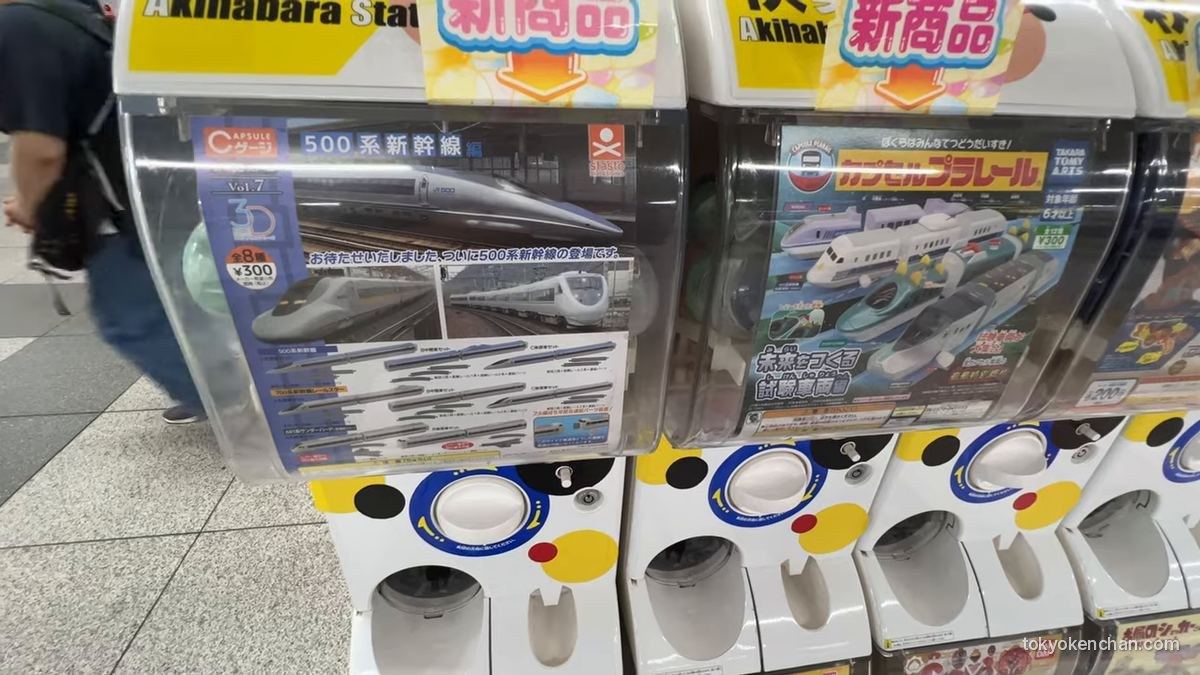
In Japan, you see lots of little machines in stations or near the entrances of stores called gachapon. They give you small toys or collectibles in plastic capsules, randomly picked from a set, such as small figures, keychains and character goods. When I made my video, the price was usually 300 yen to 500 yen, depending on the machine.
The fun part is that you don’t know what you will get. You see gachapon everywhere in Akihabara, even in the station, and the Akihabara Gachapon Kaikan is a shop filled with all kinds of gachapon machines.
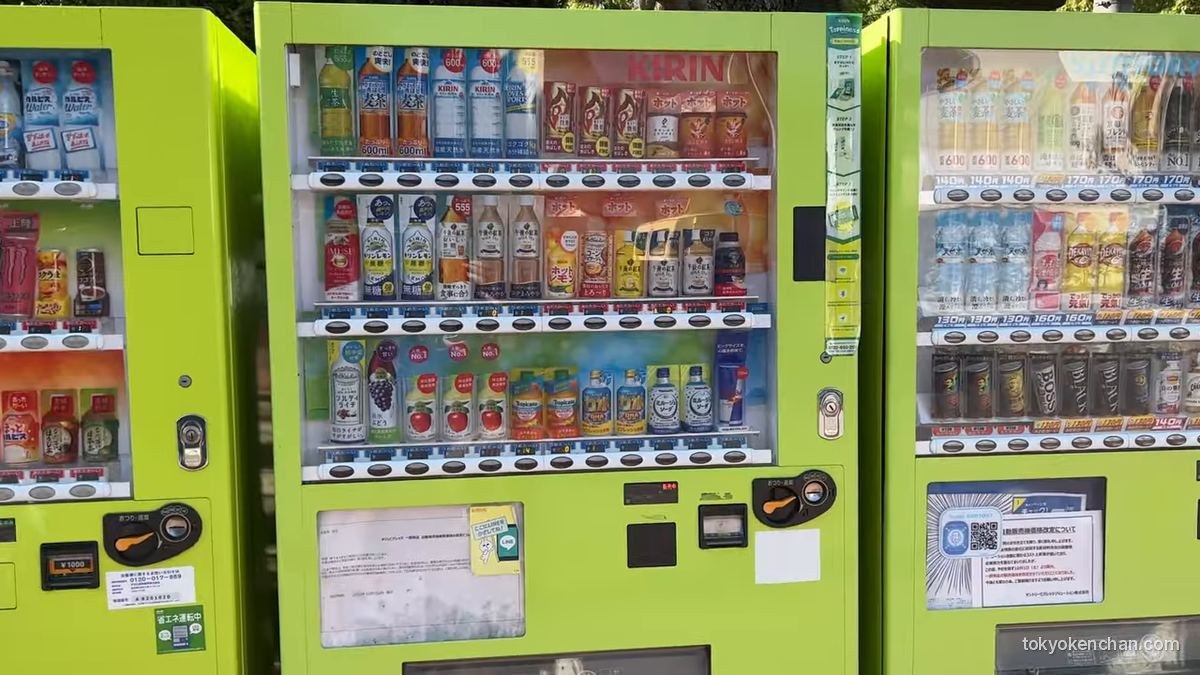
You see vending machines on the streets anywhere in Japan, but they usually sell drinks, and Akihabara has many more unusual ones. One machine I saw a lot on the internet while I was researching Akihabara sold mystery boxes with a message from the owner. I tried it, and there was a biscuit for kids inside, so maybe you can skip that one.
Under the Tracks: CHABARA and 2k540 AKI-OKA ARTISAN
If you didn’t find anything interesting so far, don’t worry, because from here it’s for all travelers. Under the elevated tracks of the Yamanote Line between Akihabara and Okachimachi, there are shopping spaces worth a look.
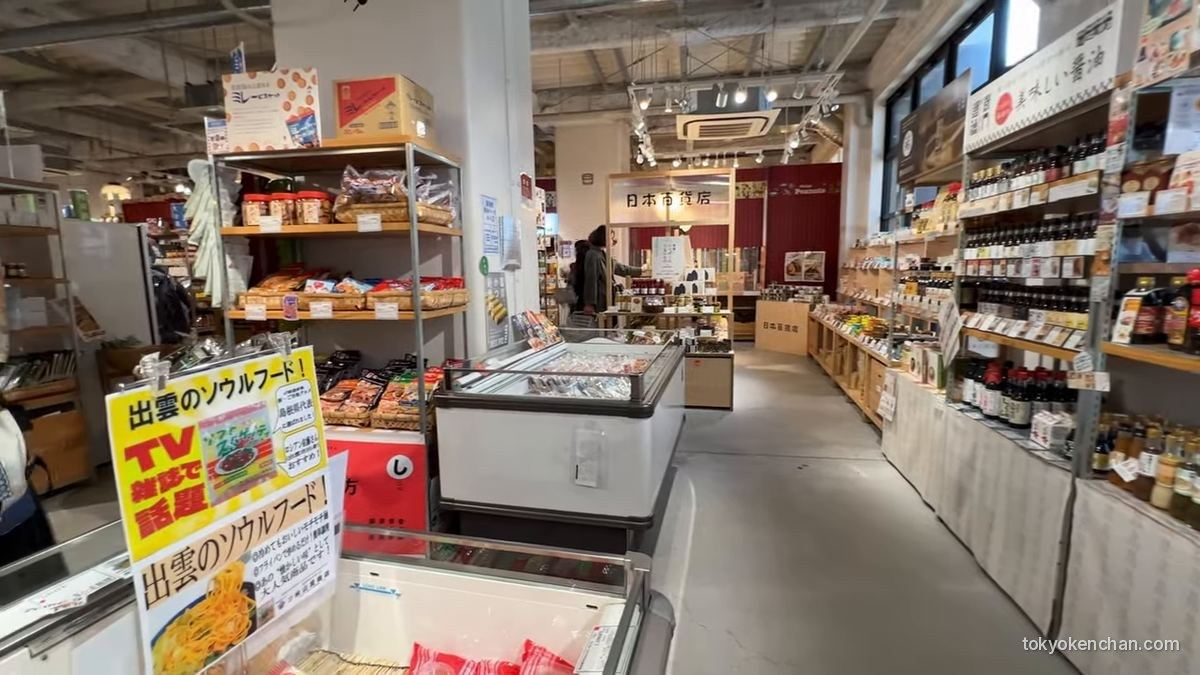
At CHABARA, the food shop Nippon Department Store Shokuhinkan has products from all of Japan’s 47 prefectures, from food to goods, but mostly from local producers. You can see how diverse Japanese food is depending on the region. Its official site lists the hours as 11 a.m. to 8 p.m.
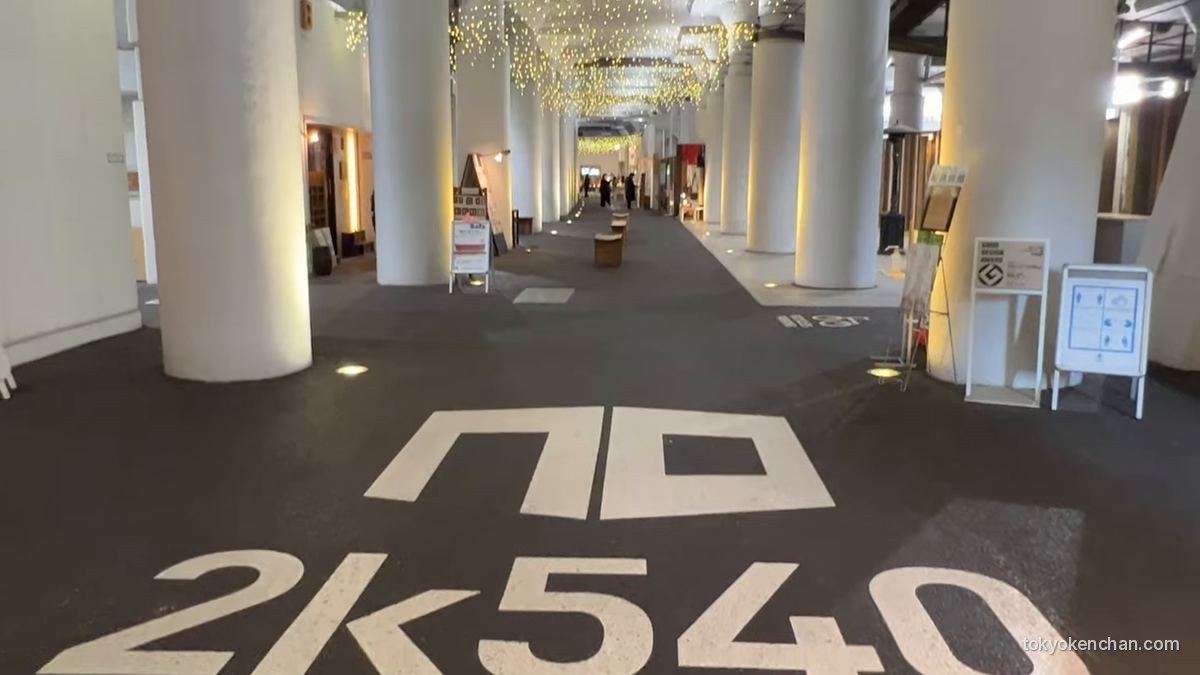
Further north is 2k540 AKI-OKA ARTISAN, another space under the tracks. It has lots of small shops selling handmade goods made in Japan, and they even have shoes. I think it’s nice just to look around all the handmade goods stores.
Food and a Non-Alcohol Bar near Manseibashi
To meet the demand of all the shoppers, Akihabara has lots of places to eat. You see most of the major chain restaurants, and some restaurants have long lines for tonkatsu, tsukemen and ramen. The place I go to from time to time is Hero’s, a steakhouse.
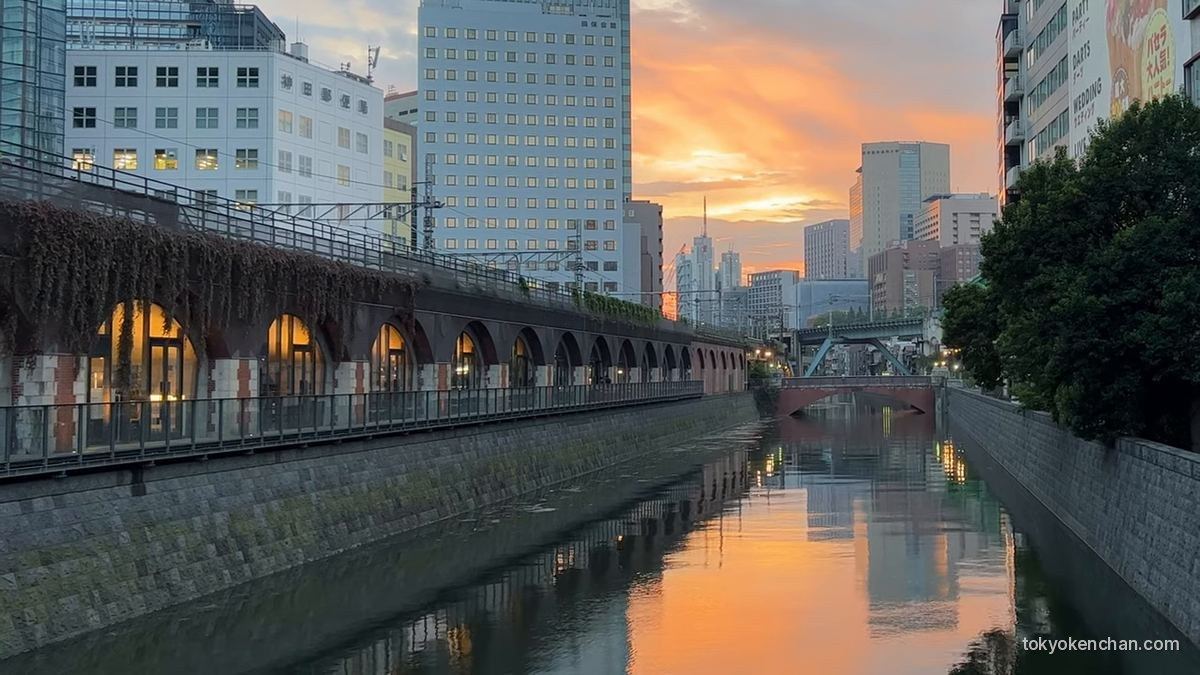
By Manseibashi Bridge on the Kanda River, there’s a red brick building that used to be Manseibashi Station. Today the old station’s brick arches are mAAch ecute Kanda Manseibashi, a space with shops, cafes and restaurants.
There I visited a non-alcohol bar called LOW-NON-BAR, which serves non-alcohol and low-alcohol drinks. I tried the Wabisabi, a cocktail made with wasabi and non-alcohol sake. The bar opens from 5 p.m. on weekdays and from 2 p.m. on weekends and holidays.
One thing to know: when you have drinks at bars in Japan, there’s usually a seat charge, which was around five to ten dollars when I made the video. It’s good to know that in advance so it isn’t a surprise on the bill.
Kanda Myojin and Yushima Seido
On the hill to the west of Akihabara, there’s a shrine and a temple I’d like to introduce: Kanda Myojin Shrine and Yushima Seido. Kanda Myojin is a shrine that was said to protect Edo Castle from the northeast direction.
Yushima Seido is dedicated to the Chinese philosopher Confucius, and it’s known as a place to pray for study. Both are on the same hill, not far from each other, so it’s easy to see them together.

Walking the Streets of Akihabara
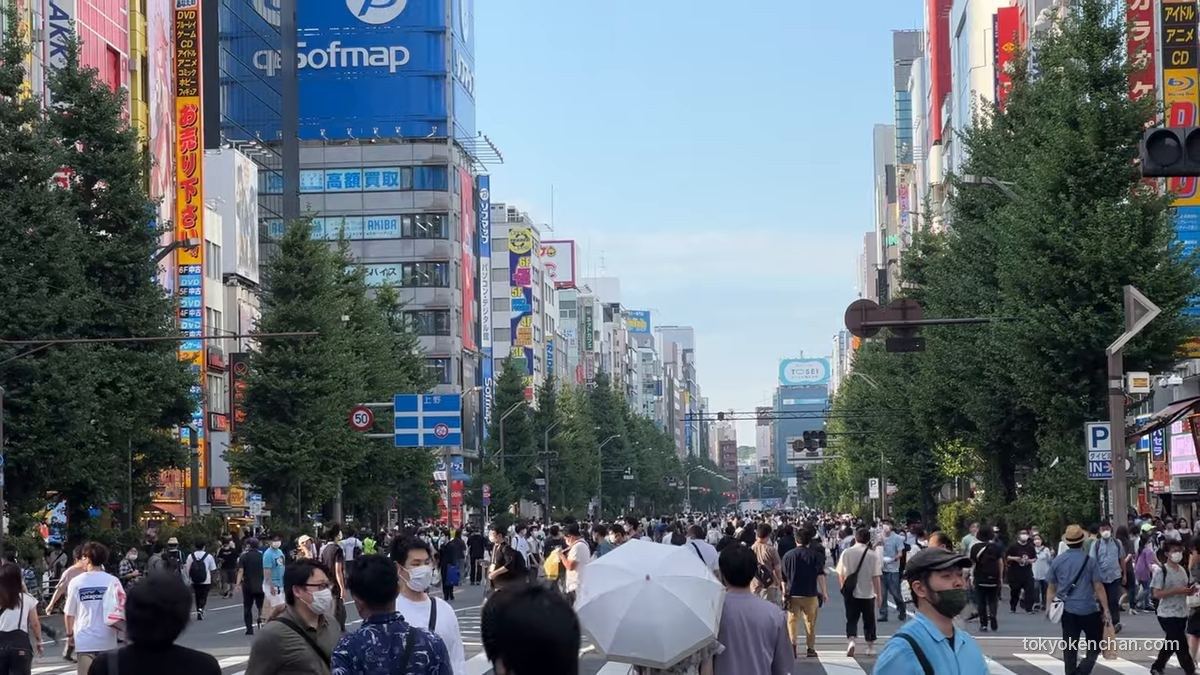
Akihabara is also a fun place just to walk around. The street you can’t miss is the main street called Chuo-dori. It continues all the way to Ueno Park in the north, and to Nihonbashi and Ginza in the south.
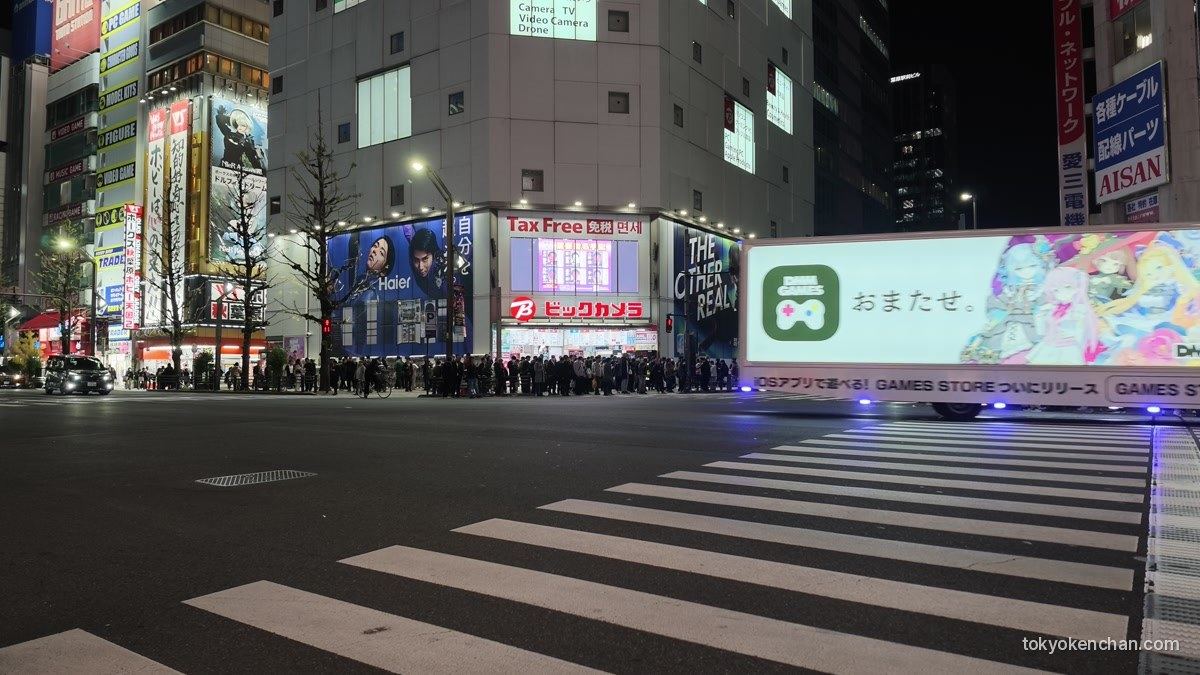
In the Akihabara area, cars are blocked on Sundays and Chuo-dori becomes a street just for pedestrians. According to the Akihabara Electric Town Organization, it runs from 1 p.m. to 6 p.m. from April to September and from 1 p.m. to 5 p.m. from October to March, and it’s cancelled in bad weather.
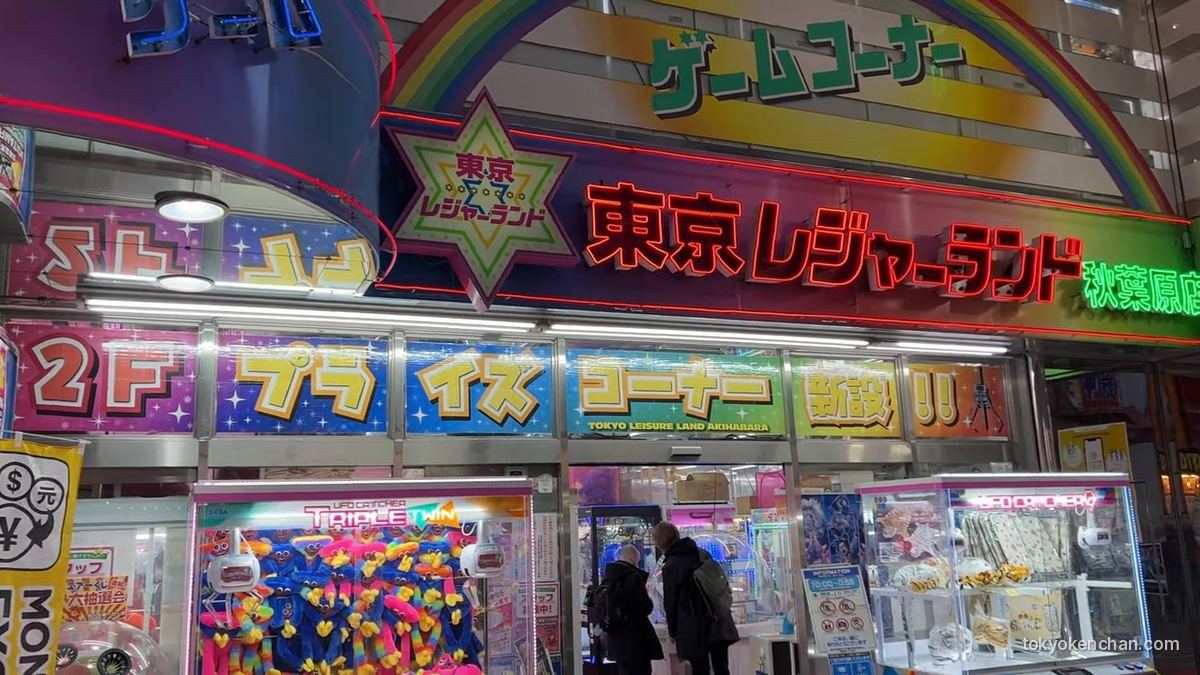
There are also smaller streets like Junk Street with many little shops. Akihabara offers chances for learning and shopping for anyone interested in electronic parts, anime, gaming and a lot more. Even if you’re not interested in what makes Akihabara famous, it might be interesting to see this side of Tokyo’s culture.
I started going to Akihabara from time to time after I started my channel, and I think it can be a fun place once you know some stores and places to go. I hope you find your favorite place in Akihabara.
Questions I Often Get in the Comments
Is Akihabara a good place to stay?
I think Akihabara is actually a good place to stay. There are many places to eat and many train lines. From Akihabara Station, the JR Yamanote Line goes directly to Ueno and Tokyo Station, and the Tsukuba Express and the Hibiya Line are there too.
Where can I take a rest?
If your feet get tired, I went to a fast-food restaurant under the railway and to the UDX building to take a rest. If your hotel is not nearby, it might also help to rest at an internet cafe.
I’m not into anime or games. Is Akihabara still worth a visit?
I’m not really into these cultures either. I think it’s good to know some places to go in Akihabara, so you can feel like a part of the crowd in the town. The places under the tracks, the food and the shrine on the hill are for all travelers.
What day is good for visiting?
Sunday is a perfect day to go to Akihabara, because Chuo-dori becomes a pedestrian street in the afternoon.
General tourist information: The places below are well-known sights near Akihabara that are not covered in the visit described in this article. Ueno Station is two stops north of Akihabara on the JR Yamanote Line. Hours and prices change, so check the official pages before you go.
Tokyo National Museum. Japan’s oldest museum, in Ueno Park, with a large collection of Japanese art and archaeology. Admission to the collection exhibitions is 1,000 yen for adults; see the official visitor information.
Ueno Zoo. Japan’s oldest zoo, also in Ueno Park. General admission is 600 yen; hours and closing days are on the official page.
Other hotels near Akihabara Station: These are major hotels close to the station, listed for convenience.
Akihabara Washington Hotel, about a minute’s walk from the JR Akihabara Station central gate.
remm Akihabara, a compact hotel right by JR Akihabara Station, built around good sleep.
Hotel Resol Akihabara, about 2 minutes’ walk from Akihabara Station.
NOHGA HOTEL AKIHABARA TOKYO, a lifestyle hotel about 6 minutes’ walk from the Electric Town North Exit.
If you want more of my walking routes around Tokyo’s neighborhoods, I put them together in my eBook, TOKYO: Walking Routes & Neighborhoods. Route 08 is the walk that includes Akihabara.
Where to next
Akihabara sits between some of Tokyo’s best-known neighborhoods. These are the guides I would read next.
- Ueno, Tokyo Neighborhood Guide: the park, museums and market street just north of Akihabara.
- Asakusa Neighborhood Guide: Senso-ji and old Tokyo, a short ride from Akihabara.
- Ginza Travel Guide: the other end of Chuo-dori, to the south.


