This post contains affiliate links. If you book through them, I may earn a small commission at no extra cost to you. Learn more.
Ghibli Park is located inside a huge park just east of Nagoya, in the town of Nagakute. If you go expecting a regular theme park, you might be a little confused. Most of the park is open to the public for free, and five Ghibli areas that need a ticket are spread out inside it.
I found out a lot of things only after I actually went, so some of what I learned might be useful for travelers. When Ghibli Park first opened, the reactions were mixed, because there are no rides or roller coasters like other theme parks. So I tried to see all five areas in one day, to find out how long it really takes and whether it is worth the trouble of getting tickets.
Map of Ai-Chikyuhaku-Kinen-Koen Station
Getting to Ghibli Park from Nagoya
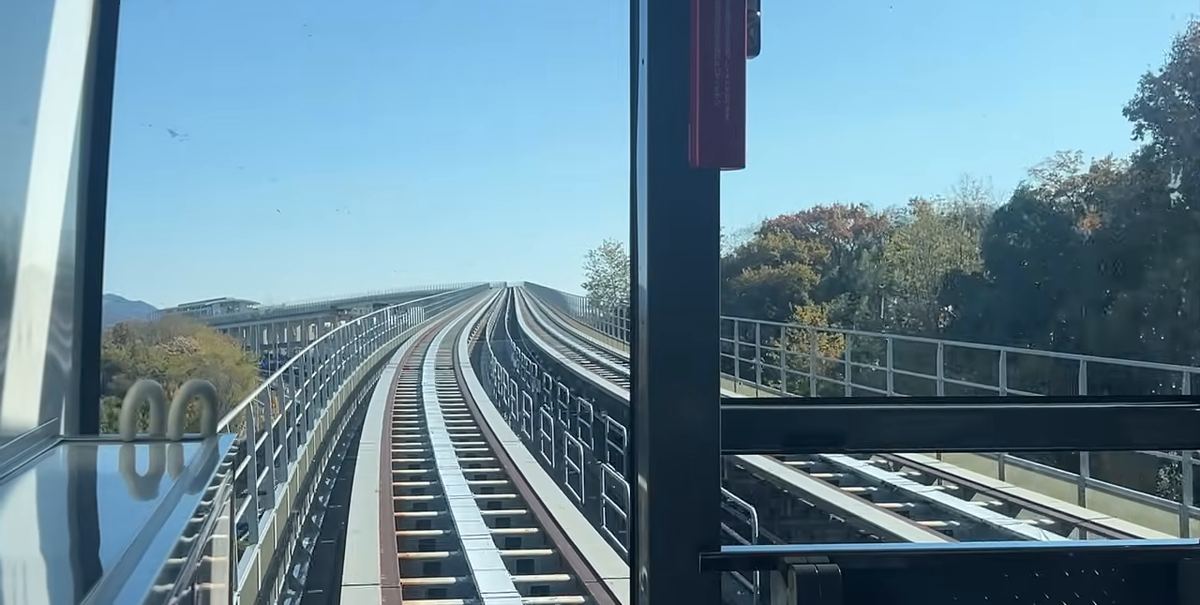
It took me about 50 minutes from Nagoya Station. I took the Higashiyama subway line to Fujigaoka at the end of the line, then changed to the Linimo, a driverless maglev train. Try to get a seat at the very front for the view. Ghibli Park is right by Ai-Chikyuhaku-Kinen-Koen Station. There is also a direct shuttle bus from the Meitetsu Bus Center at Nagoya Station, listed on the official directions page.
I had a lot of luggage that day, so I left it in a coin locker at Fujigaoka Station. I found out later that the Linimo station there has IC card lockers underground, which are much easier to use. There are also coin lockers and an information center right in front of the park, so you don’t have to carry everything all day.
At Ai-Chikyuhaku-Kinen-Koen Station, almost everyone got off. There is a Lawson convenience store right in front of the station, so I bought lunch there, but it turned out I didn’t need it. It was a weekday and there was plenty of space, though I’m not sure how it is on weekends. The walk from the station into the park is short, and there were lots of school trips that day.
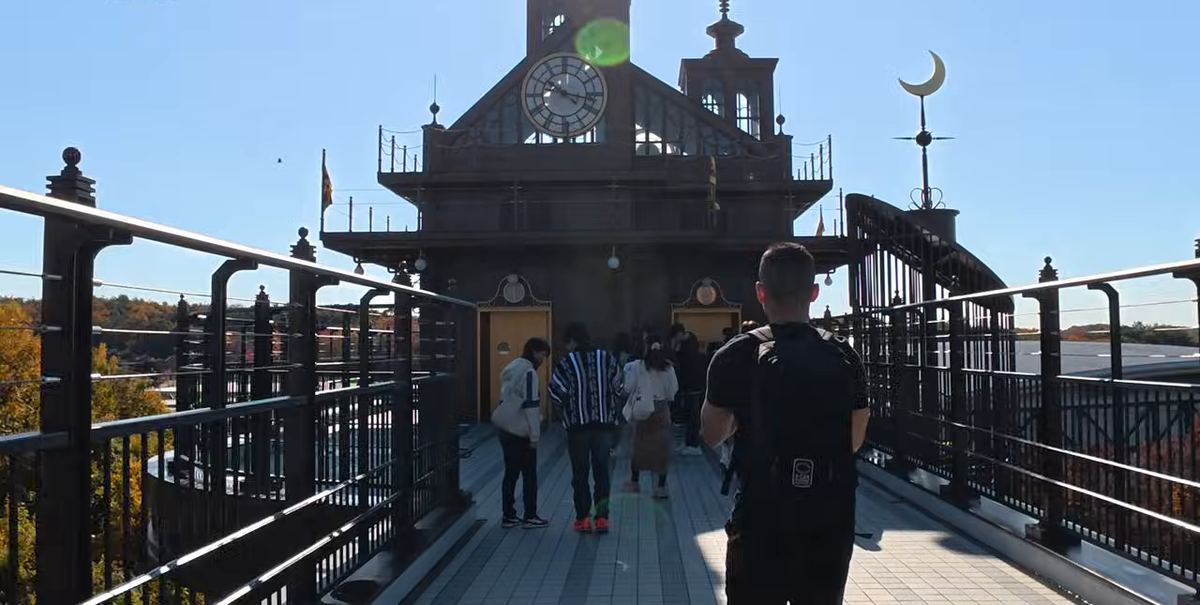
Ghibli’s Grand Warehouse
My first stop was Ghibli’s Grand Warehouse. My reservation was for 10 a.m. and I arrived at 10:20, because you have a one-hour window to enter the first area with a time slot. At the entrance, they exchange your QR code for a wristband, so you don’t have to show the code again in the other areas.
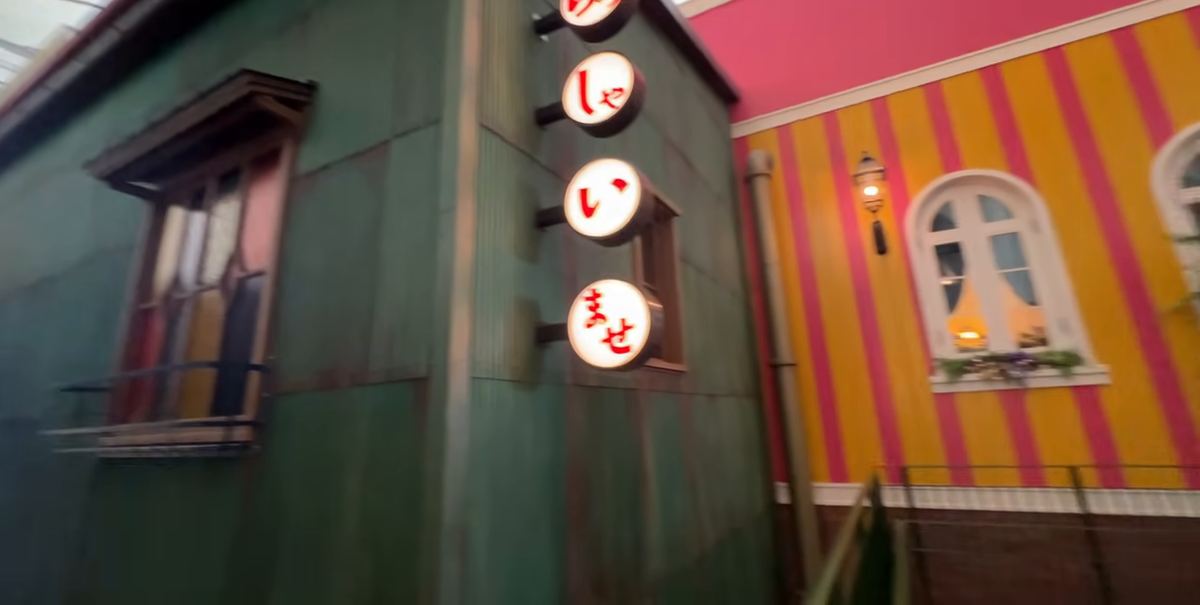
My biggest concern of the day was whether I could see everything, so I asked the staff how long the Grand Warehouse usually takes. They said two to three hours. Inside, it is like a walk-through studio tour at your own pace, with exhibitions and sets from the films on two floors, and you also get a small ticket for one short film at the little theater, which is only about 15 minutes.
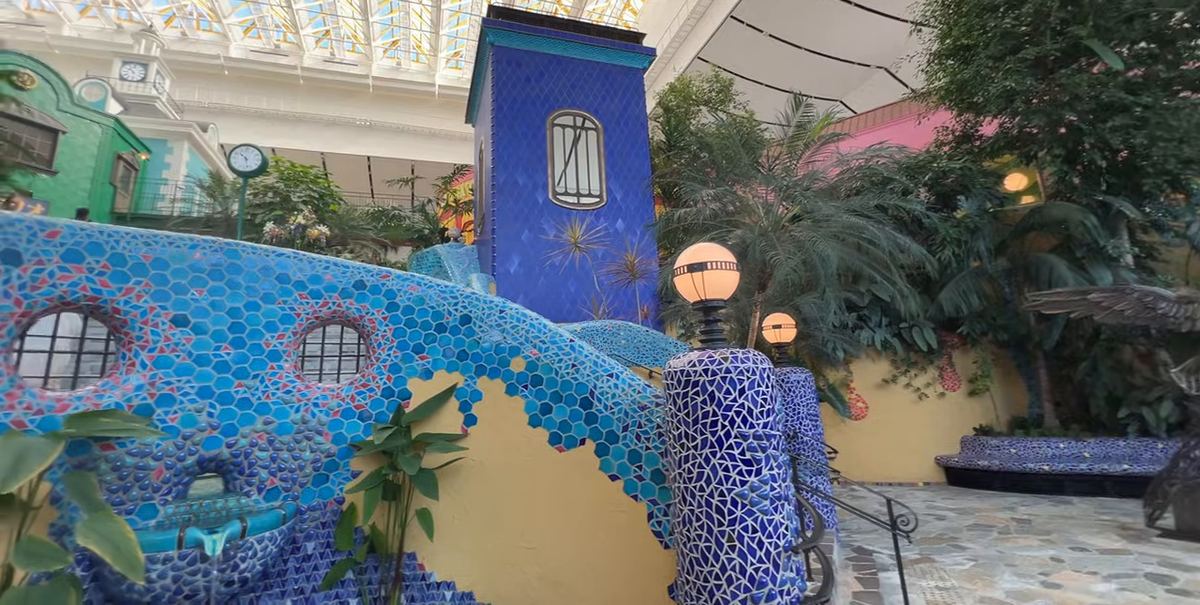
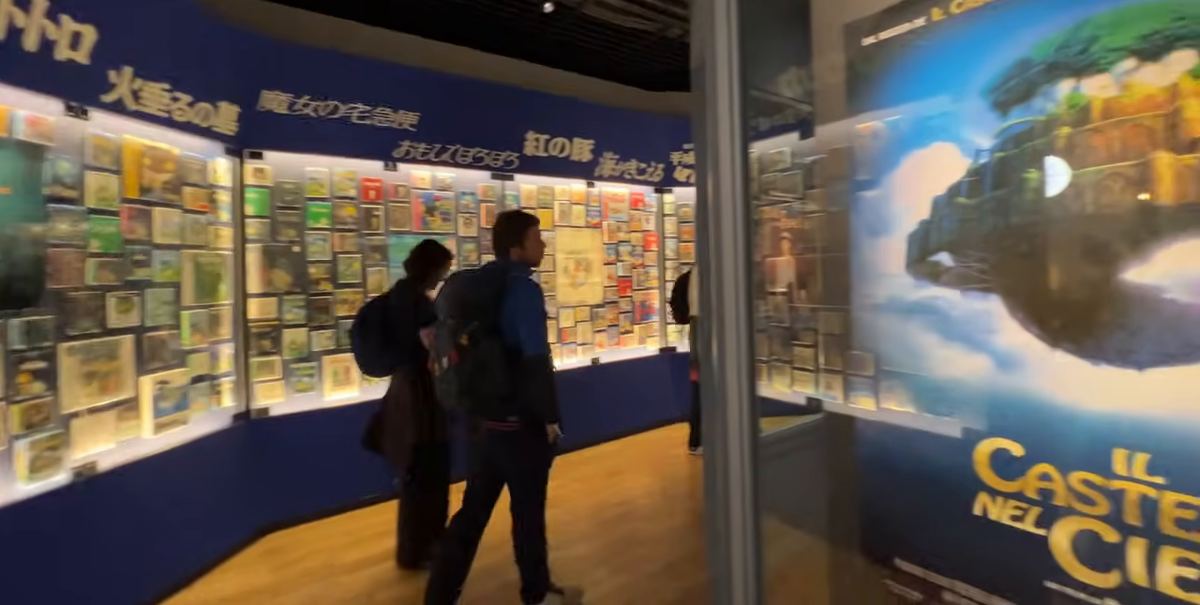
Make sure you walk through both floors. I almost missed the main exhibition room. I was about to leave when I noticed one more room, and it turned out to be the main part, with lots of displays, posters and a Cat Bus. This room is a must. Before you go, I recommend watching as many of the films as you can, so you can get into each world much more.
There are several places for a snack and a drink inside, though not the typical theme park popcorn. For a fuller meal, there is a self-service cafeteria just outside the building, which you can only use with a Grand Warehouse ticket. Everything looked great, but I chose a sandwich with mortadella ham from Italy for 1,000 yen, and it was packed with ham.
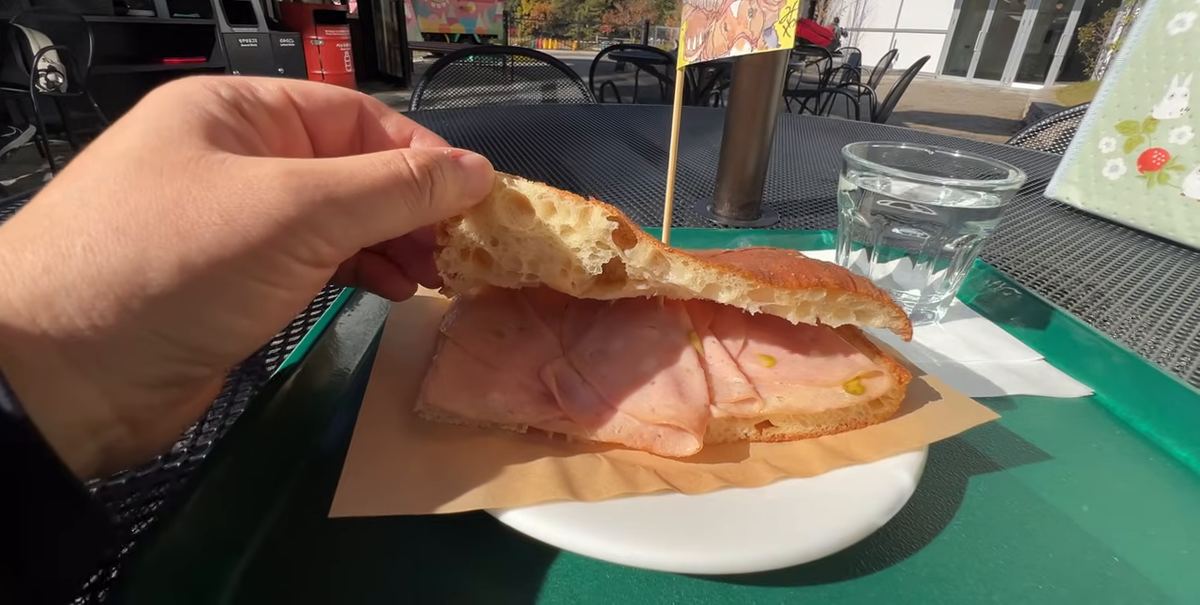
Including lunch, I stayed in the Grand Warehouse for about two hours. There was only one spot I didn’t see, because there was a long line. I thought every area would be this big and I wanted to save time, but that was a mistake. Only two of the five areas are big like this, and I would have had time to wait.
Valley of Witches
Outside the Ghibli areas, everything is a regular park, so you can walk around and eat without any ticket. There is even a Mos Burger. From the Grand Warehouse it is about a five-minute walk to the entrance of Valley of Witches, and there was a line there too. The park sits in nature, and on this beautiful autumn day the trees were full of color.
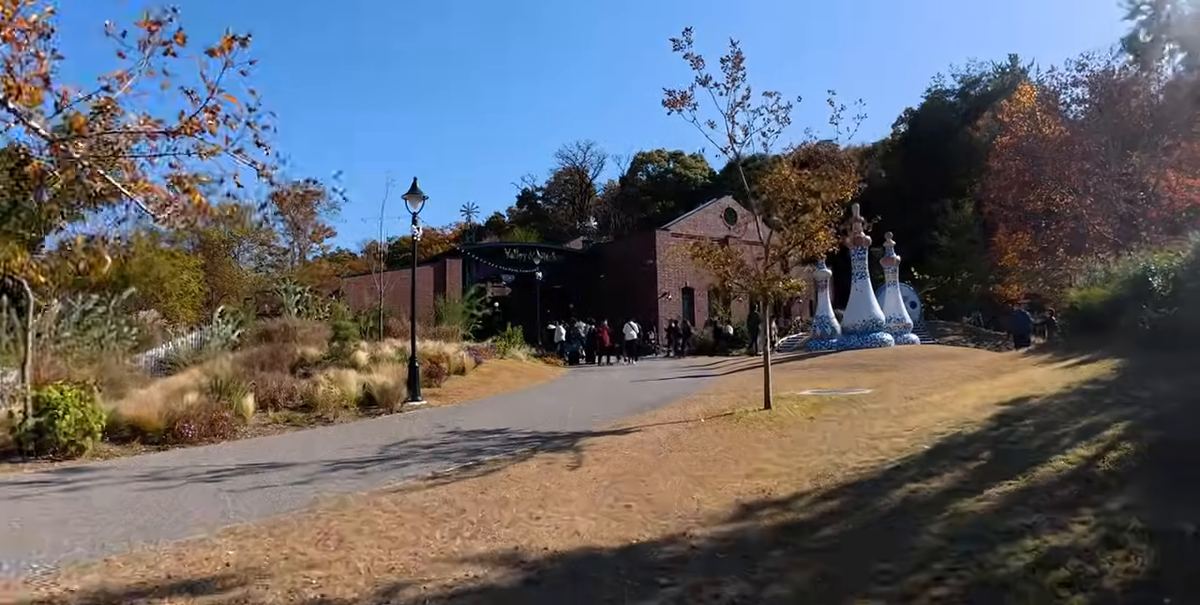
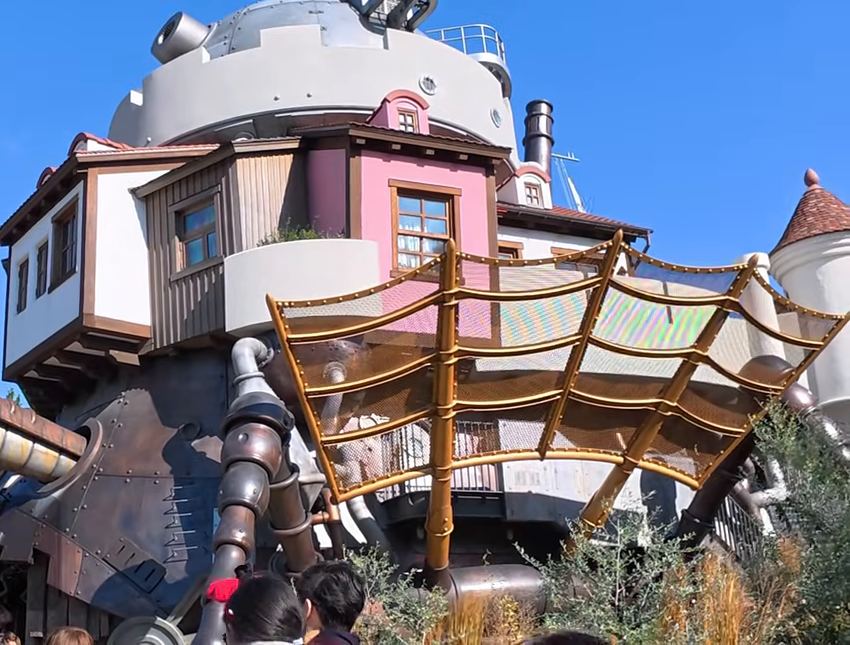
Valley of Witches has two rides with their own fee and three character houses you can go inside. The Premium pass covers all three houses, while with the Standard pass you need to buy a separate same-day ticket for each house. On the day I visited, the tickets for Howl’s Castle were already sold out, so I could only see it from the outside. Even from the outside, it is very well done.
I went into the House of Witches. It is from a film I haven’t watched, so I didn’t get that excited at first, but it was interesting, like a real witch’s house. You can’t take photos inside, but the great part is that you can touch everything. Usually there are signs saying don’t touch, but here everyone was opening things and turning the pages of the books.
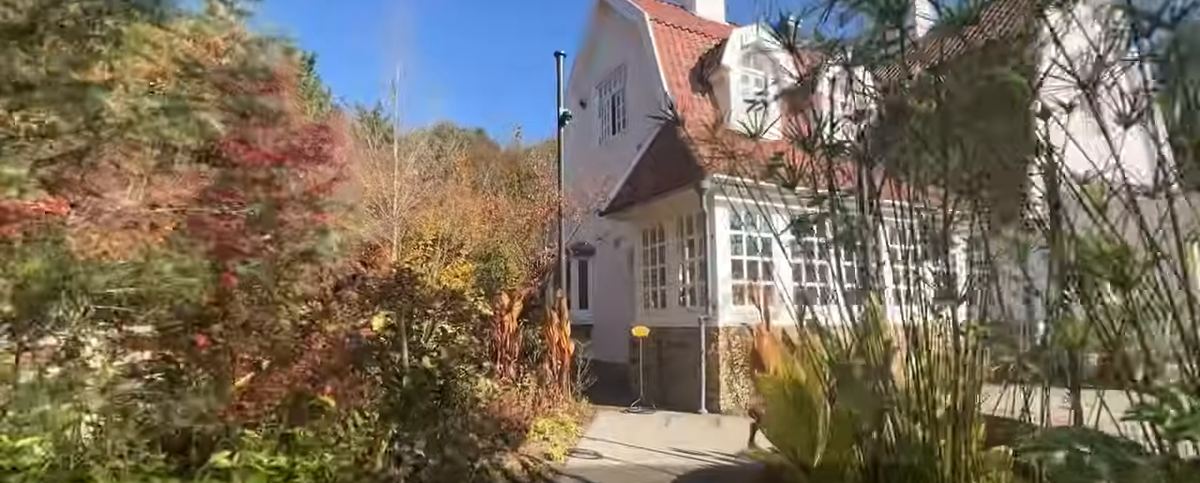
I also went into Okino Residence, the house where Kiki lived with her parents before she left home. Because you can’t take photos inside the houses, you don’t know what to expect until you enter, and that makes it more exciting. Unlike other theme parks, the experience here depends on the films, and if you like even one of them, I think you will have fun.
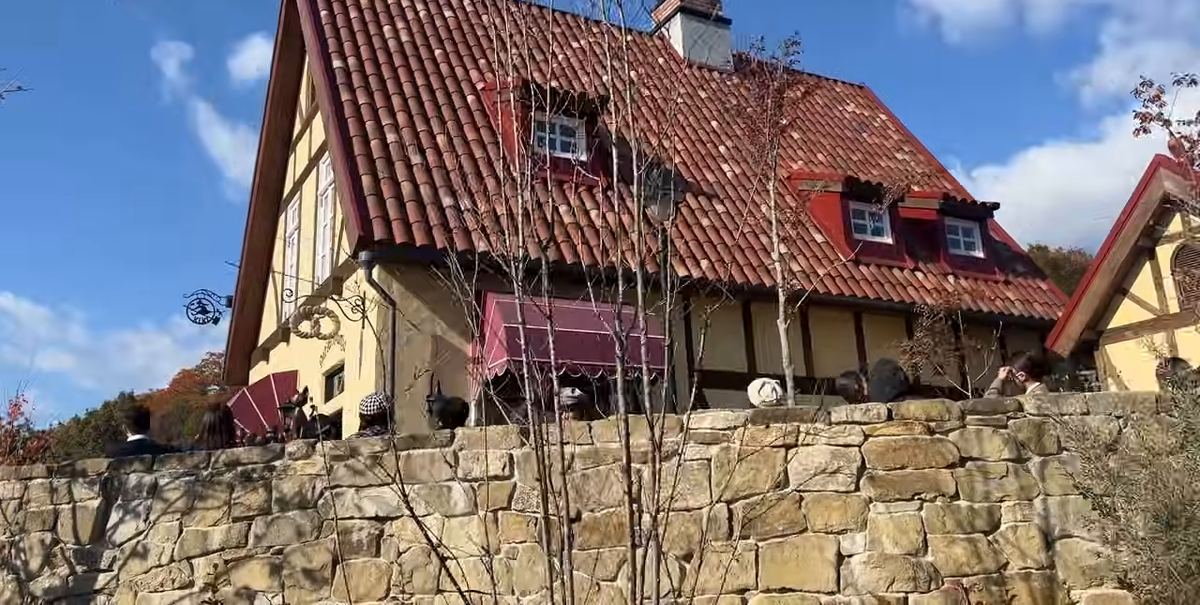
There was a long line for the bakery, and the restaurant had a line too when I passed by. Even with a Standard pass and no house tickets, just walking around and enjoying the atmosphere is fun. Then I found a small free cable car going up the hill to a lookout over the valley. You can ride it without a Ghibli Park ticket, and the view was so nice.
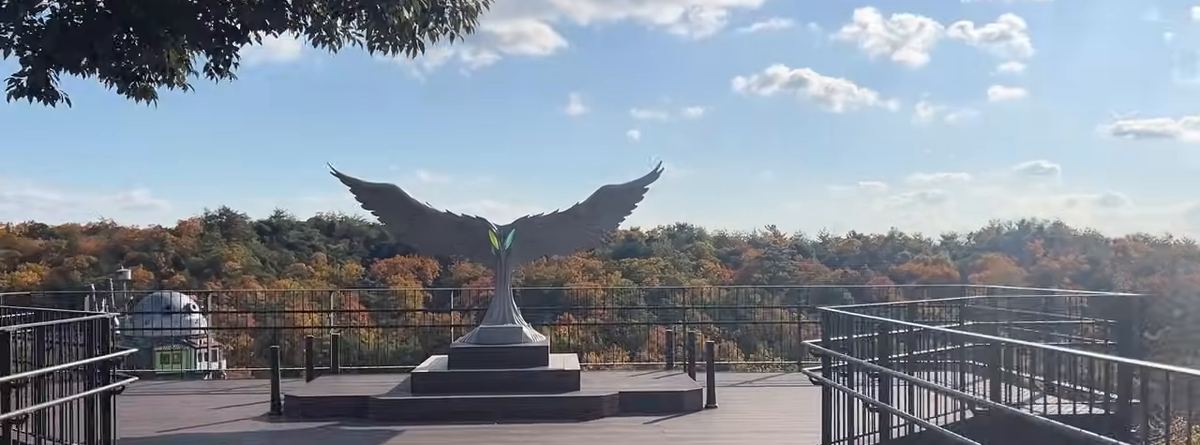
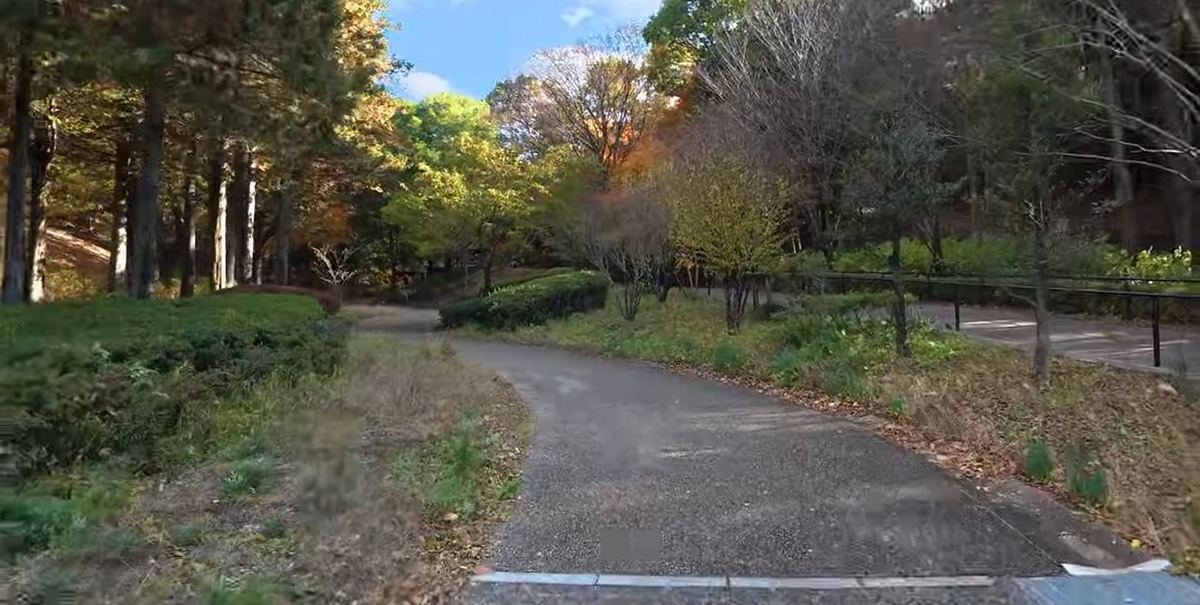
Walking to Dondoko Forest
Dondoko Forest, the area of My Neighbor Totoro, is a bit far from the other areas, and the park map makes it look closer than it is. If you have mobility issues or worry about walking long distances, there is a free bus inside the park. I decided to walk, and it took about 15 to 20 minutes through the forest. It was a really nice walk.
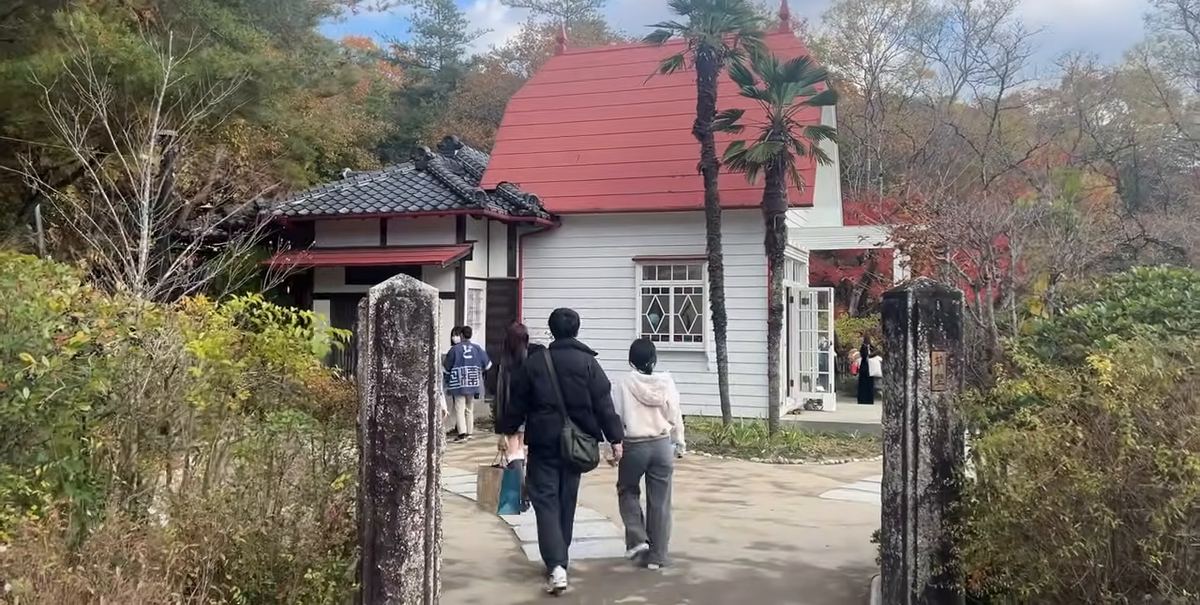
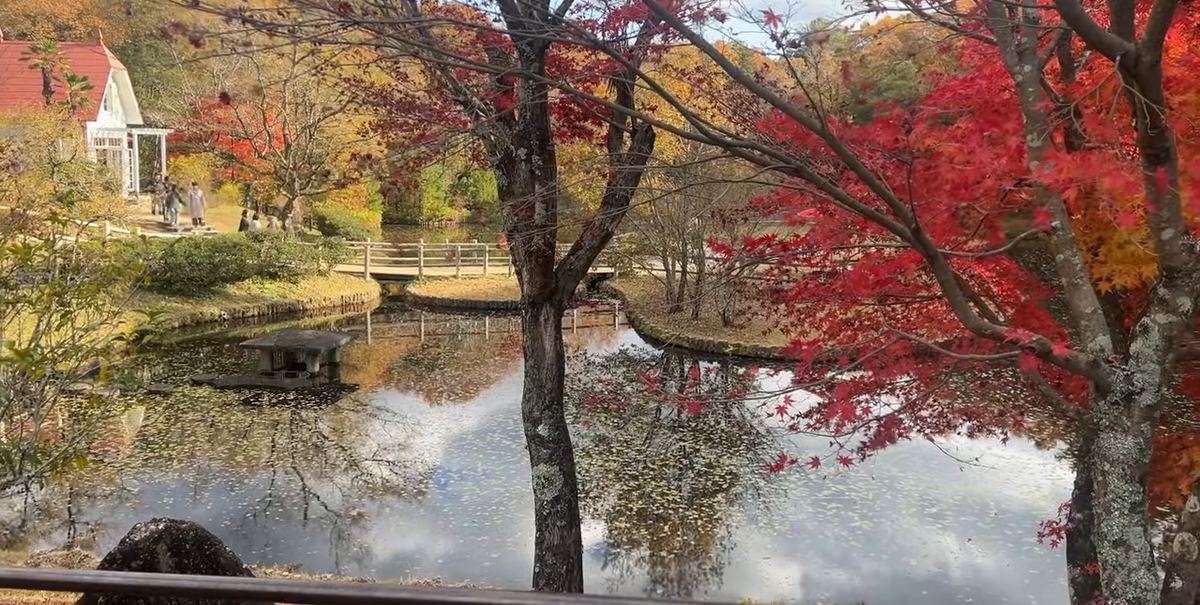
At the end of the walk is Satsuki and Mei’s House from My Neighbor Totoro, a house in the old Japanese and Western mixed style. The Ghibli part of this area is only the house and one small shop, so it is much smaller than the two areas I had seen. But it is surrounded by a beautiful Japanese garden, worth the walk even without a ticket.
If you don’t want to get tired, or if you visit on a hot summer day or in the rain, I think it is better to take the bus. The bus to Dondoko Forest comes about every 20 minutes and there is no timetable, so I had to be a little patient when I waited for it.
Mononoke Village and Hill of Youth
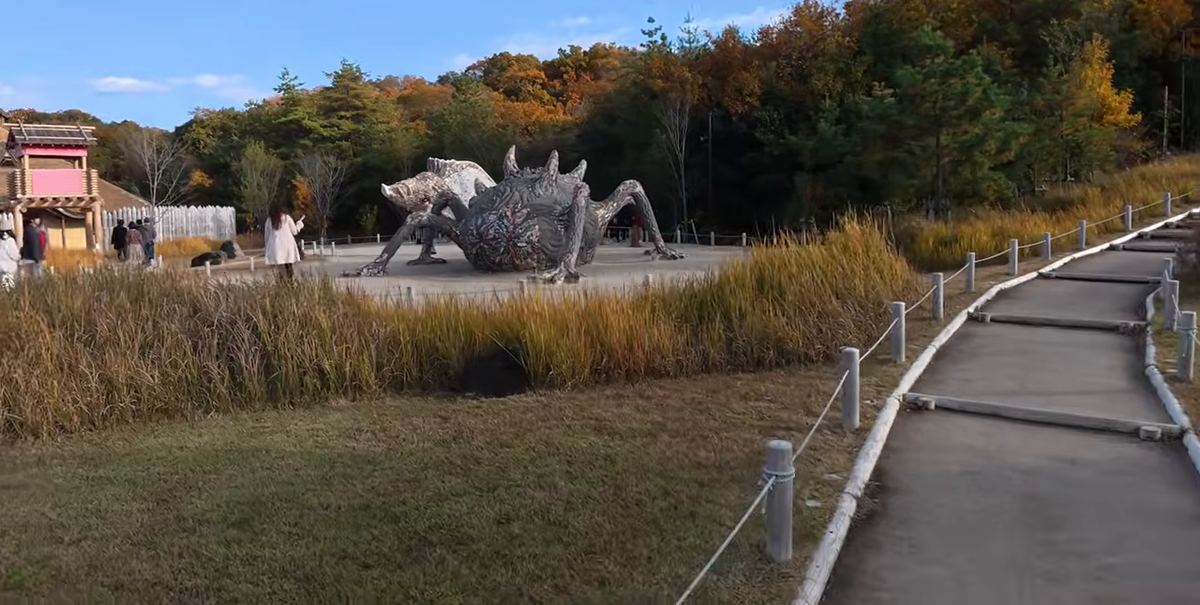
After that, I saw Mononoke Village from Princess Mononoke. There are two big sculptures of characters from the film, Lord Okkoto and the Demon Spirit, and Tatara-ba, where you can try grilling gohei-mochi, a countryside snack from this region. The workshop has its own fee, which is on the official Mononoke Village page.
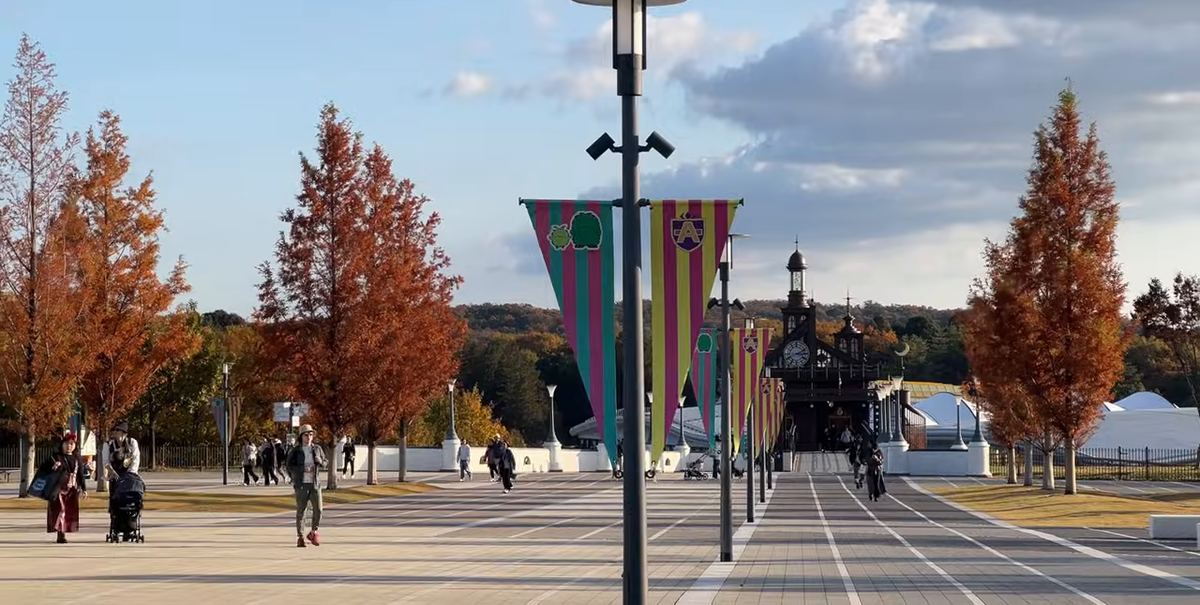
My last stop was Hill of Youth, from Whisper of the Heart. The setting of the film is actually a suburb of Tokyo. During the day there were lots of people around here, but it sits next to the regular park, and by late afternoon everyone was gone. The three smaller areas really didn’t need much time, so I could easily see them all.
How Long You Need and What I Would Do Differently
There are five areas in Ghibli Park, but they are not the same size. Only Ghibli’s Grand Warehouse and Valley of Witches are big, and each takes two to three hours, especially if you shop and eat there. Those two are also the only areas with big restaurants and souvenir shops. The other three, Dondoko Forest, Mononoke Village and Hill of Youth, probably need only 10 to 30 minutes each.
My mistake was that I didn’t know the sizes. I rushed through the two big areas, and I think it would have been better to spend more time on the details there. I also skipped the No Face photo spot in the Grand Warehouse. I was by myself with no one to take my photo, so if you go with someone, I think it is more fun to line up for it.
Ghibli Park Tickets and Opening Days
You can’t buy tickets at the park. They go on sale on the 10th of each month at 2 p.m. Japan time, for the month two months later. For example, tickets for January go on sale on November 10th. From overseas you can buy them through the links on the official ticket page, including Klook, which is one of the official sellers.
There are two passes. The Standard pass covers Ghibli’s Grand Warehouse, Valley of Witches and Mononoke Village, and is 3,300 yen for adults on weekdays and 3,800 yen on weekends and holidays. The Premium pass covers all five areas and all the buildings, including the three houses in Valley of Witches, and is 7,300 yen on weekdays and 7,800 yen on weekends and holidays.
With the Standard pass, the same-day tickets for the houses in Valley of Witches are 400 yen for Okino Residence and the House of Witches and 1,000 yen for Howl’s Castle, and they can sell out. If entering Howl’s Castle is a must for you, I think the Premium pass is the safer choice.
The park opens at 10 a.m. on weekdays and 9 a.m. on weekends and holidays, and closes at 5 p.m. The park is usually closed on Tuesdays, plus a few longer breaks such as early December and the New Year, so check the official calendar before you plan.
Only the Grand Warehouse has an entry time, which you choose when you book, and the other areas can be entered any time until 4:30 p.m. The person whose name is on the ticket must be there when your group enters, and you may be asked for ID, so bring your passport.
Questions I Often Get in the Comments
When do Ghibli Park tickets go on sale?
On the 10th of each month at 2 p.m. Japan time, for visits two months later. Tickets for February go on sale on December 10th, and tickets for March on January 10th. For the US East Coast, 2 p.m. in Japan is midnight in winter. I know it is hard to plan that far ahead.
Should I choose Ghibli Park or the Ghibli Museum in Tokyo?
I have been to both, and there is a lot more to see at Ghibli Park, so if you are visiting Nagoya anyway, I think it is a great idea. The Ghibli Museum in Mitaka is much easier to fit into a Tokyo trip, though. Its tickets go on sale on the 10th at 10 a.m. for the following month, which is confusing. The museum’s dates are on its official ticket page.
What did you miss in the Grand Warehouse?
I missed the spot where you can take a photo with No Face. It was the only place in the Grand Warehouse with a long line, and since it was my first stop of the day, I thought I didn’t have time. Later I found out that three of the five areas are much smaller, so I actually could have waited. If it matters to you, line up for it.
Is it worth going if I haven’t seen many Ghibli films?
This park is all about the films, so it depends on you. If you like even one of the films, I think it is a fun place, and the walk through the big park in autumn was beautiful. But if you have only seen a few and your time in Nagoya is short, there are many other great places to visit in the city.
General tourist information: The places below are not covered in the visit described in this article. Hours and prices can change, so check the official pages before you go.
World Emporium and Satsuki and Mei’s House interiors. The insides of World Emporium in Hill of Youth and Satsuki and Mei’s House in Dondoko Forest are included with the Premium pass (7,300 yen adults on weekdays). Details are on the official Hill of Youth and Dondoko Forest pages.
Higashiyama Zoo and Botanical Gardens. A large zoo and botanical garden in Nagoya, next to Higashiyama Koen Station on the same Higashiyama Line you take toward Fujigaoka. Adult admission is 500 yen; it is closed on Mondays. Details are on the official English site.
Other hotels near Nagoya Station: Ghibli Park is an easy day trip from Nagoya. These are well-known hotels at or next to the station, listed for convenience.
Nagoya Marriott Associa Hotel, directly above JR Nagoya Station.
Nagoya JR Gate Tower Hotel, in the JR Gate Tower, connected to the station.
Meitetsu Grand Hotel, next to Meitetsu Nagoya Station and the Meitetsu Bus Center.
Nagoya Prince Hotel Sky Tower, a short walk from the Taiko-dori side of Nagoya Station.
Daiwa Roynet Hotel Nagoya Station, a few minutes’ walk from the station.
Where to next
Ghibli Park is an easy day trip from Nagoya, so it fits well into a few days in the city or a stop between Tokyo and Kyoto. If you are planning the rest of your trip, these are the guides I would read next.
- Nagoya Travel Guide: Atsuta Jingu, miso katsu in Osu, the Toyota museum and Inuyama Castle.
- Kichijoji Travel Guide: an afternoon in the Tokyo neighborhood near the Ghibli Museum.
- How to Ride the Shinkansen: tickets and luggage if you are coming to Nagoya by bullet train.