This post contains affiliate links. If you book through them, I may earn a small commission at no extra cost to you. Learn more.
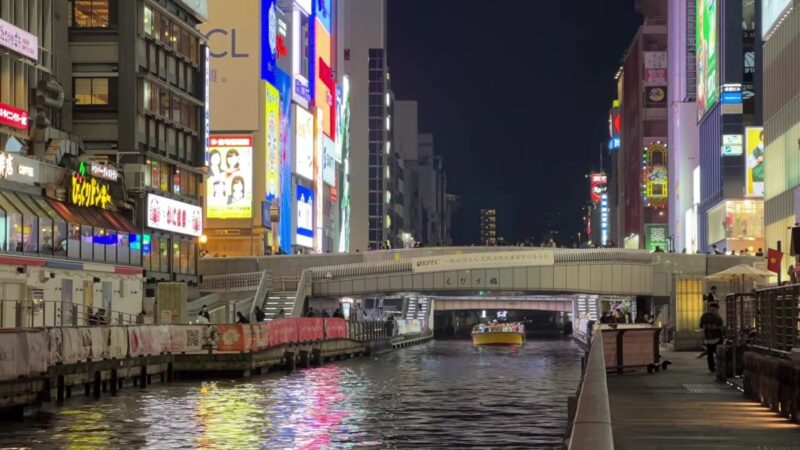
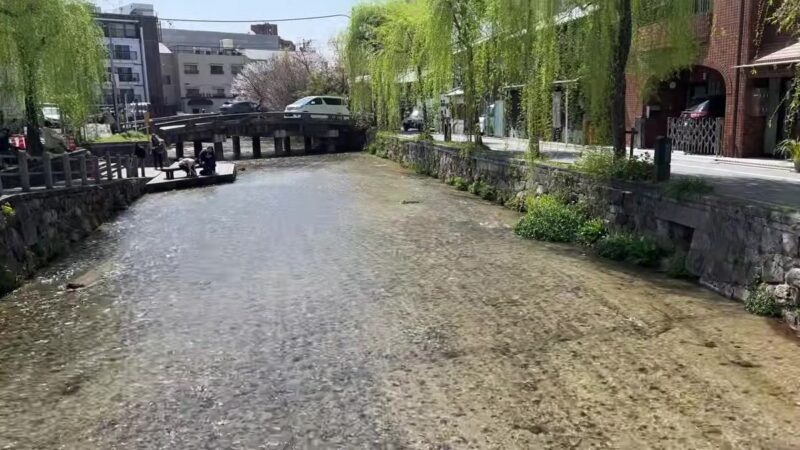
Nagoya is known as a city sandwiched between Tokyo and Osaka and Kyoto, a place many people simply pass through. This isn’t only said by foreign tourists. People say it in Japan too. So many people go through Nagoya without ever getting off, and that’s exactly why I decided to get off.
As a place to change trains, Nagoya is the best. Trains leave from here in every direction, including the Kintetsu limited express to Ise, and the lines toward Takayama and the Kiso Valley. But what is the city itself like once you step out of the station?
To find some of the charm that isn’t well known yet, this time I explored Nagoya city and went out to Inuyama. I’ll write about Ghibli Park in a separate article.
Map of Nagoya Station
Getting to Nagoya and Around the City
Nagoya is the third largest metropolitan area in Japan and a major manufacturing hub, home of Toyota. It sits in central Japan on the Pacific side, and the weather is close to Tokyo’s, with hot summers and a little snow some winters. It is also in a great location for exploring the rest of central Japan, so a short city break fits in easily.
All Tokaido Shinkansen trains stop at Nagoya, and the Nozomi takes about 1 hour 40 minutes from Tokyo. A reserved seat is 11,300 yen one way on the regular fare, and the JR Central Nozomi page has the details. If you haven’t taken the Shinkansen before, my guide to riding the Shinkansen covers the basics, and you can book tickets through Klook.
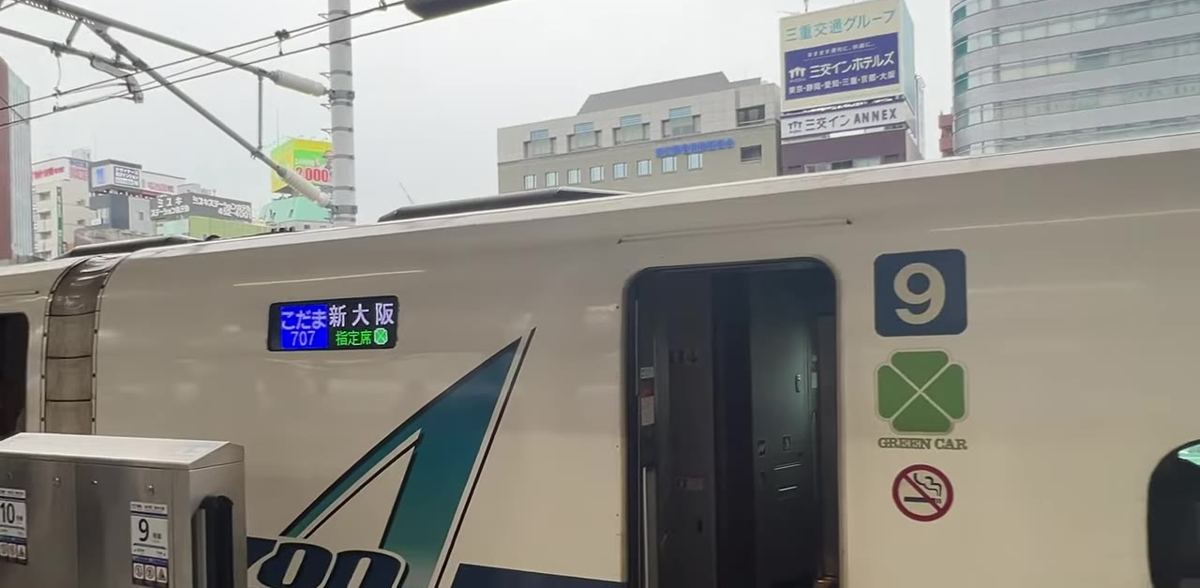
The train only stops for about a minute, so be ready at the door and don’t forget to get off. I came out into a huge station with an overwhelming number of people. From here you can use subways, JR trains, Meitetsu trains, buses and taxis, and the four subway lines tourists use most are Higashiyama, Sakura-dori, Tsurumai and Meijo.
Any transportation IC card works on Nagoya’s trains and buses, including Apple Pay Suica and Welcome Suica. The local cards are manaca and TOICA. There are also one-day and 24-hour passes for the subway and buses if you plan to ride a lot, which you can check on the Visit Nagoya transportation page.
Hitsumabushi and Atsuta Jingu in the Rain
The forecast said rain, so I headed to Atsuta Jingu first. I took the Meitetsu line from Meitetsu Nagoya Station, which is a private railway with red trains I had never seen in other regions. Jingu-mae Station is the third stop, and the platforms at Meitetsu Nagoya are famously busy, because trains for many destinations share the same two.
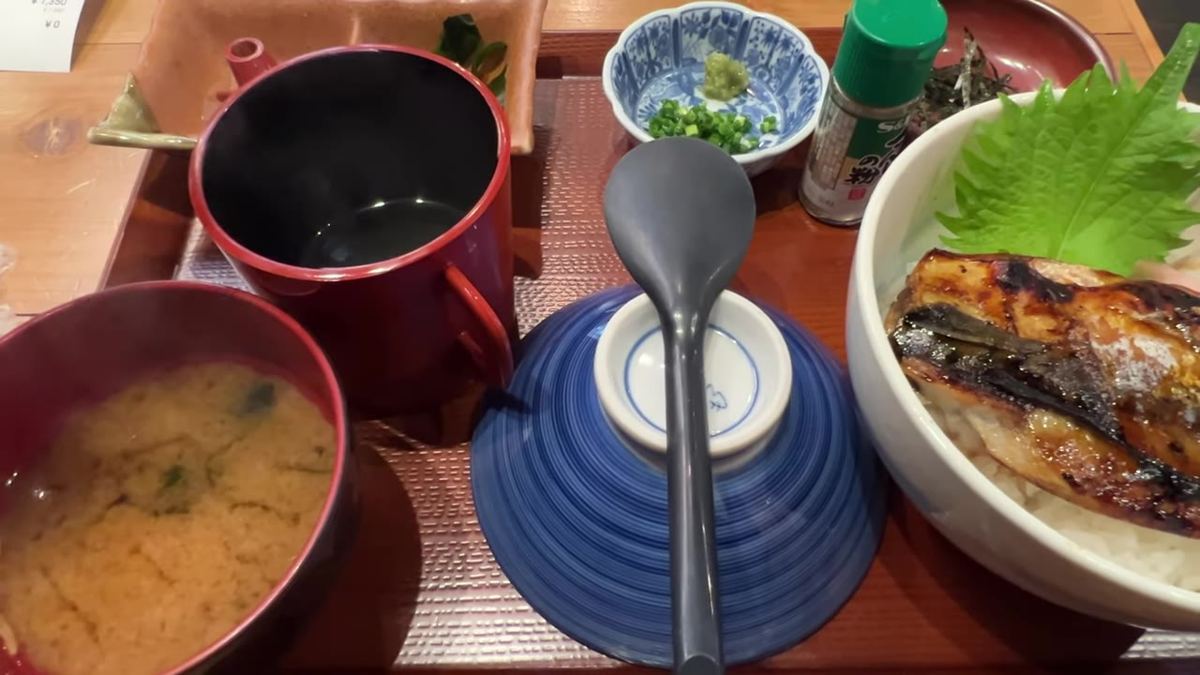
I got off at Jingu-mae and decided to eat while I waited for the rain to stop. There is a row of restaurants right outside the station, all focused on Nagoya food. I chose saba hitsumabushi, which isn’t really the traditional local dish, but it comes from Nagoya’s famous eel hitsumabushi. The mackerel was in a sweet sauce, and it was delicious, though you have to watch for bones.
The rain was still falling, so I waited in a local dango shop that grills the sticks after you order. The sweet bean paste was really good, and I was glad I stopped. In the end I bought an umbrella at a convenience store, and of course the rain stopped right after I did.
Atsuta Jingu is much more than a big shrine. It is tied to the origin of the Imperial family, and one of Japan’s three sacred treasures, the sword, is enshrined here. The mirror is at Ise Jingu and the jewel is in the Imperial Palace in Tokyo. The grounds are free to enter and open all day, according to the Aichi tourism page.
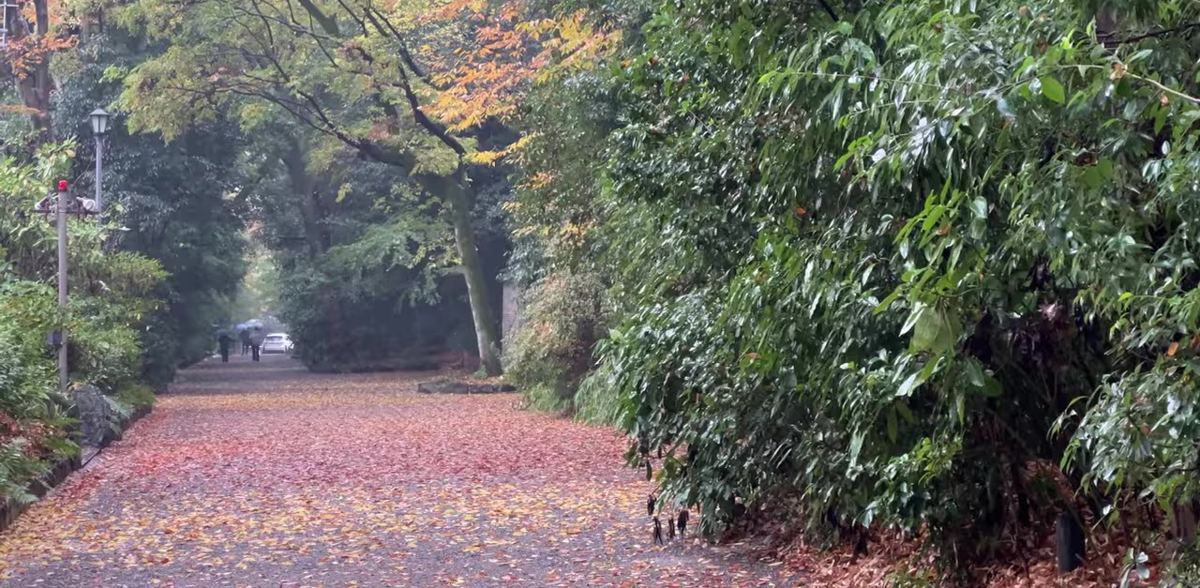
Walking the forest paths with fallen leaves and a quiet pond was a lovely way to spend a rainy afternoon. This was late November, and the shrine is a good place for autumn colors, with ginkgo and maple trees. The Visit Nagoya autumn leaves page lists Atsuta Jingu among the best spots from late November into early December.
Where I Stayed in Nagoya
For my first night I stayed near Fushimi Station, just one stop from Nagoya, where many hotels gather, including Hilton and Courtyard by Marriott. I chose Del Style by Daiwa Roynet Hotel Nagoya Nayabashi, a brand-new hotel from a chain popular with business travelers. The rooms are tiny and seem aimed at younger travelers, but I saw both Japanese businessmen and international guests.
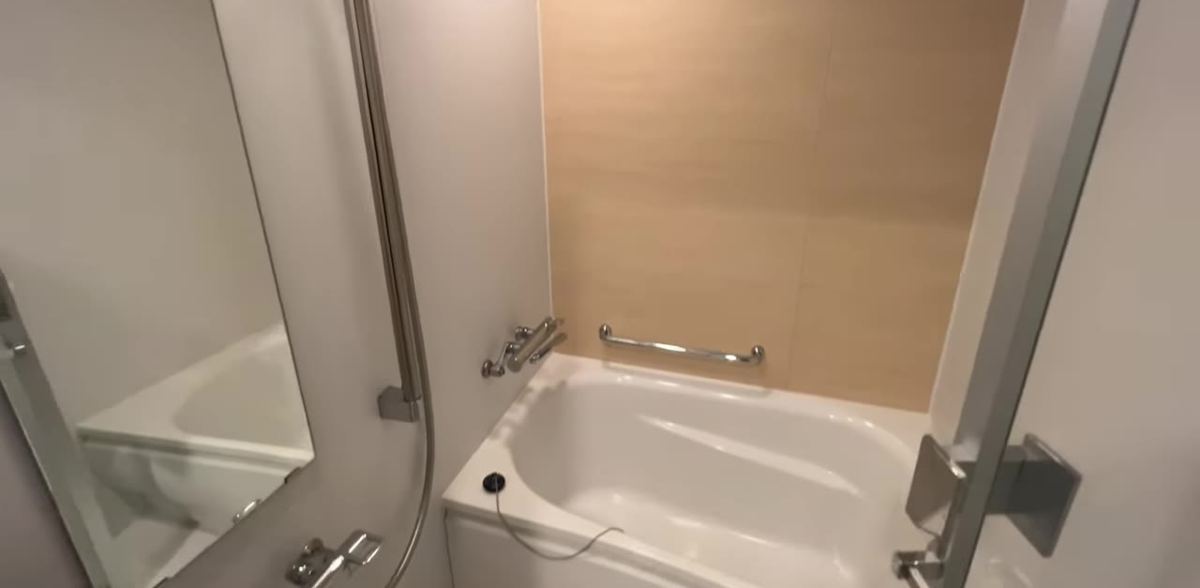
What I liked was how much space the hotel gave to the bathroom. There was a real bathtub in the room, so I skipped the public bath, which the hotel also has. For me, the bathtub made the small room feel comfortable after a rainy day of walking. Subway rush hour in Nagoya can be as intense as Tokyo’s, so if you travel in the morning or evening rush, there are plenty of taxis on the streets.
Most of Nagoya’s hotels are around Nagoya Station, Fushimi and Sakae, and the subway connects them with only one stop in between. Staying near the station is the easiest with big luggage, while Sakae feels more like a city center with shops to explore. I think the distance from the nearest station matters more than the area. You can compare places on this Nagoya hotel search.
Sunset at Mirai Tower
Before sunset I walked from the hotel to Mirai Tower in the Sakae area, where you can look over the city center. On the way I passed through Nishiki, a quiet area at that time of day, and came out at Sakae Station to the huge street where the tower stands.
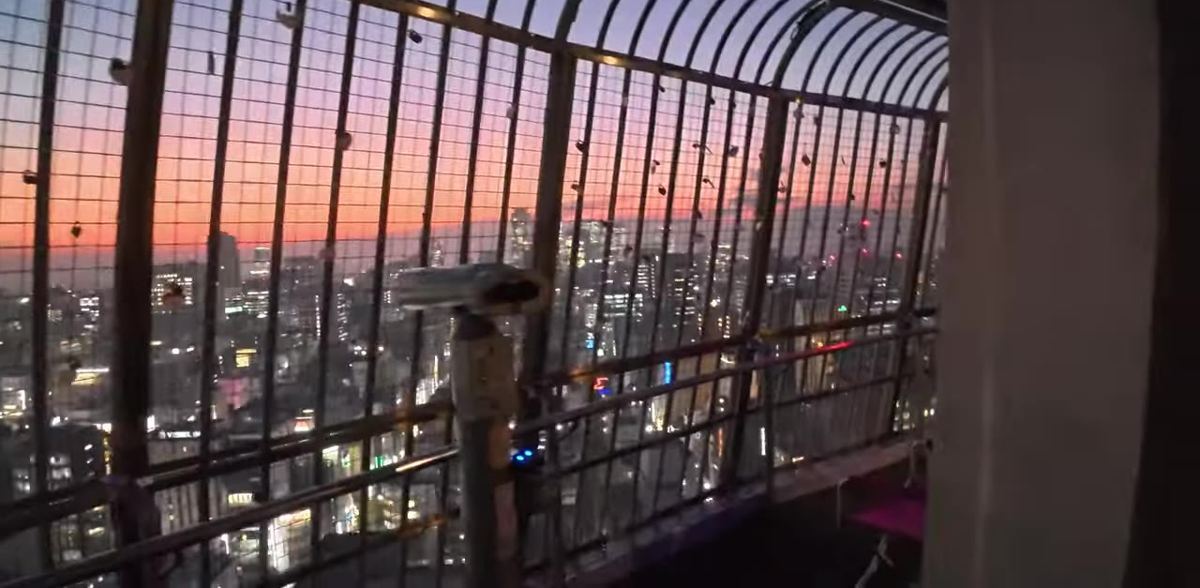
The best part was that the tower was almost empty, with only me and a few other people. You can go out onto the rooftop balcony, and it felt great to stand there and feel the outside air. There were lots of padlocks on the fences too.
The tower is run as the Chubu Electric Power Mirai Tower, and adult admission is 1,300 yen. In winter the hours are split into a daytime session and an evening session during the light show, so check the official site before you go.
Osu and Miso Katsu at Yabaton
After the tower, I wanted to see Osu, a district with a long shopping street. There is a subway, but I wanted to see the city, so I took a city bus from near the tower, which took about 15 minutes. At Osu I picked up a map, because it is a huge area with shopping arcades running in several directions.
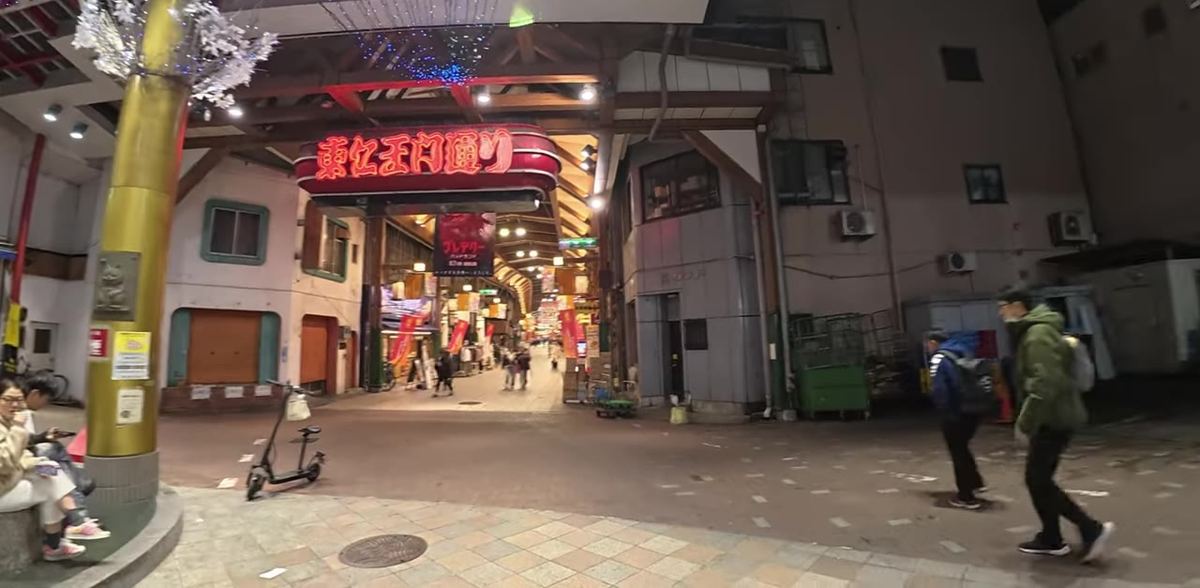
I followed the map toward a big cat statue first, then planned to visit the temple on the left side of the map. Another arcade I hadn’t walked yet had even more places to eat. The Osu Shopping District has around 1,200 shops, and hours differ by shop. Many were closing when I was there in the evening, so come earlier to enjoy it more.
For dinner I wanted miso katsu, a Nagoya specialty of pork cutlet covered in the city’s red miso. I chose Yabaton, the most famous name, at its head store in Osu, because it was the easiest place to enter when eating alone. The Yabacho head store is open daily from 11:00 a.m. to 9:00 p.m., according to the official page.
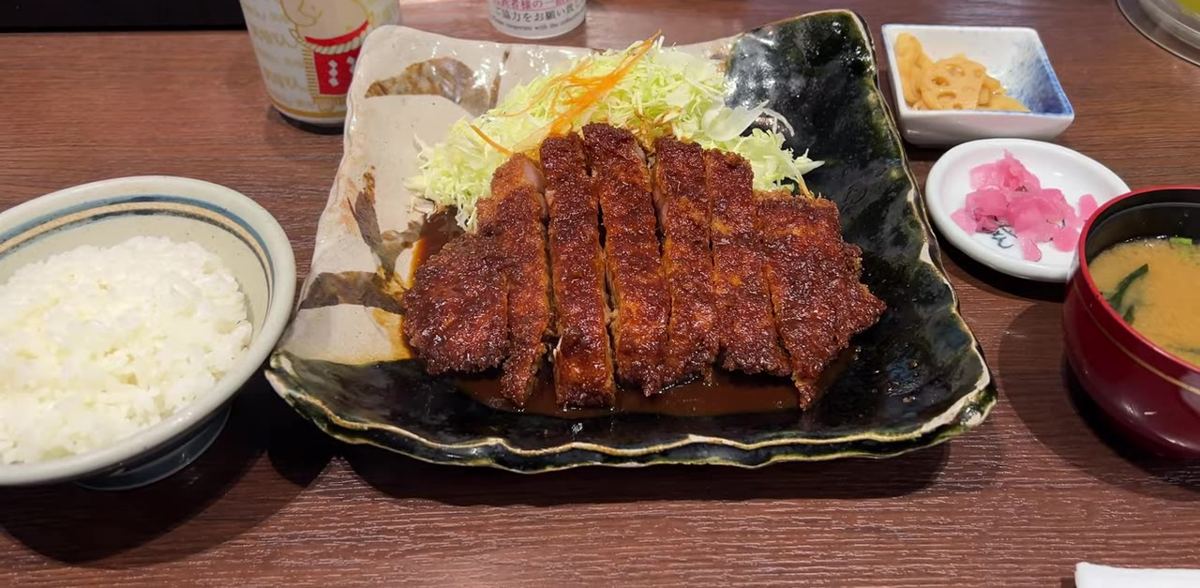
The taste was very light. The miso wasn’t as deep as I expected, so if you love red miso like I do, it might feel a little unsatisfying, but I still enjoyed it. After dinner I walked to Osu Kannon Temple. I couldn’t see much at night, but the temple is free to enter and the main hall is open from early morning until evening.
The Toyota Automobile Museum
The symbol of this region is Toyota, so the next day I went to the Toyota Automobile Museum. It is only a few minutes’ walk from Geidai-dori Station on the Linimo line, and from the entrance I could see lots of cars. There are two Toyota museums in the Nagoya area, and this is the one about the history of cars rather than car parts and car functions.
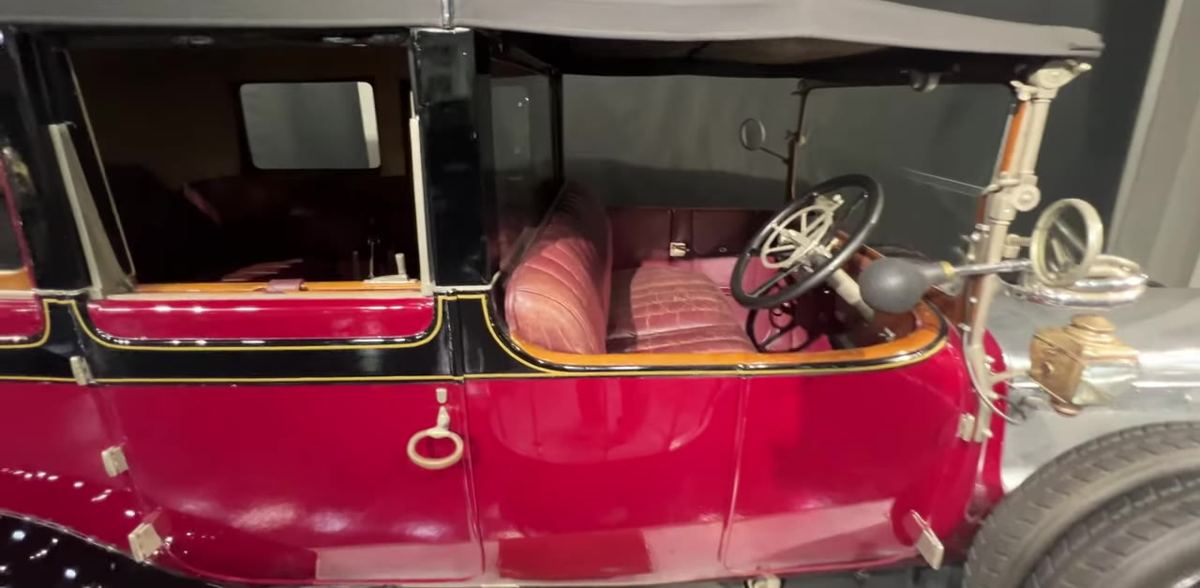
The museum covers cars from all over the world and all of Japan, not only Toyota. The displays follow the history of about ten Japanese car makers and how they became what they are now. I saw a Corolla, a Honda N360, a Datsun Fairlady, a Toyota Soarer, a Honda NSX and a Lexus LFA.
It was a fun museum with surprisingly many things to see, and I recommend it even if you’re not that into cars. The official site lists adult admission at 1,200 yen, with hours of 9:30 a.m. to 5:00 p.m. and closing on Mondays, and the access page shows the Linimo route.
A Second Night Near Nagoya Station
I went back to Nagoya Station, which was so crowded it felt even worse than Tokyo. I had one more night and no hotel booked, so I took an old-fashioned, inexpensive business hotel very close to the station. It is not the nicest area, with some drinking bars, but it was convenient, and it took only a few minutes to reach the Shinkansen.
Walking around the hotel, I found a gluten-free restaurant and decided to try Nagoya’s fried shrimp there. Everything was fried with rice flour, and they also had gluten-free udon, sukiyaki, miso katsu and tempura. The miso soup was Nagoya’s red miso, the whole meal was very good, and I saw other international visitors there too.
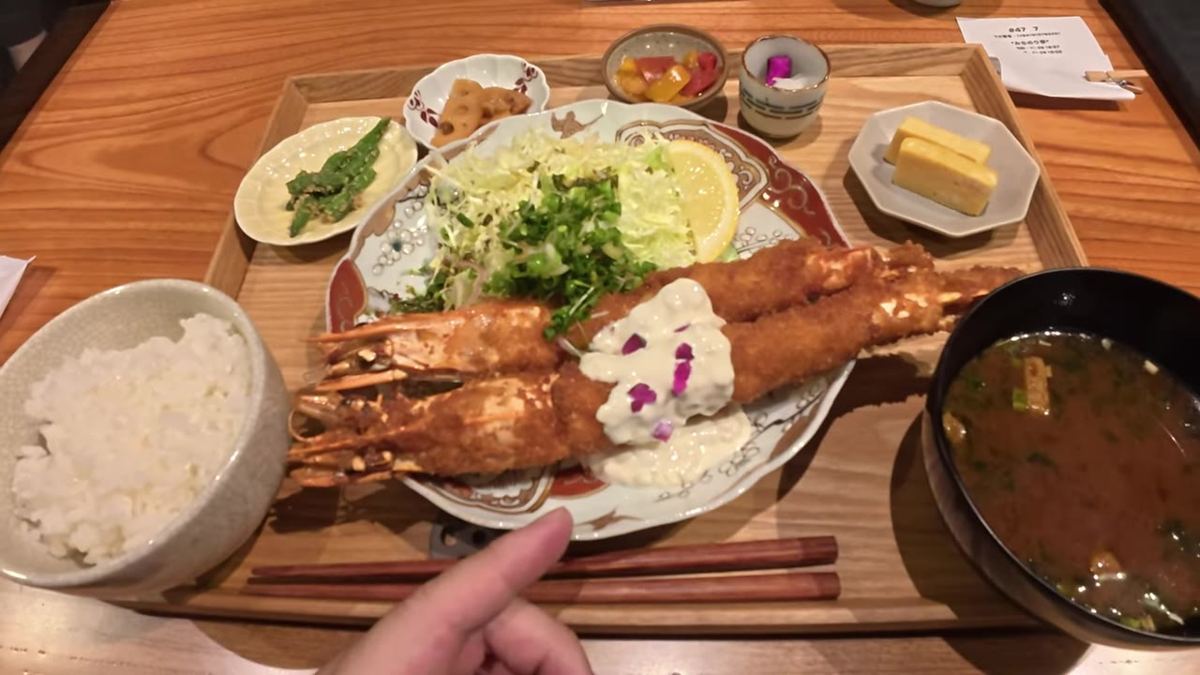
The room was clean and nice, and breakfast was included. It was a small breakfast, but there were plenty of drinks and it kept me going until lunch. I enjoyed looking out at the street while I ate, and it felt like going back to the old days. When I left the hotel, I could see the Shinkansen platform after a one-minute walk.
Inuyama Castle by the Kiso River
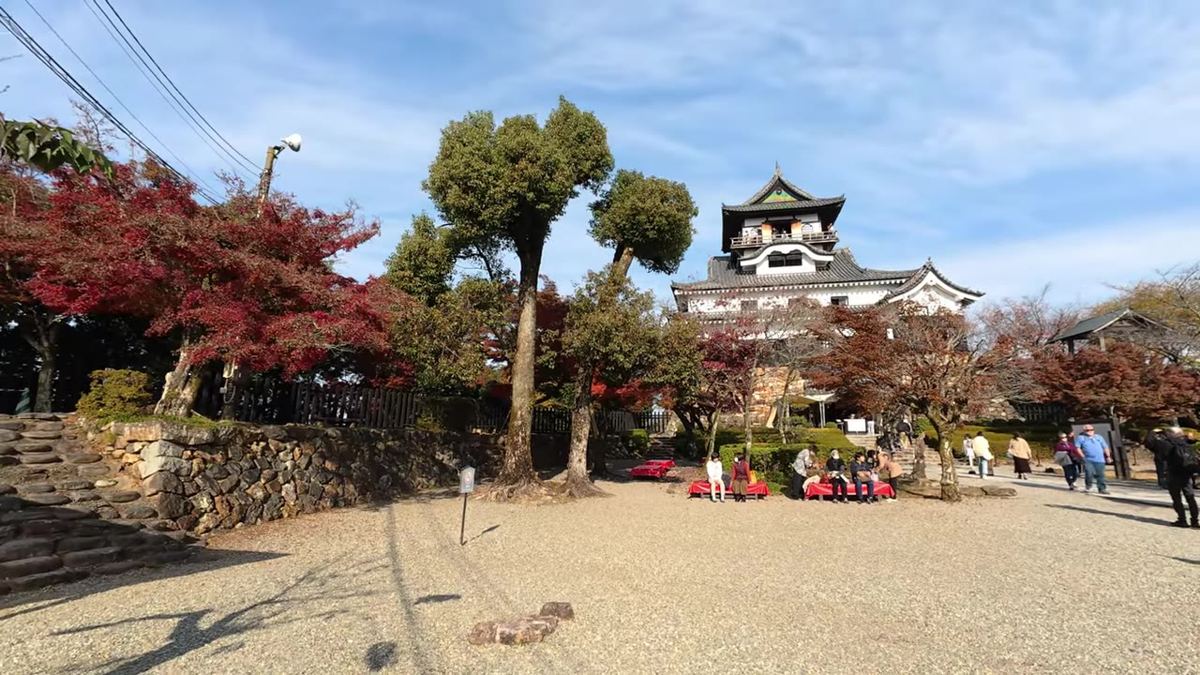
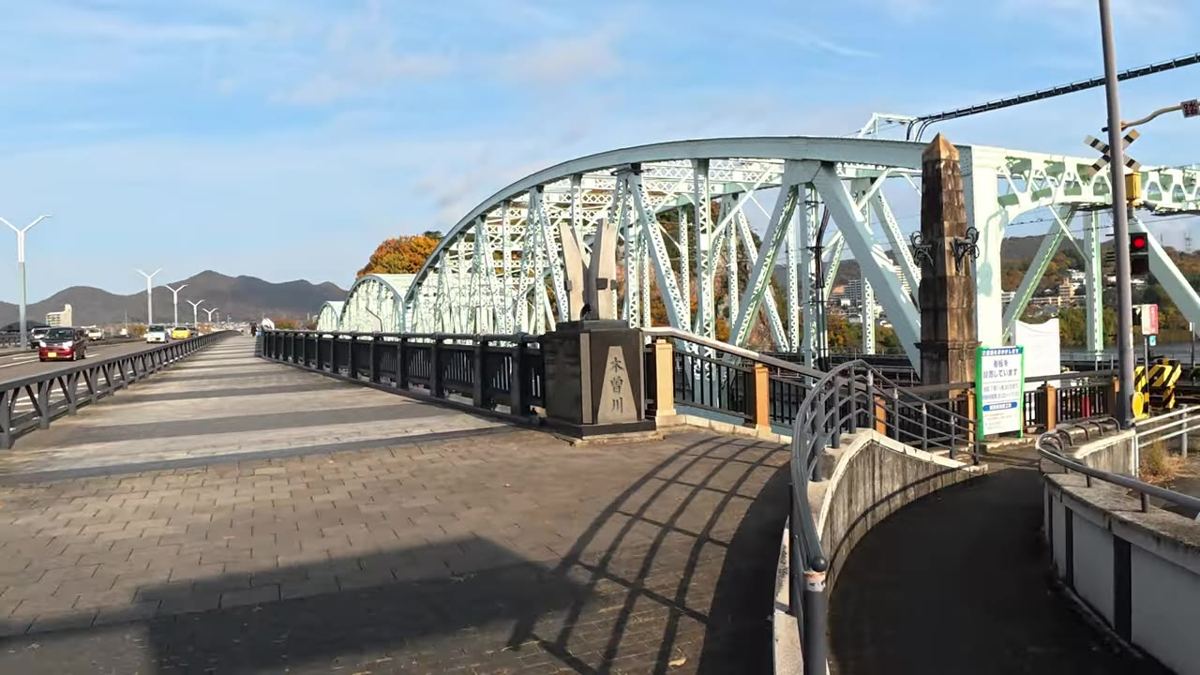
On my last day I went to Inuyama, less than 30 minutes from Nagoya on the Meitetsu line. After breakfast I got off at Inuyama-Yuen Station, and the first thing I saw was the Kiso River. Soon I could see Inuyama Castle on the hill, with people standing on the top floor. The walk through the old town toward the castle was very nice.
Many castles in Japan are rebuilt or replicas, and only twelve have an original keep where samurai once lived. Five of those are National Treasures, and Inuyama Castle is one of them. The climb is the real adventure, because the stairs inside are very steep, almost like a ladder.
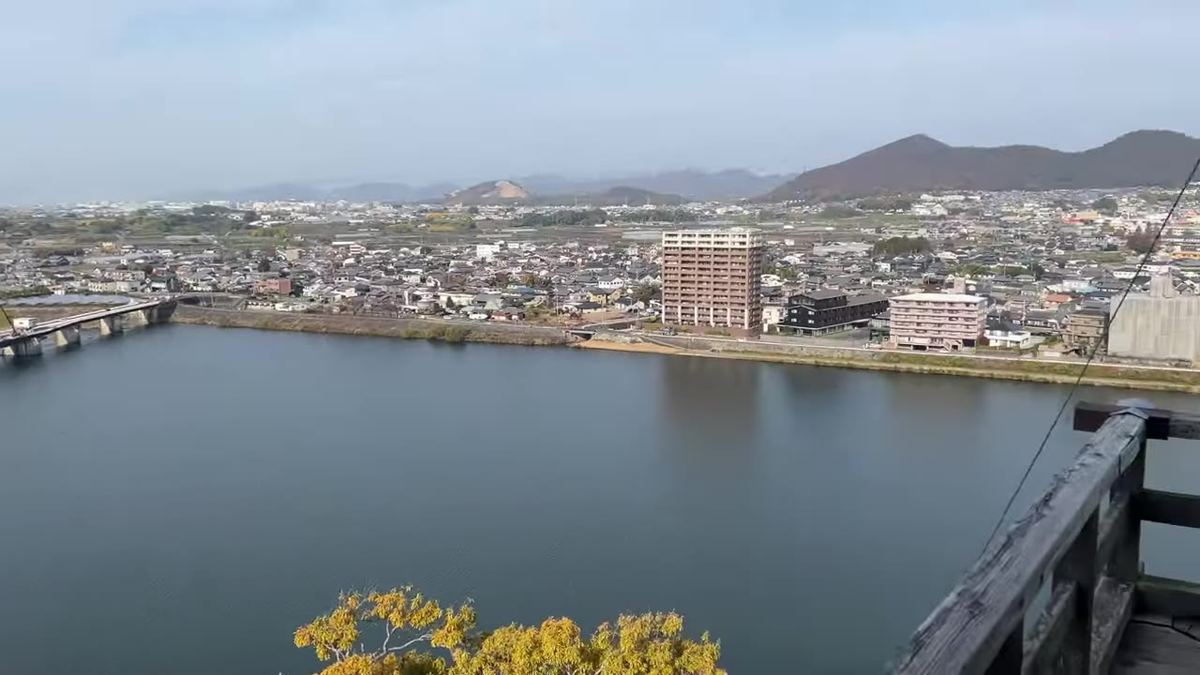
The reward is the view from the top. It was the same scene the samurai saw, with the Kiso River, the town and the mountains spreading out below. The castle doesn’t look that tall from the ground, but the view is completely different, and you can see why they built it here.
The official page lists adult admission at 1,000 yen, with hours from 9:00 a.m. to 5:00 p.m. and last entry at 4:30 p.m. You take off your shoes to go inside and carry them in a bag. The castle was built in 1537, and its keep is the oldest of the five National Treasure keeps.
Inuyama Old Town and the Monkey Center
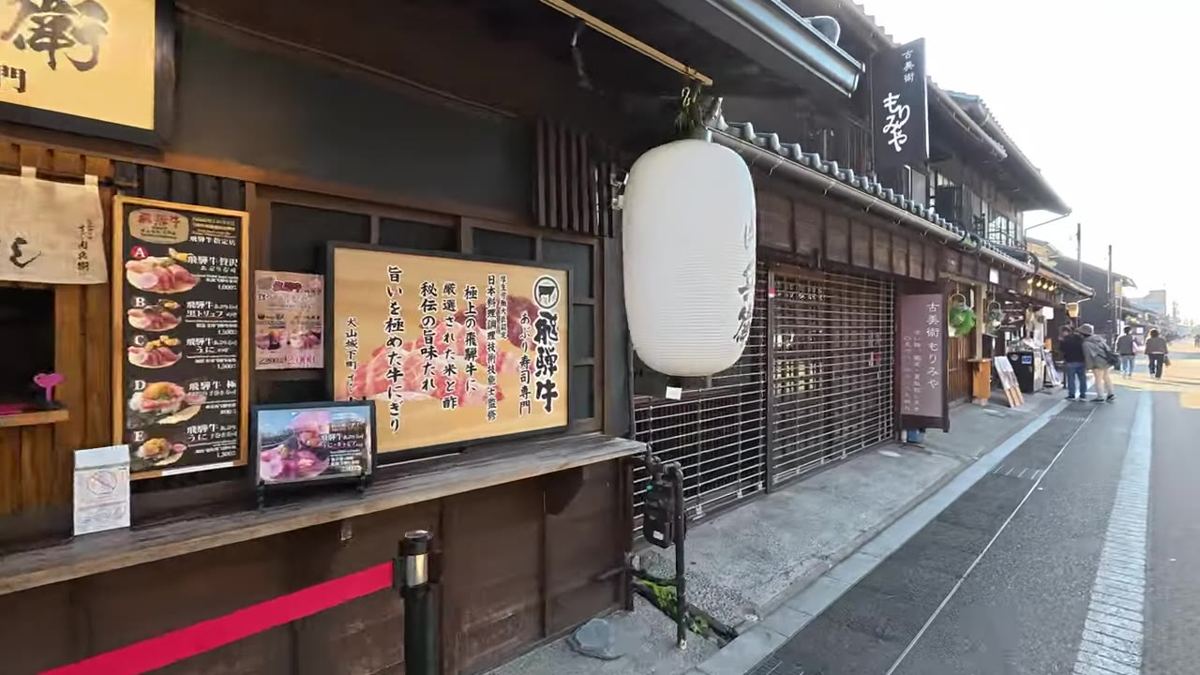
After the castle I explored the old town of Inuyama, where the street continues with lots of traditional-style buildings and several small museums. At one shop I was given a sample of a brown rice baumkuchen, which was really good and also gluten-free. I noticed more gluten-free food in Nagoya than I expected, maybe even more than in Tokyo.
A taxi passed by while I was walking near the castle, so I took it to the Japan Monkey Center. I thought it would be popular, but it seemed to be a minor destination, with only about ten other people inside. The driver wasn’t sure it was open, so I asked at the entrance, and it was. The official page says it is closed on Tuesdays and Wednesdays, with shorter hours from November to February.
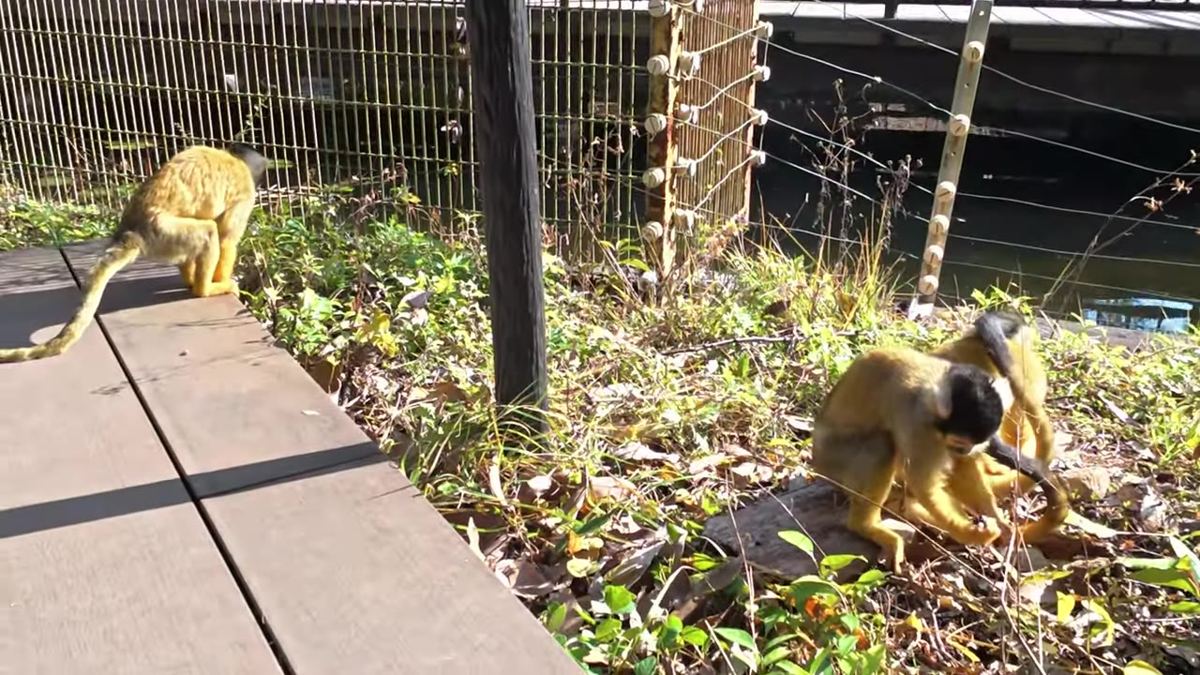
It is a zoo with lots of different kinds of monkeys, and it opened in 1956. Honestly, I felt a little abandoned, and my phone died, so I waited at the bus stop without knowing the time. The bus came right on time. I wouldn’t recommend it unless you really like monkeys or have a car. The official page lists a bus from Inuyama Station that may not run on some days, so check the timetable first.
Miso Nikomi Udon and Noritake Garden
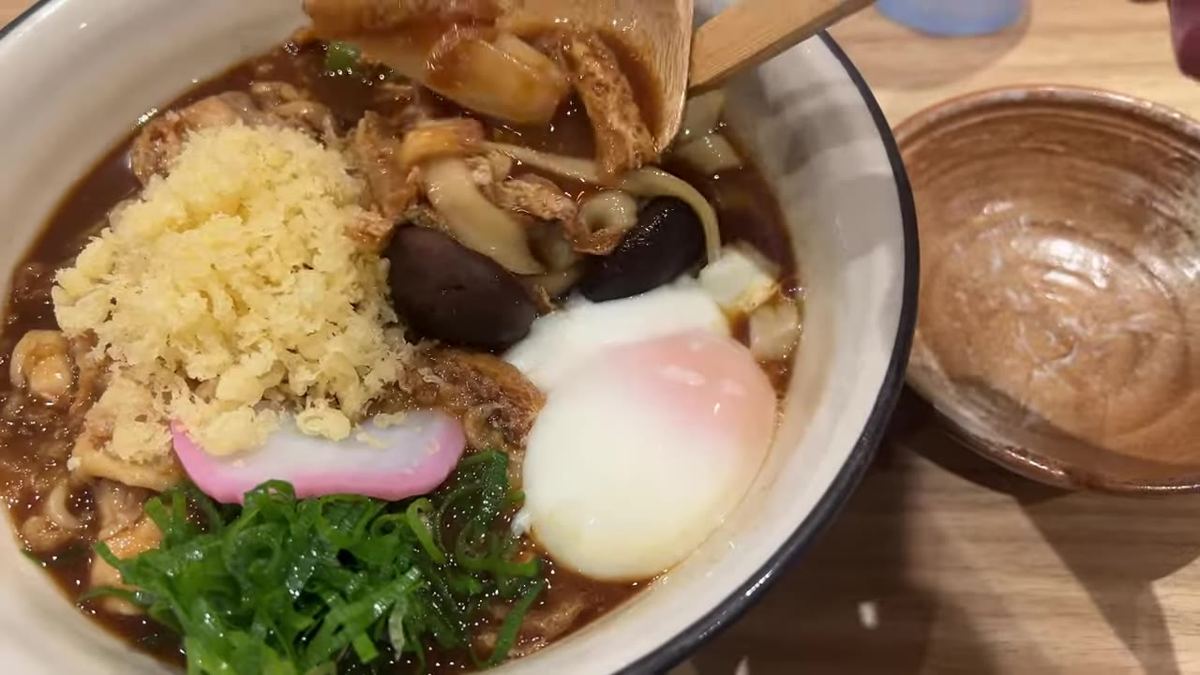
Back in Nagoya, I had miso nikomi udon before leaving. It was a very rich dish with a strong taste of red miso, and it was really satisfying for anyone who loves dark miso.
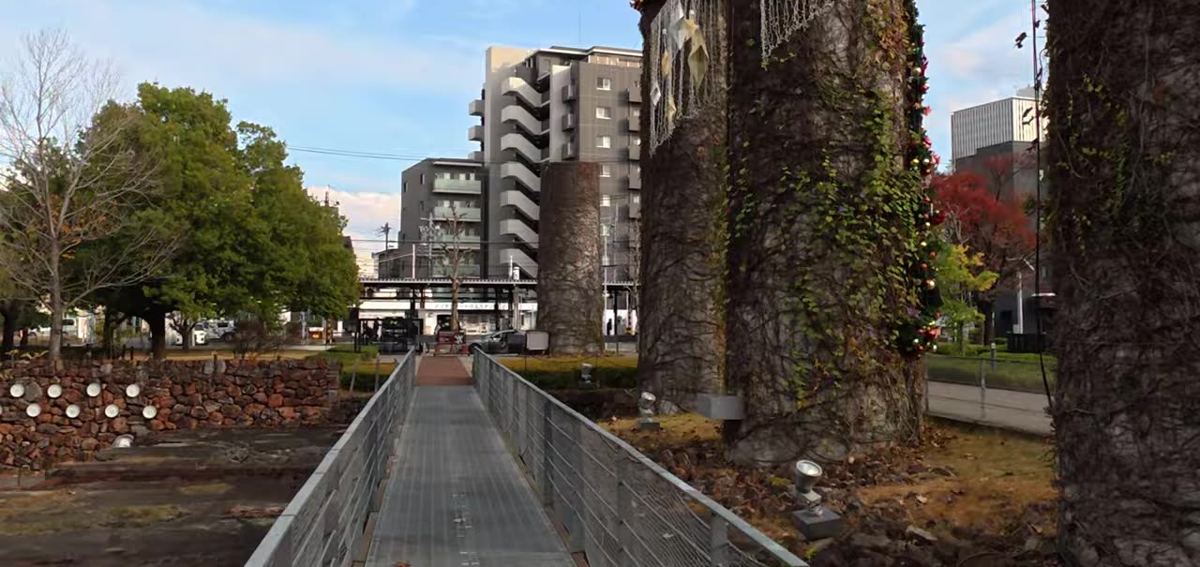
After lunch, I went to Noritake Garden, near Nagoya Station, while waiting for my Shinkansen. Noritake Garden has a museum and shops from Noritake, the company that has been making pottery in Nagoya, and there is a garden to enjoy through the four seasons.
Questions I Often Get in the Comments
How many days do I need in Nagoya?
I stayed three days, and it still wasn’t enough. This was my second time in Nagoya, but the first time I did real sightseeing, and what I show in this article is almost everything I saw. I’ll need two or three more visits to cover the major spots, including the SCMaglev and Railway Park. Several viewers who stayed from three to six days told me they want to go back too.
Is late November a good time for autumn leaves?
Yes, I think the end of November is really good. I traveled in late November, and the shrine paths at Atsuta Jingu were covered with colorful leaves, and there were red maples around Inuyama Castle. The official Nagoya page lists late November into early December as the best time, though the leaves change a little differently every year.
Is the Toyota Museum worth visiting if I’m not into cars?
I think so, and many viewers recommended it too, with some spending hours inside. The museum I visited is the Toyota Automobile Museum in Nagakute, which covers cars from around the world. The other one is the Toyota Commemorative Museum of Industry and Technology, which focuses on technology and the mechanics of cars. I haven’t been to that one yet, but a combined ticket is sold for both.
General tourist information: The places below are major sights around Nagoya that are not covered in the visit described in this article. Hours and prices can change, so check the official pages before you go.
Nagoya Castle. The main keep is currently closed; the Hommaru Palace is open with a castle ticket. Adult admission is 1,000 yen. From Nagoya Station, take the subway to Nagoyajo Station on the Meijo Line (about 15 minutes, with a transfer). Details are on the official site.
SCMAGLEV and Railway Park. JR Central’s railway museum is about 24 minutes from Nagoya Station on the Aonami Line, then a two-minute walk from Kinjofuto Station. Adult admission is 1,200 yen. Visitor information is on the official site.
Toyota Commemorative Museum of Industry and Technology. This is the Toyota museum near Nagoya Station, about a five-minute taxi ride, or a few minutes’ walk from Sako Station on the Meitetsu line. It focuses on industrial technology rather than the history of cars. Adult admission is 1,000 yen. Details are on the official site.
Museum Meiji-mura. An open-air museum of Meiji-era buildings in Inuyama. From Nagoya Station, take the Meitetsu line to Inuyama (about 30 minutes), then a bus to the museum (about 20 minutes); a direct highway bus also runs from the Meitetsu Bus Center (about 80 minutes). Adult admission is 2,500 yen. Hours vary by season; see the official English page.
Other hotels near Nagoya Station: These are well-known hotels at or next to the station, listed for convenience.
Nagoya Marriott Associa Hotel, directly above JR Nagoya Station.
Nagoya JR Gate Tower Hotel, in the JR Gate Tower, connected to the station.
Meitetsu Grand Hotel, next to Meitetsu Nagoya Station.
Nagoya Prince Hotel Sky Tower, a short walk from the Taiko-dori side of Nagoya Station.
Daiwa Roynet Hotel Nagoya Station, a few minutes’ walk from the station.
Where to next
Nagoya sits right in the middle of the Tokaido Shinkansen line, so it is easy to add a night or two between Tokyo and Kansai. If you are continuing west, these are the guides I would read next.
- Kyoto Travel Guide: the next big stop on the Shinkansen, less than an hour from Nagoya.
- Osaka Travel Guide: street food and the city’s energy, further down the same line.
- How to Ride the Shinkansen: tickets and luggage if this is your first bullet train.