This post contains affiliate links. If you book through them, I may earn a small commission at no extra cost to you. Learn more.
People often say Japan’s Golden Route runs from Tokyo to Osaka, but sometimes Hiroshima is included too. Hiroshima is known around the world as one of the very rare places where an atomic bomb was used on a city full of people. The Peace Memorial Museum is a must-see, but at the same time, Hiroshima’s charm is not only that.
The beautiful islands of the Seto Inland Sea create a scenery you can’t find anywhere else, and especially on a sunny day with good weather, a calm, beautiful view spreads out in front of you. The best known of those islands is Miyajima. You can get there easily by boat, there are lots of deer on the island, and you can even climb a mountain called Mt. Misen.
Nearby there are less-known places like Iwakuni too. If you have time, I think it would be fun to start from Hiroshima and spread your trip out to different places around the Seto Inland Sea.
On this trip I was traveling from Yamaguchi Prefecture, so I’ll start with Miyajima first, before heading into Hiroshima city. I came from Iwakuni, spent a long afternoon on Miyajima, and stayed one night in Hiroshima city before taking a boat out into the islands.
Getting to Hiroshima and Miyajima
Hiroshima Station is on the Sanyo Shinkansen, about four hours from Tokyo on the fastest Nozomi trains, so many people come here after Kyoto and Osaka. If you haven’t taken the Shinkansen before, my guide to getting on the Shinkansen covers tickets and luggage. From Hiroshima Station, the JR Sanyo Line takes about half an hour to Miyajimaguchi.
Miyajimaguchi is the entrance to Miyajima. The JR station, the Hiroden streetcar stop and the ferry piers are all right there, and you can walk between them through an underpass with an elevator. When I arrived from Iwakuni, the train from the Hiroshima side came in at the same time, so it was very busy.
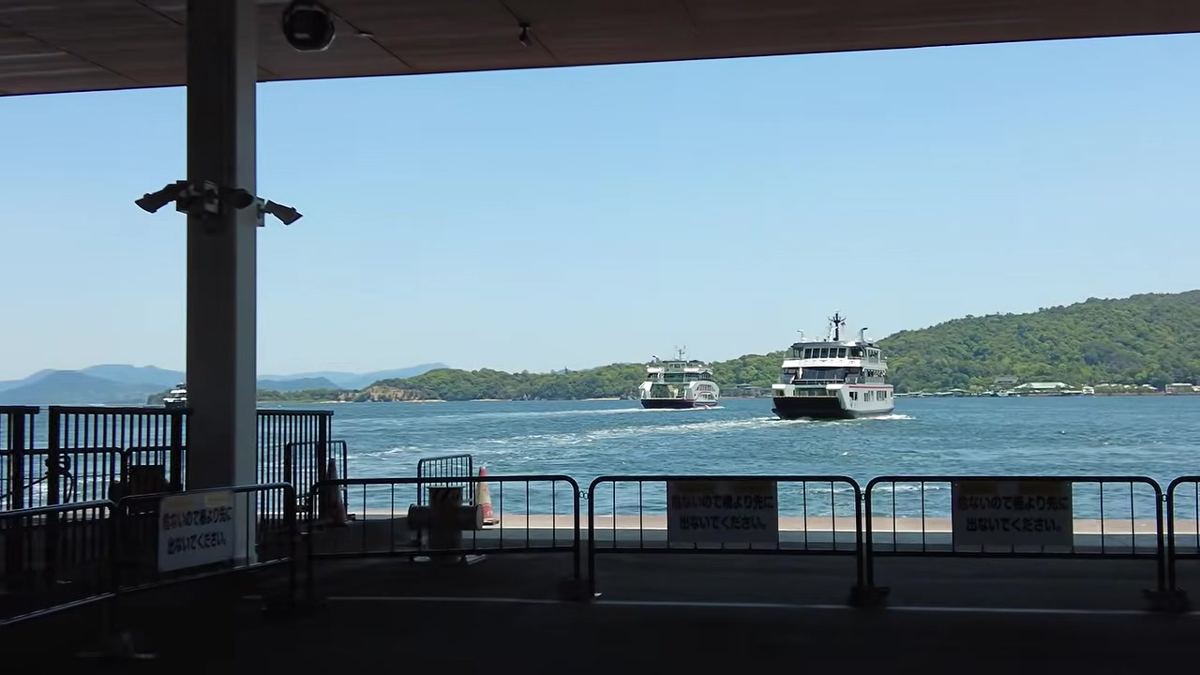
Two companies run ferries from Miyajimaguchi to the island, JR West Miyajima Ferry and Miyajima Matsudai Kisen, and the ride is only about 10 minutes. The JR ferry passes close to the great torii gate on the way, so take it if you want to see the gate from the water. It is covered by the Japan Rail Pass and JR-West passes.
Everyone entering Miyajima pays the Miyajima Visitor Tax of 100 yen. It is normally collected with your ferry fare, but if you ride with a JR pass, you still need to pay the tax separately. You can also use an IC card for the ferry.
There is also a direct boat, the World Heritage Sea Route, from the pier near the Atomic Bomb Dome to Miyajima in about 45 minutes. I tried to take it, but the tide was low and it wasn’t running at the time I wanted. It depends on the tide, so check the website and book ahead if you want to use it.
Starting from Iwakuni and Kintaikyo Bridge
Iwakuni is in Yamaguchi Prefecture, but it sits right at the edge, next to Hiroshima, so you can visit it together with Miyajima. It took me 22 minutes by JR from Iwakuni to Miyajimaguchi, and from Hiroshima Station it’s only about 15 minutes by Shinkansen to Shin-Iwakuni. From either station, buses run to Kintaikyo Bridge.
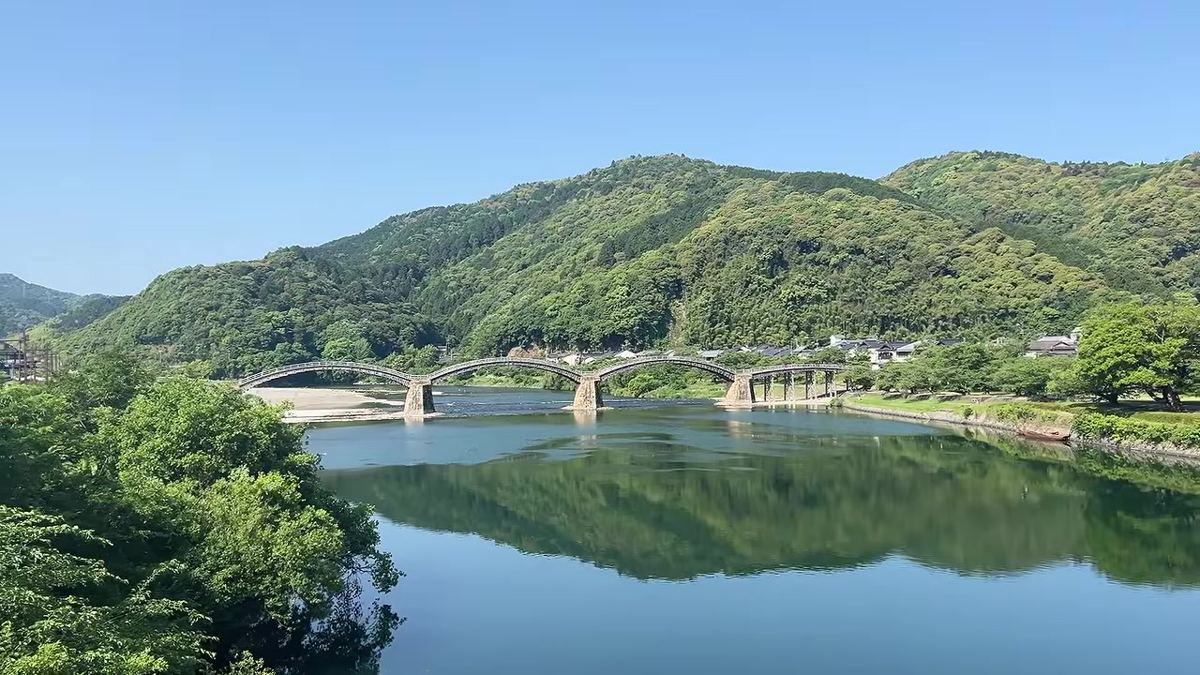
Kintaikyo is a wooden bridge with five arches over the Nishiki River. The river was used as a moat, but floods kept washing the bridges away, until a stronger design built in 1674 lasted 276 years. A typhoon took it in 1950, and the bridge you see now was rebuilt after that. Its shape is beautiful from every angle.
You pay to cross the bridge, and the round-trip ticket is now 500 yen. I walked over in the evening after the tollbooth had closed, so I put the coins into the box by the window. The tollbooth is staffed during the day, and outside those hours you put the money in that box, so you don’t get a ticket.
I stayed at Iwakuni Kokusai Kanko Hotel, right in front of the bridge. It feels like an old onsen ryokan, but it has single rooms, and my room had an amazing view of Kintaikyo. The outdoor bath also looks over the bridge. Many shops around here close early, around 4 in the afternoon, so I would plan on eating at the hotel or nearby.
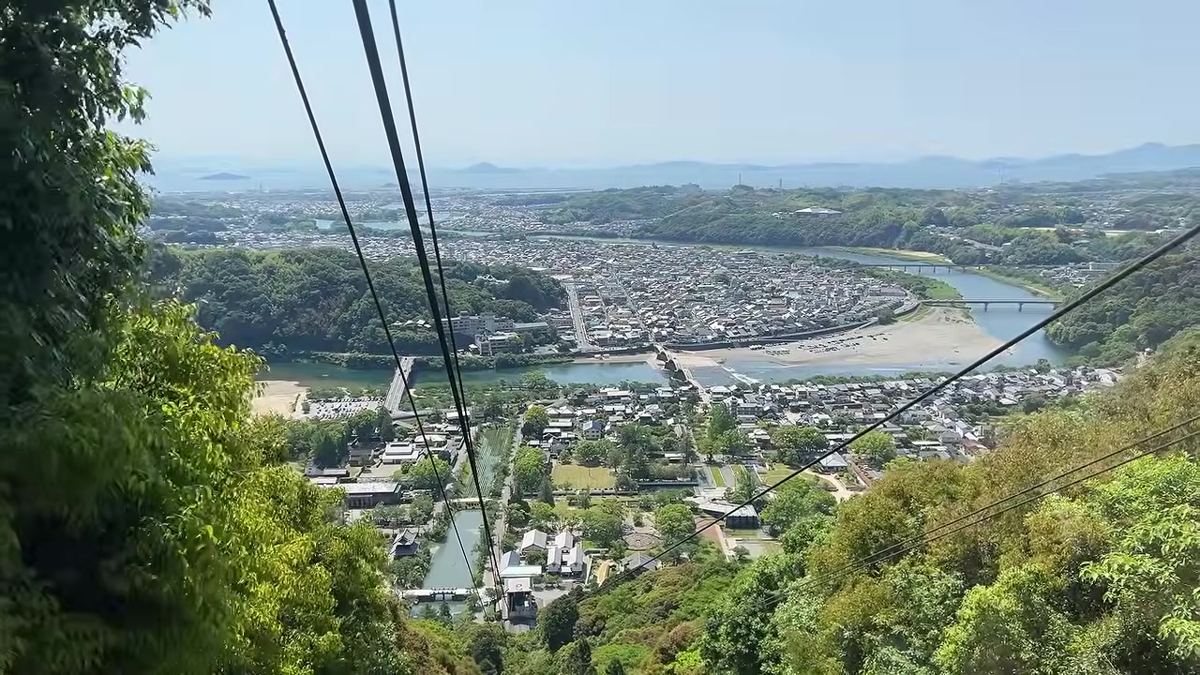
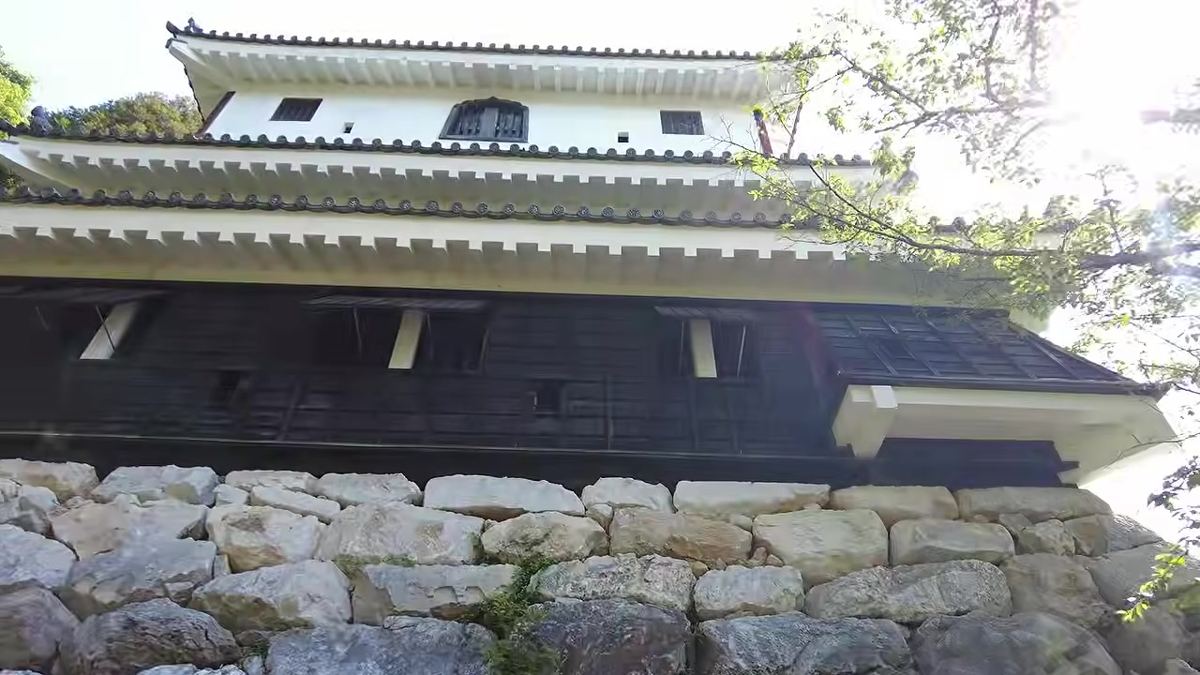
The next morning I took the ropeway up to Iwakuni Castle. The castle is a rebuilt one, not the original, but the view from the top was great: Kintaikyo, the Nishiki River flowing into the Seto Inland Sea, and the airport by the ocean. A set ticket for the bridge, the ropeway and the castle is 1,550 yen.
Before leaving, I bought Iwakuni sushi, the local food eaten since around the 17th century. It’s a pressed sushi with layers of vinegared rice, vegetables such as lotus root and bamboo shoots, and fish. It was really good, and a nice thing to try before you move on to Miyajima.
Crossing to Miyajima
Miyajima’s official name is Itsukushima. It is an island southwest of Hiroshima city, well known for the World Heritage Itsukushima Shrine and its torii gate standing in the sea. I usually like places off the tourist track, but I also like going to the major spots, and Miyajima is one of the top destinations in Japan.
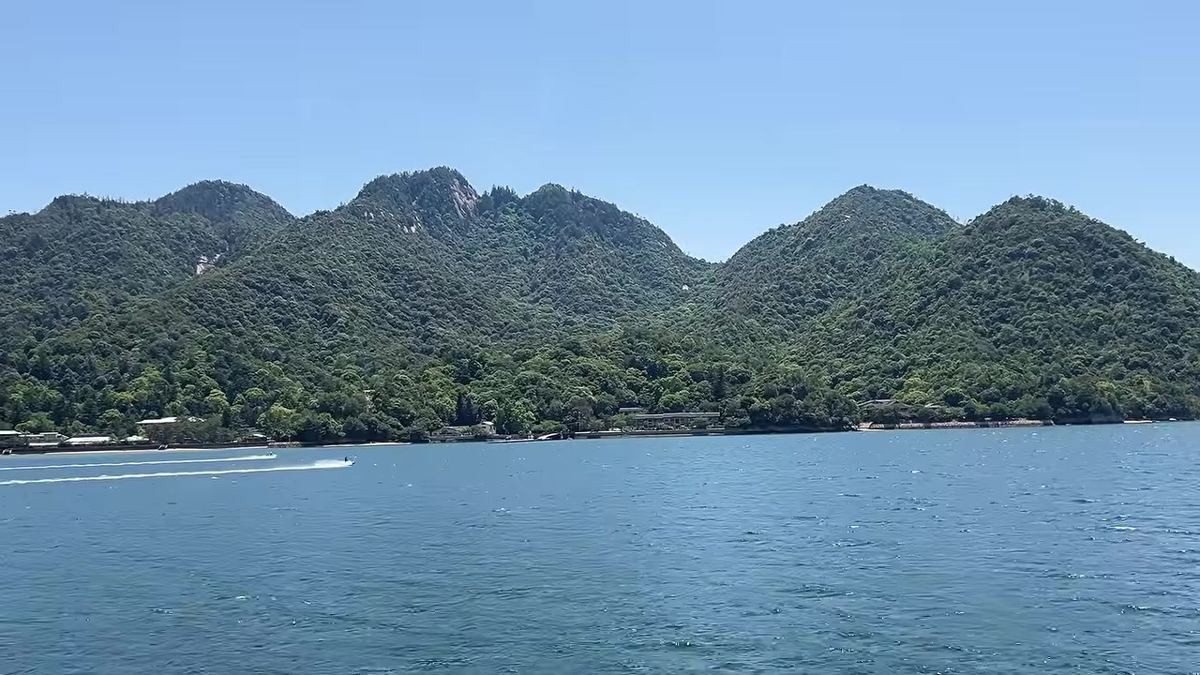
After the quiet of Iwakuni, I was surprised by how many people there were. From the pier, the road to the shrine is lined with souvenir shops and places to eat, and there were grilled oysters for sale too. The deer walk around freely, and there are announcements reminding you that they are wild animals, so please be careful.
I left my laptop and heavy camera in a coin locker near the pier and walked with only my phone, another camera and a drink. That was a good decision, but I also left my hat in the bag, and it was a hot, sunny day. Take what you need for the walk and the mountain before you lock your bag away.
Honestly, my Miyajima day was a fight with low battery, full camera storage and no cash. I had forgotten to get cash, the ATM I found couldn’t use my card, and I couldn’t even pay the 300 yen to enter Itsukushima Shrine. I always tell everyone to carry some cash in Japan, so please don’t do what I did.
Itsukushima Shrine and the great torii
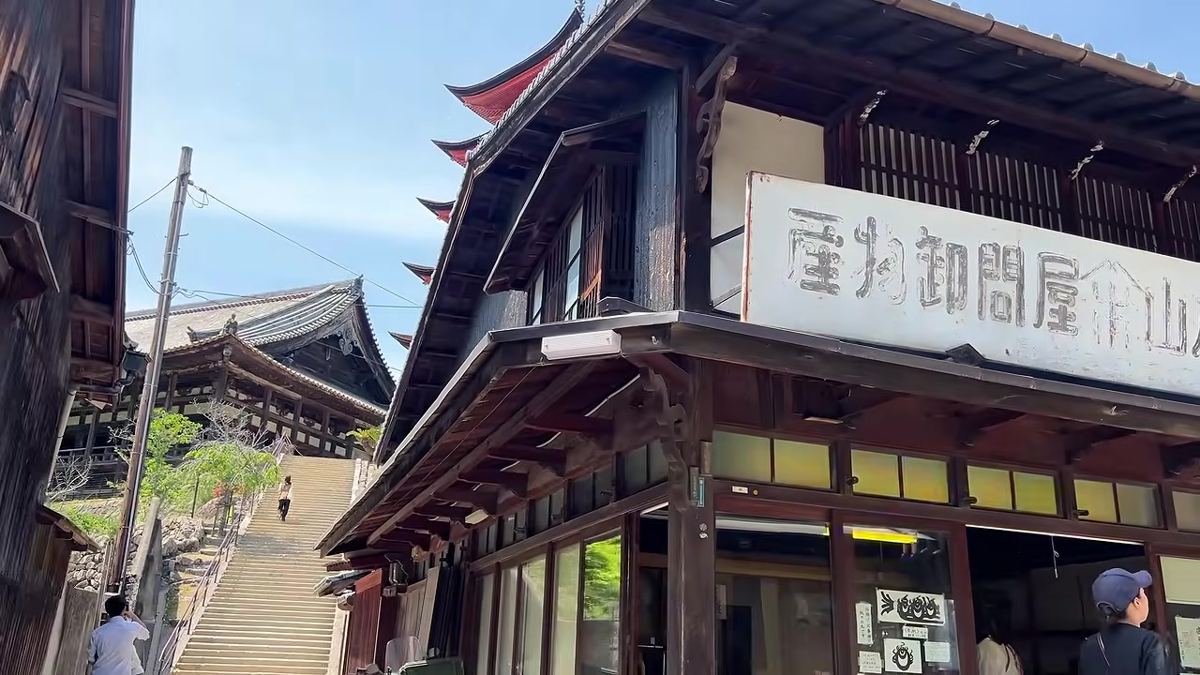
Even without going inside, I could walk around the shrine area and see Senjokaku, the big hall built on the order of Toyotomi Hideyoshi, and the five-story pagoda. The shrine is open from 6:30 a.m., and the closing time changes by season, from 5:00 to 6:00 p.m. for most of the year.
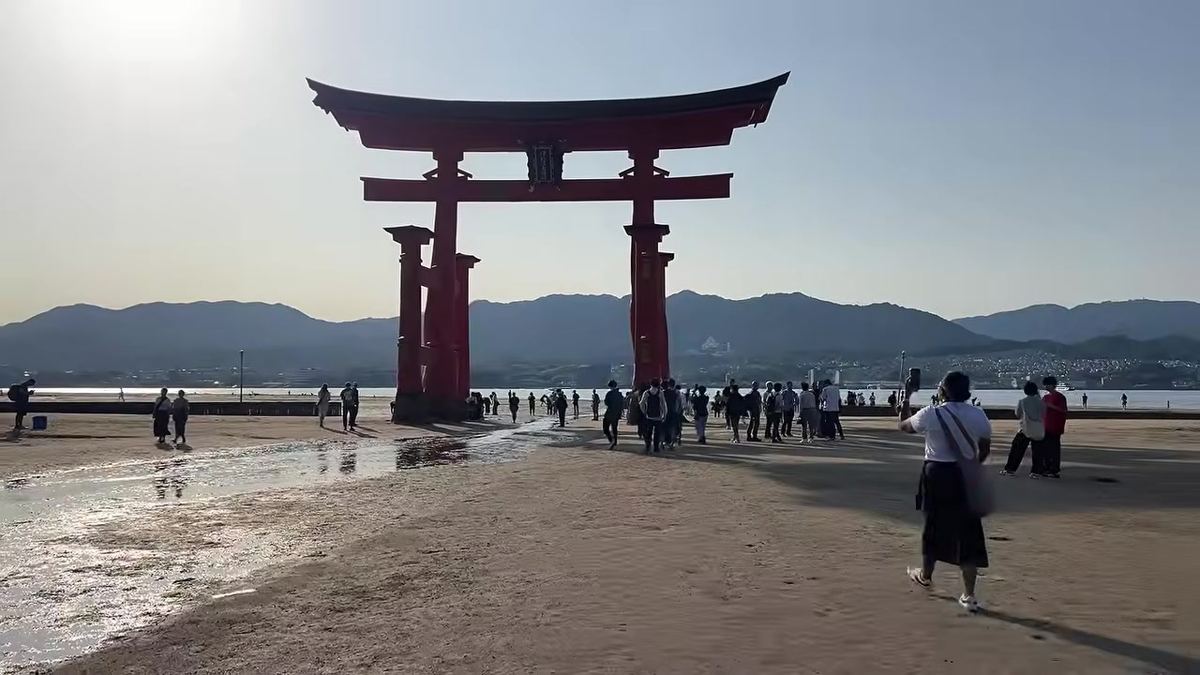
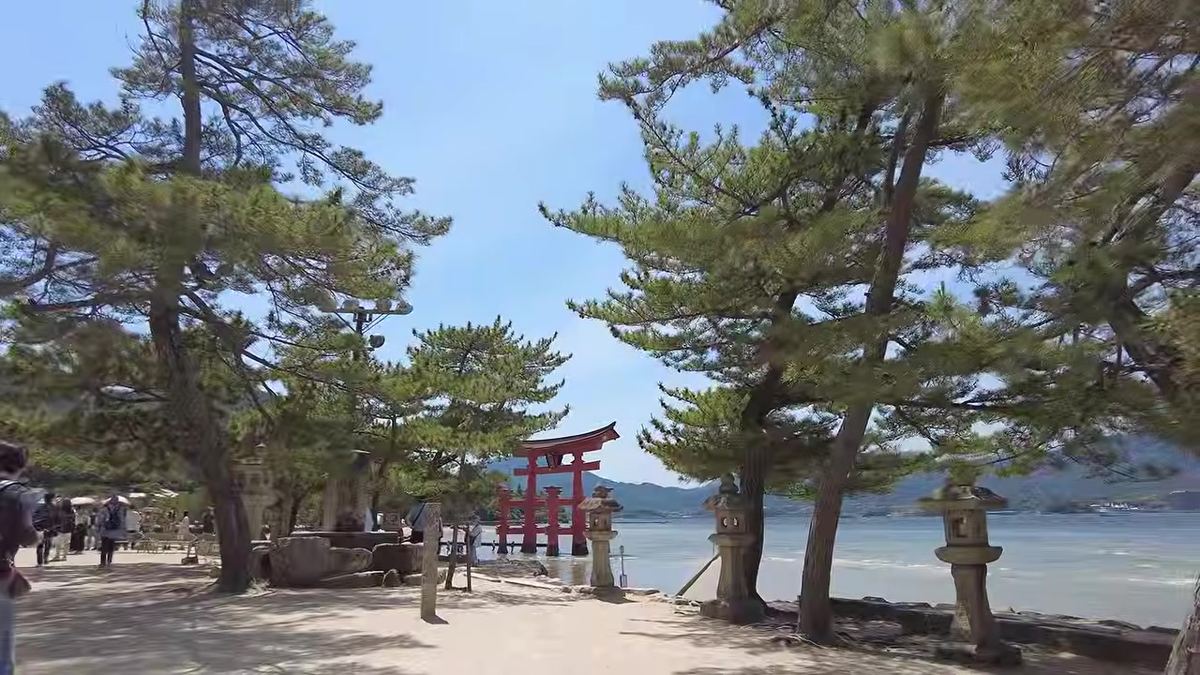
At low tide you can walk across the sand to the great torii gate. When I arrived, a sign said you could walk out from around 2:30 p.m. without getting wet, and some people were already taking off their shoes. Low tide moves every day, so check the time before your visit, for example on the Miyajima Tourist Association site.
When I came down from the mountain later, the tide was low, and I could walk right up to the torii on foot. Seeing the gate from the beach in the evening light was one of the best moments of the day. There is always a reason a place becomes a top destination, and I understood it here.
Going up Mt. Misen
I walked into a restaurant on the way, but the last seat had just been taken, so I kept going. That was both right and wrong: there were no more restaurants past that point, but if I had eaten there, I probably wouldn’t have had time for the mountain. I ended up with snacks from a vending machine.
There is a free shuttle bus to the Miyajima Ropeway, and I could pay for the ropeway with my IC card. The first ropeway uses small gondolas, then you change to a larger one that is even more packed. The ropeway runs from 9:00, the last car back down leaves at 4:30 p.m., and a round trip is 2,000 yen.
I reached the top station at 3:30, and the round walk to the summit is about an hour, so I wasn’t sure I’d make it back for the last ropeway. I went anyway. The path is rocky and up and down, and I saw people walking it like they were going grocery shopping, even in heels. It’s not for everyone, so wear good shoes.
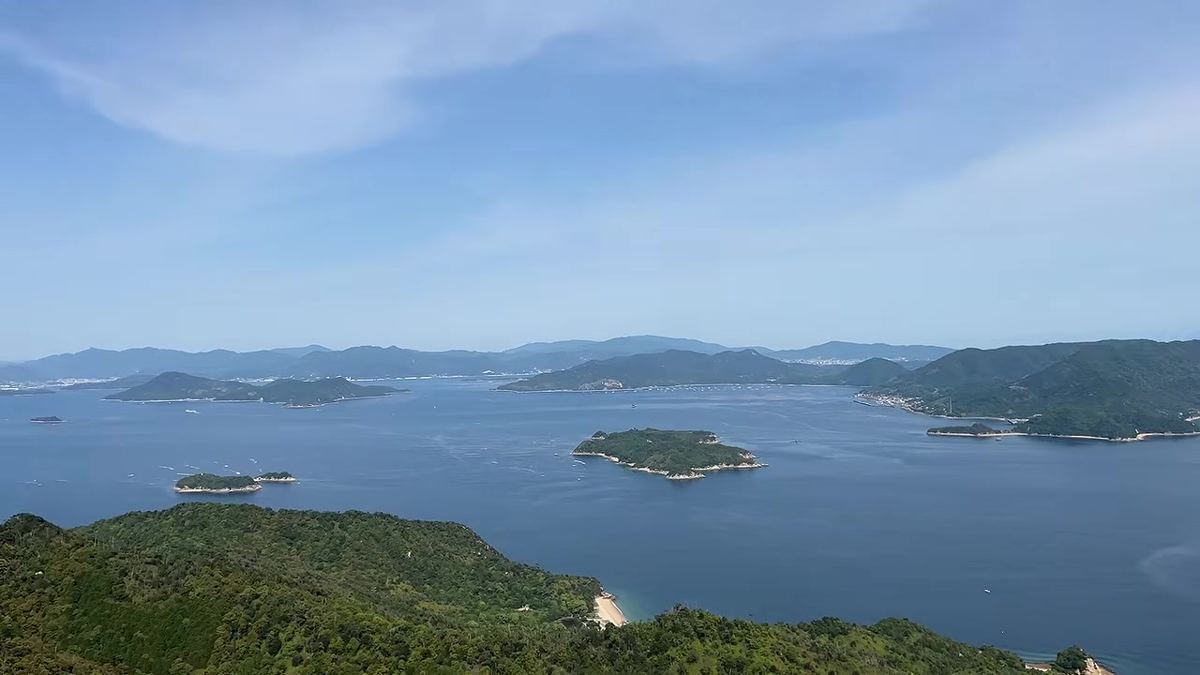
It took me almost 30 minutes to reach the observatory at the summit. From there I could see Hiroshima city, Iwakuni where I had come from that morning, and islands everywhere. I had to hurry back down, but it wasn’t as bad as I feared, and from the bus to the summit and back it took me about three hours.
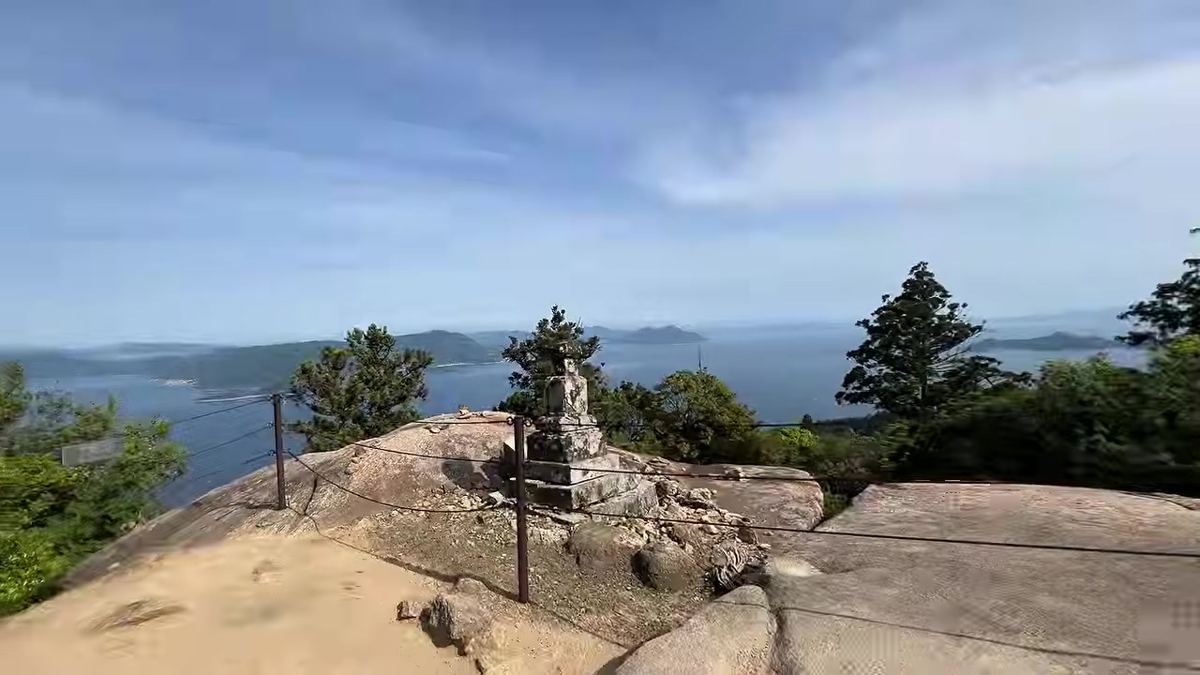
If you want to go to the top, go earlier than I did. On a hot day it’s hard work, and even if you only go up by ropeway, the view from the station is already good enough. If you’re interested in the island’s temples, Wabunka has a private tour of Daisho-in Temple at the foot of Mt. Misen, which I haven’t done myself.
An evening in Hiroshima city
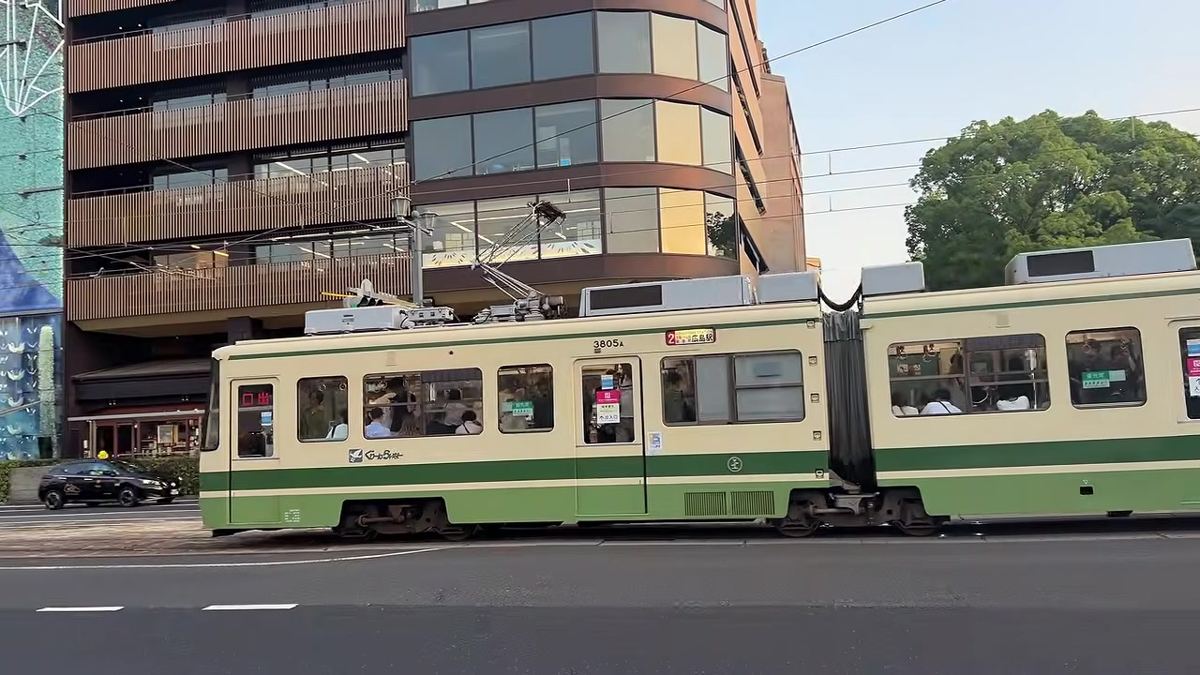
To go back to the city, I took the Hiroden streetcar from Miyajimaguchi. It stops at every stop, and it took about 50 minutes, standing, to reach the Atomic Bomb Dome stop. It was a bit tiring, but interesting to watch the scenery of Hiroshima change through the window. You can use an IC card on the streetcar too.
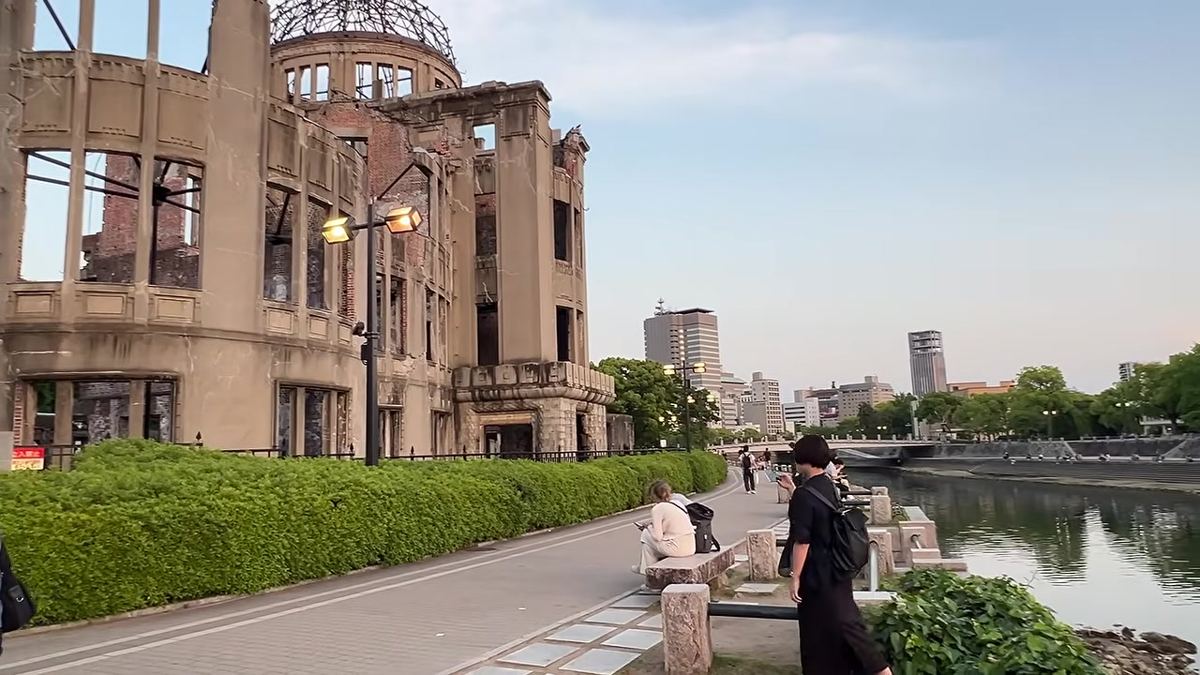
The Atomic Bomb Dome shows one side of Japan’s past. The bomb exploded almost directly above this building, and by the end of 1945 around 140,000 people had died. Many international visitors were sitting quietly by the river looking at it, and I couldn’t believe how Hiroshima grew into such a big city again from nothing.
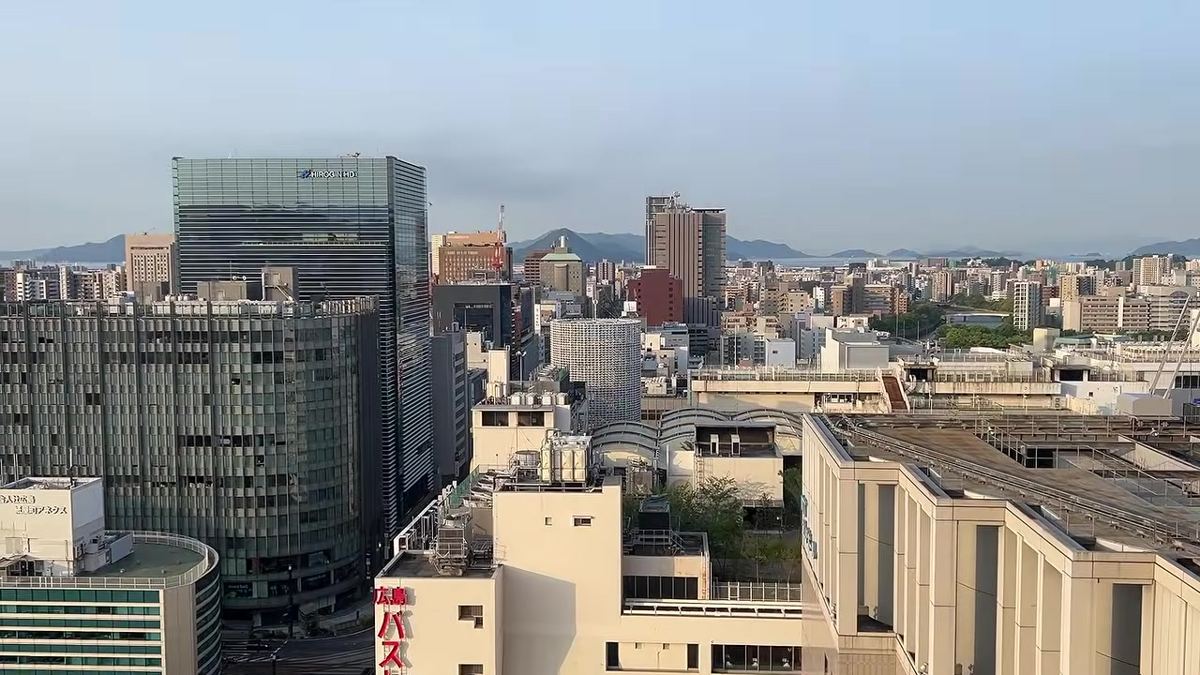
I chose my hotel where the route from Miyajima and the route to Hiroshima Port cross, because I wanted to see the Peace Memorial Park and the busy center at night. I stayed at RIHGA Royal Hotel Hiroshima, a big hotel within walking distance of the main sights. My room on the 17th floor had a nice view of the city and the sea.
Hotel prices were high that day, but a smoking room was about half the price, so I tried it. It didn’t smell at all, because it is a really good hotel, though I wouldn’t do it in a business hotel. The breakfast buffet was the best of my whole trip, but I only had 15 minutes, so give yourself plenty of time.
Okonomiyaki at Okonomimura
For dinner I wanted Hiroshima’s soul food, okonomiyaki. The first place I picked on Google Maps was busy, and while looking for another one I bumped into a building called Okonomimura. Who could imagine a building filled with okonomiyaki restaurants? Inside it was another world, with counter after counter on several floors.
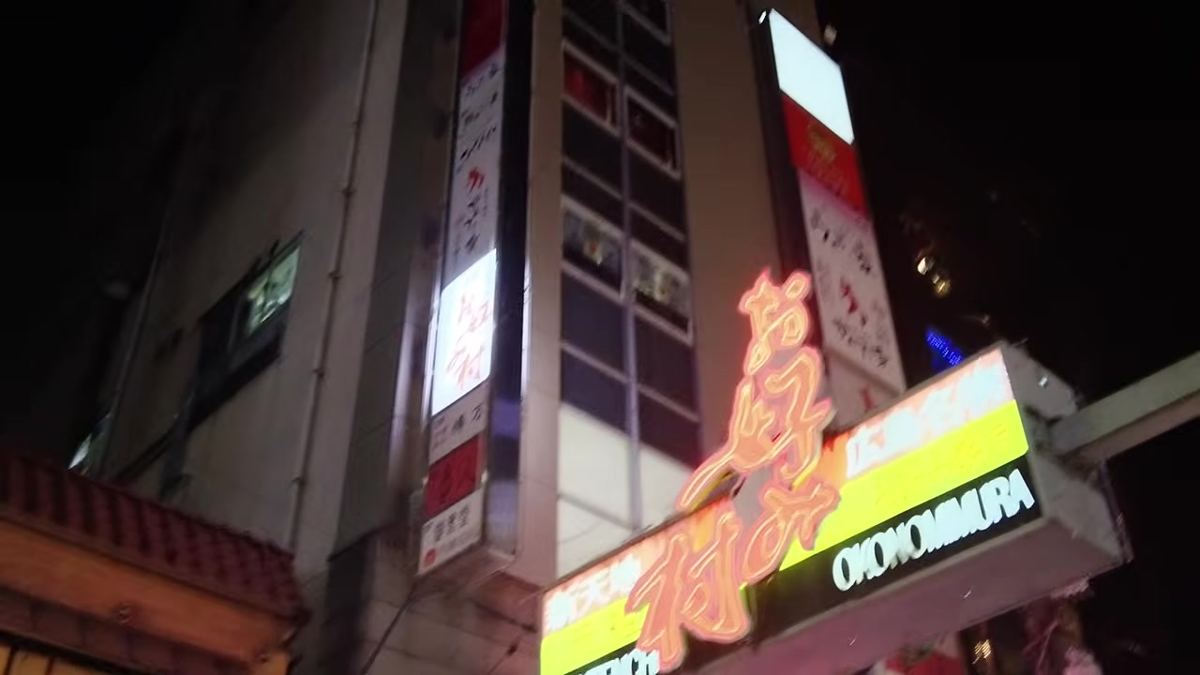
You can choose from your favorite one. The staff are energetic and very busy, and there were lots of international visitors, so you might feel a little intimidated, but it’s definitely worth it. To order, I just said “Hiroshima Special,” and I think there are English menus in the building. Okonomimura is in the Shintenchi area of the city center.
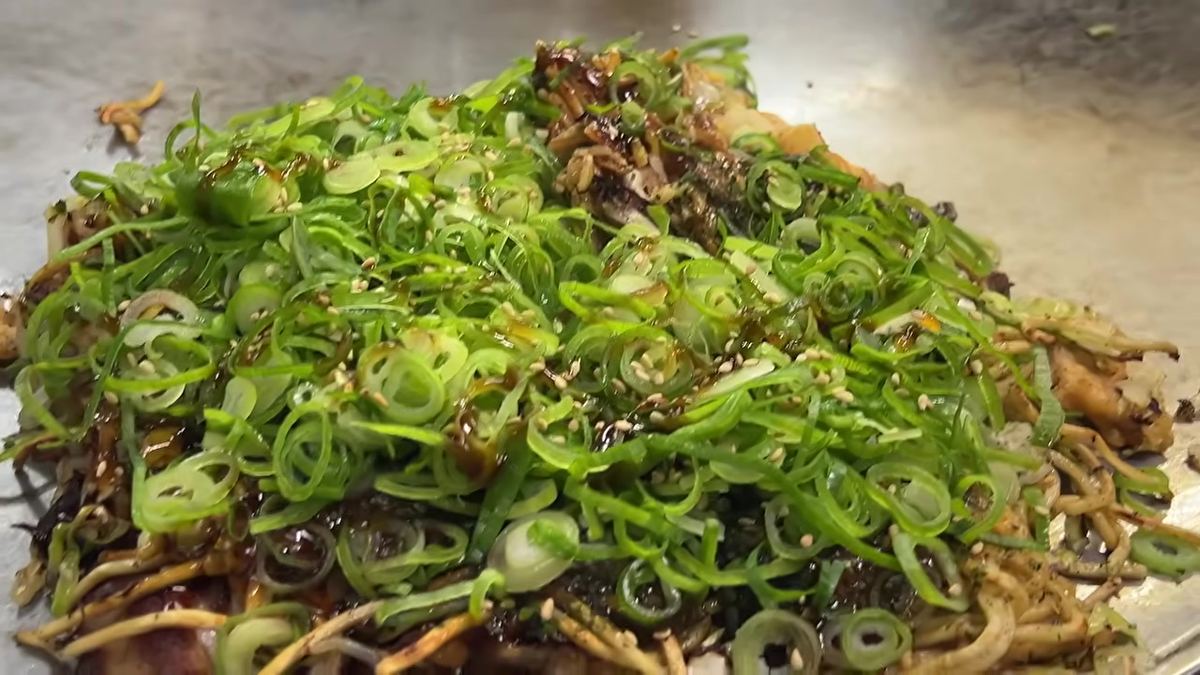
I didn’t plan to stay in Hiroshima city at first, but I’m so glad I did. It was a really fun night of eating okonomiyaki and walking around the city. Hiroshima is a bigger and more modern city than many people expect, and the area around the Shinkansen station is developing too.
A morning walk in Peace Memorial Park
Early the next morning I walked to the Peace Memorial Park. At the Cenotaph for the A-bomb Victims, the words say, “Let all the souls here rest in peace, for we shall not repeat the evil.” The air was fresh, and I could smell the trees. It was quiet, and a good time to stand there and think for a moment.

General tourist information: I didn’t make it inside the Peace Memorial Museum this time. The Hiroshima Peace Memorial Museum is in the park and opens at 7:30 a.m., with closing between 6:00 and 8:00 p.m. depending on the month. Adult admission is 200 yen. Entry in the first hour and in a time slot near closing needs an online reservation, and online tickets for overseas visitors are sold on Klook.
Questions I Often Get in the Comments
When did you go?
I went in May. The weather was nice and the days were long, which helped on such a full day. I think Miyajima must be beautiful in autumn too, when the leaves turn around November, and some viewers told me September was lovely. In summer it gets very hot, especially if you climb Mt. Misen.
Should I stay overnight on Miyajima?
I had only half a day, so I’d like to stay next time and explore more local shops and scenery. Most visitors come for the day, so the early morning and evening must be much quieter. I was thinking of staying at Miyajima Grand Hotel Arimoto near the shrine instead of in Hiroshima city, for a morning and evening walk.
Where can I leave my big suitcase?
You can leave big luggage at your hotel or at a luggage storage place, which you can book on services like ecbo cloak. There are coin lockers at Miyajimaguchi and near the pier on Miyajima, some of them big, but check the longest time they can hold your bag. I kept my locker key very carefully until I left the island.
Can I hike Mt. Misen without the ropeway?
There are hiking trails from the shrine area, and several viewers have walked all the way up and down by another route. Coming down on foot is hard if you miss the last ropeway, so leave yourself time. I think it’s easier in a cooler season, and if you start early you can go at your own pace.
Where to next
From Hiroshima Port, I continued by boat into the Seto Inland Sea, hopping between islands and cycling to Onomichi. That’s in my Shimanami Kaido video. There are so many places to spread your trip out to from Hiroshima, and these are the guides I would read next.
- Matsuyama Travel Guide: across the sea in Shikoku, with ferries from Hiroshima Port.
- Takamatsu Travel Guide: another Seto Inland Sea city and a base for the islands.
- Osaka Travel Guide: kind people, street food and the city’s energy, on the way back toward Tokyo.