This post contains affiliate links. If you book through them, I may earn a small commission at no extra cost to you. Learn more.
The times I regret naming my channel Tokyo Kenchan are when I visit a city like Osaka. Osaka has a strong regional character of its own, and it can even be hostile toward Tokyo. That aside, people in Osaka are usually kind.
When you say Osaka, people picture someone cheerful, bright and easygoing. To Japanese ears, Osaka people speak with an accent completely different from Tokyo people, and they dominate the TV and entertainment world. Osaka is so tied to comedy that when Japanese people think of comedy, they think of Osaka.
When it comes to the parts of the city tourists actually see, most of it comes down to places like Dotonbori and Osaka Castle. Honestly, Osaka doesn’t have Kyoto’s grace, and the sights feel like they sit among the buildings of a big city. So I’m not sure it appeals to everyone.
I want you to see Osaka’s spirit and energy with your own eyes. Going to the places local people go, such as the shotengai shopping streets, is a good idea too.
My parents are from Kansai, and I have visited Osaka from time to time since I was a kid. But I never thought of Osaka as a tourist destination. So one year I went to Osaka several times to find its charm, and this guide shares that trip so you can do the same, or much better.
Getting to Osaka
Osaka sits in the middle of the Kansai region, with Kyoto, Nara and Kobe around it. From overseas, the entrance is Kansai International Airport (KIX), south of the city. From other parts of Japan there are domestic flights to Itami Airport in the north, or you can take the Shinkansen to Shin-Osaka, about 2 and a half hours from Tokyo.
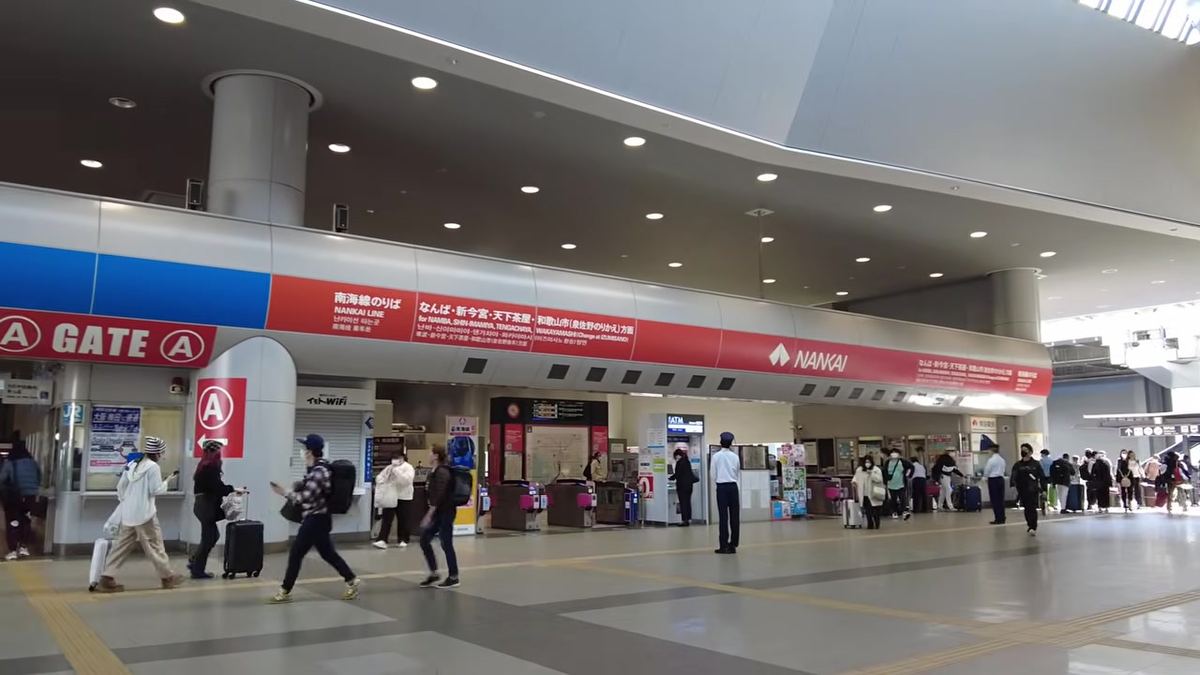
From KIX, both JR and Nankai run trains into the city. JR’s limited express Haruka now stops at Osaka Station as well as Tennoji and Shin-Osaka, which is a big advantage, and if you are going to Namba, Nankai is convenient. My Kansai Airport guide and updated KIX to Osaka video explain the options.
If you are coming from Tokyo by train, my guide to getting on the Shinkansen covers tickets and luggage, and 10 ways to travel between Tokyo and Osaka-Kyoto compares the other ways. Shin-Osaka is where the Shinkansen stops, and the Midosuji Line connects it to the city center.
Kita and Minami: how the city works
Osaka faces the Seto Inland Sea on the west, and mountains surround it in every other direction. In the Edo period, from the 17th century, food from all over Japan gathered here, and Osaka was called the kitchen of the country. The city developed canals and water transport, so it was also called the capital of water.

There are two centers in Osaka. The north is called Kita, with Umeda and the big terminals of JR Osaka Station and Hankyu Osaka-umeda. The south is called Minami, around Namba, with the Nankai terminal and the JR and Kintetsu stations underground. Dotonbori is within walking distance of Namba.
To get around the city, you will mainly use the Osaka Metro and the JR Loop Line. Unlike Tokyo, many Metro lines run straight east to west or north to south, so the route map is easier to understand. The line you will most likely use is the Midosuji Line, running north to south through Shin-Osaka, Umeda, Shinsaibashi, Namba and Tennoji.
The Osaka Amazing Pass
On this trip I got the Osaka Amazing Pass for two days. It let me ride the Osaka Metro and buses as much as I liked, and many attractions were free with it, so it took me to lots of different spots. I paid 3,600 yen for the two-day pass at an Osaka Metro station, and the one-day pass was 2,800 yen then.
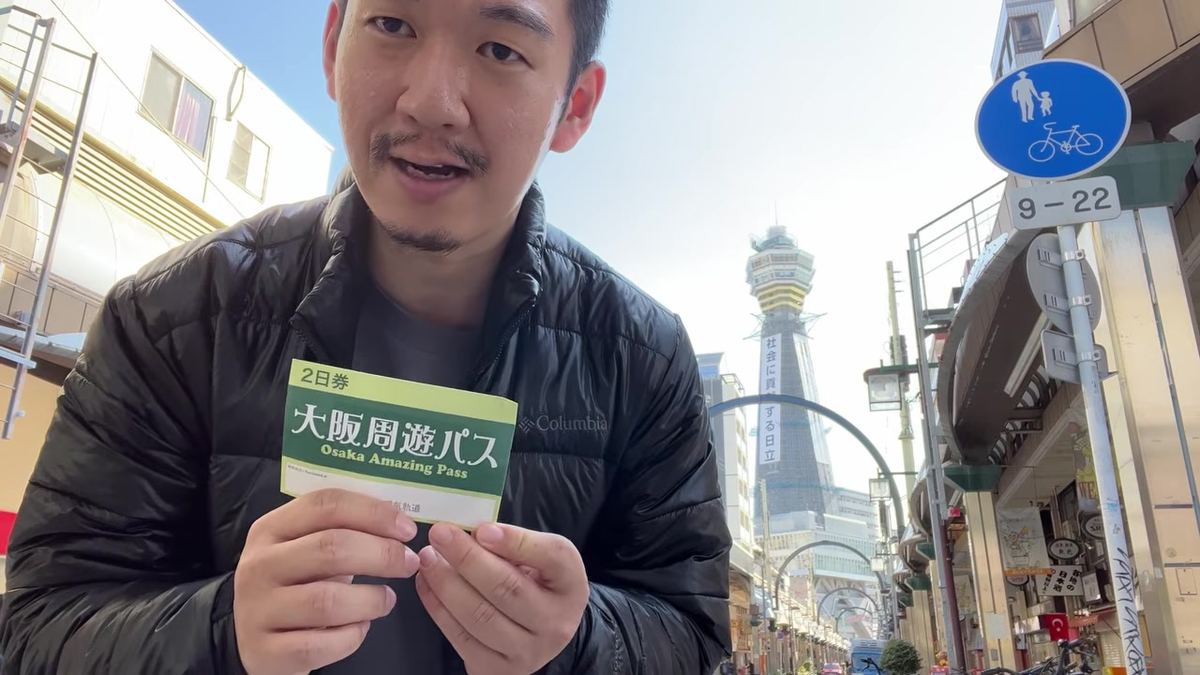
People in Osaka are very friendly, and I was just amazed. When I asked where I could get the pass, the Osaka Metro station staff member closed the window and took me to the right place. So with the pass in hand, I set out for the popular places around the city.
The pass is now a digital ticket you buy on your smartphone, at 3,500 yen for one day and 5,000 yen for two consecutive days, according to the official Osaka Amazing Pass site. It also covers Hankyu, Hanshin, Keihan, Kintetsu and Nankai within the city. Check the list of participating attractions before you go, because it changes.
Sumiyoshi Taisha, one of Japan’s oldest shrines
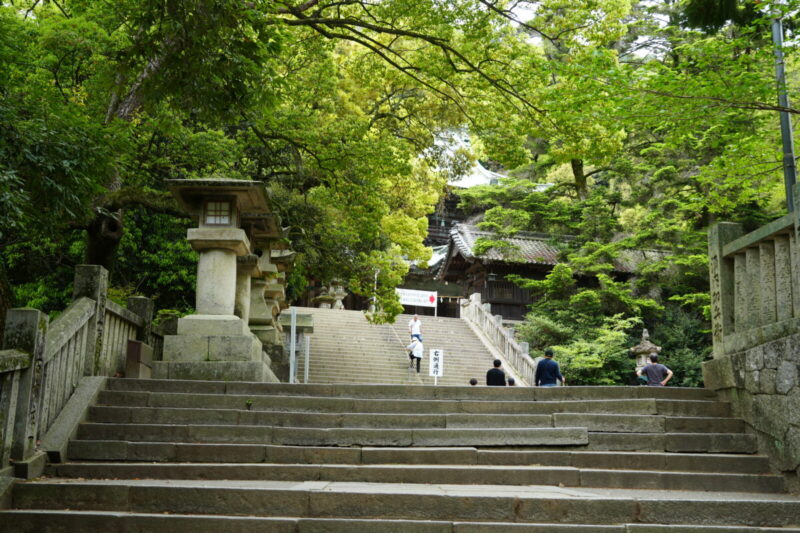
I started the morning at Sumiyoshi Taisha in the south of Osaka, which you can reach by Nankai or by the Hankai Tramway from Tennoji. According to the shrine, it was founded in 211, before Buddhism arrived in Japan, and it is dedicated to the gods of the sea. People still come here to pray for safe voyages and prosperity.
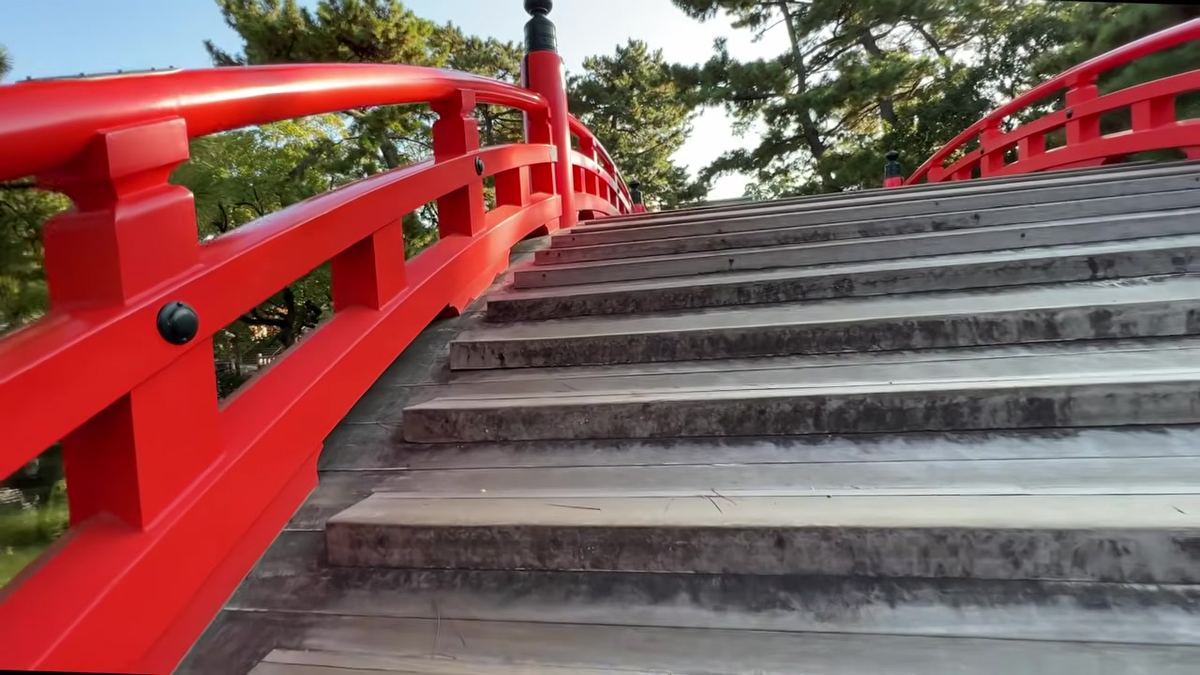
The trees in the grounds are huge and very old, and I couldn’t help saying wow when I looked up at them. Under one of the trees, there is a small shrine. From Sumiyoshi Taisha, I went back to Tennoji, where Shitennoji and the zoo are close together.
Shitennoji and Tennoji Zoo
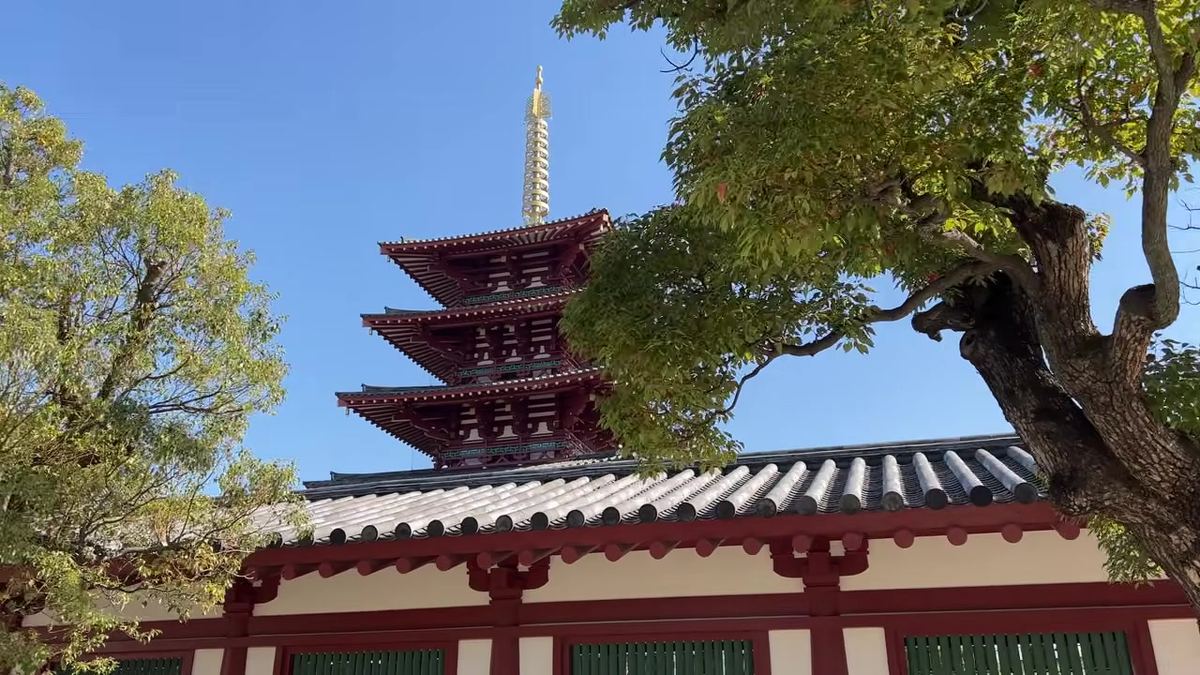
Back in Tennoji, I visited Shitennoji, a Buddhist temple founded in 593 and one of the oldest temples in Japan. It is considered the first temple built by Prince Shotoku, a patron of Buddhism who helped spread the religion in Japan. The temple is known for its five-story pagoda and central golden hall.
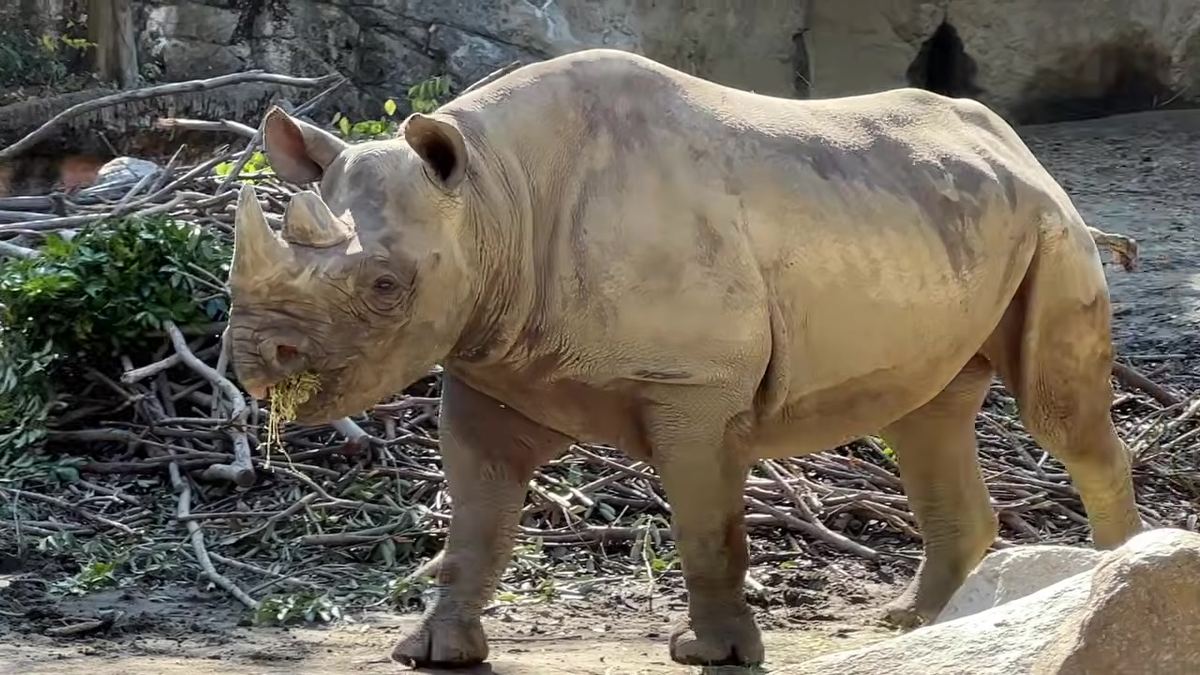
I’m a big fan of zoos, so I stopped by Tennoji Zoo. It isn’t something you can only see in Osaka, but I couldn’t leave without seeing it, especially when it was included in the pass. The zoo sits right between Tennoji Station and Shinsekai, so it fits easily into the day. It is closed on Mondays.
Shinsekai, street food and Tsutenkaku
Shinsekai is south of Osaka’s center, even further south than Namba, and it is considered the downtown of Osaka. Covered shopping streets run through it, lined with food shops and old signs. This is the kind of local shotengai I mean when I say you should see Osaka’s energy for yourself.
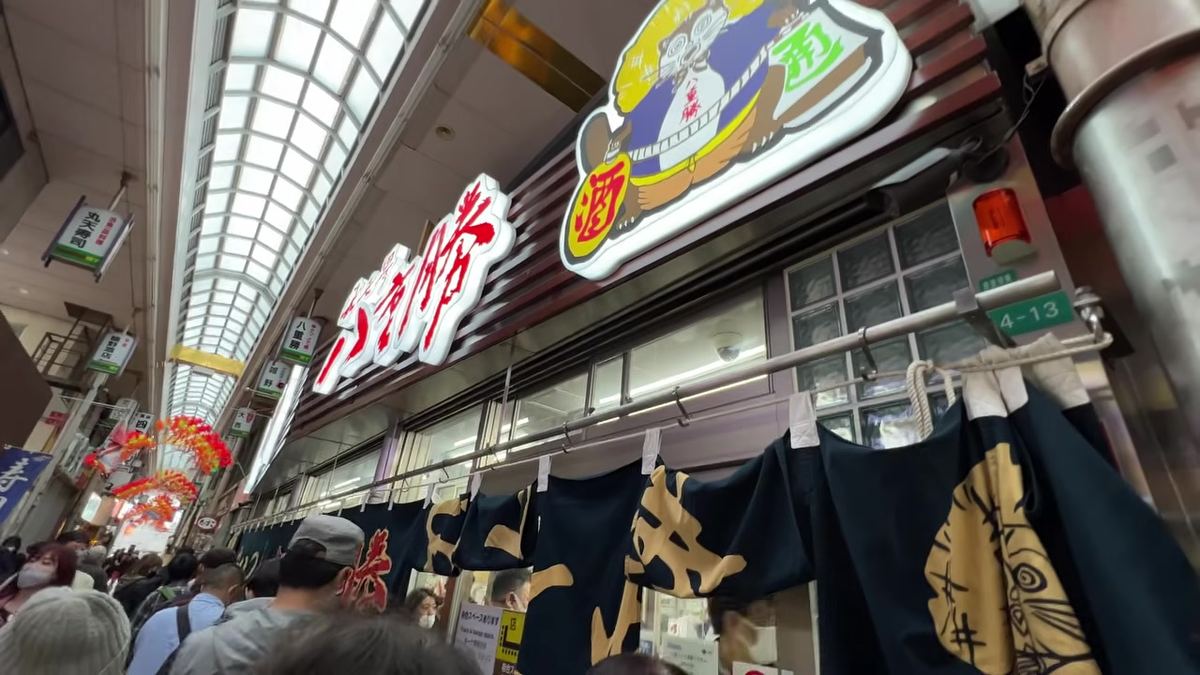
In Osaka you will see many shops selling street food. The popular foods are takoyaki, kushikatsu and okonomiyaki, and a lot more. Much of Osaka’s casual food comes with a black sauce, a type of Worcestershire sauce that is a staple on casual Japanese food.
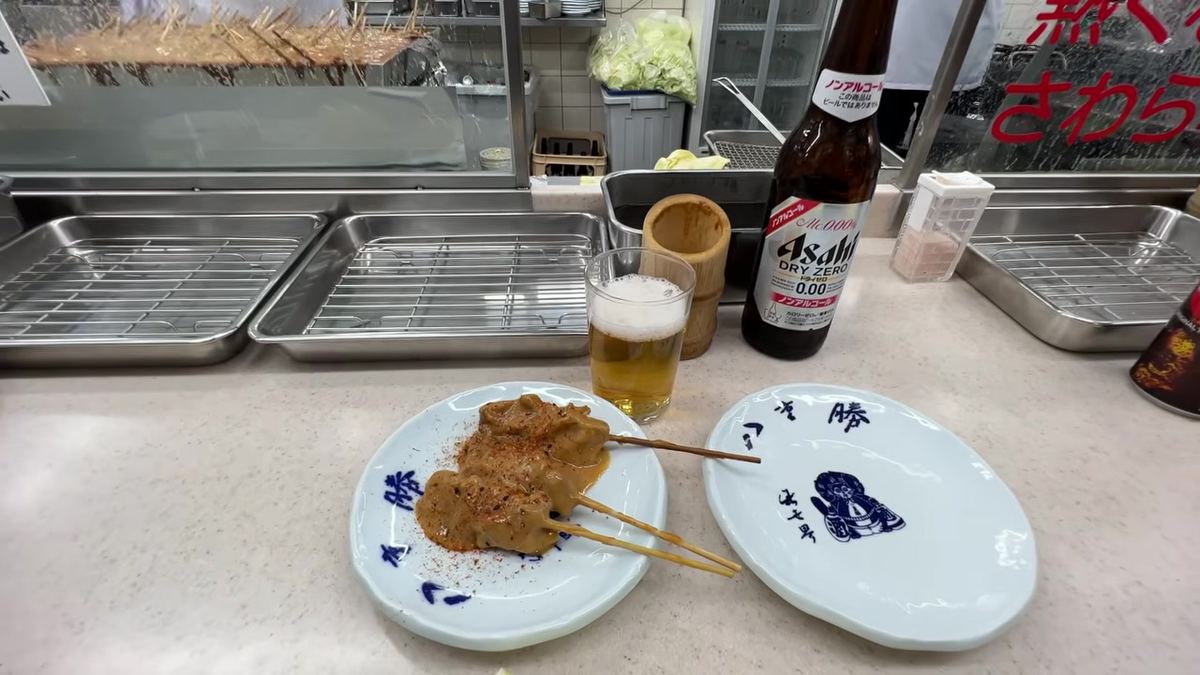
You can eat similar takoyaki all over Japan, but something harder to find that I like is akashiyaki, which you dip in a light broth before eating. If you like food culture, Wabunka runs a knife-making workshop in Sakai, the Osaka cutlery town chefs favor. I haven’t done it myself, but it fits a city once called the kitchen of the country.
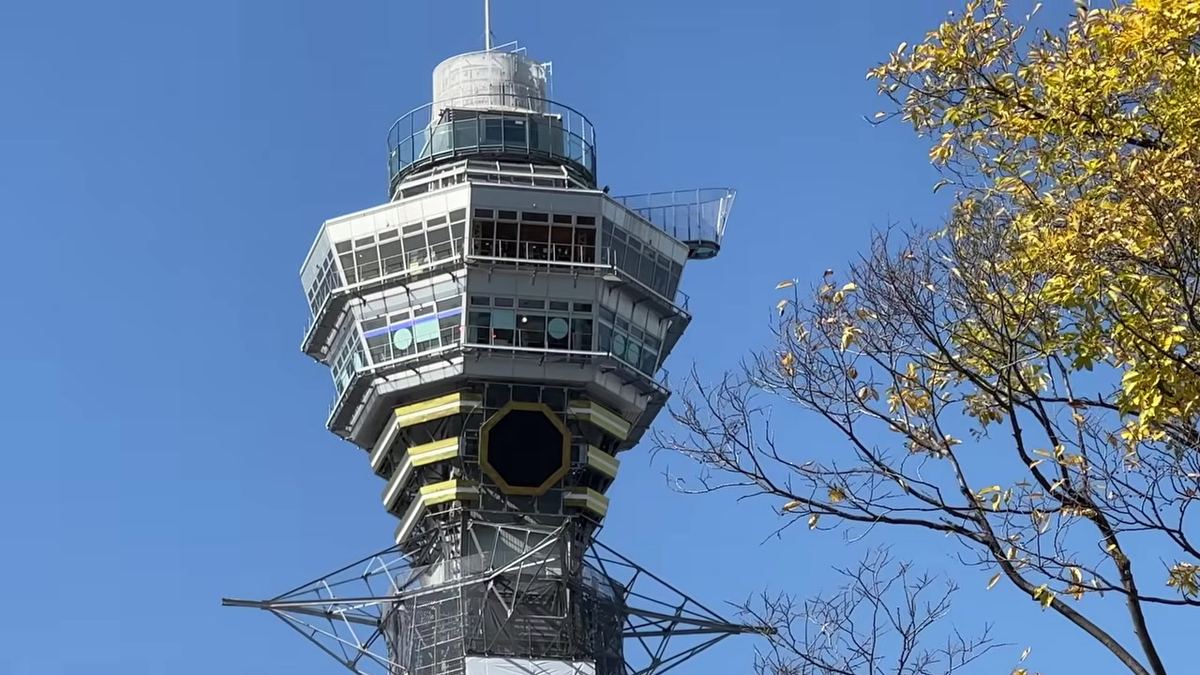
Tsutenkaku is the famous landmark of Shinsekai. It was first built in 1912, and the current tower dates from 1956, designed as a symbol of hope and prosperity for the people of Osaka. I paid an extra 500 yen to go up to the rooftop, and I think it was worth it. It is a place where you can feel the spirit of Osaka.
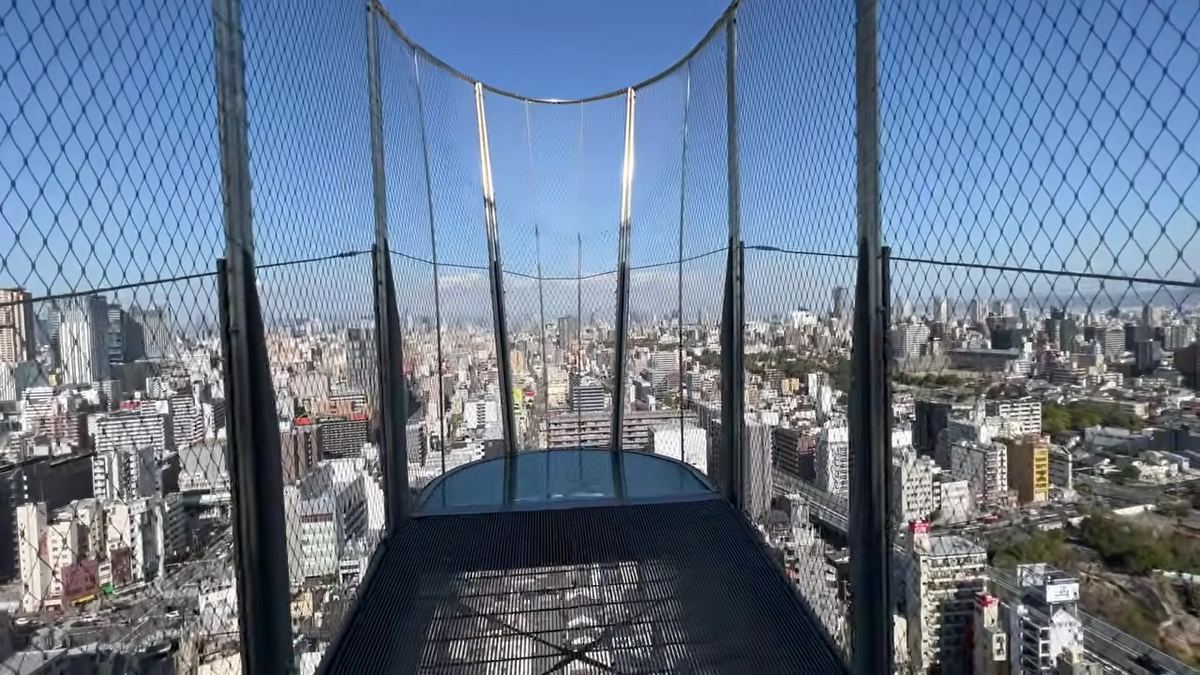
It isn’t a big tower, but going up and down takes time when it is busy, so give yourself enough time. Today the indoor deck and the outdoor top deck are sold as one ticket for 1,500 yen, with a reserved entry time, according to the official Tsutenkaku site (in Japanese).
Osaka Castle
Speaking of looking out over the city, there is a place that people used to look around Osaka from hundreds of years ago: Osaka Castle. It was originally built in the late 16th century by the military leader Toyotomi Hideyoshi. Almost all of it was destroyed by fire at the end of the Edo period.
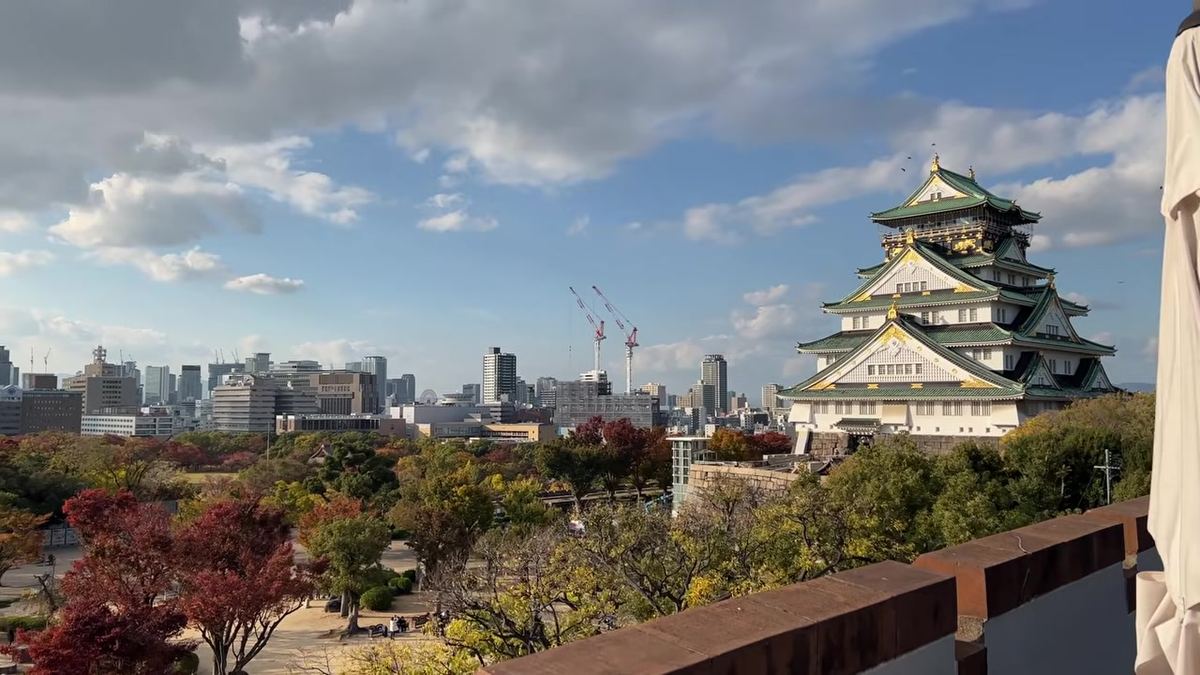
In 1931 the castle tower was rebuilt for the third time as a museum, and that is the tower we see today. When it was repaired for earthquake protection, an elevator was installed, so you can ride to the middle of the castle. That helps, because everyone is already tired from walking in from the castle entrance. See the official Osaka Castle site for hours.
Abeno Harukas at night
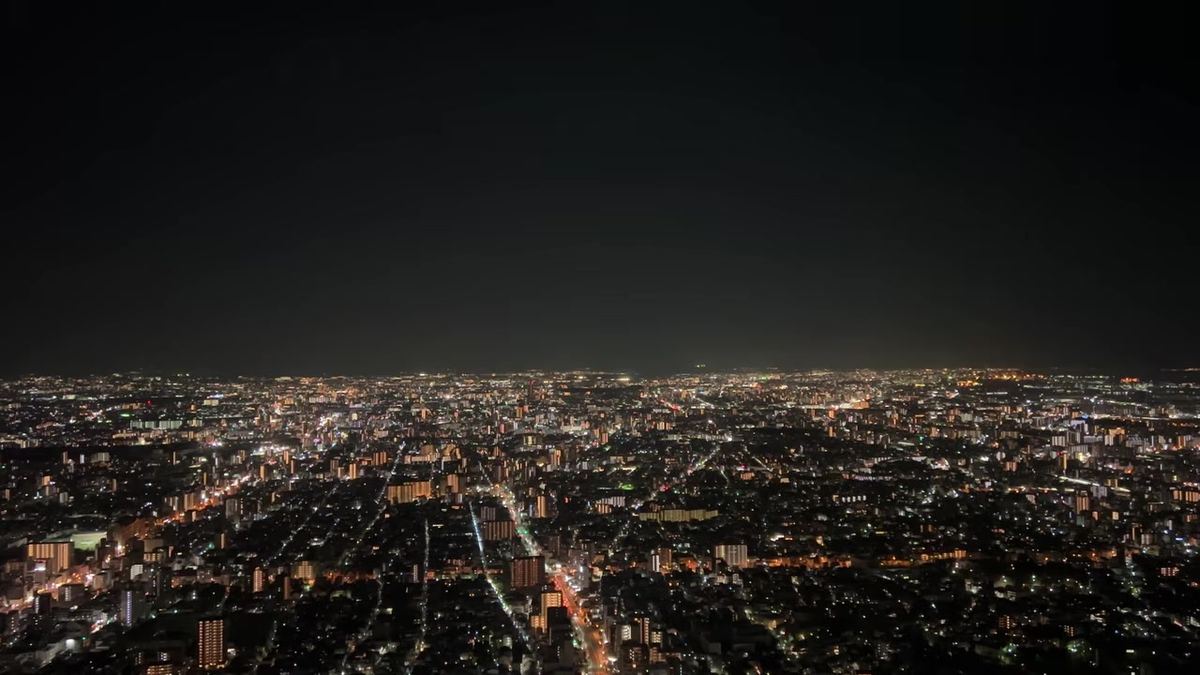
These days there is an even higher place to look around Osaka: Abeno Harukas in Tennoji, the tallest building in Osaka at 300 meters. I passed it in Tennoji during the day and came back at night for the view. The observation deck was not included in the Amazing Pass, so check the official Harukas 300 site for tickets.
Dotonbori at night and the river cruise
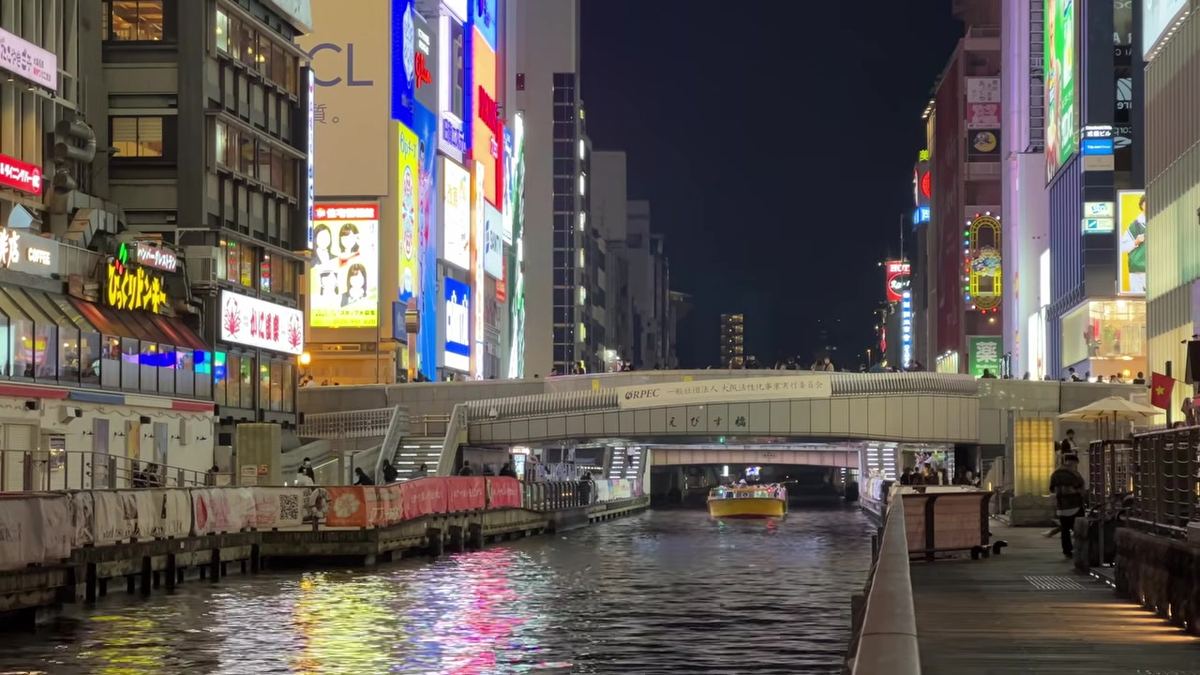
At night, I went out to the vivid streets of Osaka. Dotonbori is a popular tourist and shopping district, known for its lively street atmosphere, colorful signs and entertainment, and it is centered on the Dotonbori canal. Osaka’s night is somewhat nostalgic, with so many shop signs everywhere you look.
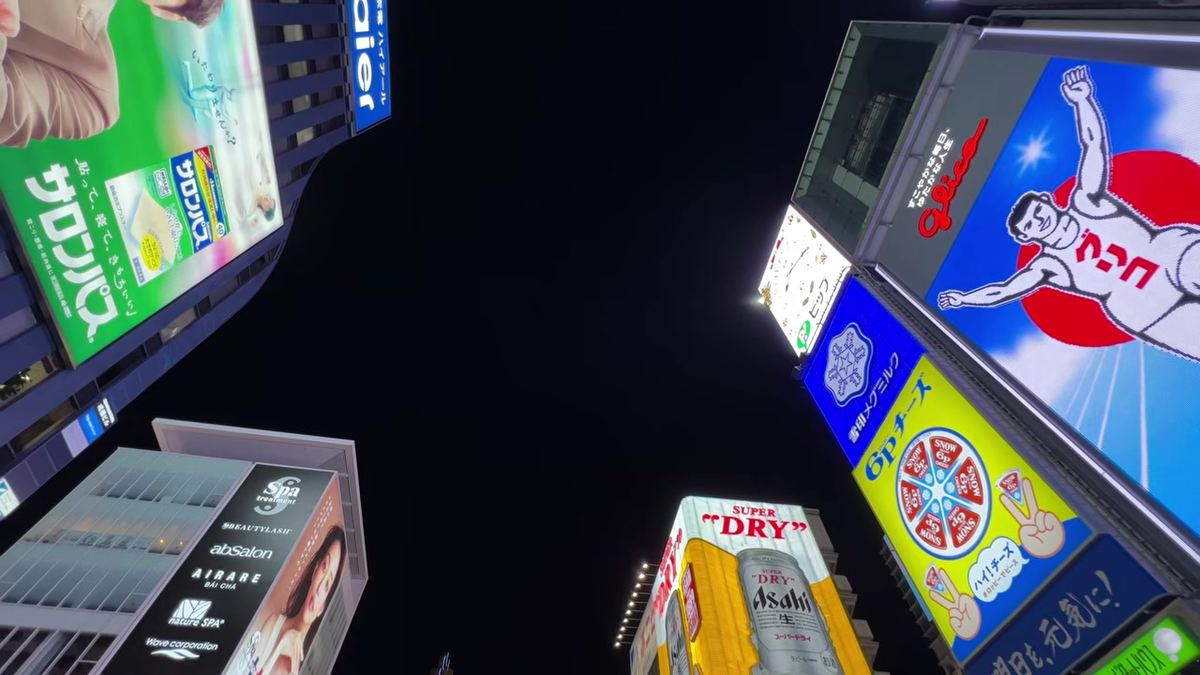
On the canal you can take a cruise, which was included in my pass. Night cruises are popular, so I recommend getting your ticket for the night cruise in the morning. The ticket counter is right outside the Don Quijote store with the Ferris wheel by the canal, so everyone can find it easily.
Our guide spoke Japanese and English, with some Osaka jokes. It isn’t a long ride, about 20 minutes, but I’m sure it will make your night in Osaka a memorable one. The cruise is called the Tombori River Cruise, and it is still on the Amazing Pass attraction list.
A night at a hot spring hotel in Minoo
To take a break from the vivid city, I went to Minoo, a town in the north of Osaka about half an hour from Osaka-umeda by Hankyu. As soon as you leave the station you see houses and mountains. Minoo is famous for its hiking trails and hot springs, and the Minoo waterfall is about 2.4 kilometers away.
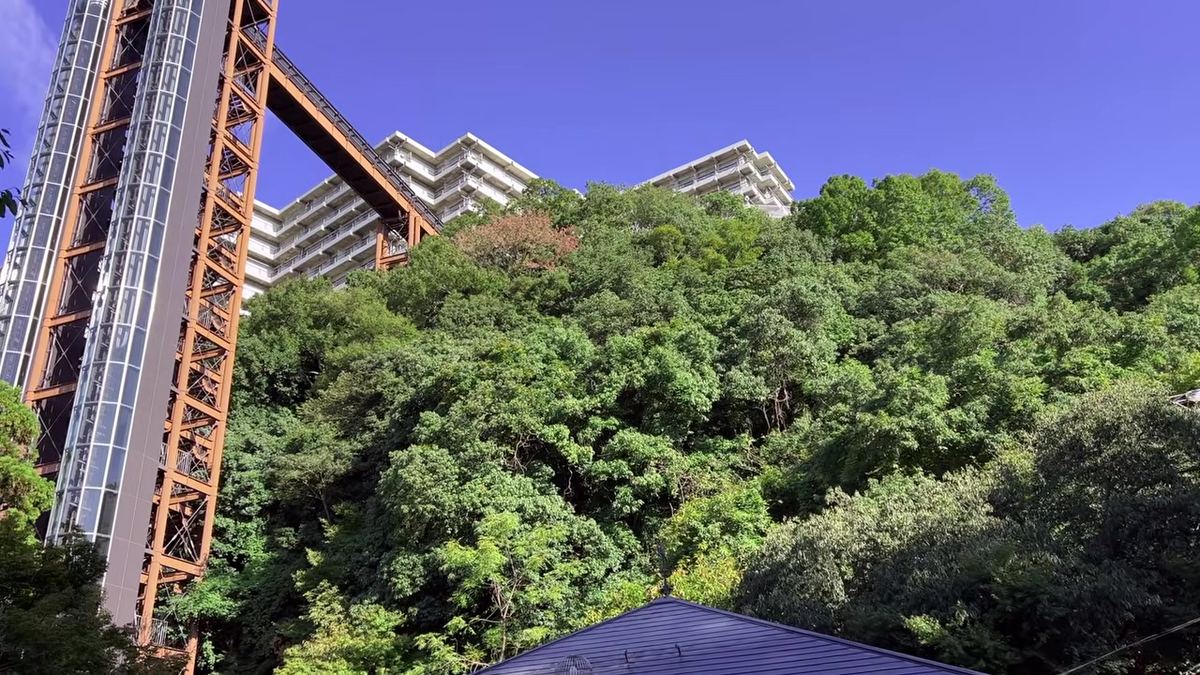
I stayed one night at the Minoo Kanko Hotel, run by Oedo Onsen Monogatari. At the entrance to the hiking route, an elevator takes you up to the hotel. It had a big spa downstairs and outdoor baths on the roof overlooking the city, and the spring water is said to make everyone good-looking.
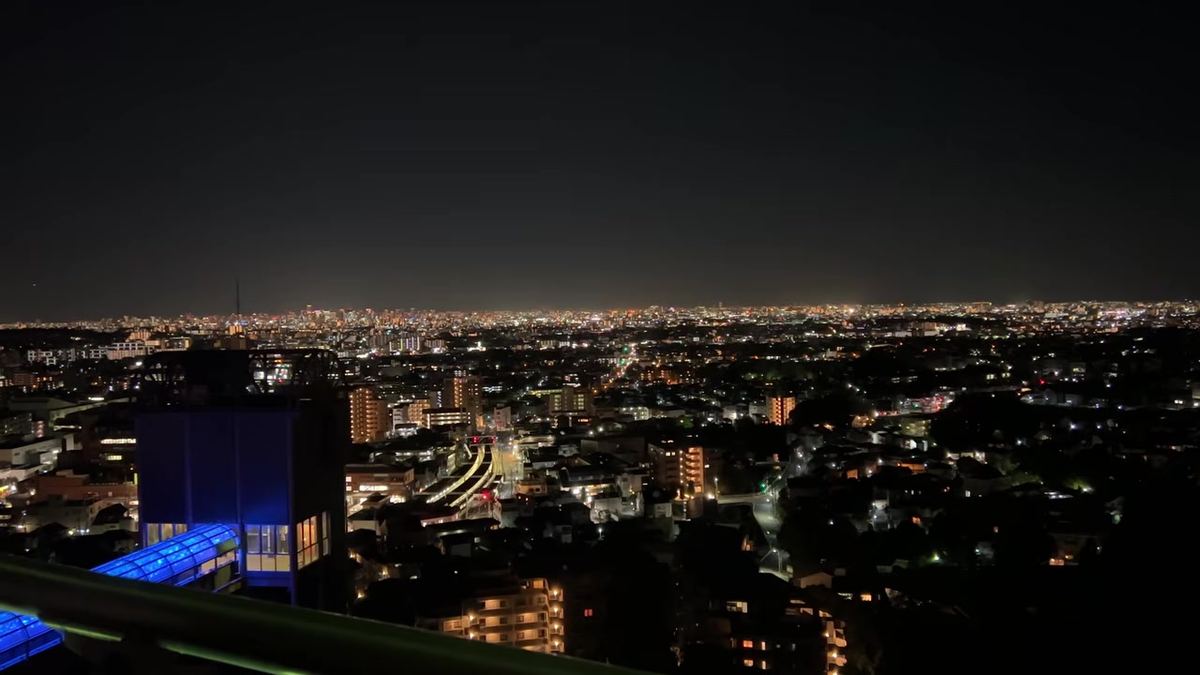
The hotel was dated and could have been better, but the night view was great. I saw Osaka Bay, the shadow of Mount Ikoma that divides Nara and Osaka, and the lights of airplanes landing at Osaka Airport. Like a normal ryokan, the plan included two meals, both casual buffets.
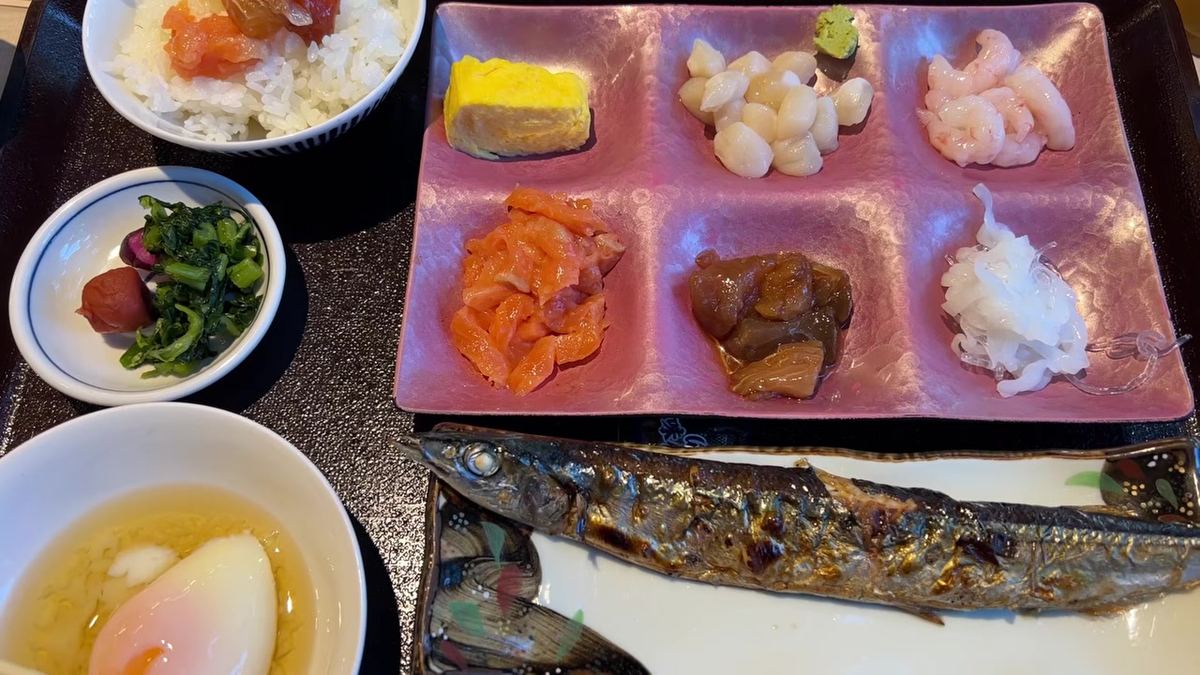
If you don’t want Japanese food for breakfast, they had bread and cereal too, and I think my skin was cleaner after the hot spring. The hotel has since been renovated and reopened in October 2026 as Ooedo Onsen Monogatari Premium Minoh Kanko Hotel, so it should look different now.
Where to stay and using Osaka as a base
Osaka has plenty of international and Japanese hotel brands, from luxury to budget, so you can choose by location and brand. You can compare hotels in Osaka on Expedia, and if you are going to Universal Studios Japan, my USJ tips include the hotel I stayed at there.
Osaka is also a good base for the rest of Kansai. Kyoto is only about 30 minutes from Osaka Station, but Kyoto has a bigger presence as a destination, so if Kyoto is your main goal, it might be better to stay there. Nara, the other old capital, is about 40 minutes from Namba by Kintetsu. See my Kyoto travel guide and Nara travel guide.
General tourist information: popular sights in and around Osaka that I haven’t covered here include the Umeda Sky Building observatory in Kita, Himeji Castle to the west, and the temple town of Koyasan in the mountains of Wakayama. Check their official sites for hours and admission.
Where to next
I hope this gives you an image of an Osaka trip. Osaka sits in the middle of Kansai, so it is easy to combine with the old capitals or a day at Universal Studios Japan. These are the guides I would read next if you are planning the rest of your Kansai trip.
- Kyoto Travel Guide: how I get around Kyoto and the places I keep going back to.
- 7 Things to Do in Nara: deer, the Great Buddha and the old capital, an easy trip from Osaka.
- How to Enjoy a Smooth Trip to Universal Studios Japan: tickets, Express Pass and where I stayed.