This post contains affiliate links. If you book through them, I may earn a small commission at no extra cost to you. Learn more.
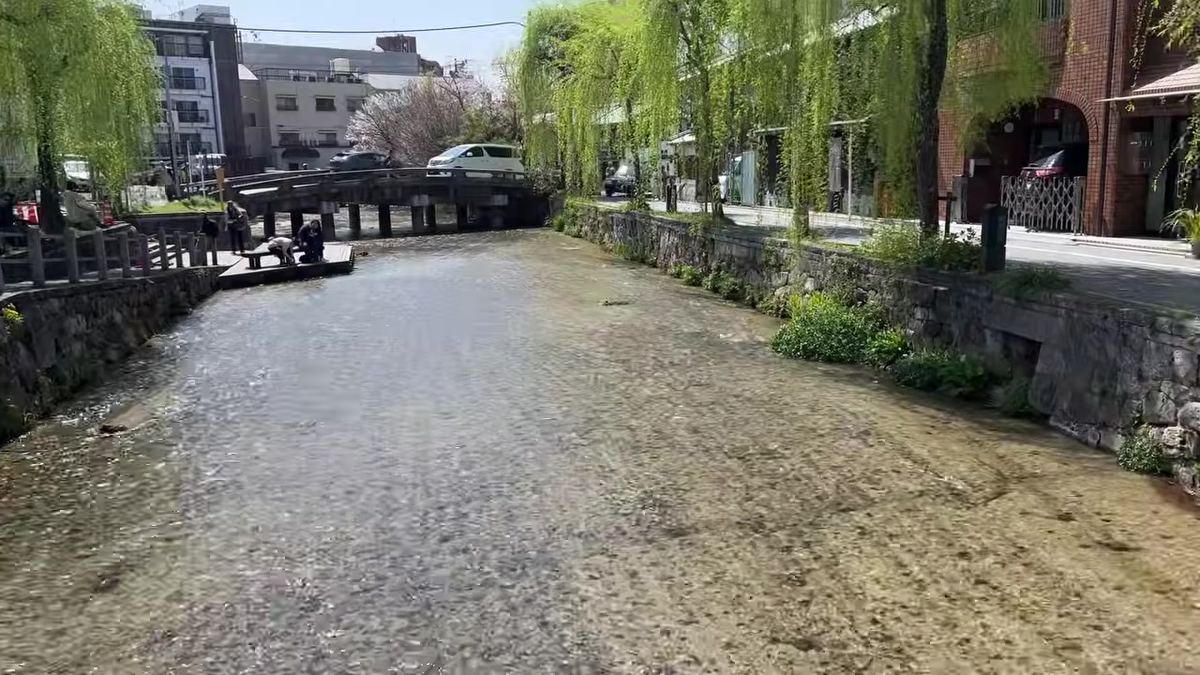
Whenever I go to Kyoto, I feel it is a very special city, and it gives me a uniquely elegant feeling. Because of that, as I travel around other parts of Japan, I sometimes think of Kyoto and even wonder whether a city like that can really exist. I have no personal connection to Kyoto at all, but I have been there many times, and when I come back to the banks of the Shirakawa in Gion, for example, I feel relieved, as if I had returned to a place I miss.
Kyoto was the capital of Japan for more than 1,000 years, until the Emperor moved to Tokyo. Temples, shrines, gardens and many other historic treasures remain, and of all of Japan’s different faces, it may be the city closest to the image people have of Japan. These days you hear a lot about overtourism and other problems, but I still think Kyoto is a must-visit place.
I have been to Kyoto many times, three times in one year alone, and each trip gave me a different experience. Some places are very busy and touristy, but after a while I start thinking about going back. In this guide I share how I get there and around, where I like to stay, and the places that stayed with me.
Getting to Kyoto from Tokyo
From Tokyo, the Shinkansen is the fastest and easiest way, because it takes you straight to Kyoto Station. The Nozomi takes about 2 hours and 15 minutes. If it is your first time on the bullet train, my guide to getting on the Shinkansen from Tokyo to Kyoto covers tickets and luggage, and 10 ways to travel between Tokyo and Osaka-Kyoto compares the other options.
When you get off the Shinkansen imagining Zen gardens and temples, you may be a little surprised by the big modern station building and the offices around it. Kyoto is a city where over a million people live. But don’t worry. It is surrounded by mountains, and a short trip from the center takes you somewhere quiet and green.
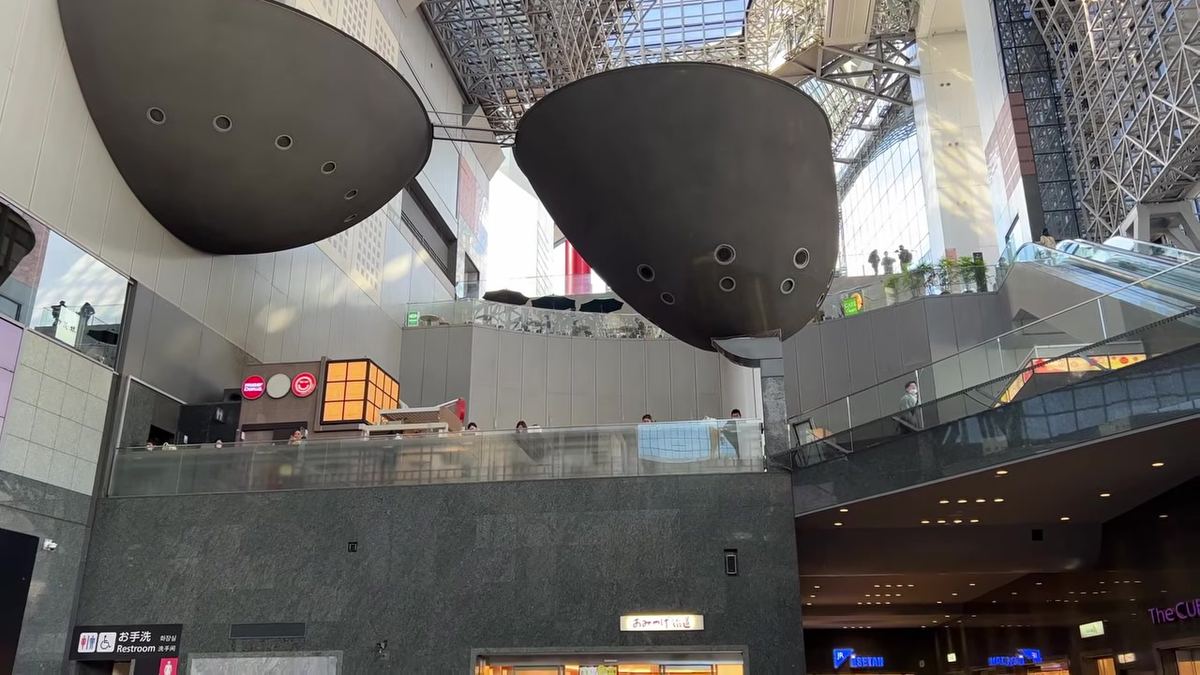
On the Karasuma side of Kyoto Station, the JR ticket office has a counter for international travelers, a good place to make reservations or ask questions. Both sides of the station have plenty of coin lockers, and there is also a staffed counter that can send your bags to your hotel. If you fly into Kansai Airport instead, see my KIX to Kyoto guide.
When I leave Kyoto in the evening, I check out of the hotel, put all my luggage in a locker at the station, and look around the city with empty hands. Many lockers now work with an IC card, so you just touch your card to pay and lock, with no key to carry around.
How Kyoto is laid out
Kyoto Station sits on the south side of the city, and many hotels are around it. The city center is around Kawaramachi, a little north, with department stores, Nishiki Market and the restaurants of Pontocho. Google Maps says it is a 30-minute walk from the station, and I think it takes longer.
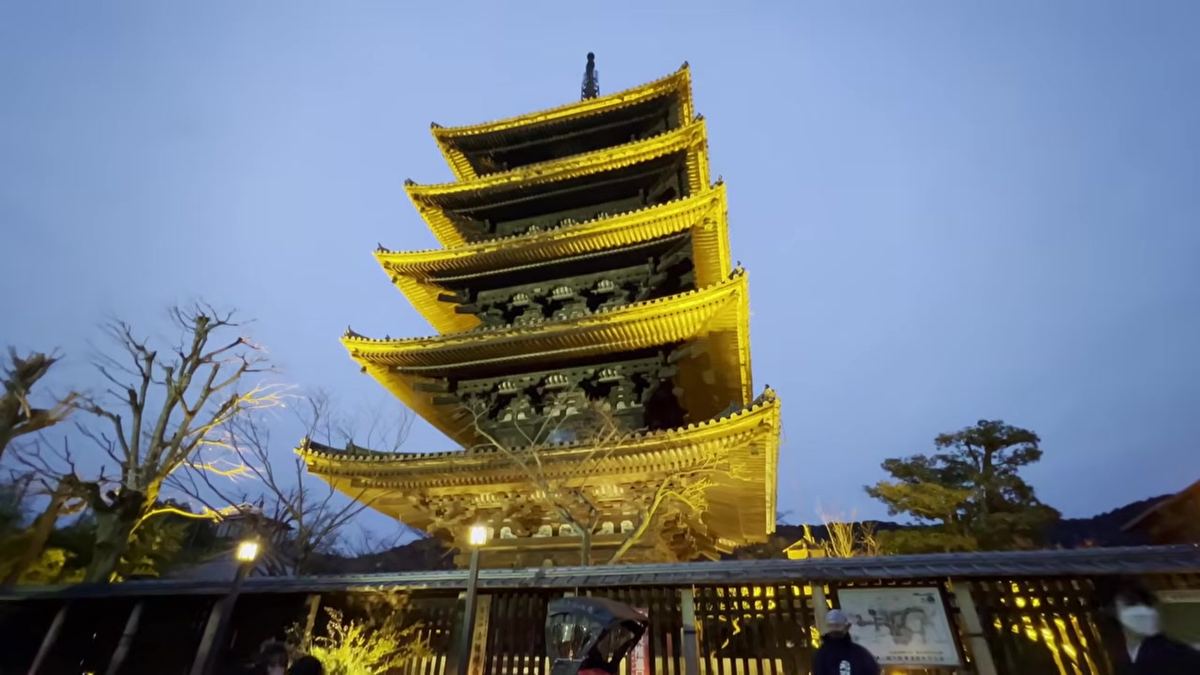
Across the Kamogawa River to the east, the area up to the Higashiyama mountains has many of the sights you have probably seen in pictures, such as the pagoda of Hokanji and Kiyomizu Temple. If you have little time on your first visit, this is probably where you want to go. It is all walkable, but there are hills, so wear comfortable shoes.
The other must-visit area is Arashiyama in the west, with temples on both sides of the river, the bamboo grove and the Torokko train. It feels more laid-back and natural than Higashiyama. Both areas are easy for visitors, because once you arrive you can walk around and explore, and there are tons of places to see in each.
Getting around: buses, trains and taxis
I actually find Kyoto a little difficult to get around. The subway doesn’t connect to many sights, and the train lines aren’t well linked to each other, so here more than in any other Japanese city you rely on buses and taxis. Kyoto has four bus companies, but the one you will probably use most is Kyoto City Bus.
On most Kyoto city buses you get on through the rear door and get off at the front, paying as you leave, which is the opposite of Tokyo. Within the city the city bus fare is a flat 230 yen, and you can pay with cash or an IC card, including Suica or PASMO from Tokyo.
If you plan to ride a lot, the Subway & Bus 1-Day Pass costs 1,100 yen and covers both the subway and the city buses for the day. The city plans to raise the regular bus fare for non-residents during fiscal 2027, so check the official page close to your trip.
I always underestimate how long sightseeing in Kyoto takes, and I end up rushing to Kyoto Station to catch the Shinkansen back to Tokyo. Buses and taxis are slower than trains and their timing is hard to predict, and the temples and streets are so attractive that I forget the time. When I’m tired after a long day of walking, I just take a taxi back to the hotel.
Higashiyama and Gion: my favorite part of Kyoto
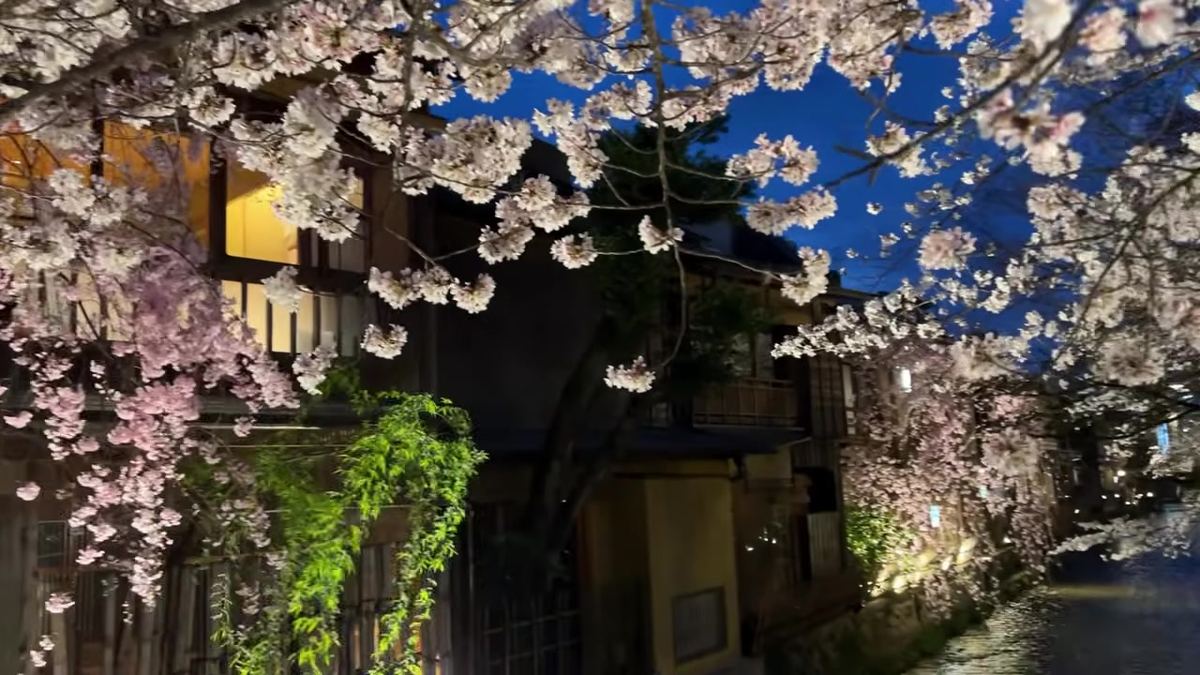
When I arrived on my spring trip, I dropped my bag at the hotel and walked along the Shirakawa River, which connects the Heian Jingu area to Gion. For me, whatever the season, this is the place where I realize the beauty of Kyoto. In some parts the river hides behind the houses, but along most of it runs a small side street.
After dinner, someone at my hotel told me that the cherry blossoms by the Shirakawa in Gion were great, so I went looking for them. I got lost a little, but I found them, all lit up, and it was so beautiful. It was clearly a popular spot, and I felt like the only one who hadn’t known the party was going on.
There was an even bigger party at Yasaka Shrine, by Maruyama Park, with lots of food stalls and people. I felt like I had slipped back in time to my childhood, and I was very happy to see people back in Kyoto like this. On the way back to the hotel I passed Chion-in, my favorite temple, and found it was open for a night illumination.
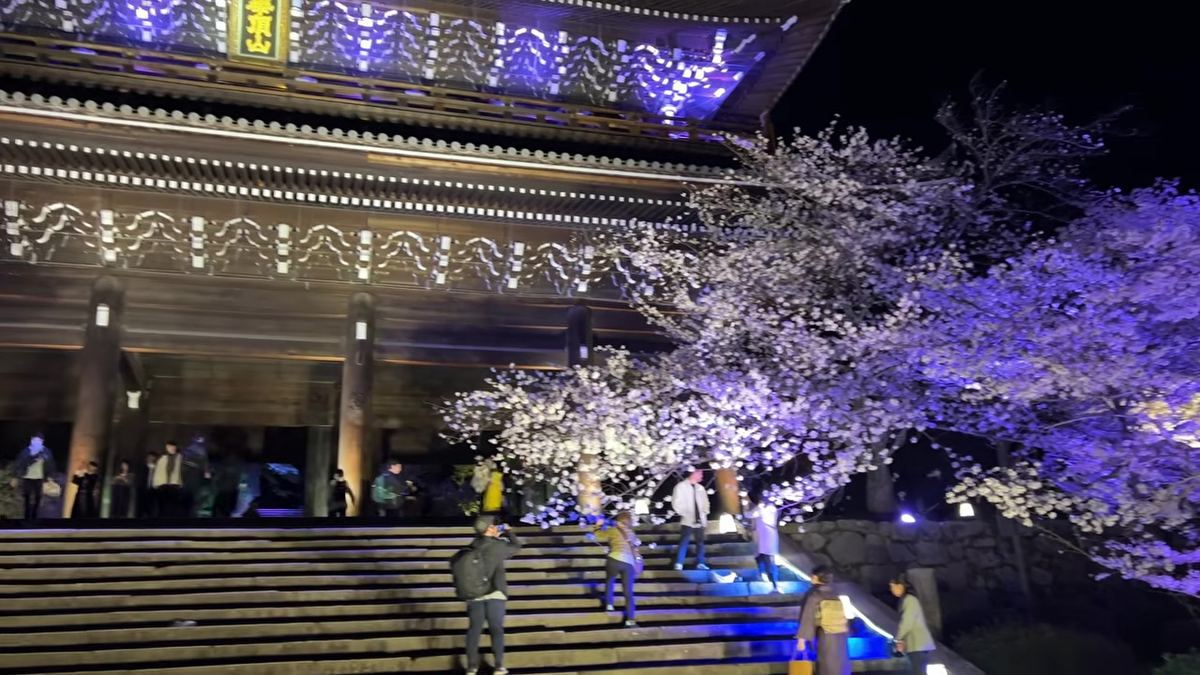
Chion-in is the head temple of the Jodo Shu school of Buddhism, the same group as Zojoji in Tokyo. I went up the Sanmon Gate to look over the city, then turned around, looked inside the gate, and was lost for words. Sixteen statues, all National Treasures, sat silently as if they knew everything.
Most Japanese Buddhist temples are quite open and welcome you wherever you are from. They don’t expect you to be Buddhist or share the same beliefs, so it can be interesting to take one step further and enjoy the cultural side of Buddhism. That is just my own feeling, of course, and it is your choice.
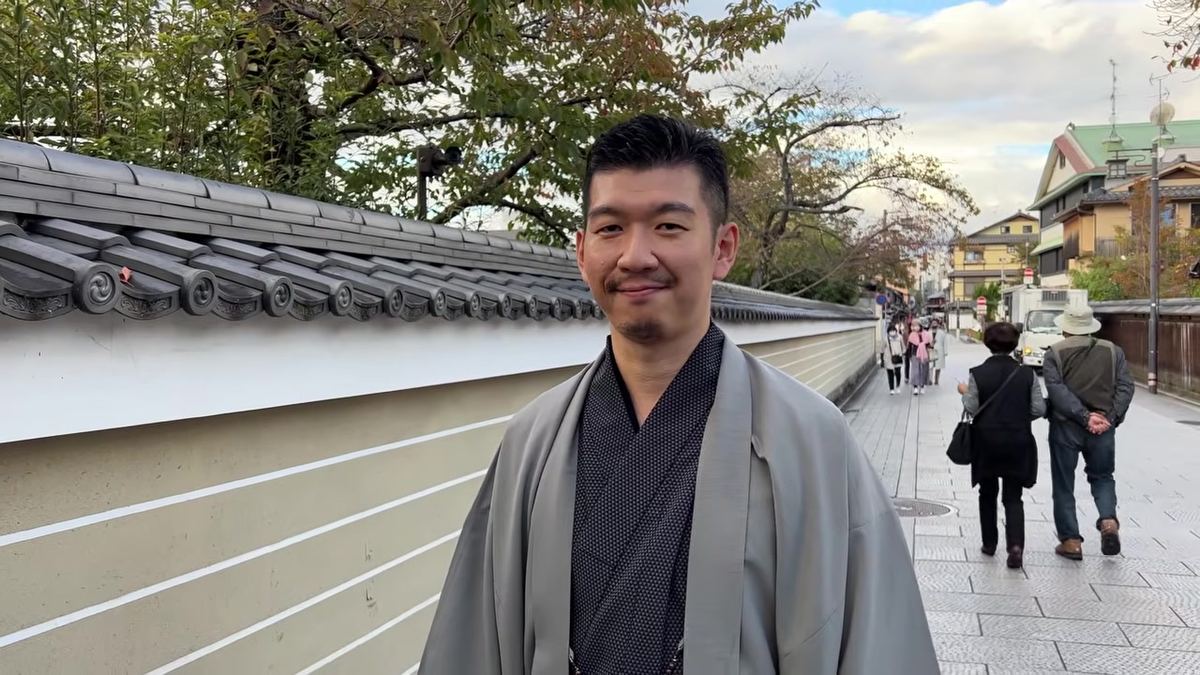
On another trip I tried wearing a kimono in Gion, the center of tourism in Kyoto. It is one of the most popular things to do here, and I saw people from all over the world in kimono. Kyoto, and probably Asakusa in Tokyo, are the places to try it, so if you have the chance, it makes a unique experience.
If you want to see Gion’s geiko culture from the inside, Wabunka offers a private geisha party in Gion, where a geiko dances to live shamisen while you eat and drink rare sake. I haven’t done this one myself, but it is a way to experience a side of Gion that most visitors only see from the street.
Kiyomizu Temple at 5 a.m.
On my spring trip I stayed at a Japanese-style inn in Higashiyama and got up at 5:00 a.m. to see Kiyomizu Temple in the morning. That was probably the best decision I made on the whole trip. Even the slopes up to the temple were quiet at that hour.
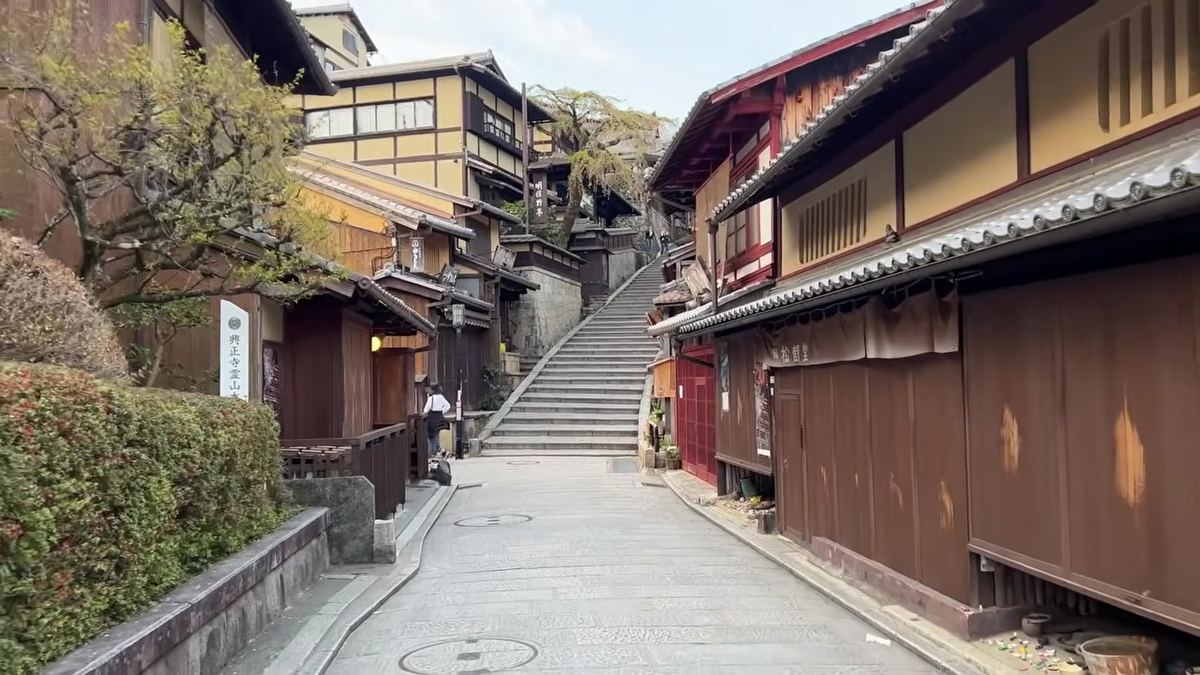
I had come to Kiyomizu Temple at night as well, but it was still busy, because it is so popular. In the morning it was really empty, as if it had been waiting for me. With the cherry blossoms, it was worth waking up early, and even more so because I saw a beautiful bird. When it is quiet, you can hear all the birds.
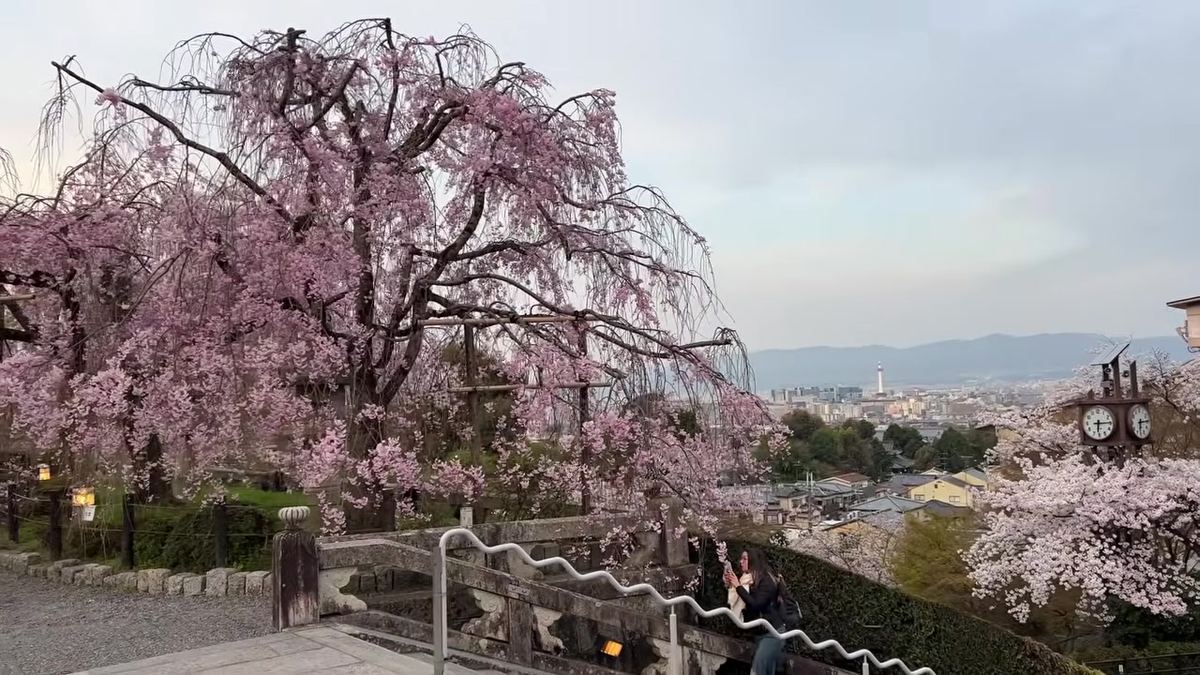
Nanzen-ji, the Philosopher’s Path and Ginkaku-ji
One area I like to walk is from Keage Station to Nanzen-ji Temple. It is so well maintained and quiet, and when I finally reach the temple’s great gate, I’m speechless, in awe of the nature, the tradition and all the people who look after it. In the garden there is an old brick water bridge that still carries water from Lake Biwa.
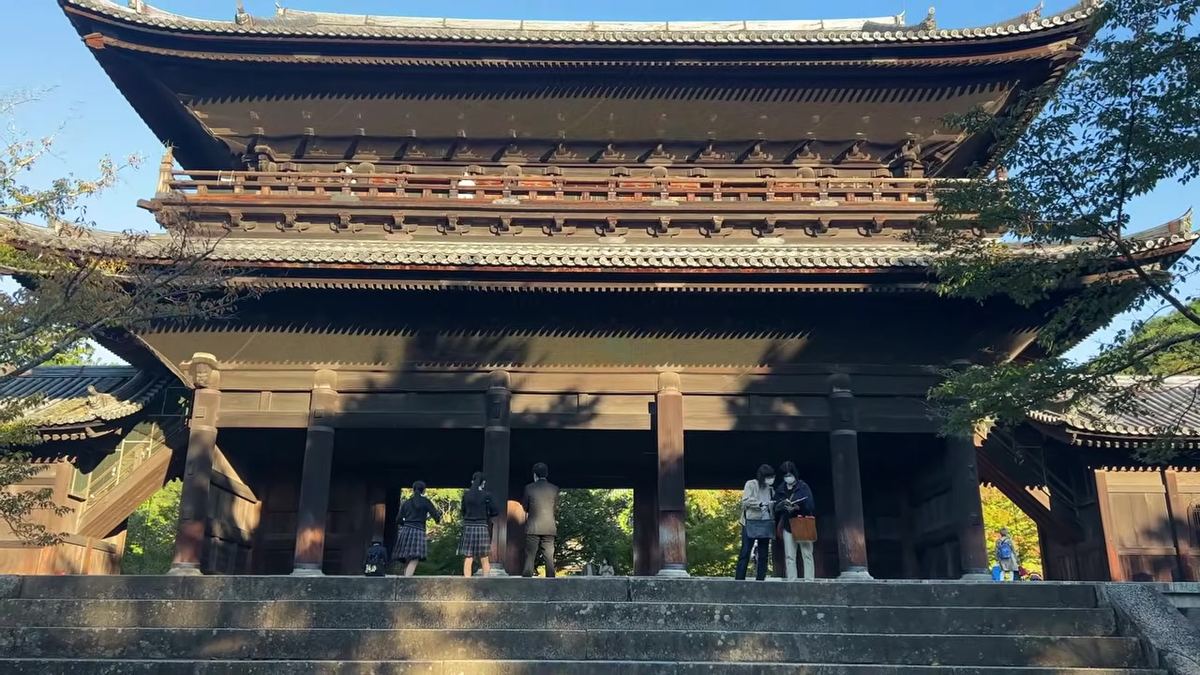
If you go up beside the water bridge, you reach the top of the Keage Incline, an old railway that once carried boats up from the canal near Heian Jingu. The canal, Biwako Sosui, was built in 1890 and, with Japan’s first hydropower plant, brought Kyoto water and electricity. Today the incline is one of the most famous cherry blossom spots, and inevitably it is crowded.
This area also connects to Tetsugaku no Michi, the Philosopher’s Path, named because famous philosophers used to walk it, and it is a great place to think deeply as you walk. The carp in the stream were surprisingly big and the ducks were so cute. There were a few handmade cake shops and coffee shops along the way, so if you find one you like, take a rest.
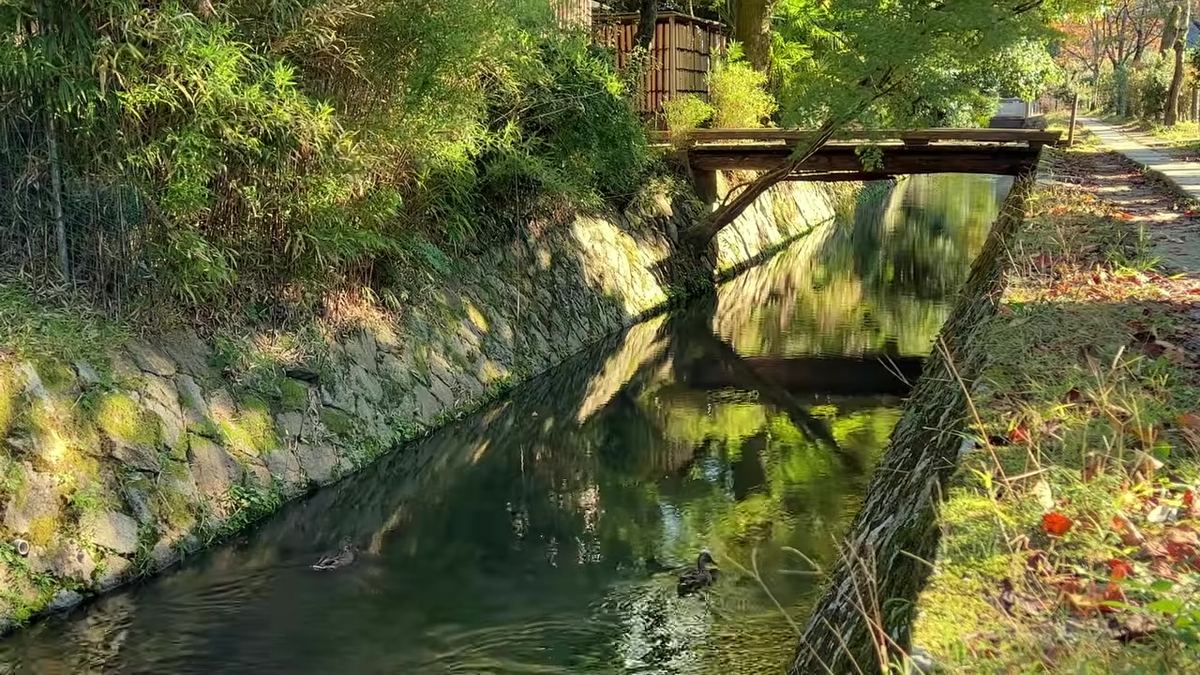
For me, the charm of Kyoto is nature that has been cared for by people, whether a beautiful garden or a little stream like this one. At the north end of the path is Ginkaku-ji, where you can still see a building from 1489. It represents Higashiyama culture, simple and far from gorgeous, in contrast to the Kitayama culture of golden Kinkaku-ji.
After the crowds at Keage, I followed the Lake Biwa canal away from the major sights, to quiet places where I could hardly believe busy Kyoto Station was so close, and over the mountain to Lake Biwa. I keep those places for the video, so if you are curious, watch my cherry blossom video to see where I went.
Breakfast at Nishiki Market and a walk by the Kamogawa
Kyoto has many clear streams from the mountains, and some foods depend on good water, like tofu. Something similar but hard to make at home is yuba, tofu skin. To look for yuba I went to Nishiki Market, called the kitchen of Kyoto, which sells all kinds of food from Kyoto, mostly to local people.
There aren’t many places to eat breakfast in Kyoto, but I found a restaurant in the market that opens at 8 a.m. It is known for obanzai, Kyoto home-style cooking made of many small dishes. In this restaurant you can eat a yuba bowl with a set of obanzai, which is what I had.
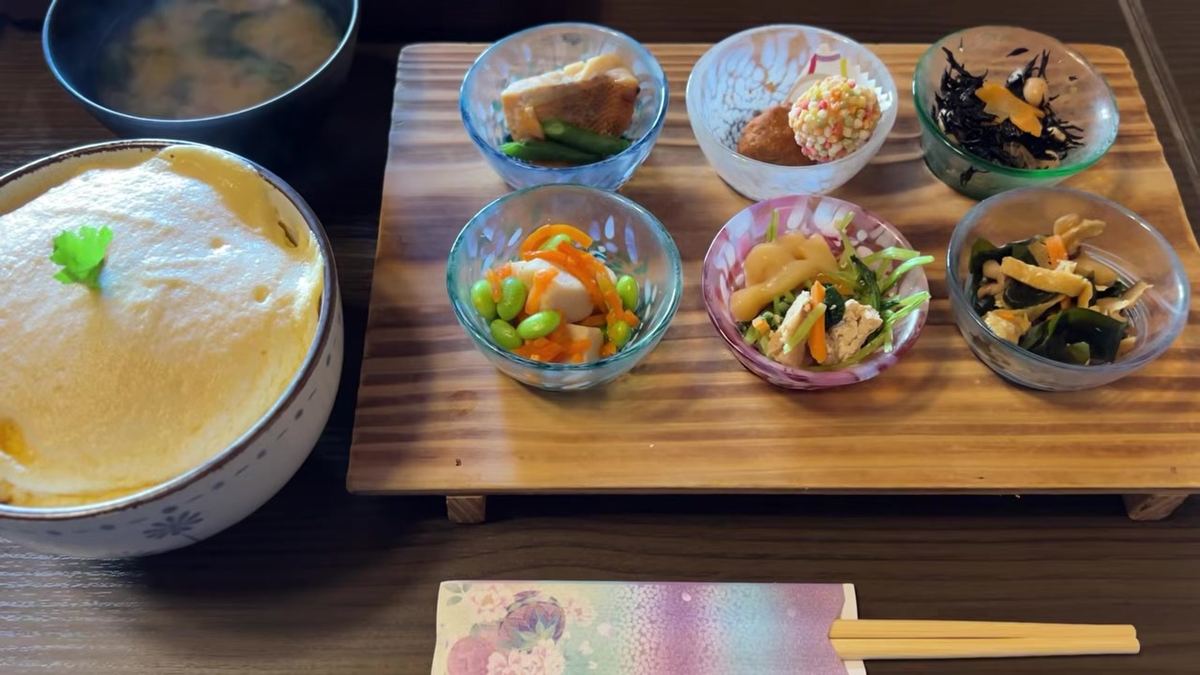
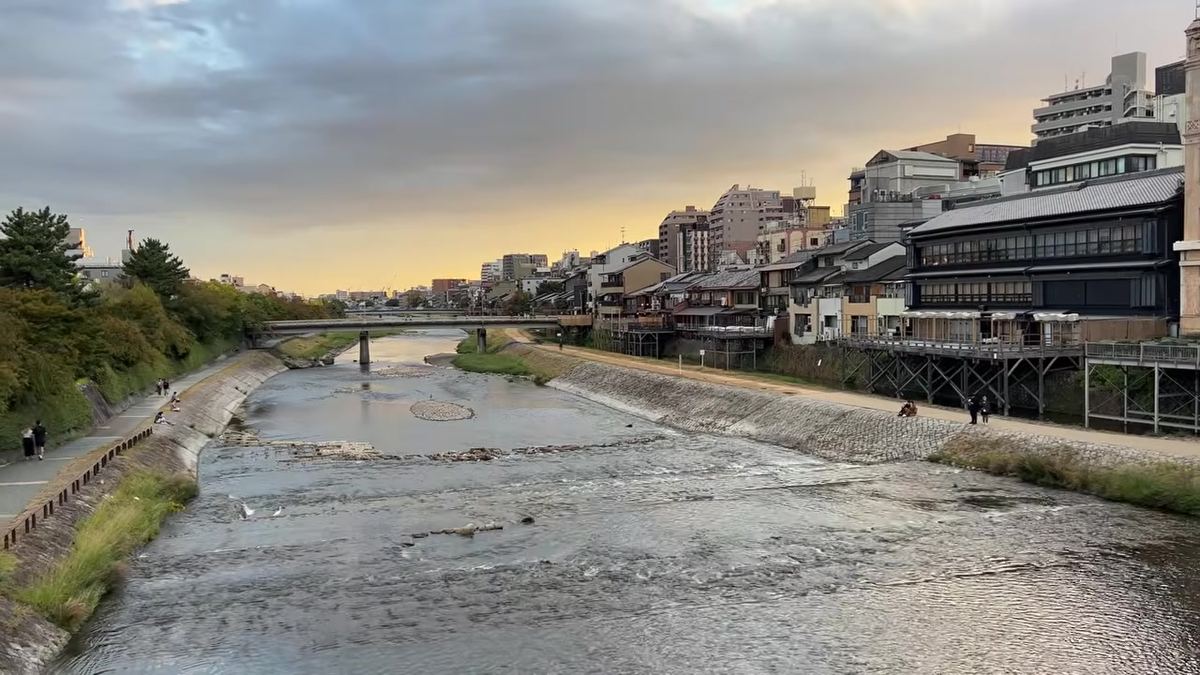
After breakfast I walked along the Kamogawa River, one of my favorite things to do on a Kyoto morning. It doesn’t have to be the morning, though. At any time and in any season you can feel the vibe of Kyoto there. In spring the riverbank was full of people enjoying the breeze.
Arashiyama: the Torokko train and the bamboo grove
From Saga-Arashiyama Station I took the Torokko train, a sightseeing train that runs on a line that used to be part of the JR line. There are different types of cars, and I chose the open one without windows. The ride through nature took about 20 minutes. If you can choose, sit on the right side on the way to Kameoka.
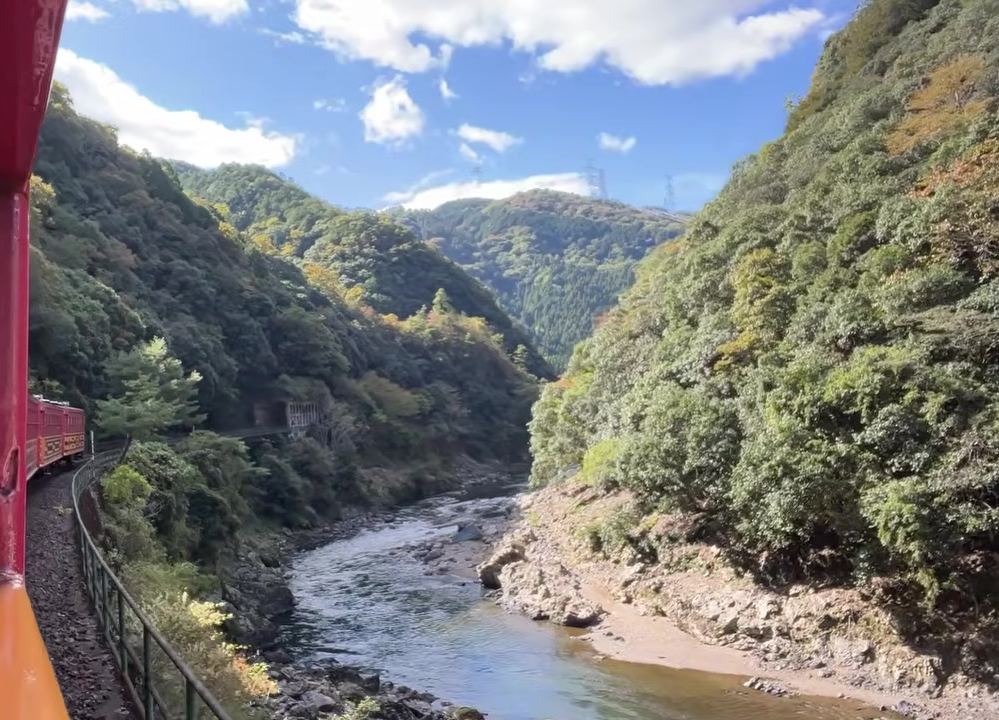
The Sagano Romantic Train, as it is officially called, is not a JR line, so the JR Pass doesn’t cover it. Tickets can sell out before you get to the station, so book ahead. You can reserve seats, including the open car, on the official ticket page.
At Torokko Arashiyama Station, which is the one to use for the bamboo grove, I visited Jojakko-ji, a temple known for autumn leaves, though its greenery and bamboo are beautiful too. From the top of the stairs you can look over Kyoto and the Sagano area. Togetsukyo Bridge is the center of Arashiyama, with many temples, beautiful nature and souvenir shops around it.
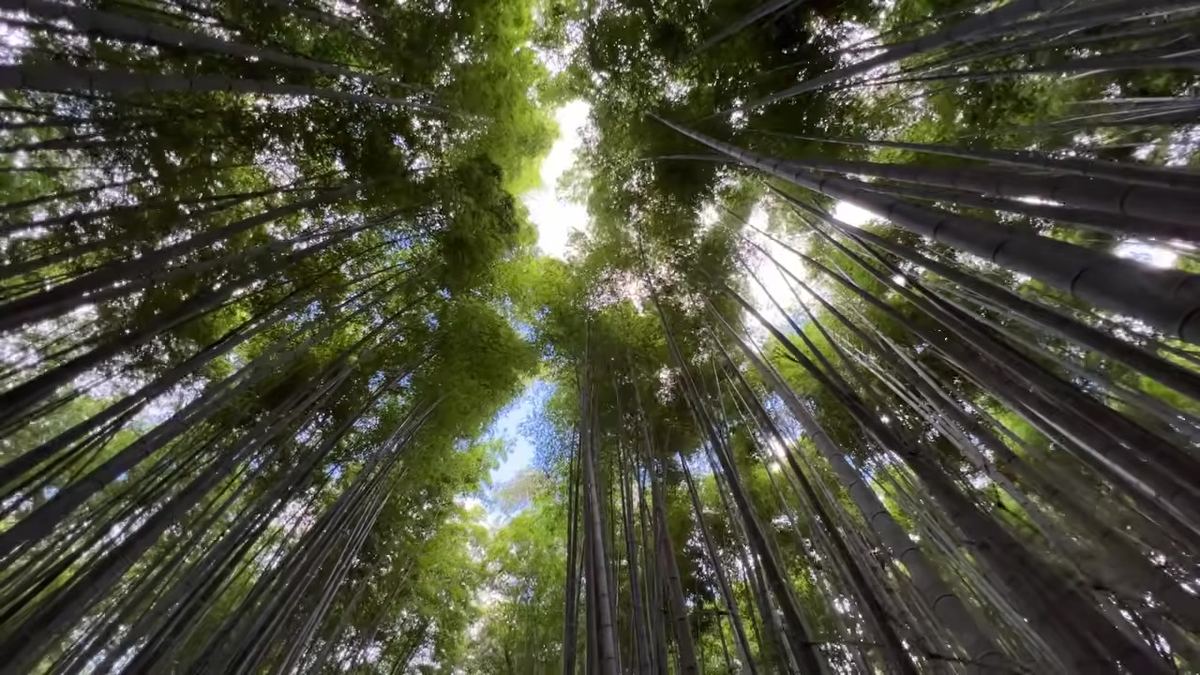
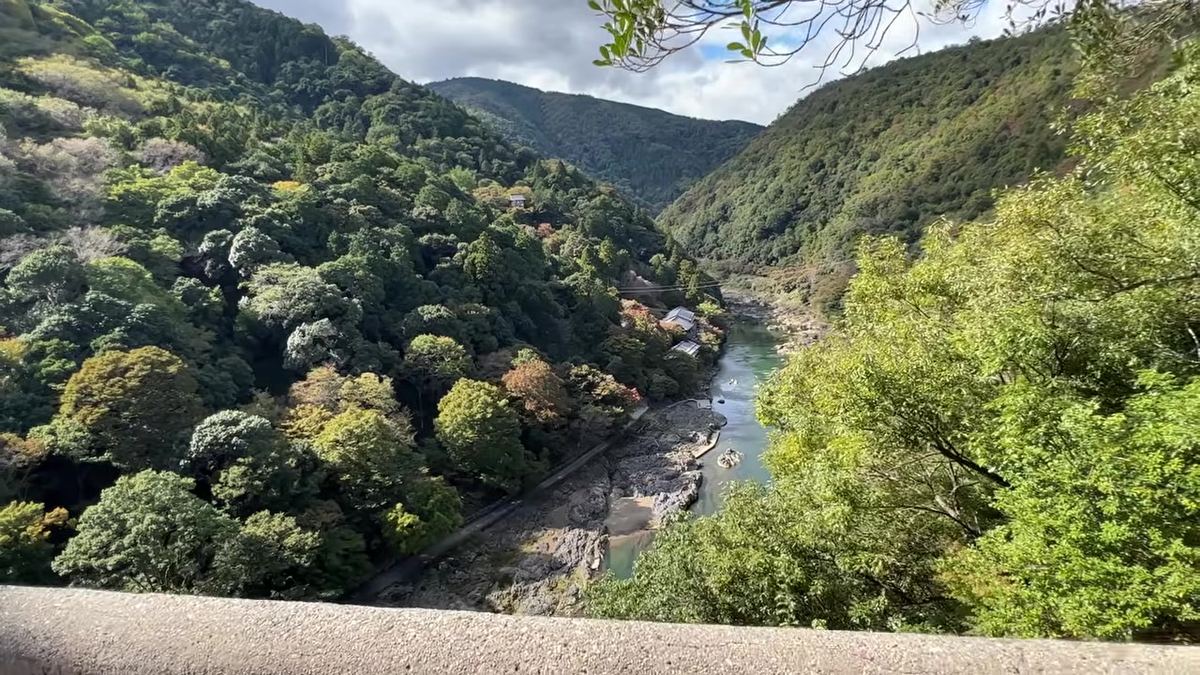
No matter how many photos or videos of the bamboo grove you see, being there feels different. The sound of the bamboo knocking together and being surrounded by those tall stalks really feels like something supernatural. Near the end of the grove, a park has a quiet viewpoint over the river where not many people go.
That viewpoint is especially memorable for me, because I met a traveler from Turkey there. He had jumped on a plane as soon as Japan’s border reopened, and he told me his seven days in Kyoto had been the best seven days of his life. Kyoto really is like a magnet for travelers.
Fushimi Inari, Heian Jingu and Okazaki
Another typical image of Kyoto, like the bamboo grove, is Fushimi Inari Shrine, the head shrine of all the Inari shrines in Japan. Inari is the god people pray to for a good harvest, and the fox is the god’s messenger. The red torii gates are donated by companies and people, with the date on one side and the donor’s name on the other.
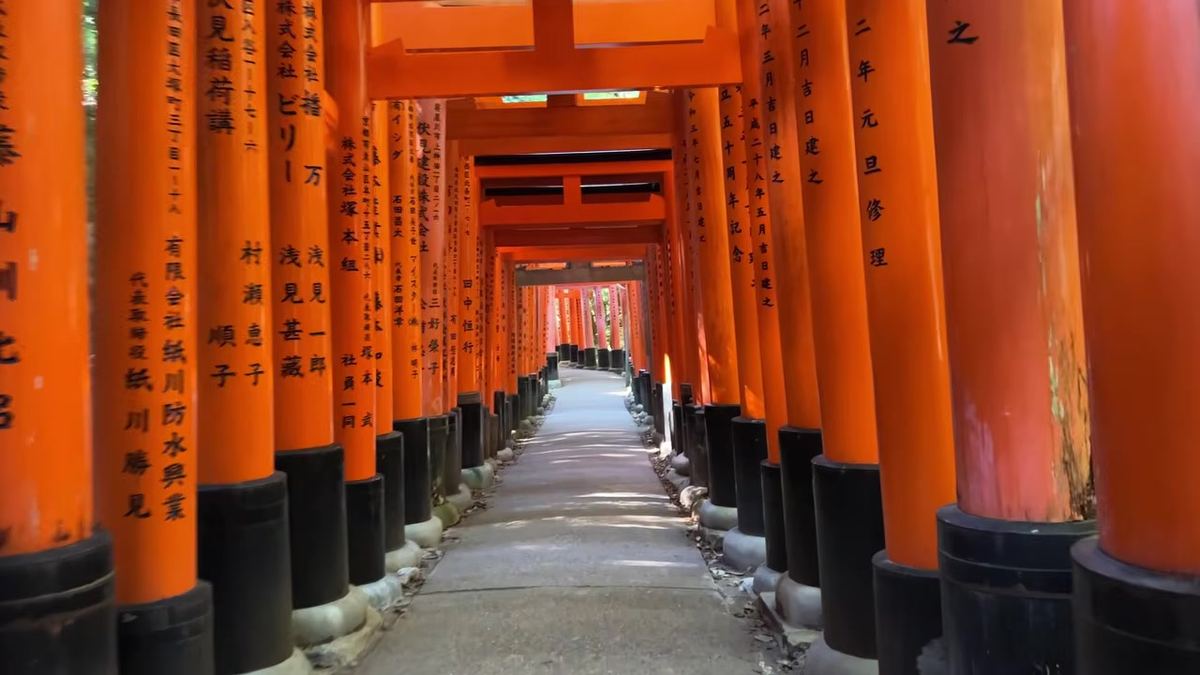
The famous gates are called Senbon Torii, a thousand gates, but there are actually more than ten thousand. Fushimi Inari is probably the easiest shrine to visit, right in front of JR Inari Station, two stops from Kyoto on the JR Nara Line. It is always busy, but once you go higher up the mountain it gets surprisingly quiet.
Heian Jingu is another iconic shrine, though fairly new. It was built in 1895 for the 1,100th anniversary of Kyoto becoming the capital, and it is said it was also meant to heal the people and the city after the capital moved to Tokyo. Its huge orange buildings stand on a wide gravel courtyard.
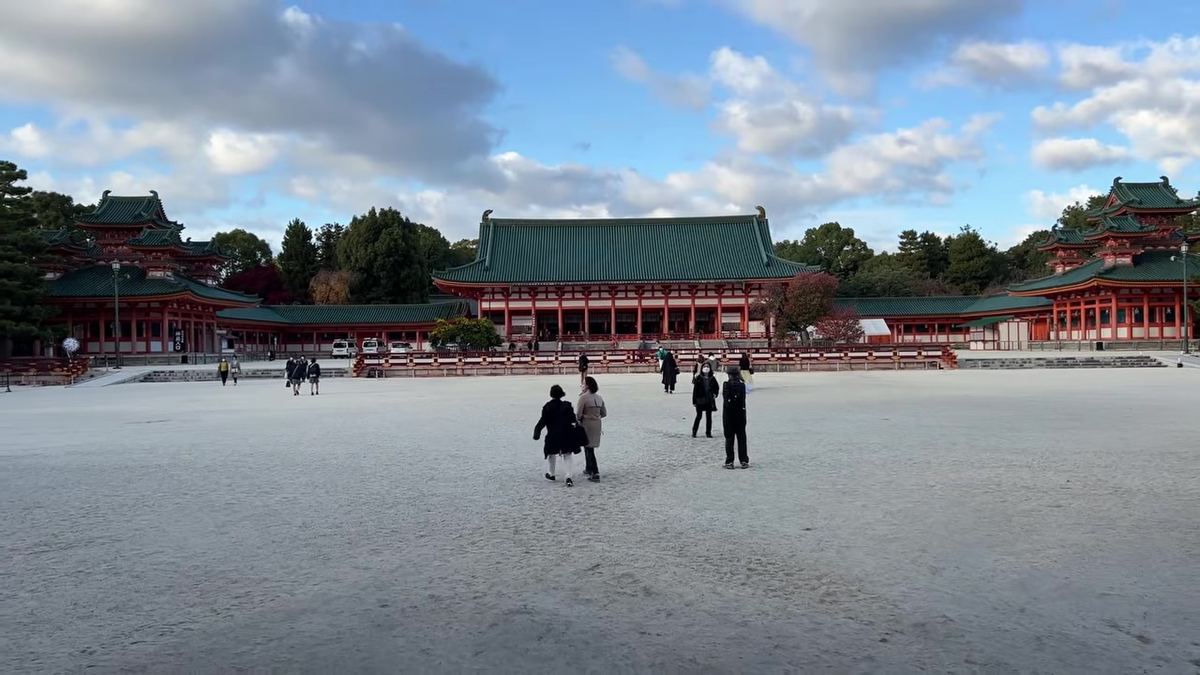
The area around Heian Jingu is called Okazaki, on the east side of the Kamogawa River. It is a wide open area with lots of green and museums, and I even found a really nice Starbucks there. It is spread out and a very nice area to walk around.
Ryoan-ji and a bowl of yudofu
Ryoan-ji, in the northwest of Kyoto, was built in the same period as Ginkaku-ji and is famous for its Zen rock garden. There are four mysteries about the garden, and people’s speculation never stops. It can be interesting to read about them first and then try to find your own answer while you look at the garden.
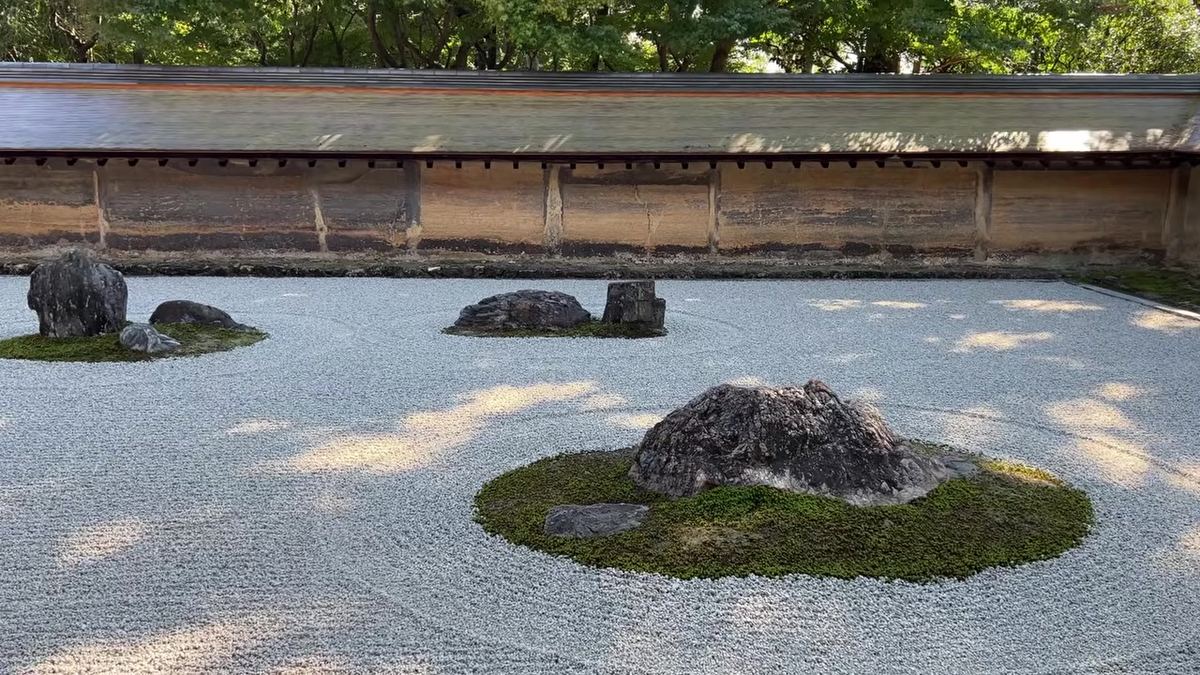
In the temple grounds there is a small place where you can eat yudofu, tofu warmed in hot water. It is very simple food, and you might think you could make it at home, which is what I thought. But the important thing is to look at the Kyoto garden and enjoy the quiet time.
When I need a break from temples
Kyoto also has some unique museums. The Kyoto International Manga Museum in the city center is half museum and half manga library, with exhibitions on the history of manga and how it is made, and tons of manga you can read. Most are in Japanese, but there is a selection in other languages. Check the opening calendar before you go.
The Kyoto Railway Museum, next to Umekoji-Kyotonishi Station, has steam locomotives, Shinkansen and many exhibits about trains in the Kansai region. There are English explanations too, not for everything, but enough to understand. From the rooftop you can see the Kyoto skyline and trains passing right next to the museum.
Where I like to stay in Kyoto
Kyoto has plenty of hotels and new ones open every year. Many are around Kyoto Station, which is handy for dropping off your luggage when you arrive. My favorite areas, though, are Kawaramachi and Higashiyama. You can walk to many sights and there are lots of places to eat nearby, so it is a fun place to stay if you like walking around after dark.
One night I stayed at The Gate Hotel Kyoto Takasegawa, built in the complex of a renovated elementary school, with a nice view of Higashiyama. The location in Shijo Kawaramachi is one of the best in Kyoto. On my spring trip I stayed at two ryokan on my own, which I show in my solo ryokan stay video.
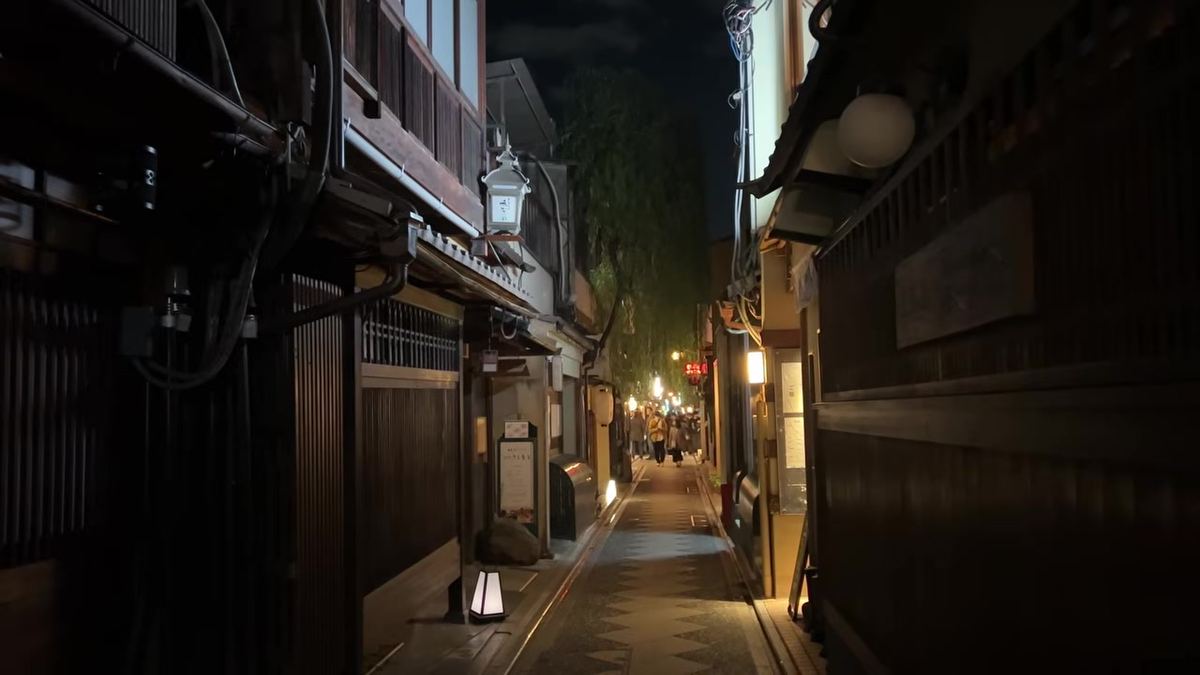
Near the hotel is Pontocho, a narrow alley along the Kamogawa full of bars and restaurants. I dropped into a bar serving craft beer and Japanese whisky, and when I walked in, I was the only Japanese customer. Everyone else was in groups from the United States. For more hotels I have stayed at, see where to stay in Kyoto.
My tips for enjoying Kyoto
Move early in the morning, and avoid as much as you can the tourist-oriented shops that have increased in recent years. Go to places with fewer people and, of course, be considerate. If you do that, I think you can enjoy Kyoto much more smoothly. On my cherry blossom trip, waking up early was the best travel hack of all.
- Pick two or three places you definitely want to see, and keep the rest as options for when you have time and energy left.
- Leave extra time for buses. Waiting, walking to the stop and people getting on and off all add up.
- Wear comfortable shoes. Kyoto means lots of walking, but only if you walk will you find something beautiful.
- If you end up eating somewhere touristy or miss the food you wanted, don’t feel down. It happens, so just move on to the next place.
General tourist information: two famous sights I haven’t covered here are Kinkaku-ji, the Golden Pavilion in northwest Kyoto, and Nijo Castle in the city center. Check their official sites for opening hours and admission.
Where to next
Kyoto has so many attractions that it is hard to decide what to do, and you probably won’t see everything on one trip. I hope this gives you an idea of how to enjoy it on your first visit. I have also traveled to Kyoto with my mom, and you can watch that trip in my Kyoto with Mom video.
- Where to Stay in Kyoto: the hotels I have stayed at and the areas I recommend.
- How to Get on the Shinkansen: tickets, baggage and what to know for Tokyo to Kyoto.
- Japan Golden Route 7-Day Itinerary: Tokyo, Kyoto and beyond for first-timers.