This post contains affiliate links. If you book through them, I may earn a small commission at no extra cost to you. Learn more.
12 best day-trip destinations from Tokyo (easy to hard)
After a few days in Tokyo, you might want a change of scenery. I recommend leaving the city for a day and seeing what sits around it.
From historic temples on the coast in Kamakura to a close view of Mt. Fuji, a train ride is enough to show you a completely different side of the Tokyo area.
You might be wondering how far you can go in a day, and whether it is easy to get there. Some places need an early start and a bit of planning if you want to be back the same evening. Others are close enough that you could leave after breakfast in Tokyo and still have a full day.
To help you decide, here are 12 day-trip destinations I have actually done — from easy places where you can just hop on a train, to slightly harder ones that need some preparation, and sometimes a reserved bus or train.
12 ideas for a day trip from Tokyo
A quick overview, grouped by how demanding the trip is:
Easy and quick (under 1 hour)
- Yokohama (17 min from Shinagawa) — port city with good food and parks
- Kawagoe (30 min from Ikebukuro) — Edo-period town and street food
- Atami (about 34 min by Kodama Shinkansen) — seaside hot-spring resort
- Mt. Takao (55 min from Shinjuku) — easy hiking and a nature escape
- Kamakura (about 55 min from Tokyo Station) — historic temples and the Great Buddha
Medium (about 1 to 1.5 hours)
- Enoshima (about 56 min from Shinjuku on Odakyu) — island shrine and ocean views
- Misaki and Jogashima (about 70 min from Shinagawa) — seafood and coastal scenery
- Narita town (about 70 min from Keisei Ueno on a local express) — temple town near the airport
- Chichibu (around 1 hour 17 min) — a rural town with shrines and nature
More challenging (about 1.5 hours or more — needs planning)
- Hakone (around 1 hour 20–50 min) — hot springs, a lake cruise, and views of Mt. Fuji
- Nikko (about 1 hour 50 min) — temples and striking waterfalls
- Mt. Fuji / Kawaguchiko (about 1 hour 50 min to a little over 2 hours) — the best Fuji views, and cycling if the weather is good
For a more visual look at these places, please watch the YouTube video: 12 Best Day Trip Destinations from Tokyo
Yokohama (17 minutes from Shinagawa Station)
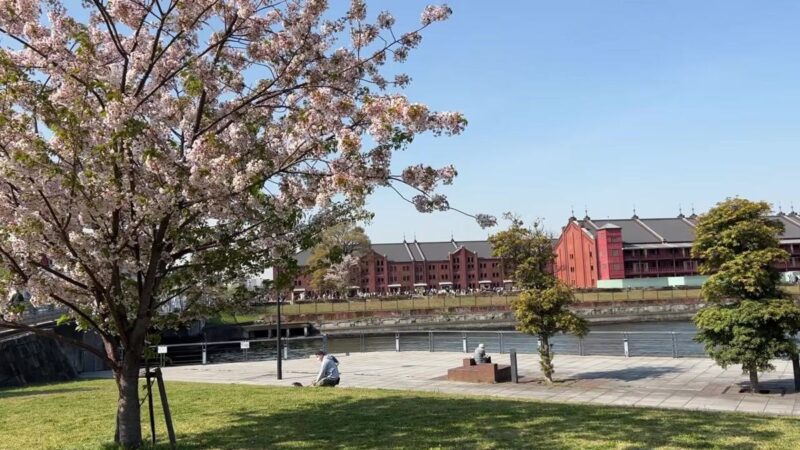
Yokohama is a port city just west of Tokyo. You can reach Yokohama Station in about 25 minutes from Tokyo Station, or about 17 minutes from Shinagawa. Trains run often, and the waterfront stays busy into the evening, which makes it a very easy day trip.
There are plenty of parks and shops along the water. You might enjoy a quieter walk in Motomachi and Yamate, or the livelier atmosphere of Chinatown, with its many restaurants.
Trains are frequent. If you take the Tokyu Toyoko Line from Shibuya, through-trains can take you to Motomachi-Chukagai Station, which is closer to Chinatown and the Yamate area than Yokohama Station is. There are several ways to go; I walk through the details in my Yokohama day-trip guide.
Kawagoe (30 minutes from Ikebukuro Station)
Another easy day trip is Kawagoe, about 30 minutes northwest of Tokyo. It has historic shrines and temples, but it is best known as a merchant town where you can eat street food and walk the Kurazukuri district, with its Edo-period warehouse-style buildings. If you prefer a vivid, old-style town over a long list of temples, this is a good place to go.
Take the Tobu Tojo Line from Ikebukuro; trains run often and the ride is about 30 minutes. From Seibu-Shinjuku Station, a reserved-seat express on the Seibu Shinjuku Line can drop you closer to the old town. That is a good option if you want to start sightseeing right away.
Atami (about 34 minutes by Kodama Shinkansen)
Atami is farther than most of the other easy destinations on this list, but the Shinkansen makes the ride short. It is a seaside hot-spring town on cliffs above the Pacific. The compact coastal area has hotels, souvenir shops, and street-food stalls, and the beach scenery is lively. Kinomiya Shrine is a quieter forested spot, and the cliffside views are beautiful.
Kodama on the Tokaido Shinkansen takes about 34 minutes from Shinagawa. Because the ride is short and most Kodama trains have non-reserved cars, you often do not need to reserve ahead, though a reserved seat is still nicer if the train is busy. Check the current fare at the machine or on an official JR fare table when you go.
Mt. Takao (55 minutes from Shinjuku Station)
If you want nature close to Tokyo, Mt. Takao is a great choice. It is a small mountain with scenic walking trails and a temple in the forest. It is technically inside Tokyo, and you can reach it in about 55 minutes from Shinjuku on the private Keio Line. The one-way fare is only a few hundred yen.
You can hike up, follow a paved path, or take a cable car or chair lift part of the way. After a short walk from Takaosanguchi Station you reach the trail entrance and the cable-car station. There are also restaurants near the base, so it can be a relaxed outing, not only a hard hike.
Direct trains from Shinjuku to Takaosanguchi usually run about every 20 minutes. The express does not need an extra ticket or a reservation. Even though Takao is close, the sun sets earlier in autumn and winter, so plan your return with that in mind.
Kamakura (about 55 minutes from Tokyo Station)
If you are interested in history, Kamakura is a must. If you only have time for one day trip and you are not going to Kyoto or Nara, Kamakura is likely your best choice. I have a full Kamakura day-trip guide with the routes I actually use.
A direct train from Tokyo Station or Shinjuku takes about an hour. Just outside the station is Komachi-dori, lined with souvenir shops and restaurants. Famous sights include Tsurugaoka Hachimangu and the Great Buddha, but there are so many temples and shrines that you cannot see them all in one day. Some of my favorites are the temples in Kita-Kamakura, Hokokuji (reachable by bus), and Hasedera, which has a beautiful view of the ocean.
Because it is only an hour away, Kamakura is an easy day trip — but there is so much to see that you may regret arriving late. I recommend deciding on a rough route before you go, or on the train. Kamakura is also a coastal town. From Shichirigahama Beach you can see an island in the distance: Enoshima, the next place on this list.
If you want to follow my routes on the day, I put them together in my eBook, Kamakura Travel Guide: A Day Trip Guide by Tokyo Kenchan. It has routes for first-timers and repeat visitors, with sample timetables and maps you can use on the spot, so you can spend less time planning and more time enjoying Kamakura.
Enoshima (about 56 minutes from Shinjuku on the Odakyu Line)
From Kamakura you can reach Enoshima on the Enoden tram along the coast, or you can go directly from Shinjuku on the Odakyu Line to Katase-Enoshima Station. Local trains take longer. The reserved-seat Romancecar from Shinjuku is also an option, though it does not run as often.
Enoshima is a small island in the Pacific, connected to the shore by a bridge. It has an old-fashioned shopping street, a shrine on the hillside, and a nostalgic tourist atmosphere. On a clear day you can also see Mt. Fuji across the water. If you plan to visit both Kamakura and Enoshima, leave enough time for both.
Misaki and Jogashima (about 70 minutes from Shinagawa on the Keikyu Line)
Misaki and Jogashima, at the southern tip of the Miura Peninsula, are less famous and less crowded than Kamakura. You can reach Misakiguchi Station in about 70 minutes from Shinagawa on the Keikyu Line. Trains are frequent, though some trips involve a same-platform change. From the station you still need a bus. (See my Misaki tuna day-trip guide.)
In Misaki you can walk through an old fishing town, or make a short trip to Jogashima, an island with many friendly cats and a relaxed coastal feeling. The area is also known for its tuna.
A useful ticket for this trip is the Misaki Maguro Ticket, which has often included the round-trip train, the bus, a tuna meal, and an activity. I used the activity coupon for a glass-bottom boat, where you can see fish below you and sometimes feed seabirds. It is a unique experience. The pass is sold by more than one ticket site; check the current price and what is included, and the easiest way to use it is often to exchange an online voucher for a paper ticket at Shinagawa Station.
Narita (about 70 minutes from Keisei Ueno on a local express)
Narita is famous for its airport, but it has long been a temple town in its own right. Airport expresses such as the Narita Express and the Keisei Skyliner do not stop in Narita town, so you need a local or commuter express. From Ueno, a Keisei Main Line express takes about 70 minutes to Narita Station, with no extra limited-express fee. If you are coming from the airport, JR and Keisei trains reach the town in around 10 to 15 minutes.
Chichibu (around 1 hour 17 minutes)
Chichibu is a mountain town west of Tokyo that has stayed less developed than many tourist spots. It gives you a glimpse of a more rural Japan. The reserved-seat Laview express is worth riding once, if only for the train’s design.
There has often been a visitor pass for Chichibu, sometimes with an option to include Nagatoro, another scenic area beyond the town. Names and prices change, so check Seibu Railway’s official information when you plan. Check the regular fare too.
From this point on, the trips take long enough that they also work well as overnight stays. A day trip is still possible, but you should plan carefully. Leave early in the morning, and try to start back before sunset. It is best to reserve limited-express seats in advance, though you can also book them after you arrive in Japan.
Hakone (about 1 hour 20–50 minutes from Shinjuku)
Hakone is a classic onsen destination. An overnight stay is the more relaxed way to enjoy it, but a day trip is possible if you mainly want the scenery and a short soak. I wrote up the route I use in my Hakone day-trip guide.
The easiest ride is the Odakyu Romancecar from Shinjuku to Hakone-Yumoto, which takes about 1 hour 20 minutes. Regular Odakyu trains take longer, closer to 1 hour 45 minutes. From Hakone-Yumoto you can use the mountain railway and then buses, the ropeway, and the lake cruise. The area is known for hot springs, hiking, shrines, and museums.
The Odakyu Hakone Freepass is the convenient ticket for this trip. The two-day pass includes one round trip between Shinjuku and Hakone-Yumoto, plus unlimited rides on the buses, ropeway, mountain railway, and the lake boat in the Hakone area. As of late 2026, the two-day adult pass from Shinjuku is 7,100 yen (child 1,600 yen). If you already have a way to Odawara, the Hakone-area-only two-day pass is 6,000 yen for adults. The Romancecar is not included; the add-on from Shinjuku is 1,200 yen one way. The pass is sold as a paper ticket or a digital ticket. If you use the digital version, each person needs a reliable internet connection on their phone.
Nikko (about 1 hour 50 minutes from Asakusa)
Nikko is a mountain area north of Tokyo. A day trip from Tokyo is possible, but you will not see everything. I have a Nikko travel journal from a one-night trip; in the video I made, I focused on hiking and did not get to Toshogu. On a day trip, many people aim for Toshogu and Kegon Falls.
The limited-express train from Asakusa takes about 1 hour 50 minutes and requires an extra limited-express ticket (Tobu’s Spacia or Spacia X). Without that express, a same-day trip is very tight. You will also need buses in Nikko, so decide on your route before you go. Autumn is often called the best season.
The Nikko Pass All Area is a useful ticket, in the same spirit as the Hakone Freepass: it typically includes a round trip to Nikko and unlimited buses in the area. The local buses are expensive if you pay as you go, so the pass often pays for itself. Check Tobu’s official site for the current price and which trains it includes.
Mt. Fuji / Kawaguchiko (about 2 hours — needs planning)
Kawaguchiko is a town close to Mt. Fuji, with views from places such as Chureito Pagoda, the spring-fed ponds of Oshino Hakkai, and a food park. There is also Fuji-Q Highland, with its roller coasters. After you arrive, you will use local buses or trains; if the weather is good, you can also cycle around the lake. I explain the public-transport route I use in my Kawaguchiko day-trip guide.
The trip takes about two hours from Shinjuku by highway bus or by the Fuji Excursion train, and a little over two hours if you use local trains and change at Otsuki. It is a popular day trip, and both trains and buses often sell out, so I strongly recommend reserving in advance. Fares change, so confirm the current price when you book rather than relying on an old figure.
JR fares on this route are not cheap if you buy ordinary tickets. The JR Tokyo Wide Pass can be worth looking at if you will also use JR for other trips in the wider Tokyo area (it has been valid toward places such as Gala Yuzawa and Karuizawa, and on some JR trains toward Nikko). Check the official JR East page for the current price and coverage, because pass prices do change.
In this article I have only included day trips I have actually done, but there are many other places around Tokyo. I hope you find a favorite.
Thank you for reading. Have a great trip to Tokyo.