This post contains affiliate links. If you book through them, I may earn a small commission at no extra cost to you. Learn more.
Akita is one of the least-visited places in Japan. It gets a lot of snow, yet it doesn’t have many ski resorts, and there aren’t many big hot spring towns either. Because of that, you can enjoy simple, old-fashioned Japanese scenery here, and Akita has a strong local character, with traditional foods like iburigakko, smoked pickled daikon radish.
Akita has always had a lot of bears, and the stories of the matagi, the traditional hunters of the mountains, are part of the image of Akita for many Japanese people. I wanted to see Akita in deep winter snow, so after Nyuto Onsen I went on to Kakunodate and Yokote. It was a trip with a small happening along the way, but it became a very memorable one.
I went in February. From Nyuto Onsen I took the Akita Shinkansen to Kakunodate and walked the samurai district, then continued to Yokote for the night. The next day I took a bus to the old town of Masuda and the Masuda Manga Museum, and spent my last night in Akita City before riding the limited express Inaho down the Sea of Japan coast. My first stop, Nyuto Onsen, has its own article.
Map of Kakunodate Station
Getting to Akita on the Komachi Shinkansen
The red Akita Shinkansen Komachi leaves Tokyo coupled to the Hayabusa, separates at Morioka and then runs on its own through the mountains to Kakunodate and Akita. From Tokyo it’s about three hours to Kakunodate and a little under four hours to Akita, depending on the train.
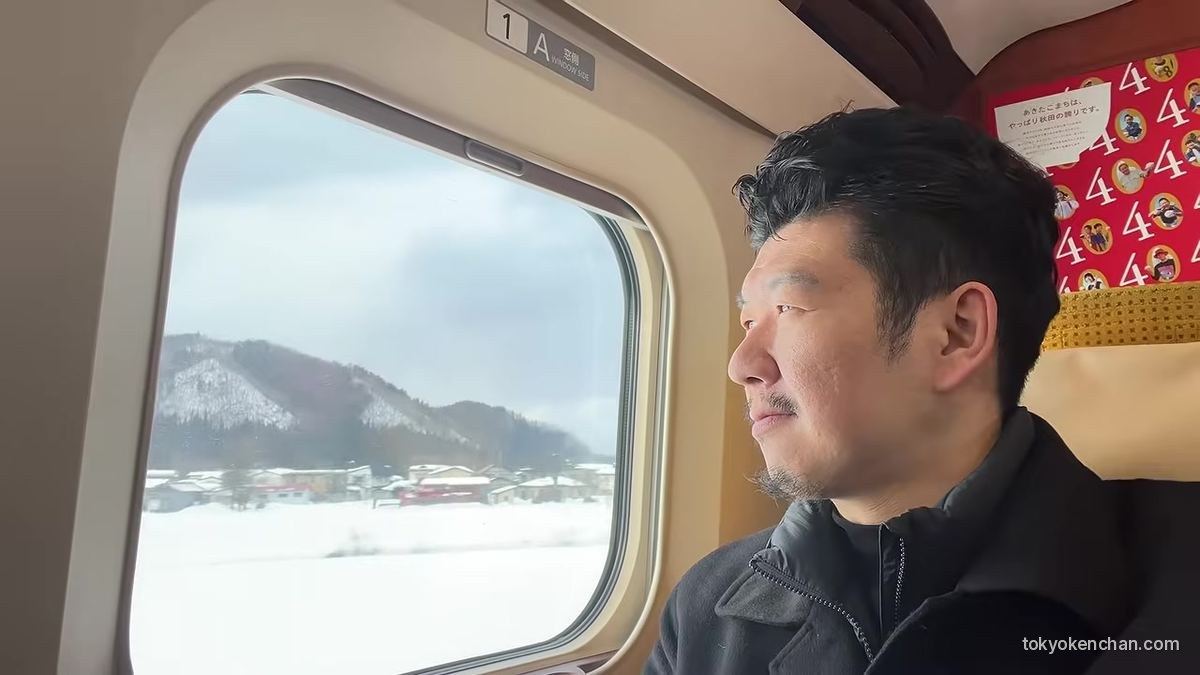
Winter weather can slow things down here. On my way up from Tokyo, my Komachi was delayed because of strong wind, and on the day I left Nyuto Onsen for Kakunodate it was even more delayed. If you travel in winter, leave some extra time in your plans and check train information on the day.

All seats on the Komachi are reserved from Tokyo. Between Morioka and Akita, though, you can buy a cheaper limited express ticket without an assigned seat at the station and sit in any empty seat, as long as you give it up if the person who reserved it comes. That was useful for me when the trains were running late.
Kakunodate: A Samurai Town in the Snow
Kakunodate is known for its samurai district, where you can still see the old scenery of the Edo period. When I arrived at Kakunodate Station, the snow stopped and I could see a blue sky. It felt like I had just come out of the snow.
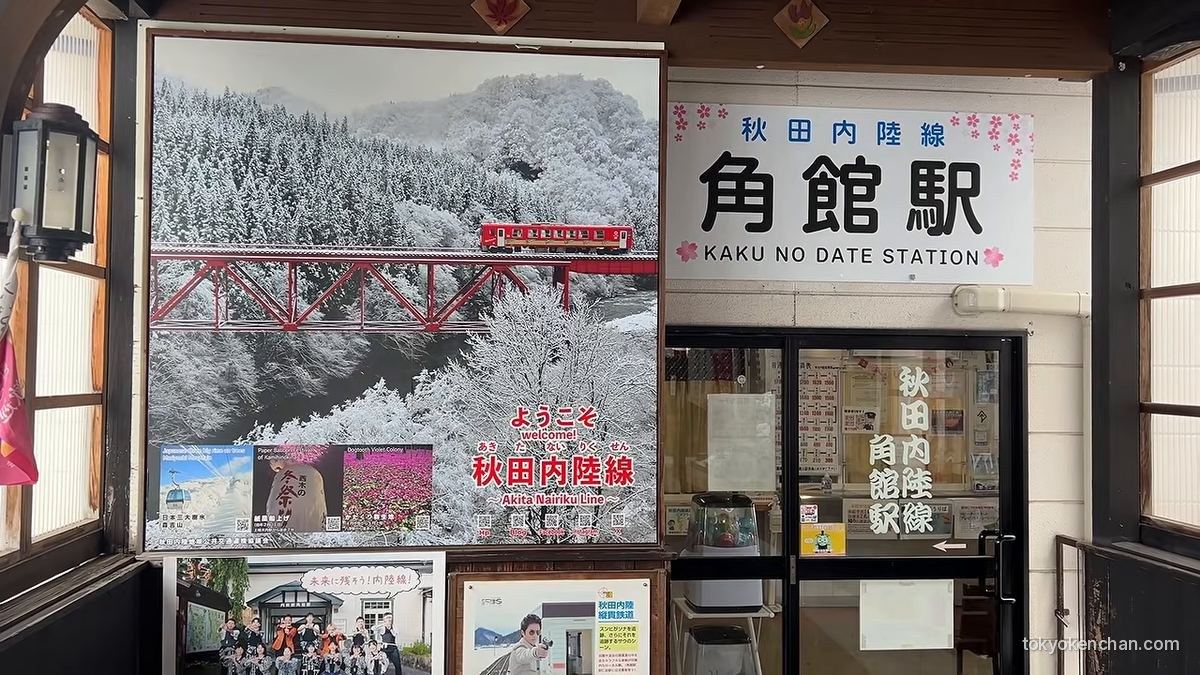
Kakunodate is also a station on the Akita Nairiku Line, a long private railway going to the northern part of Akita. The samurai district is about a 15 to 20 minute walk from the station.
Map of the Kakunodate samurai district
Start at the Tourist Information Center
Right next to the station is the Kakunodate tourist information center, where I picked up a map in English and Japanese. If you don’t know where to go, you can ask them, and they have restrooms and plenty of English brochures.
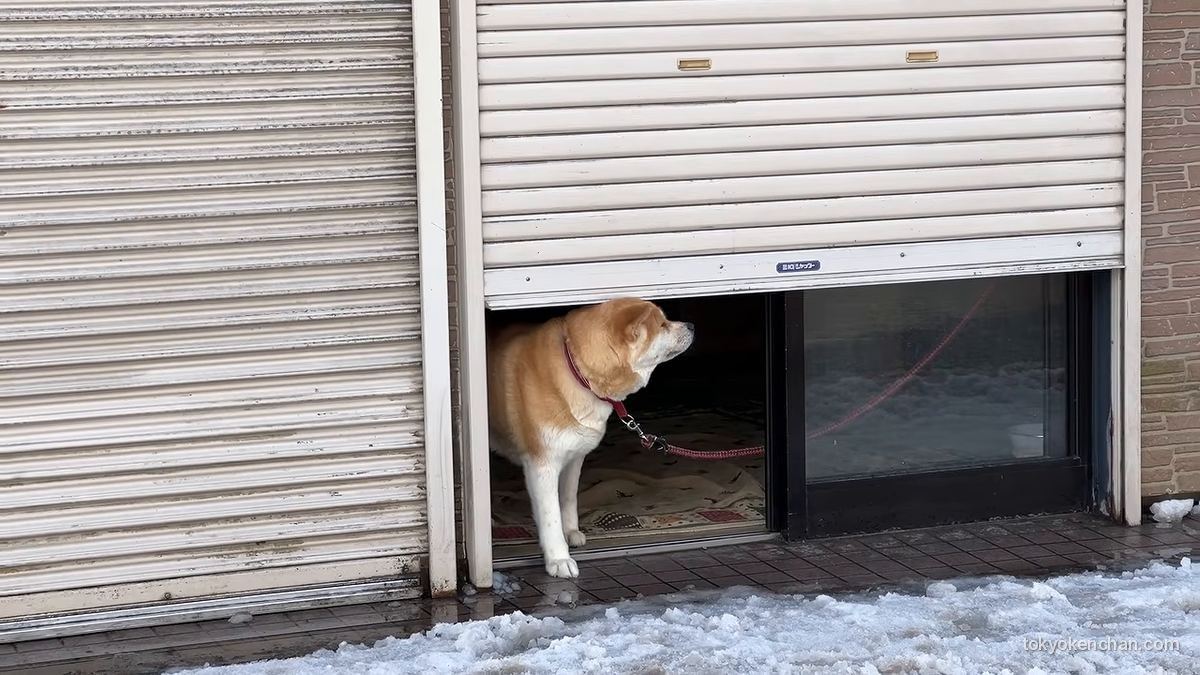
They can also keep your luggage for 500 yen per item, which makes it a great place to start your walk. On my way into town, I saw an Akita dog waiting for its owner in a shop doorway. Akita dogs are one of the famous things from Akita, so it was nice to meet one right away.
Bukeyashiki Street
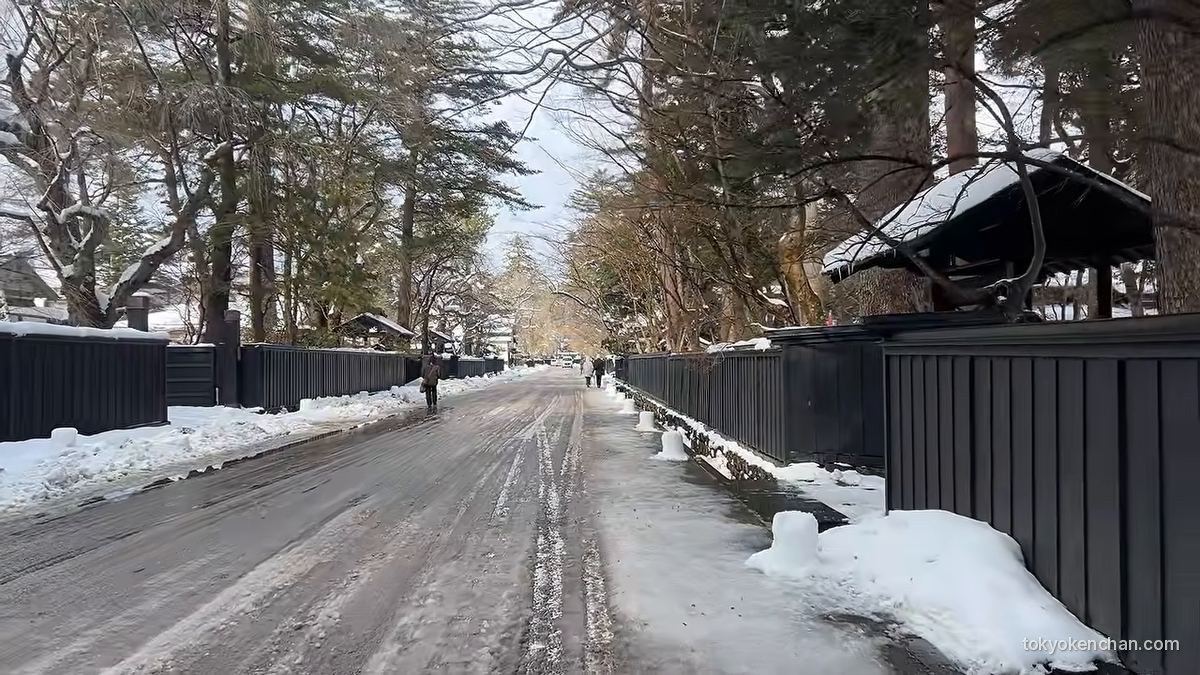
The main street of the old town is Bukeyashiki Street. Kakunodate is special because so many samurai residences built in the Edo period are still standing here, and some of them are open to visitors for an admission fee. The street is especially famous in cherry blossom season, when it becomes a beautiful sight in spring. When I arrived, it was very difficult to walk on the street because of the snow, but they were clearing it, and it became much easier very quickly.
Hinai Chicken Oyakodon for Lunch
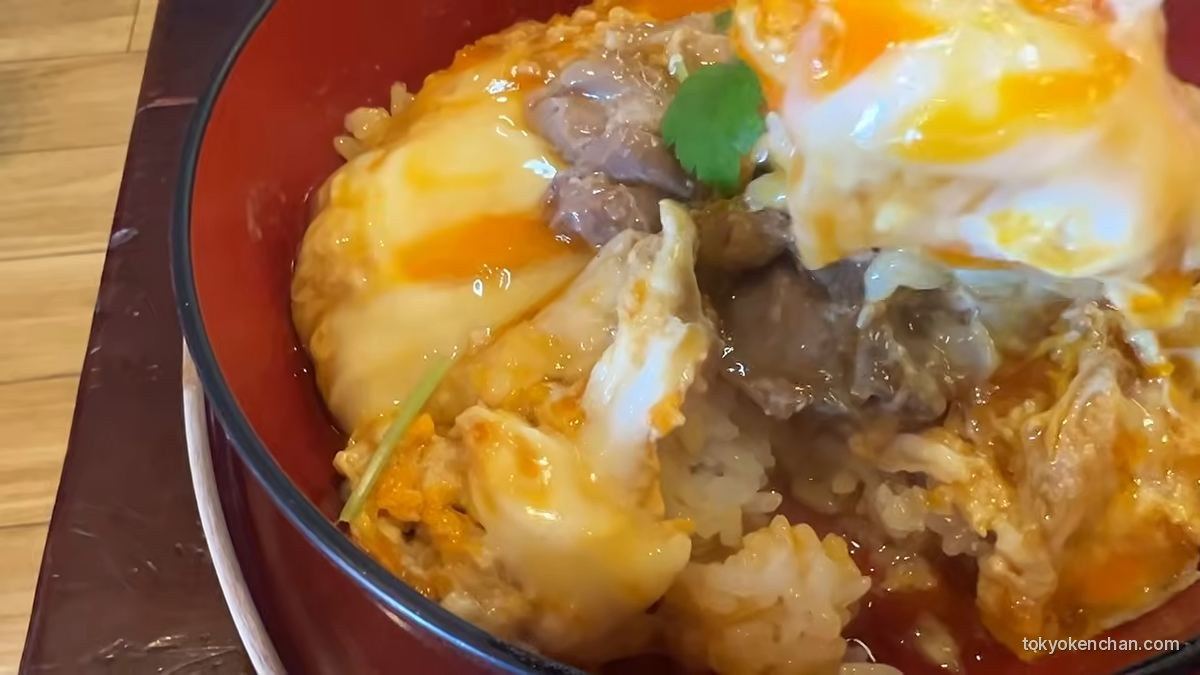
It was lunchtime, so I went to a restaurant serving oyakodon, chicken and egg on rice, made with Akita’s local Hinai chicken. It was really good. The egg was sweet and soft, and the chicken was a little chunky but had lots of flavor and was very juicy, not dry at all. Back on the street, it looked like everyone was eating soft-serve ice cream, even in the snow.
The Aoyagi Samurai House
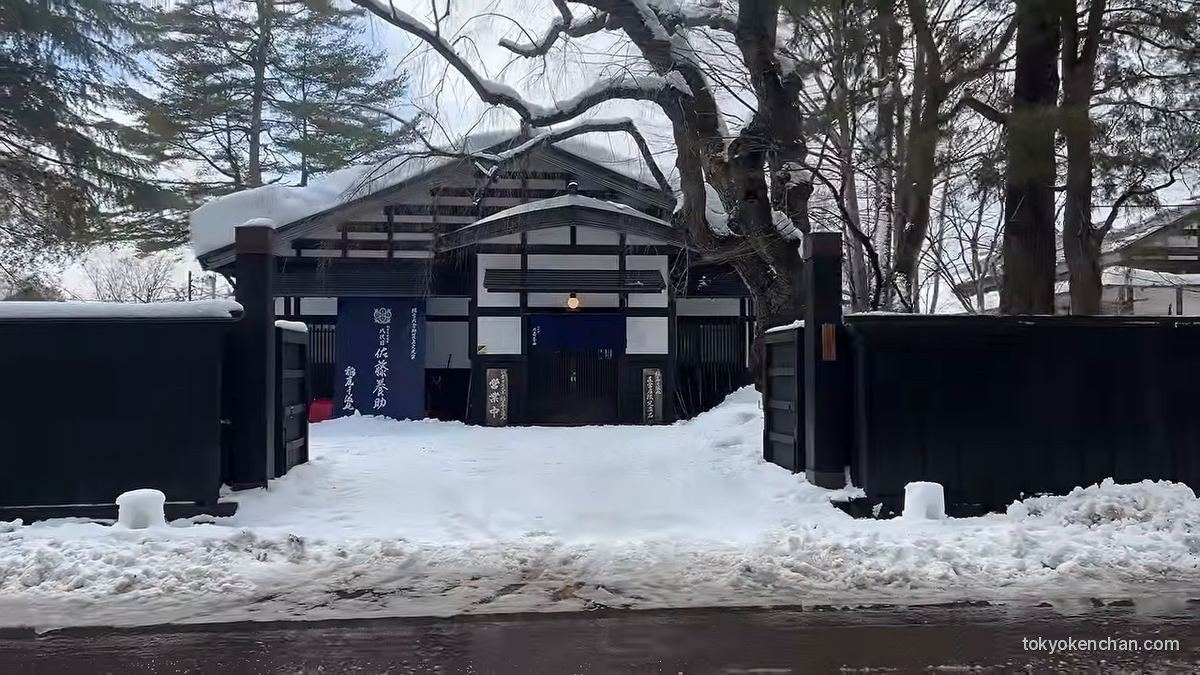
Several houses along the street are open to visitors, and I chose the Aoyagi samurai house. You can just look around, or also have tea there. Admission is 500 yen for adults, and the ticket with matcha tea was 1,000 yen on the sign when I visited.
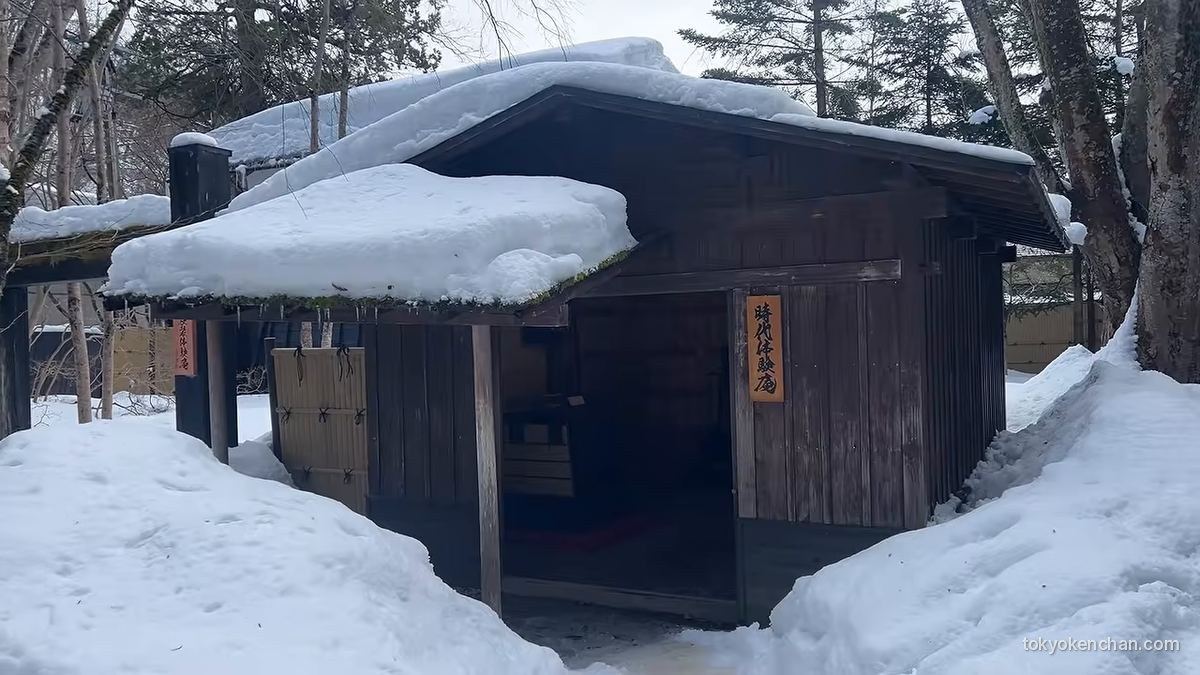
The house displays lots of swords and armor, and I could see English explanations, so it’s a good place to visit. You can try on a helmet and armor, and if you make a reservation you can try even more, including the full armor.
The Weeping Cherry Trees
Near the end of the street I stopped at the famous weeping cherry tree No. 79. Kakunodate’s weeping cherry trees are famous across Japan, and 162 of them are designated Natural Monuments. There are lots of cherry trees across the town too.
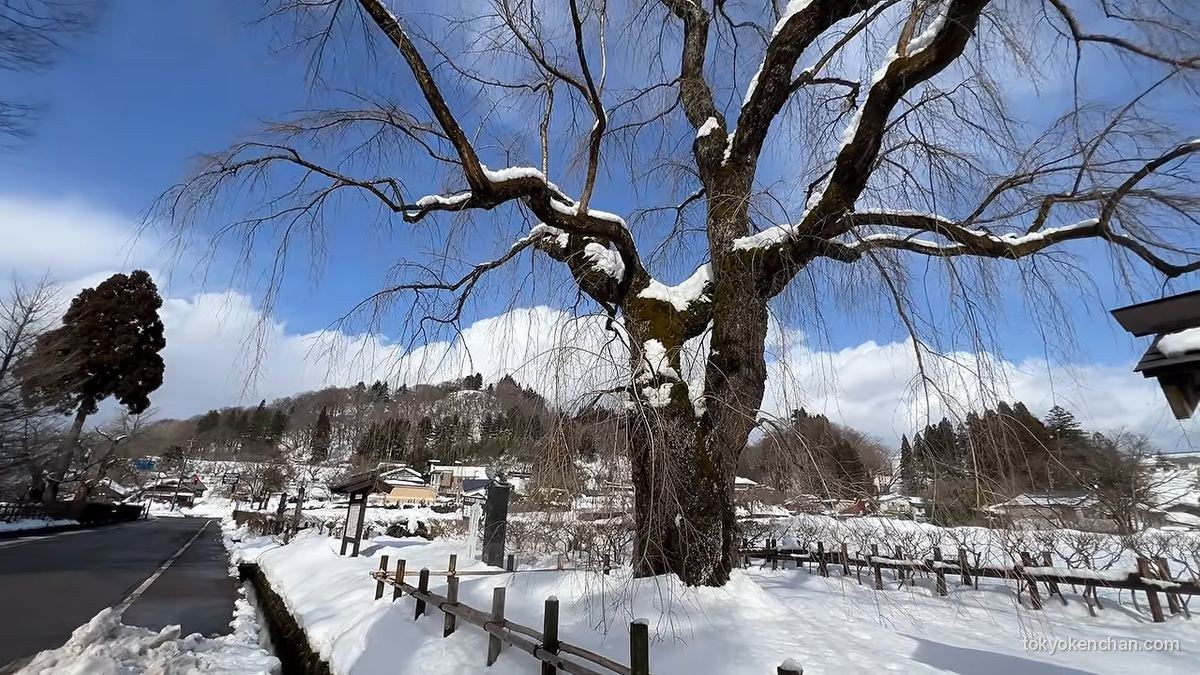
Even with bare branches in the snow, the trees were beautiful. It must be very beautiful in springtime.
From Kakunodate to Yokote
As usual in the Japanese countryside, there aren’t many trains, and that day the Komachi was about an hour late. There is also a local Ugo Kotsu bus toward Omagari, where you change for Yokote, and it passes near the samurai district, so if you are heading straight on you might be able to catch it there instead of walking back to the station.
The local Tazawako Line trains here are very limited too, so most trains you see are the Komachi. The station staff told me I probably couldn’t connect to the train to Yokote, but I made it, and took the JR Ou Line from Omagari to Yokote.
Yokote: Kamakura Snow Huts and a Hot Spring Hotel
Yokote Station is on the JR Ou Main Line and the Kitakami Line. I stayed at Hotel Plaza Annex Yokote, right by the station. It’s a business hotel, but it was very cozy, with natural hot spring baths on the first floor and the seventh floor.
Map of Yokote Station
To be honest, I didn’t plan this part of the trip very well. I came to Yokote a day before the Kamakura festival, and there wasn’t much snow in the town either. My main reason for coming to Yokote was the manga museum I was going to visit the next day, so I didn’t have much to do that evening.
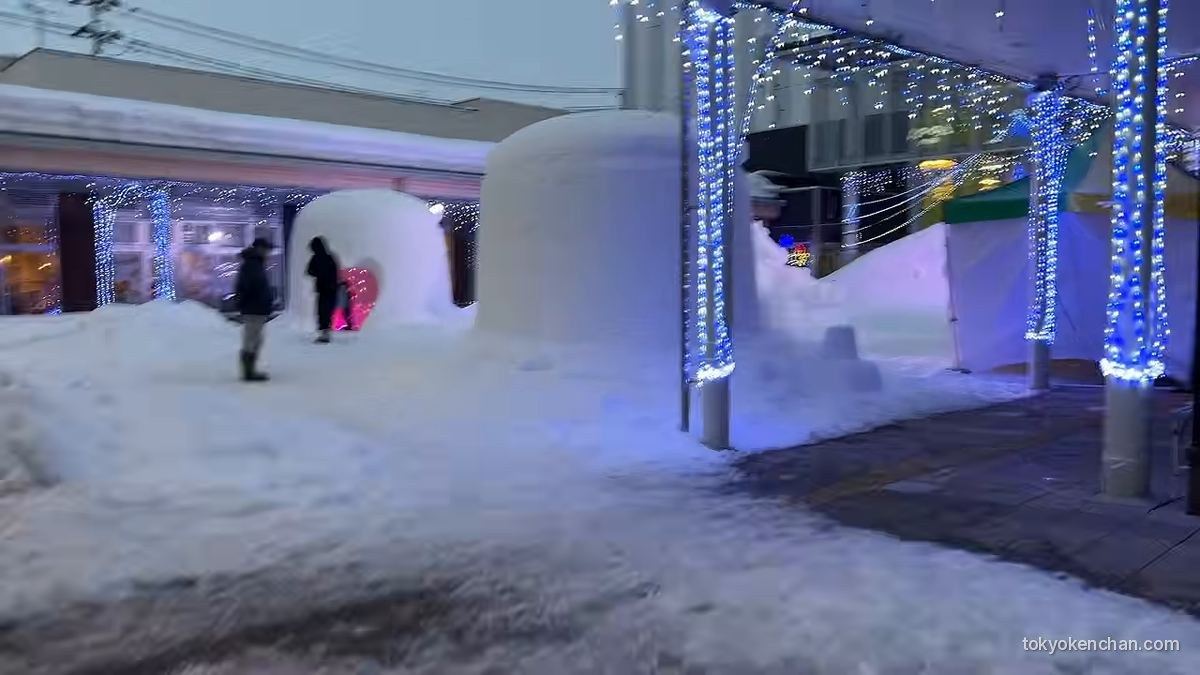
Kamakura in Front of Yokote Station
Right in front of the station there were kamakura, snow huts. Inside a kamakura it’s surprisingly warm. The walls are made of snow, so they’re very cold if you touch them, but it was much colder outside.
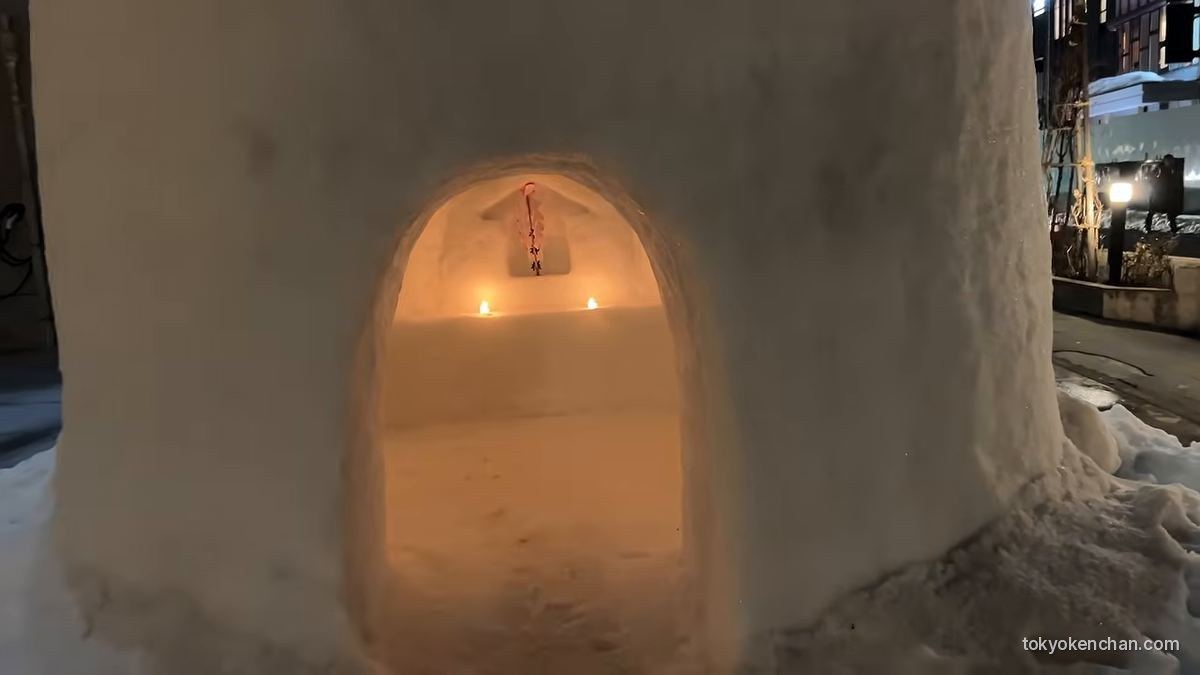
The Yokote Kamakura festival is a Little New Year tradition held on winter evenings in mid-February to honor the water god. From 2026 it moved to the second Friday and Saturday of February, and in 2027 it is on February 12 and 13.
Later I went to get a cup noodle from the vending machine in the hotel lobby and locked myself out of my room. The hotel staff recognized my face and gave me another key very quickly. I think the last time I got locked out of a hotel room was about 20 years ago.
Breakfast with a View of Mt. Chokai
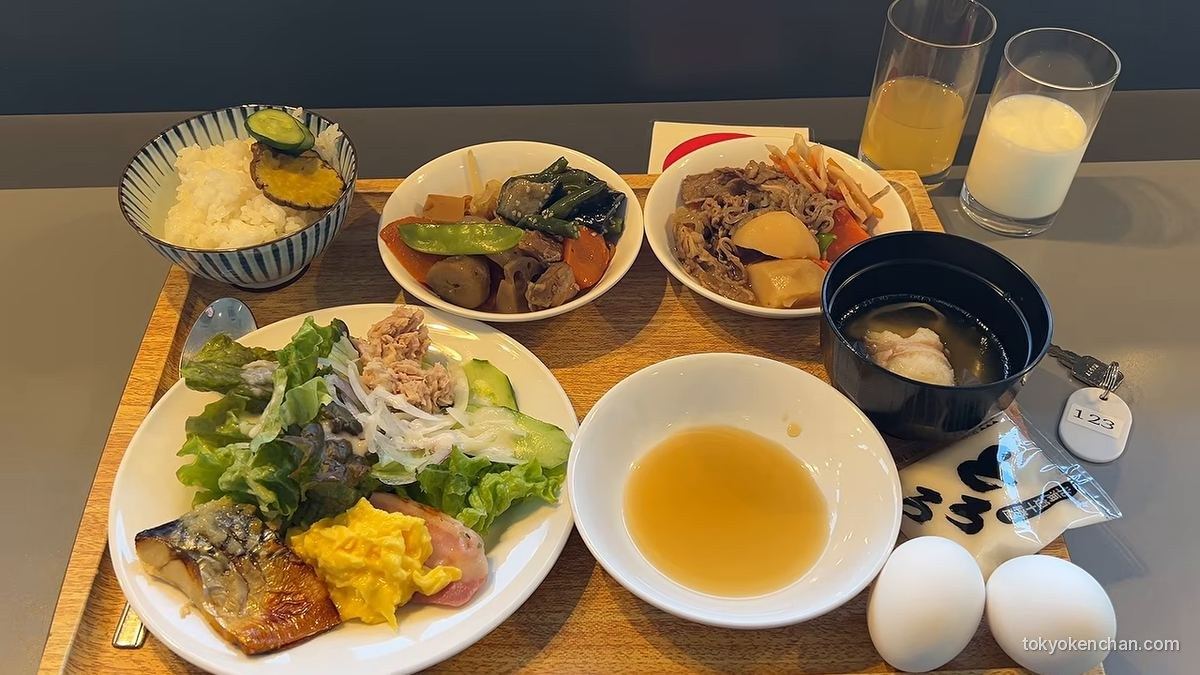
Breakfast was included, at the restaurant on the top floor next to the public bath, and the restaurant has a nice view of Mt. Chokai. Even better, the breakfast was really good, with a soft onsen egg, local dishes and homemade pickles like iburigakko.
Masuda: An Old Town of Merchant Houses
Next I wanted to go to the Masuda Manga Museum, and you can get there by bus from Yokote Station. The bus that goes near the museum is very infrequent, with only a few departures a day from Yokote Station’s East Exit, so make sure you check the timetable before you go. Buses also run from Jumonji Station on the JR Ou Line.
I got off in the area called Masuda, where there are lots of old traditional buildings. Masuda’s old townscape is a nationally designated preservation district. It’s a very nice local town, and I’m glad I came here.
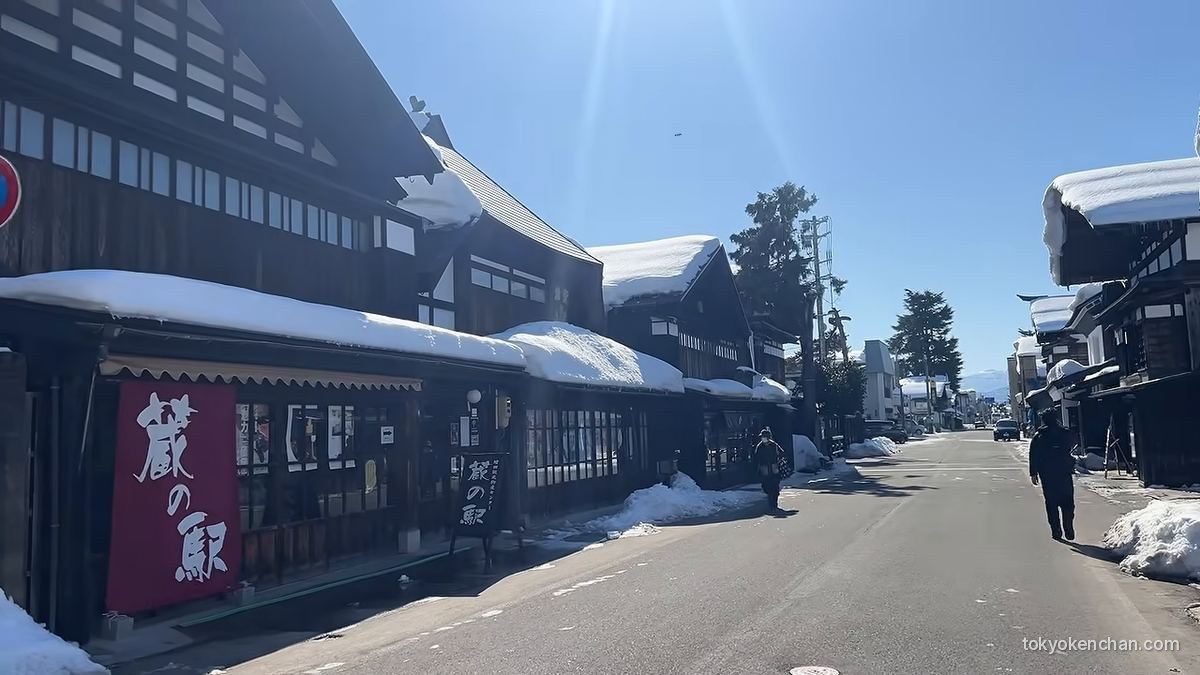
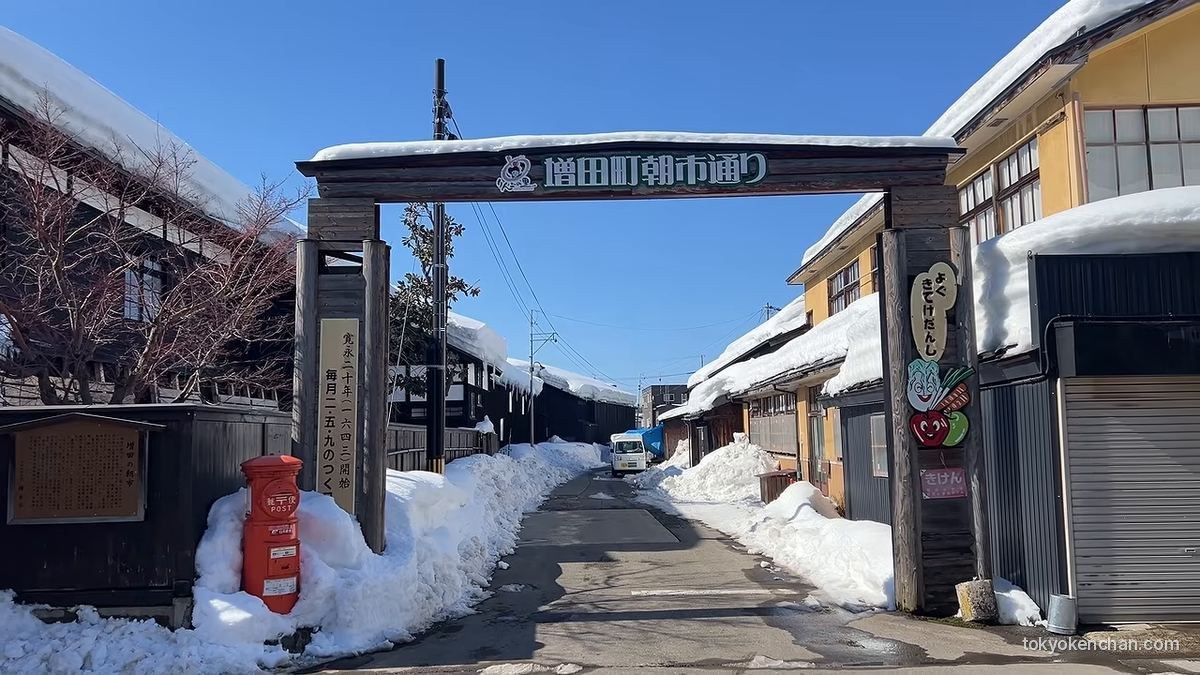
I also walked confidently in the wrong direction for a while, but that’s how I found the morning market street. The Masuda morning market started in 1643, and it is still held on days of the month ending in 2, 5 and 9.
Masuda Manga Museum
Yokote is the hometown of the manga artist Takao Yaguchi, the creator of Tsurikichi Sanpei, and the Masuda Manga Museum preserves original artwork from many manga artists, including his works. Yaguchi drew a lot about the beautiful nature and people’s lives in Akita, especially the matagi, who live in the mountains of Akita hunting bears and other animals.
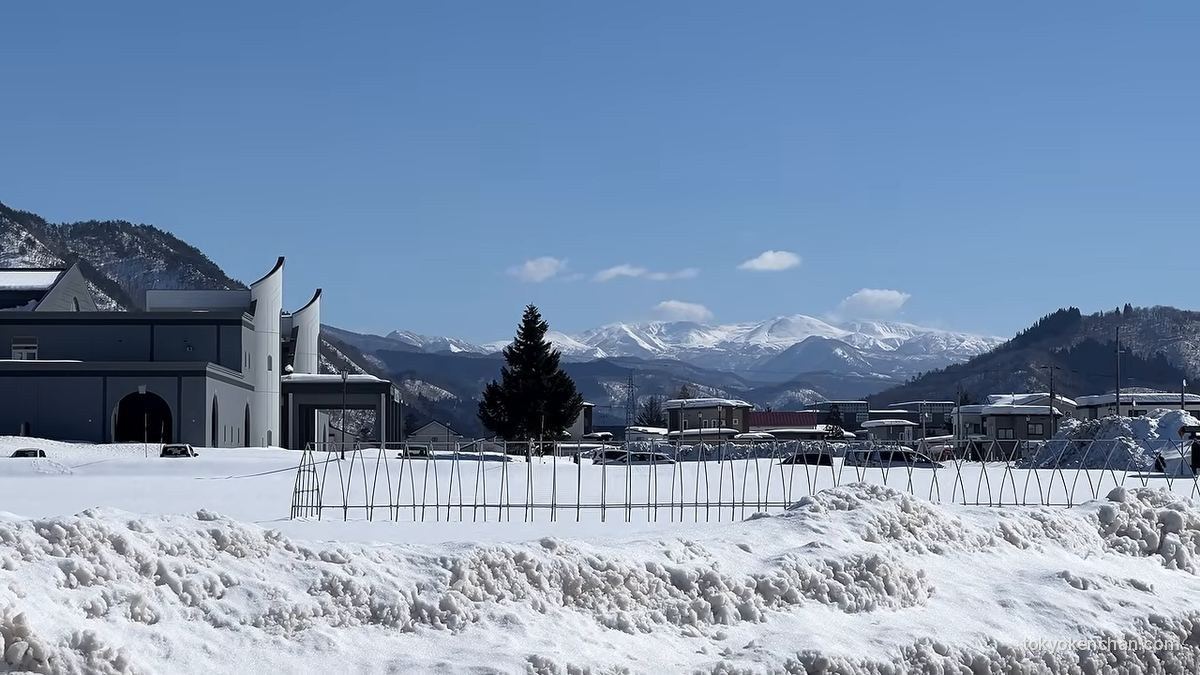
It was very nice, and I wanted to stay maybe one more hour, but there was no time. There was also a nice coffee shop where you can have a drink. Entry to the permanent exhibition is free, and special exhibitions are paid; the museum is closed on the third Tuesday of each month.
As a souvenir I got a bath powder with a very cute idea: Hachiko, the Akita dog from Shibuya Station in Tokyo, meets his owner Professor Ueno again, and they go back to Akita together for the Nyuto hot springs, where I had just been. What a great concept. By the bus stop, there are coin lockers and restrooms in the community lounge building.
Back at Yokote Station
Before getting on the train to Akita Station, I dropped by the Kamakura festival at Yokote Station. There were some food stalls, and I got a pack of Yokote yakisoba, the local style topped with a fried egg.
Akita City: A Brand-New Hotel and a Book Cafe
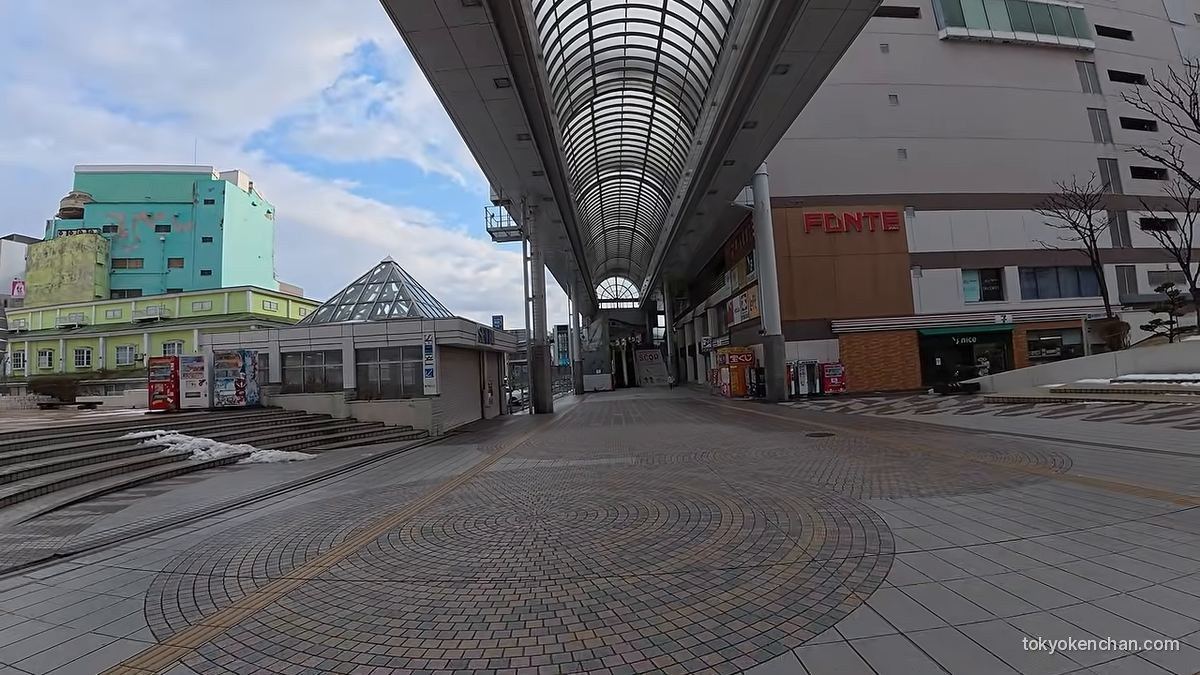
At Akita Station there are lots of monuments and statues, so it’s a very fun station that feels like a festival, with Akita’s famous Namahage and the Akita dog. There are also many different kinds of ekiben, or station bento, and the station is directly connected to the streets of the city.
Map of Akita Station
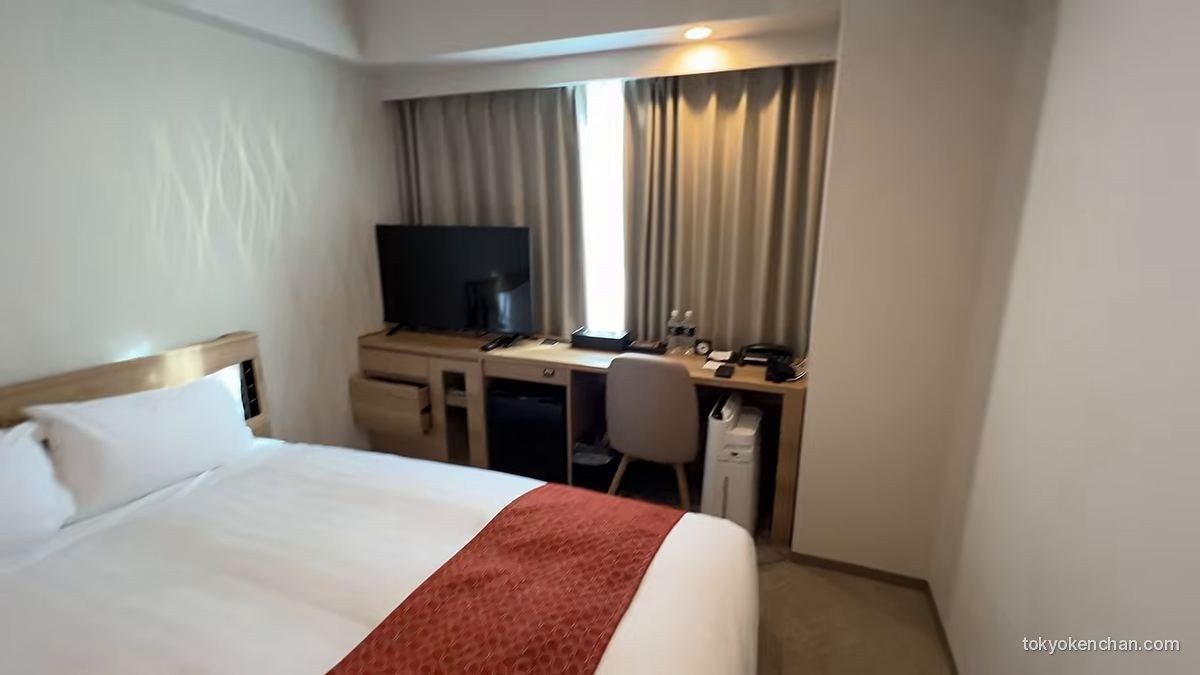
I stayed at Daiwa Roynet Hotel Akita-ekimae, about a five-minute walk from the West Exit. It had opened just the day before, and I was there on its second night welcoming guests. My single room had a desk by the window, a fridge, nightwear, a safe and a kettle, it was very clean, and from the high floor I had a city view.
The bathroom was very big. At the lobby you can pick up amenities like coffee, tea, bath powder, face wash, a comb, a razor and a toothbrush. After checking in, I took a little walk in Akita City.
Morning in Akita City
The next morning I went to get my train ticket first, just in case. Trains can sometimes be very busy, and if I go right before departure it’s stressful, wondering if I can make it.
The hotel also had breakfast, but I decided to try the Akita City Market near the hotel. It looks like a real local market, but unfortunately it was closed that day. It’s usually closed on Sundays, so check before you go.
Instead I went to a coffee shop right next to the market. If you order a drink you get free toast, and the shop is all about books. You can pick any book and read it, and you can also buy one for 100 yen, which is donated to children who can’t buy books. I randomly picked a book, and it was about Akita, so of course I brought it back with me. What an interesting coincidence.
Leaving Akita on the Limited Express Inaho
To go home, I took the limited express Inaho by JR East, which connects Akita and Niigata through Yamagata Prefecture. Many trains are based in Tokyo, but this one connects other parts of Japan, so I don’t have much opportunity to take it. Only a couple of Inaho trains a day run the whole way between Akita and Niigata, so check the timetable.
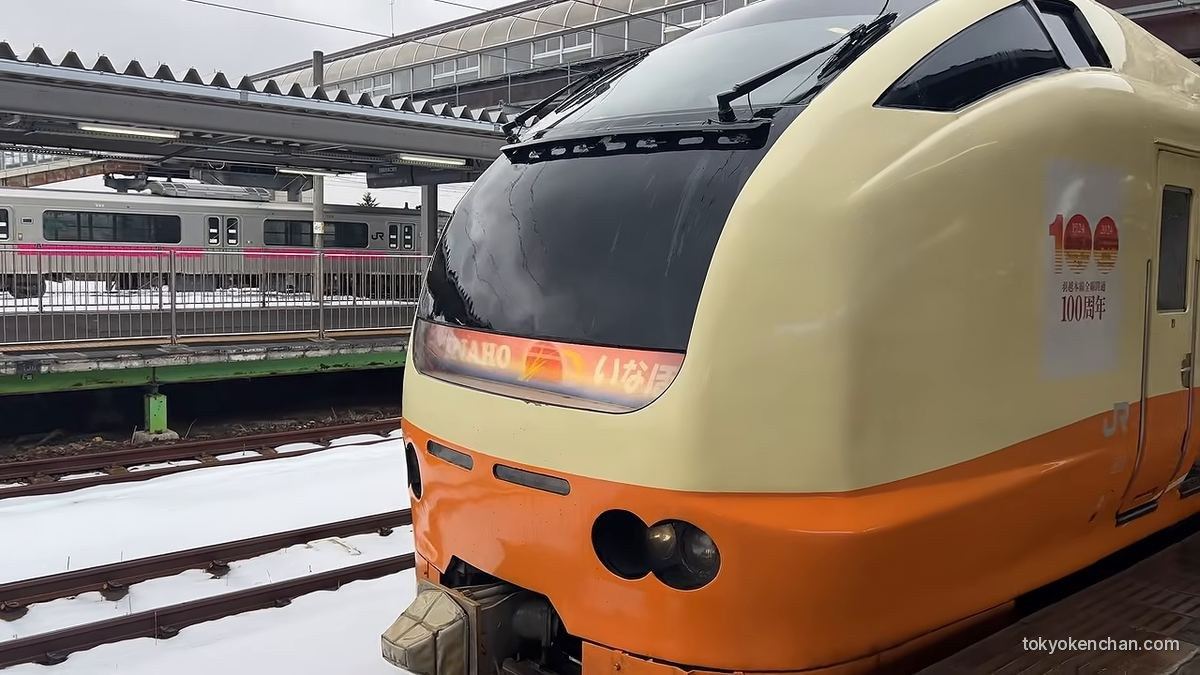
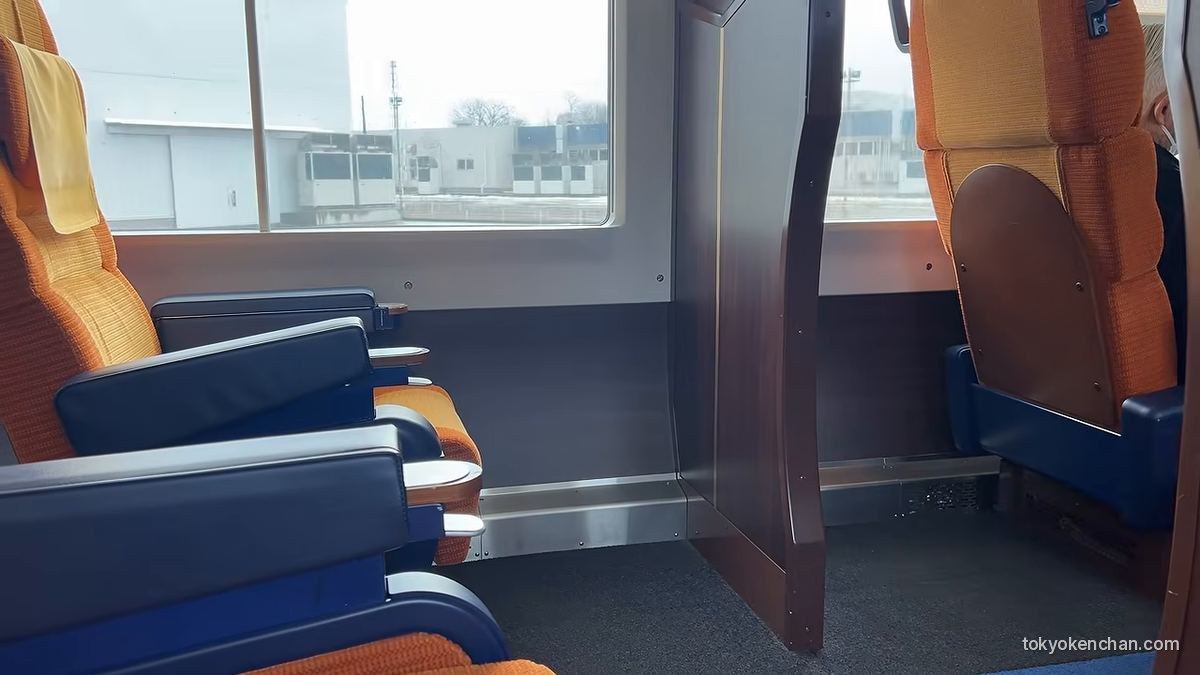
The Inaho also has a special Green Car that we don’t see in Tokyo, with lots of privacy and a great seat. The route has beautiful coastal scenery and mountains, and of course I didn’t forget to get a lunch box. It was really good, and later I found it being sold at a bento shop at Tokyo Station too.
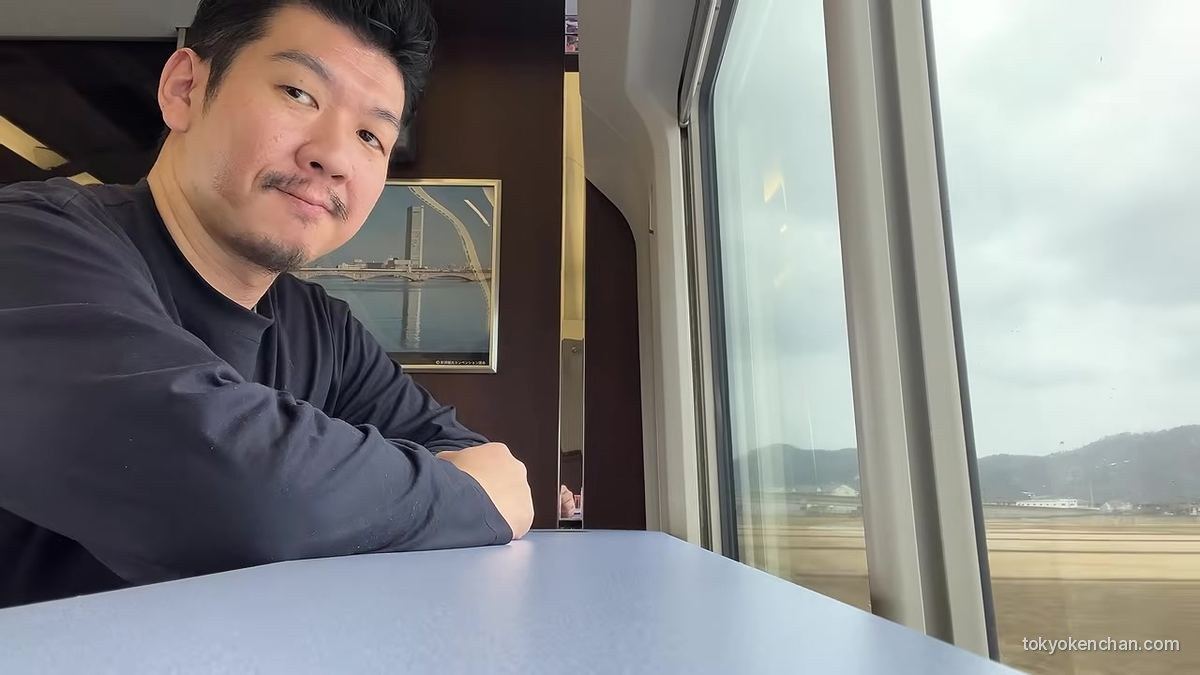
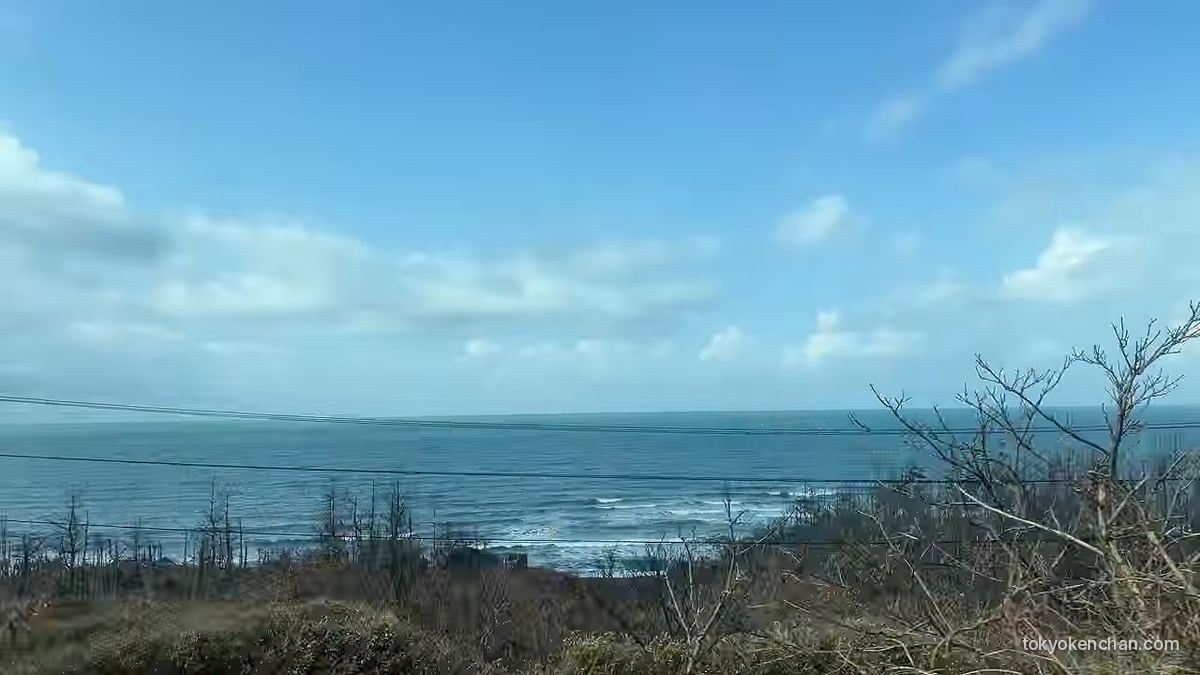
Eating a local bento while watching the scenery is one of the joys of riding trains in Japan. Unfortunately it was raining that day, but when I passed the beautiful coast, the sky cleared and I could see sunshine.
The ride to Niigata was very, very comfortable, and I could have stayed on it longer. If you take it, I think the extra cost for the Green Car is totally worth it. The great thing is that at Niigata you can change to the Joetsu Shinkansen to Tokyo on the same platform, through a ticket gate, without going up or down any stairs.
Afterword: A Phone in the Snow
The small happening on this trip was in Yokote. While walking down a quiet street, I found a phone dropped in the snow, and someone was calling it. The station staff couldn’t accept it because I found it in the city, and the police box in front of the station was closed, so I called the police, and they kindly came to pick it up because I didn’t have a car.
It took longer than I expected, but it was an interesting experience. A few days later, I received a report from the police that the phone had been returned to the person who lost it.
Questions I Often Get in the Comments
When did you go, and is it hard to travel in the snow?
This was filmed in February, in the middle of winter. In Kakunodate the snow was deep, but the streets were cleared quickly and it became easy to walk. The biggest issue for me was the trains: that winter they were delayed a lot because of mechanical problems and the weather, so give yourself extra time and good, warm shoes.
When is the cherry blossom season in Kakunodate?
I haven’t seen it yet, and I’d like to visit again in cherry blossom season or the green season. The weeping cherries usually bloom from late April to early May, and the Kakunodate Cherry Blossom Festival runs from April 15 to May 5, although the dates can change with the bloom.
Can I get to Akita by bus from Tokyo?
Yes, there is a highway bus between Tokyo and Akita. JR Bus Tohoku runs the overnight Dream Akita-Tokyo bus between Akita Station and Tokyo Station, and reservations are required. During holiday periods like Obon in mid-August, both buses and trains can be busy, so book early.
What about bears in Akita?
The bear issue is getting serious across Japan, and Akita has many bears. The places in this article are all in town areas. If you plan to walk near mountains, forests or rivers, check local warnings first, such as the bear sighting alerts from the Tazawako and Kakunodate tourism association.
General tourist information: The places below are major sights in Akita that are not covered in the visit described in this article. Hours, prices and bus services can change, so check the official pages before you go.
Lake Tazawa. Japan’s deepest lake, with the Statue of Tatsuko on its shore, about 30 minutes by local bus from Tazawako Station on the Akita Shinkansen. Viewing the lake is free; details are on the official Tazawako and Kakunodate tourism site.
Senshu Park and the Kubota Castle Osumi Yagura. The site of Akita’s old castle, about a 15-minute walk from the West Exit of Akita Station. The rebuilt corner turret costs 150 yen for adults and is closed from December 1 to March 31; see the Akita City page (Japanese).
Namahage Museum. A museum on the Oga Peninsula about the Namahage, the masked figures of Oga’s New Year’s Eve tradition. Admission is 660 yen for adults, or 1,100 yen combined with the Oga Shinzan Folklore Museum; see the official site.
Akita Kanto Festival. One of the most famous summer festivals in Tohoku, where performers balance tall poles hung with paper lanterns in central Akita City every year from August 3 to 6. Details are on the official festival site.
Other hotels near Akita Station: These are well-known hotels within walking distance of Akita Station, listed for convenience.
Hotel Metropolitan Akita, directly connected to JR Akita Station.
ANA Crowne Plaza Akita, about three minutes from the station.
Richmond Hotel Akita Ekimae, about five minutes’ walk from the West Exit.
Dormy Inn Akita, about eight minutes’ walk from the station, with a natural hot spring bath.
Where to next
From Akita you can continue north to Aomori, or head back toward Tokyo and the rest of Japan. If you are planning the rest of your trip, these are the guides I would read next.
- Aomori Travel Guide: the Nebuta Museum, a Nokkedon seafood bowl and Asamushi Onsen, by shinkansen from Tokyo.
- Takayama Travel Guide: another old town in the mountains of Japan.
- How to Get on the Shinkansen: tickets, baggage and what to know, from my ride from Tokyo to Kyoto.