This post contains affiliate links. If you book through them, I may earn a small commission at no extra cost to you. Learn more.
Takayama was one of the first towns in Japan to catch the attention of foreign tourists, and together with nearby Shirakawa-go, it is now one of the most popular places to visit after the Golden Route. Because access is limited, many places were just as crowded as the Golden Route, at least from what I saw. Around it are places like Hirayu Onsen and Hida Furukawa, where big nature and tradition come together in a very Japanese landscape.
I think it is a great area to travel, as long as you pay attention to hotels and access. Just be ready for crowded buses. And where you need a reservation, like the highway bus to Shirakawa-go, book it ahead.
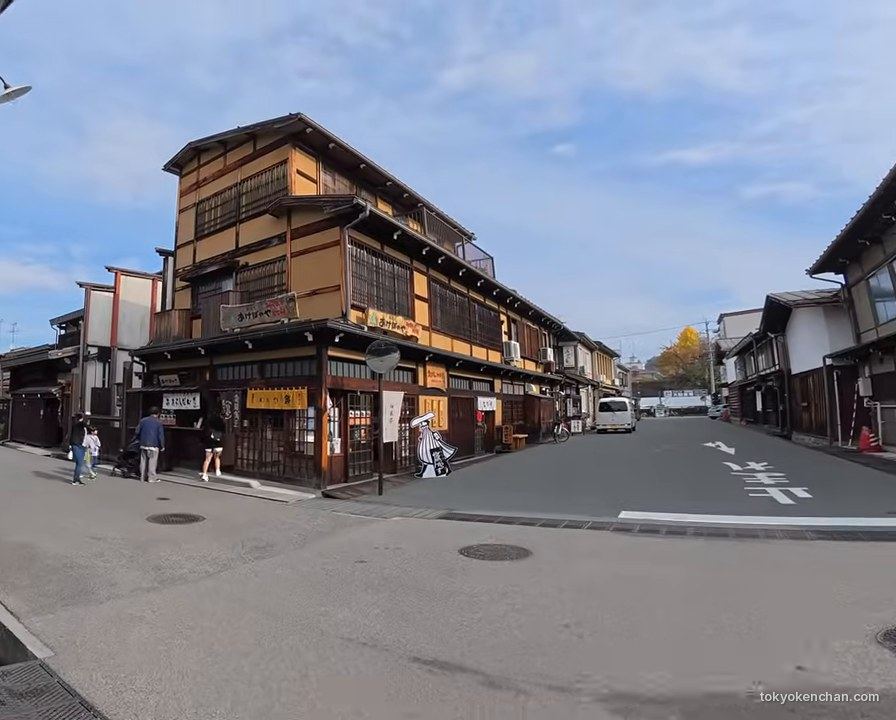
I came here in mid-November at the end of a long trip through the Japanese Alps and Hokuriku. After the Alpine Route from Nagano, Toyama and Kanazawa, I started from Takaoka, took a bus to Shirakawa-go, went on to Takayama and made a quick trip to Hida Furukawa before dark. The next morning I saw the morning market and the old town, then took the train to Nagoya.
Map of JR Takayama Station
Getting to Shirakawa-go: I Took the Bus from Takaoka
The most common way to reach Shirakawa-go is by bus from Takayama, but there are also buses from Kanazawa, Toyama and Takaoka. When I checked the bus from Kanazawa, it was full. There was actually one seat left, but I was a bit nervous about such a packed bus, so I tried the Takaoka route instead.
I booked it on Japan Bus Online, which has an English site. Takaoka isn’t the usual way to go, and I rode it on my own all the way to Shirakawa-go. If you can’t find a seat from Kanazawa or other places, it is worth considering.
While I was on the bus, I also booked my next bus from Shirakawa-go to Takayama, and there were only a few seats left. The bus has no restroom, so don’t drink too much before you get on. After about 1 hour and 40 minutes, it arrived at the Shirakawa-go Bus Terminal.
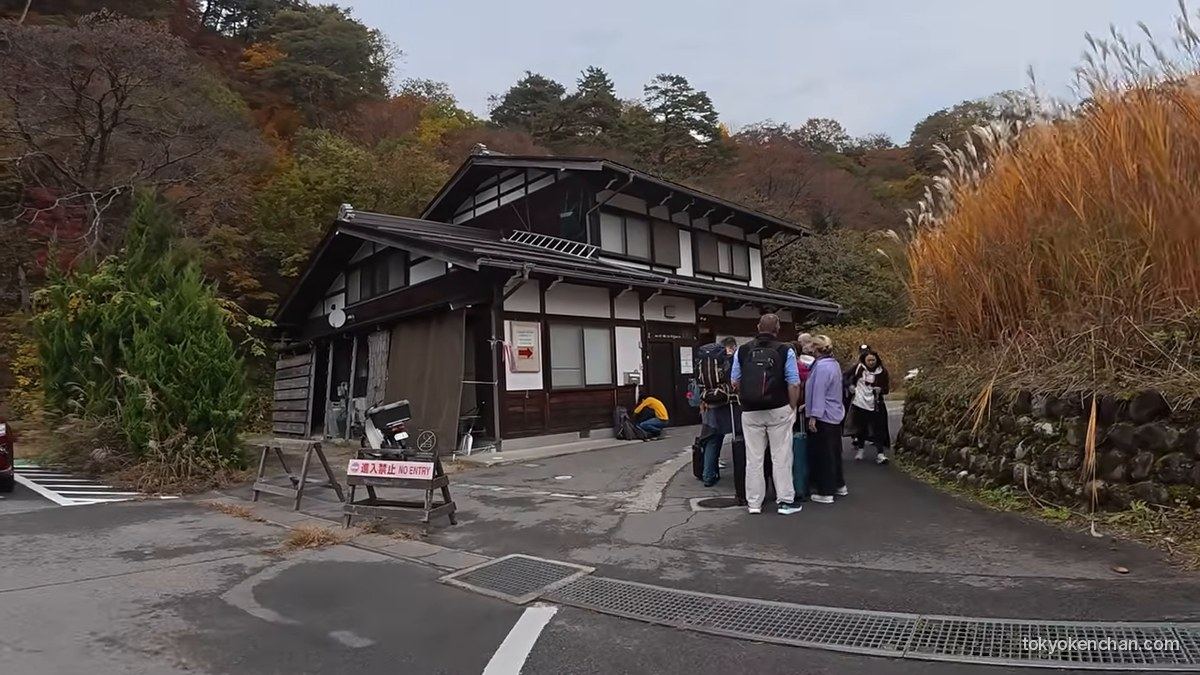
Shirakawa-go
The first thing I saw was a long line just to store luggage. The coin lockers are big enough for suitcases, at 500 yen and 1,000 yen, but it looked like it took a long time, so I decided to carry my backpack. If you travel with big suitcases, allow extra time here.
There is a shuttle bus up to the observation deck for 300 yen each way, and it runs every 20 minutes. The one I wanted had just left, so I decided to walk around the village first and go up later. The current timetable is on the Shirakawa-go travel guide site.
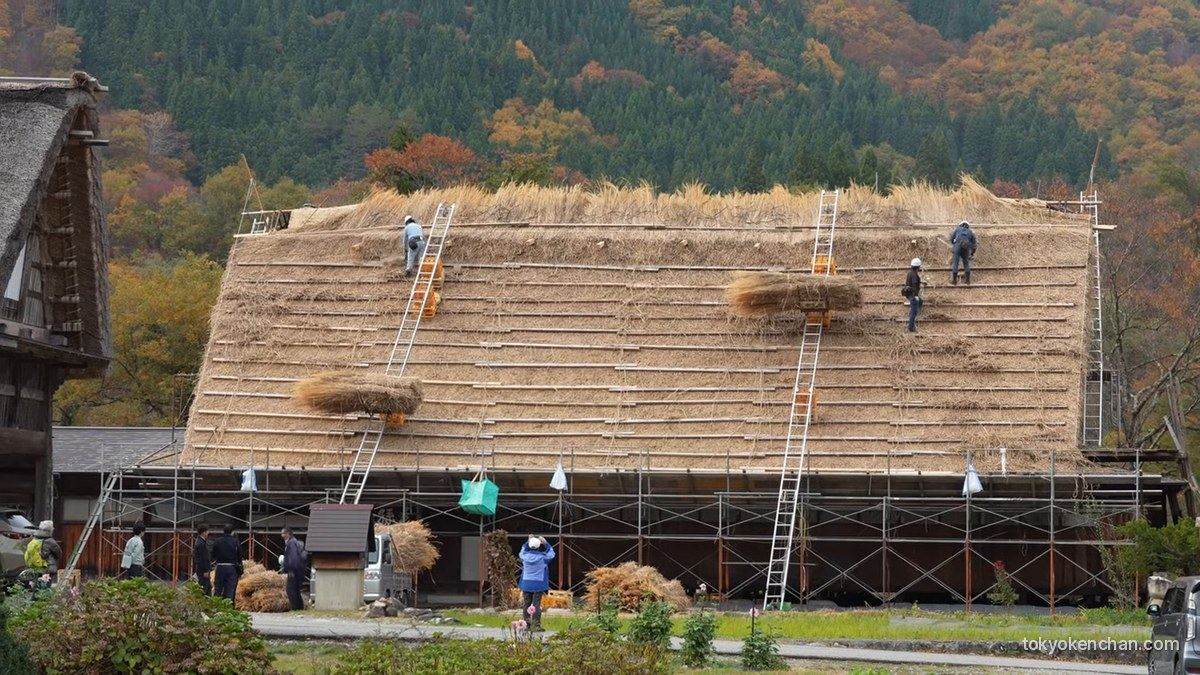
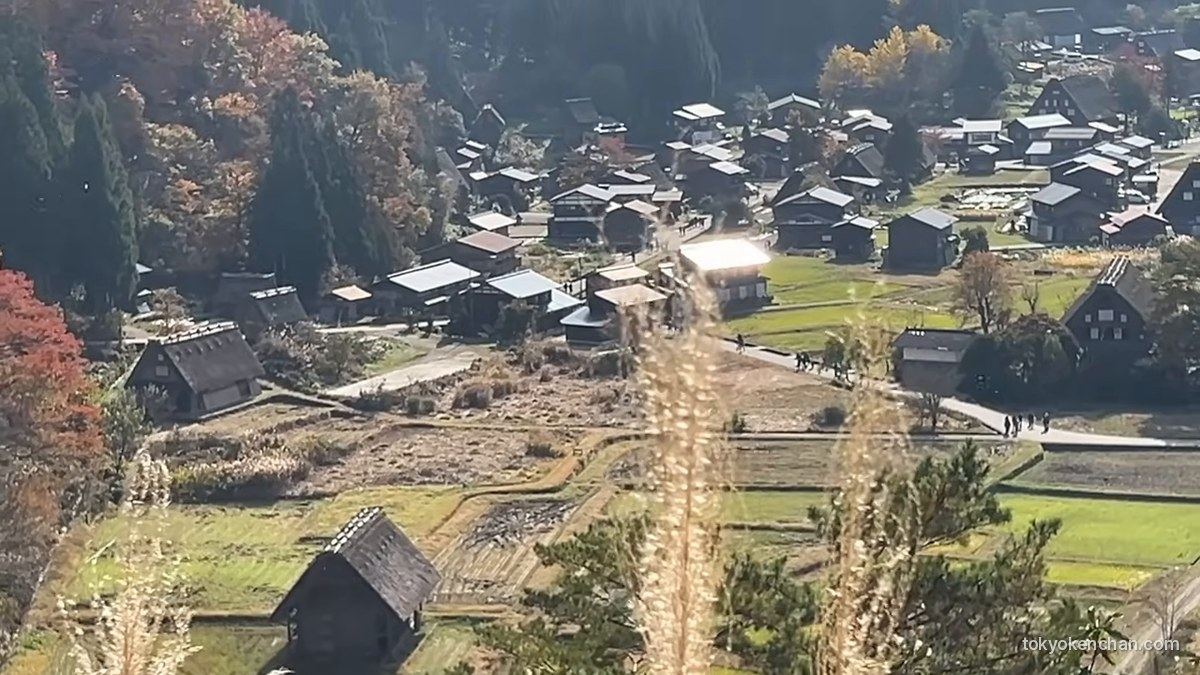
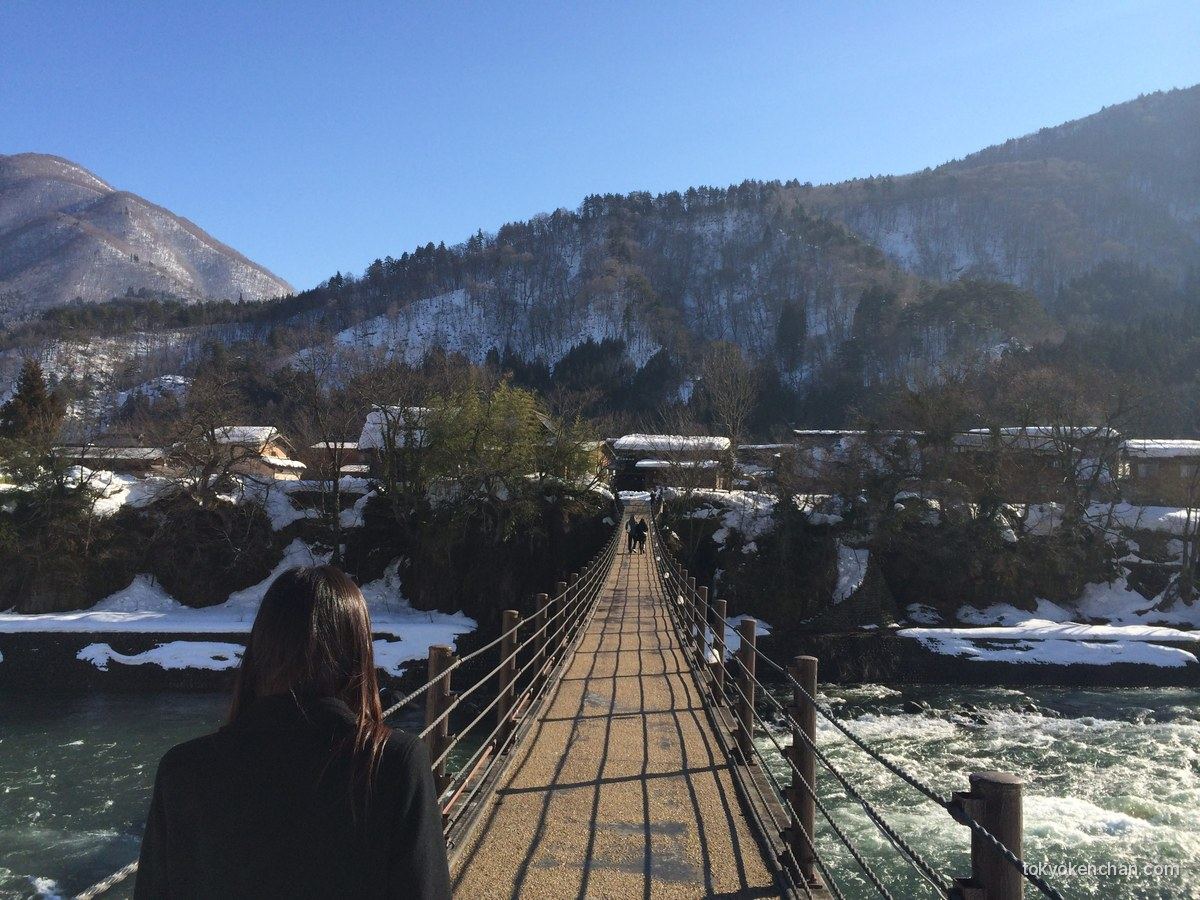
Shirakawa-go is a World Heritage Site, and the thing to do here is walk between the gassho-zukuri houses. Their steep thatched roofs look like hands pressed together in prayer and are designed to shed the heavy snow in winter. Some of the houses are about 300 years old, and the village became a World Heritage Site in 1995.
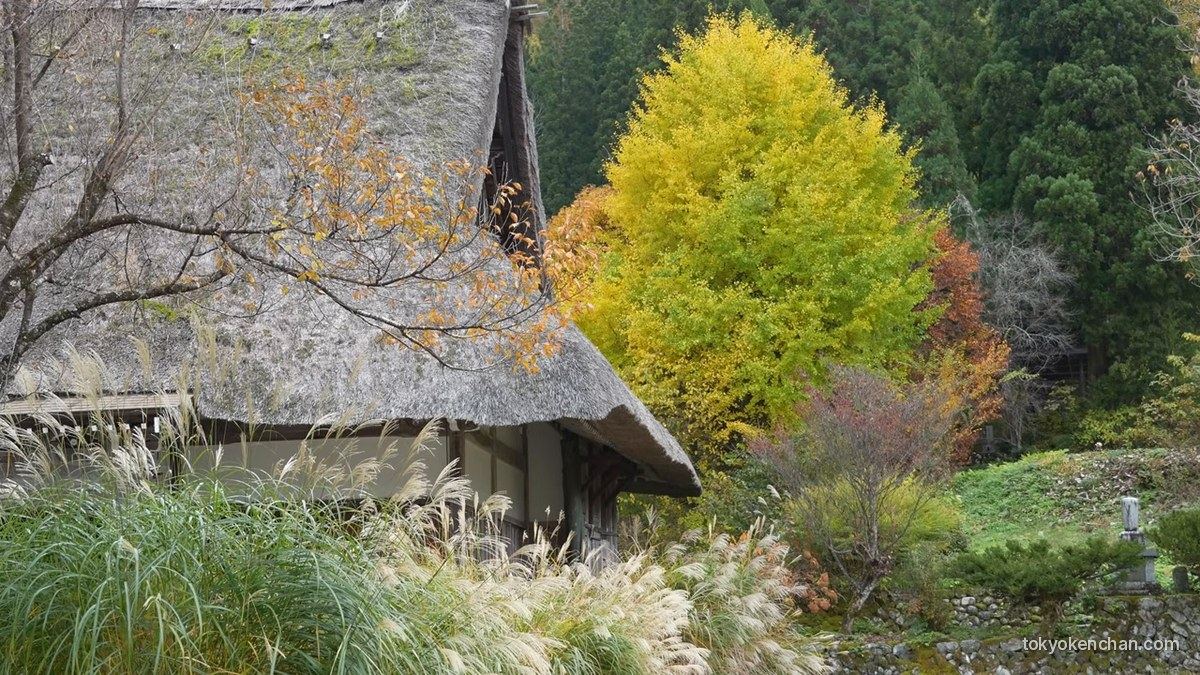
You can go inside some of the houses to see how they are made, and there are places to eat and take a rest. As you can see, the village is busy with tourists. But you can walk freely around it, and there are still some spots you can find just for yourself.
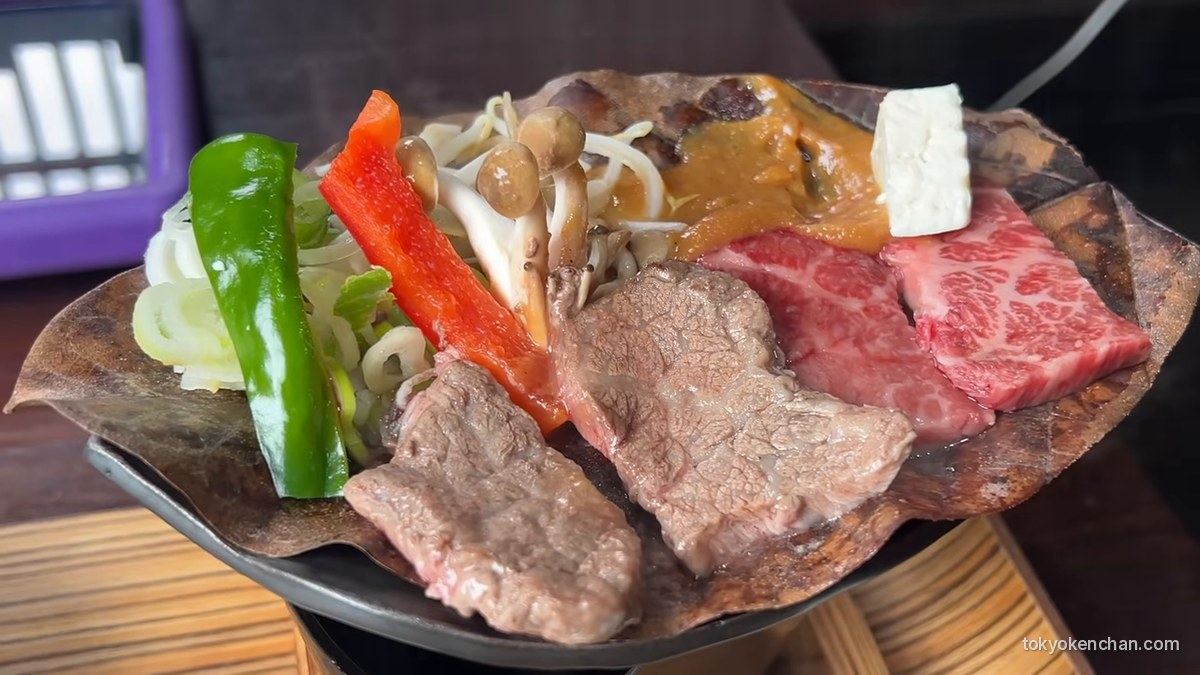
This area’s special food is Hida beef, so I had it for lunch at a restaurant called Keyaki. My Hida beef steak was cooked at the table on a small grill and it was really good. It was 2,200 yen, and I could pay by credit card.
After lunch I went up to the observatory. The view over the village and the autumn mountains was beautiful, and I could imagine this whole space covered with deep snow soon, and the night illumination in winter. Later I noticed there was another viewpoint to the right that I didn’t go to, and it probably has a better view, so look for both when you are up there.
The Bus from Shirakawa-go to Takayama: Reserve a Seat
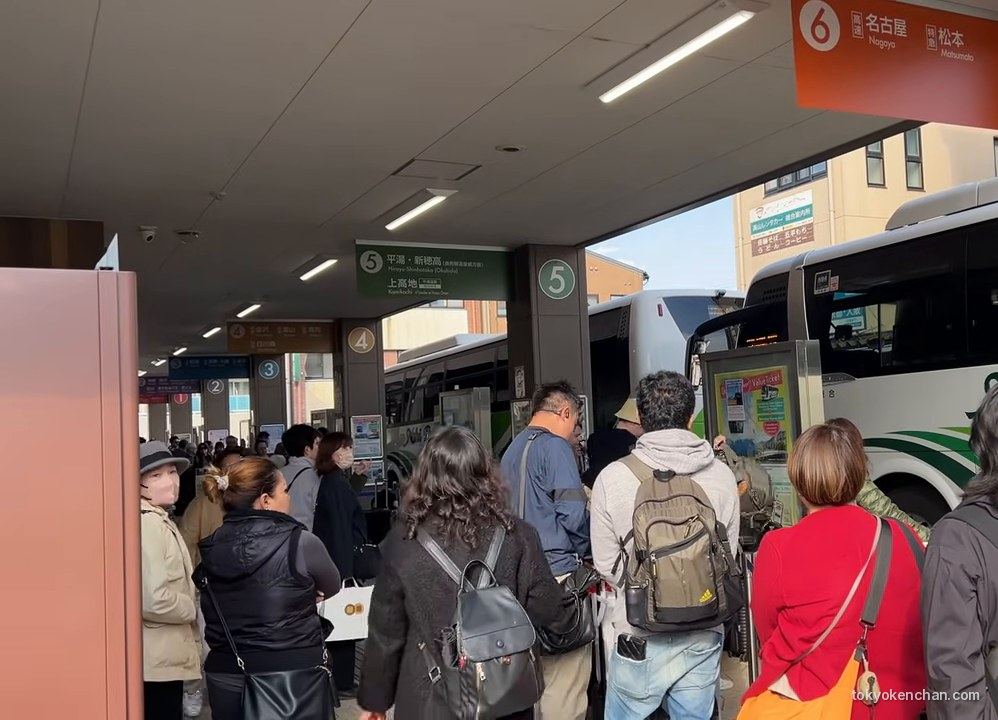
Between Shirakawa-go and Takayama, there are two types of buses: the ones that need a reservation and the ones that don’t. While I was waiting for my bus, some passengers outside were asking if there were any seats left on it, and the next bus was about 40 minutes later. For the non-reserved buses, you have to wait at the bus stop, which might be hard in very hot or very cold weather.
So if you visit Shirakawa-go, make sure you have a reservation. The ride takes about 50 minutes, and the official Nohi Bus timetable marks which buses need one. Timetables and fares change from time to time, so check the Nohi Bus Shirakawa-go page before you go.
The bus arrived at the Takayama Nohi Bus Center, right next to JR Takayama Station. There was a long line for the buses toward Hirayu Onsen and the Shinhotaka Ropeway. If you would rather skip Shirakawa-go, you can also come to Takayama from Toyama on the JR Takayama Line.
A Quick Trip to Hida Furukawa
I walked to my hotel, dropped my luggage and went out again, because there was one more town I wanted to see before dark. Hida Furukawa is a small town just north of Takayama, around 20 minutes by local train.
There was only about one train per hour, so when you go to the countryside in Japan, check the time of your return train. According to JR Central, IC cards such as TOICA can be used on local trains between Takayama and Hida-Furukawa.
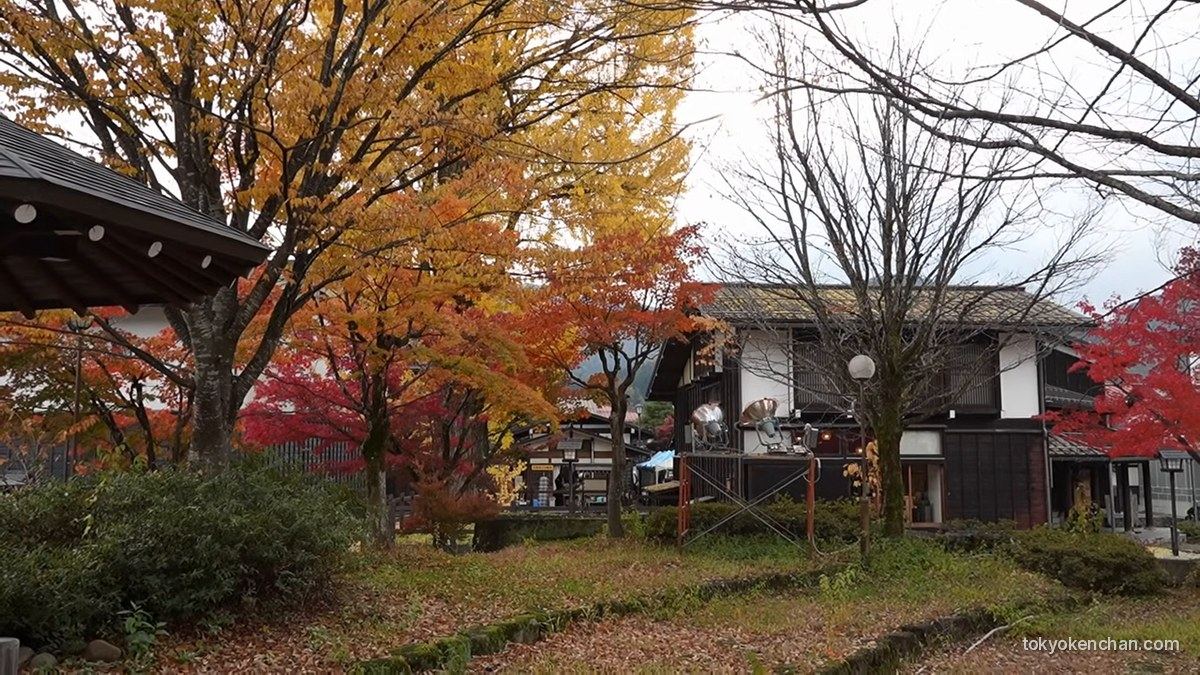
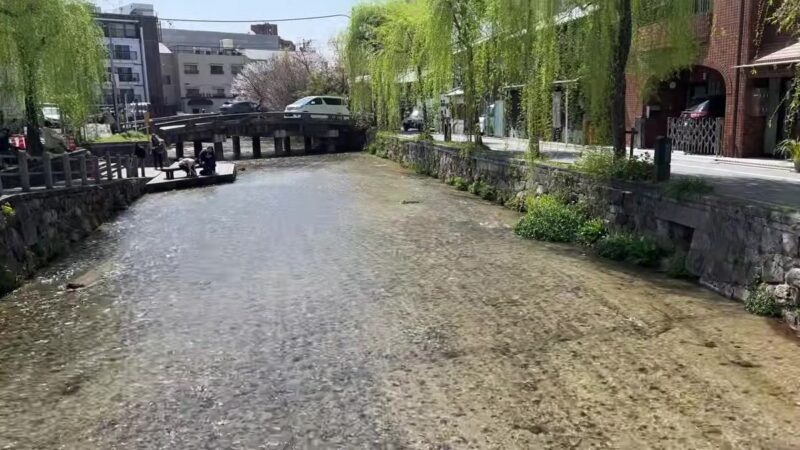
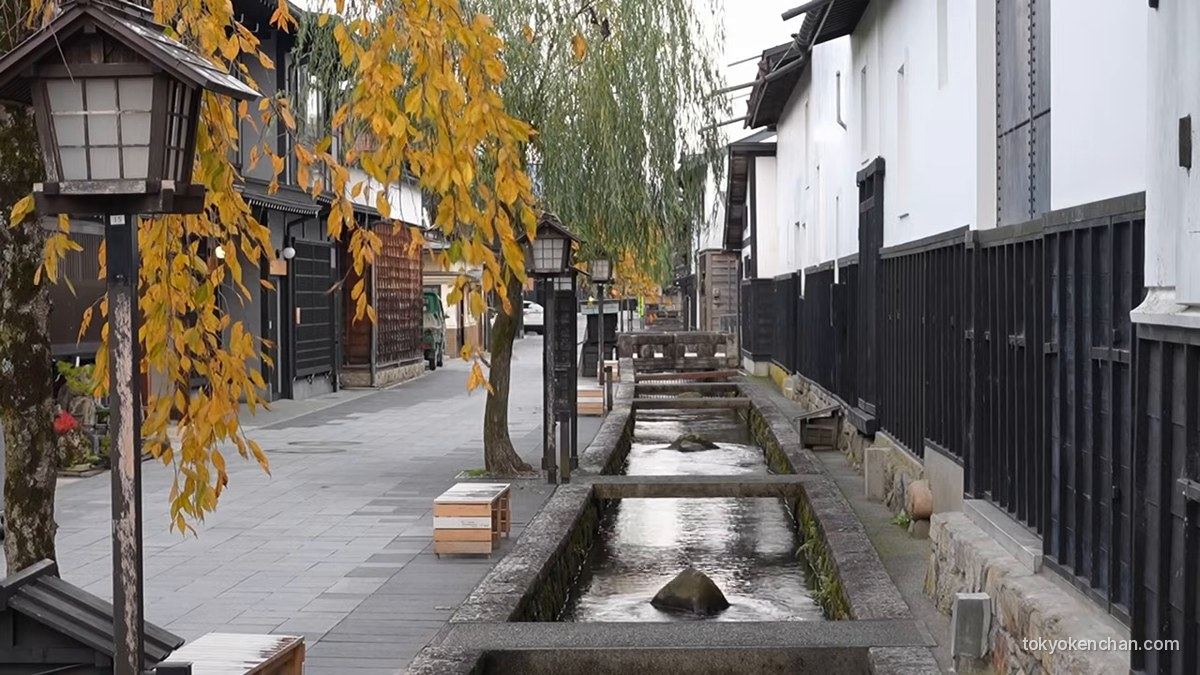
Hida Furukawa is another town with about 400 years of history. You can stroll through the scenic old town along small canals. This mix of nature and tradition became famous across Japan, and even around the world, when the town appeared as a scene in the anime film ‘Your Name.’
The iconic scenery of Hida Furukawa is the small canal full of carp. For 100 yen you can buy food to feed them, and at one spot you can hit a drum as you pray, also for 100 yen. There is water streaming from everywhere, and I think it must be especially beautiful in summer.
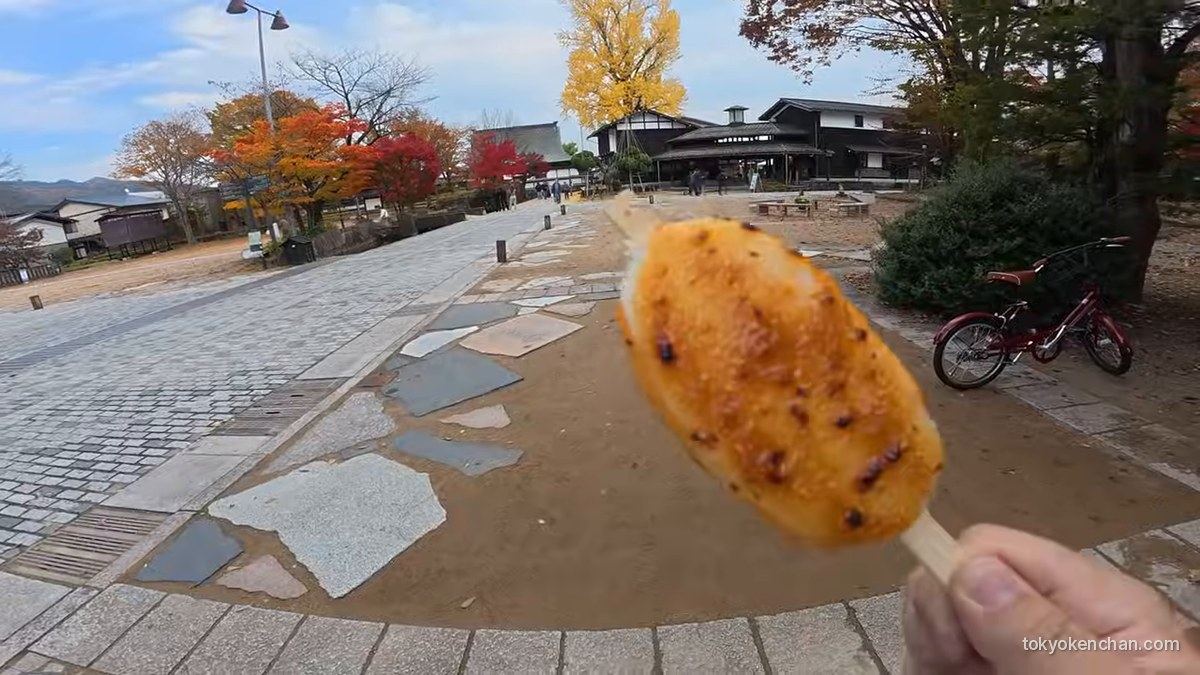
If you visit in April, you can see the big Furukawa Festival, held every year on April 19 and 20. The rest of the year, the Furukawa Festival Museum shows what the festival looks like. I snacked on gohei mochi, a typical snack in the mountain areas of central Japan, made of sticky rice covered with sweet miso.
A Night in Takayama: Hot Spring and Ramen
Back in Takayama, I stayed at Spa Hotel Alpina Hida Takayama, a short walk from the station. It was a single room, but a really nice one with a view of Takayama City. It was the fourth night of the trip and I was a little tired, so I almost took the hot spring first, but I knew I wouldn’t go out again if I did.
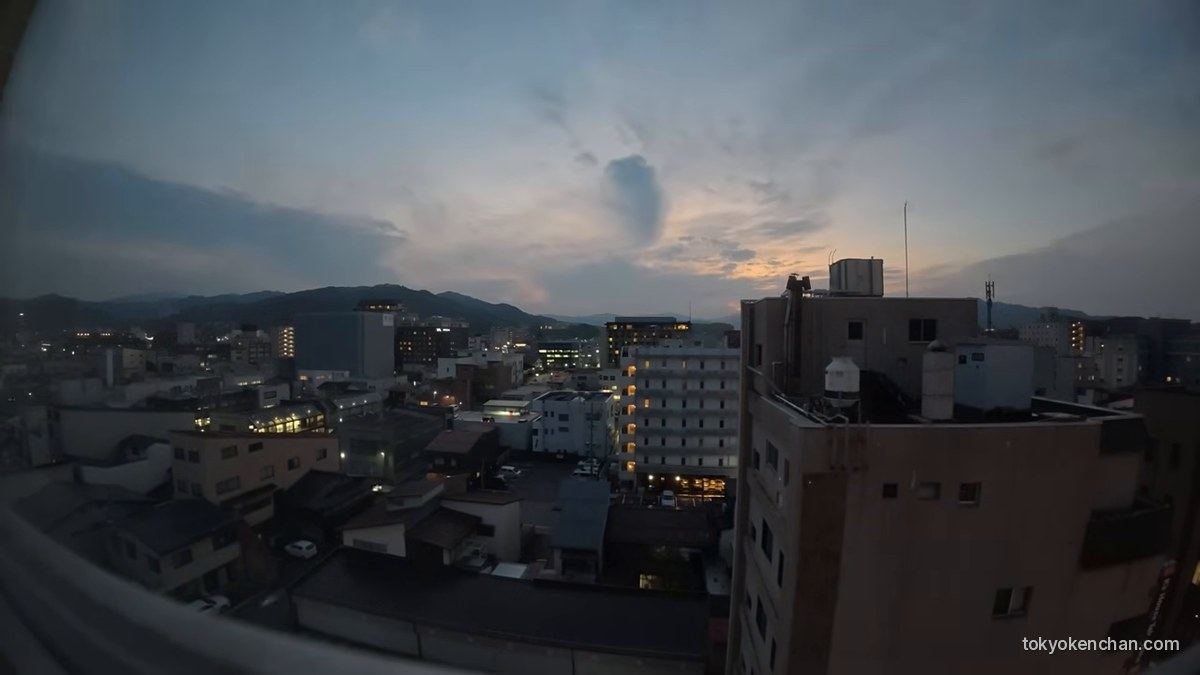
The hotel has a very nice natural hot spring, from 1,000 meters underground. When I finally took it, I remembered how important just a hot spring bath is. It was November 15th, so there was a beautiful full moon. If you want a more ryokan-like stay in Takayama, Honjin Hiranoya Kachoan is another place I have stayed.
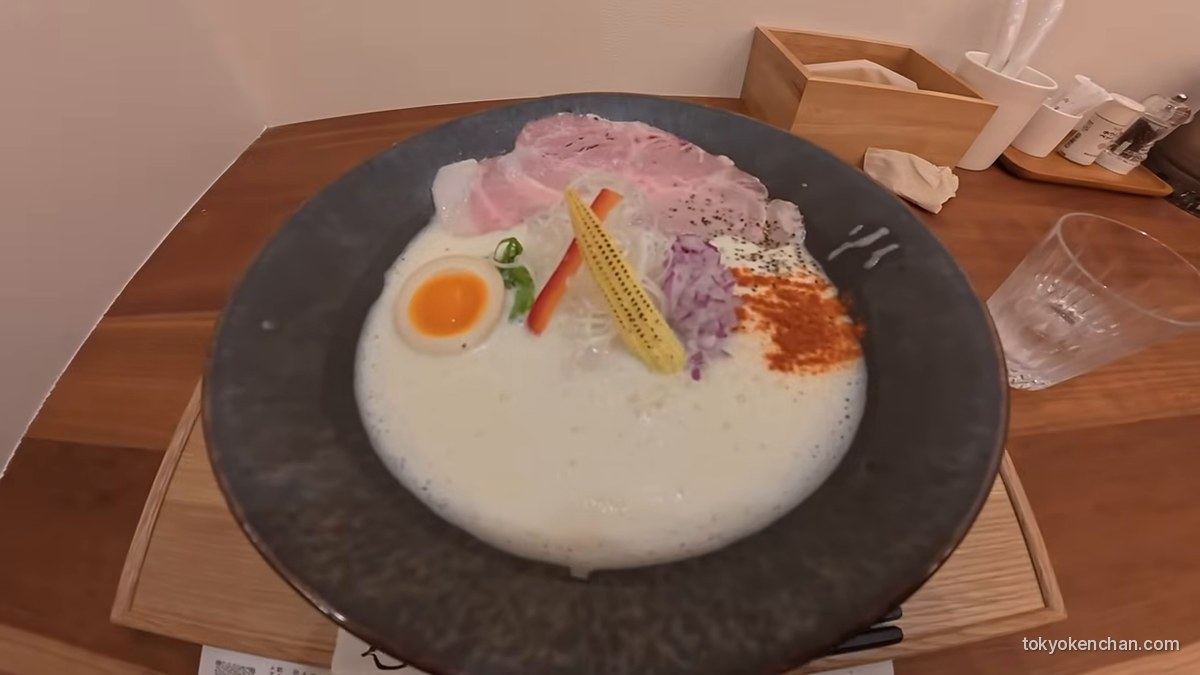
For dinner, I tried Ramen Kamon, a ramen shop with a very high Google rating of 4.8. When it opened in the evening, everyone in line went in and I was the first one who couldn’t, so I waited for the next round. The menu was in English, and I heard the staff wondering if I was Japanese. I think I was the only Japanese customer there, and later they brought me a paper in Japanese.
The ramen was a very modern style. The shop is pretty much made for international travelers, and considering how strict Japanese people usually are with ratings, I understand why the reviews are so high. There was nothing wrong with it, and it was good.
Takayama Morning Market
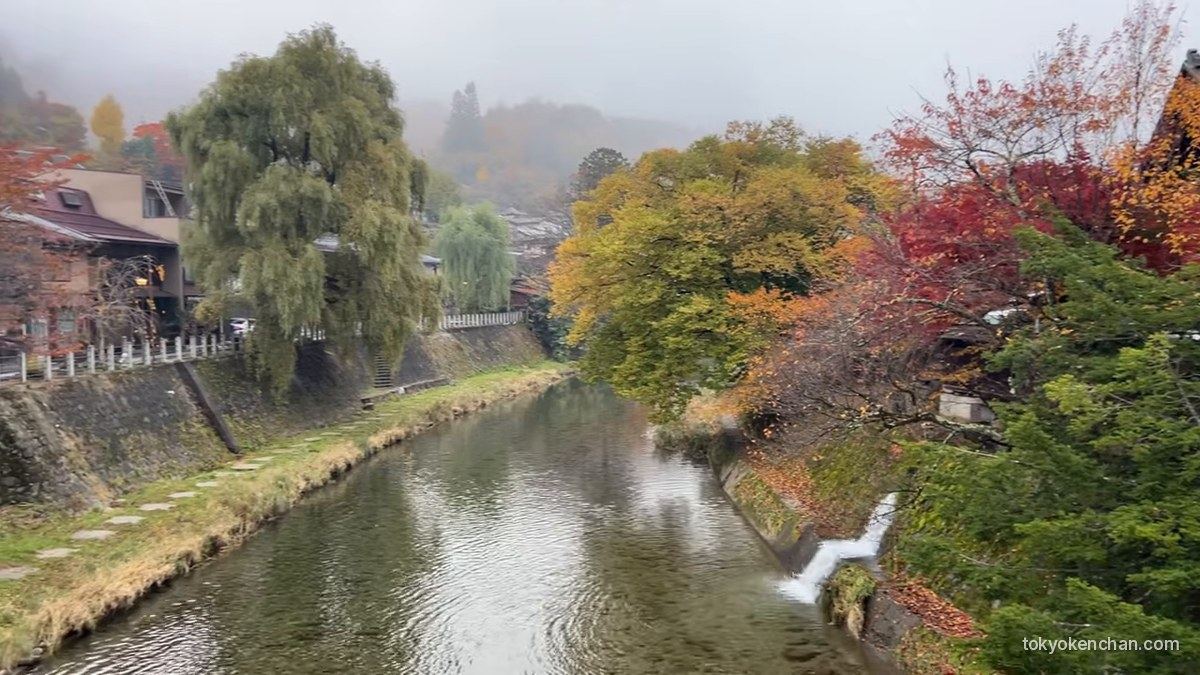
The next morning was very foggy. Before breakfast I went to the morning market in front of Takayama Jinya, which is held every day. It was before 7, the official opening time, but some stalls were already open. The official Takayama tourism site lists 7 a.m. from April to November and 8 a.m. in winter, and there is also the Miyagawa Morning Market along the river.
It was so much fun to shop while talking with the local people. Later I saw lots of international tourists here too, so you can try foods you’ve never had before, or just try talking with the people at the stalls. I bought some local products from farmers, like mochi and miso with different ingredients that I can put on tofu for New Year.
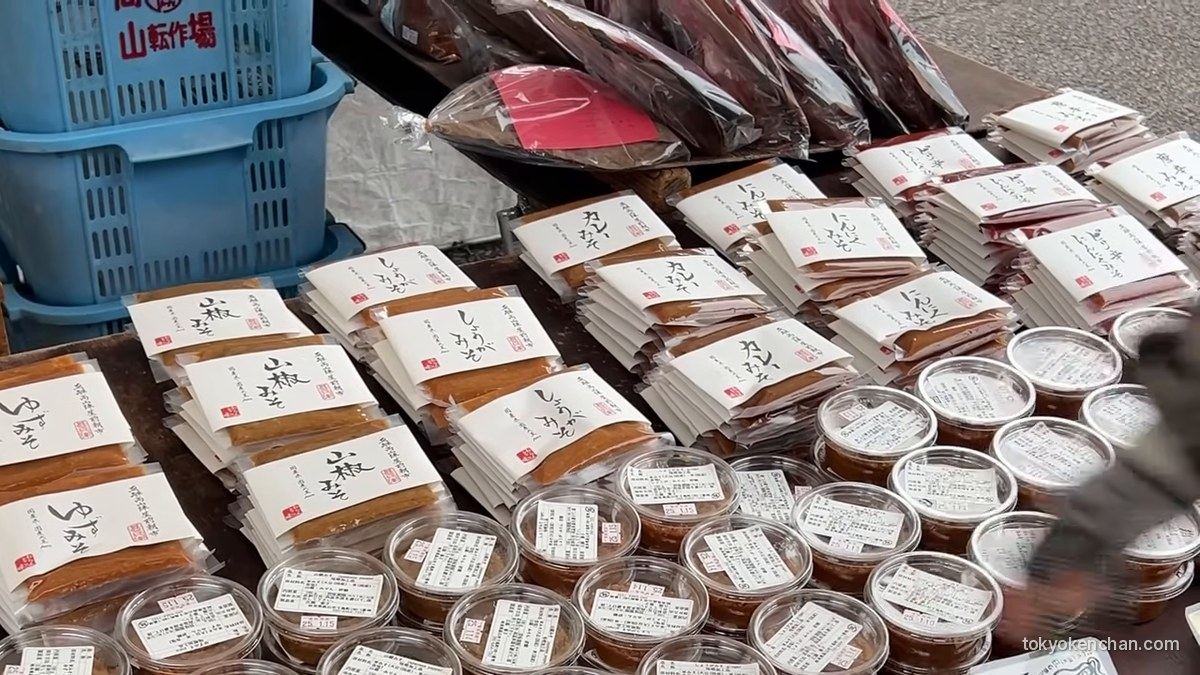
At the miso shop, they even gave me a paprika for free. Local shops and markets like this gave me bags without asking, at no charge. I walked a little more along the river in the fog, then went back to the hotel for breakfast, which had some local Hida food.
Takayama Old Town: Sake and Street Food
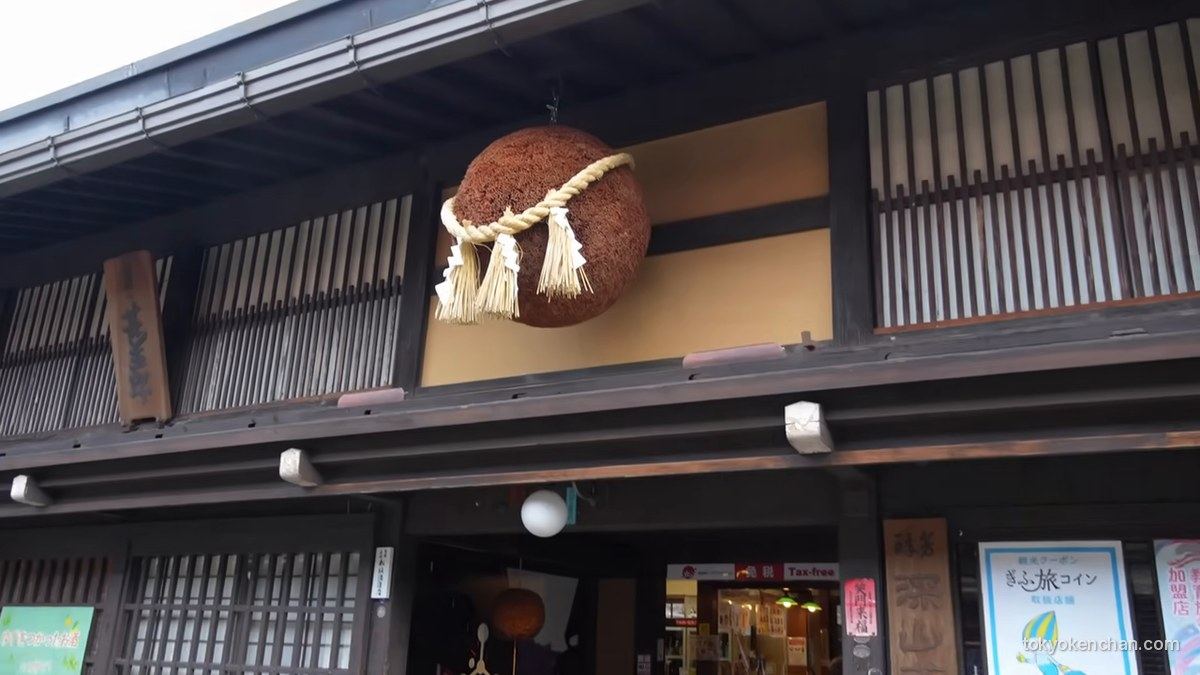
Before leaving, I walked through the old town. Harada Sake Brewery is known for its sake brand Sansha, and the gold one is a really good one. I ordered a sake soft-serve ice cream, which only adults can eat. It was good, but it didn’t really taste of sake.
There are lots of different shops and lots of places to eat, snack and try street food: Hida beef, Hida beef sushi, korokke and the mitarashi dango I had been looking for. You will probably be pretty full after walking around, so you might not need lunch.
Takayama to Nagoya on the Limited Express Hida
To leave Takayama, I took the Limited Express Hida to Nagoya. The platform at Takayama Station opens when the train’s departure gets close, so there was a line to get on. I decided to try the non-reserved seats this time. The Hida from Toyama comes in first and empty cars are added at Takayama, and fortunately the non-reserved car had a lot of space.
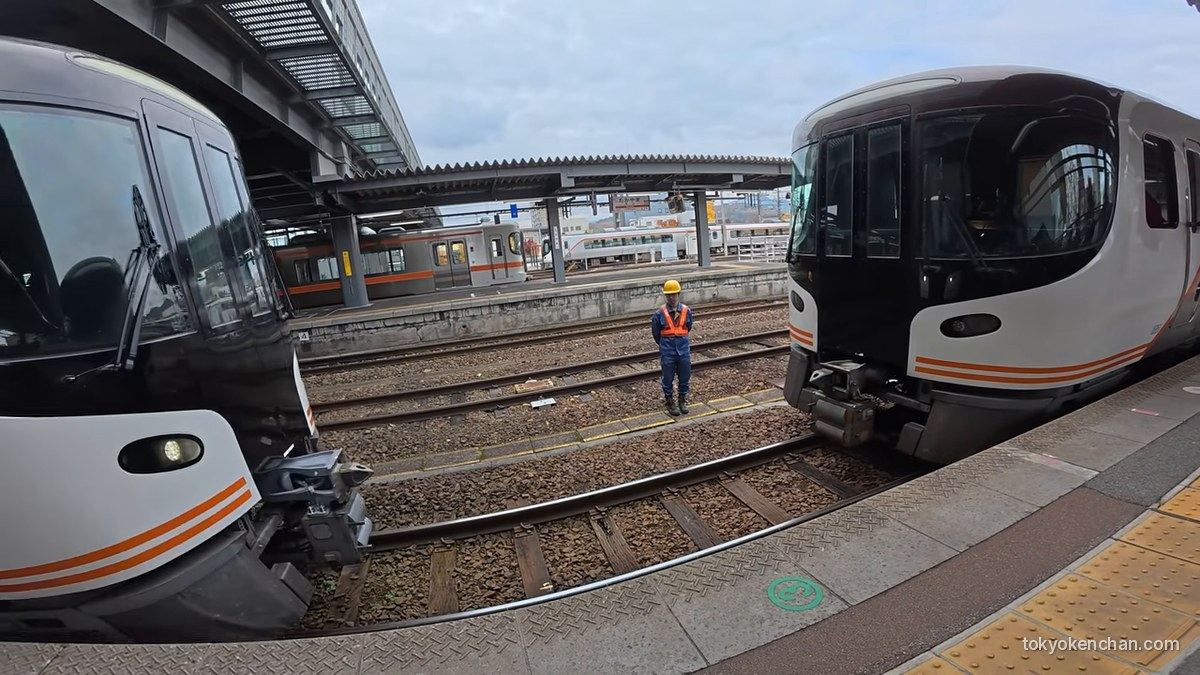
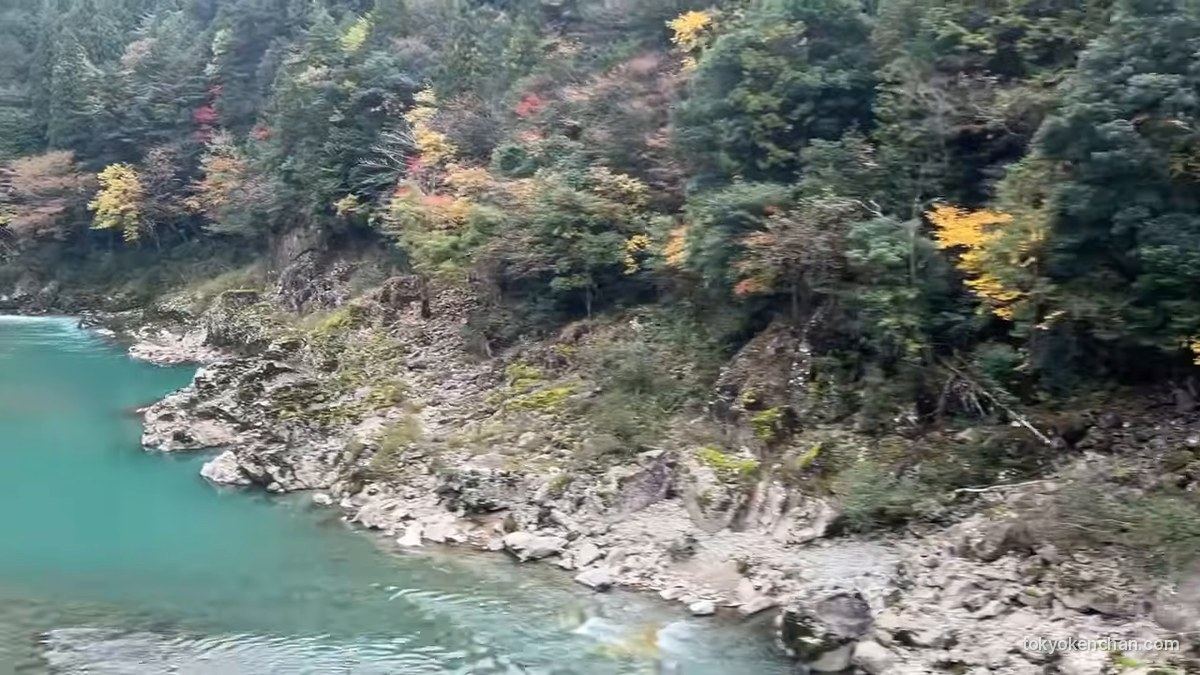
From Takayama to Nagoya is about two and a half hours. The new hybrid train is very comfortable, and unexpectedly, the view from the window is amazing. If you take the Limited Express Hida, I recommend sitting on the east side: the right side on the way to Takayama, and the left side on the way to Nagoya. JR Central has an English page on Hida Takayama and the Hida train.
Questions I Often Get in the Comments
Can I take a direct bus from Takayama to Tokyo?
I’ve taken the bus from Shinjuku in Tokyo to Kamikochi, which is near Takayama. If you are physically OK with a long bus ride, it might be easier than changing trains at Nagoya, especially with luggage. It also depends on where your hotel is in Tokyo. The highway bus from Takayama to Shinjuku takes about 5 hours 30 minutes and all seats are reserved, so book it on the Nohi Bus Shinjuku line page.
Isn’t Takayama too touristy?
Takayama is a hub for many different places around it, so it was quite busy, especially on the buses. It is definitely not a hidden gem. I think it’s important not to just follow what others think, and to follow what you feel good about. Like the bus from Takaoka, if you go just a bit off the main route, it can still be empty.
When did you go to see autumn colors like this?
I filmed this on November 15 and 16. I didn’t expect to see that much autumn color, because it was still very warm in Tokyo.
Can I take the train from Toyama to Takayama instead?
Yes, the Limited Express Hida also runs from Toyama, and viewers often recommend the scenery on that route. I was debating until the last minute whether to show Shirakawa-go or that train ride in this trip. I’d love to take that route too next time.
A Side Note: Shirakawa-go in Winter 2014
When I first traveled here in the winter of 2014, there was a kind of last-minute tour that took us from Takayama through Shirakawa-go to Kanazawa, and nobody else was on it. It was a really cheap tour, but the only participants were my group, and even lunch on the way was just us. In Shirakawa-go, I walked around with just the guide.
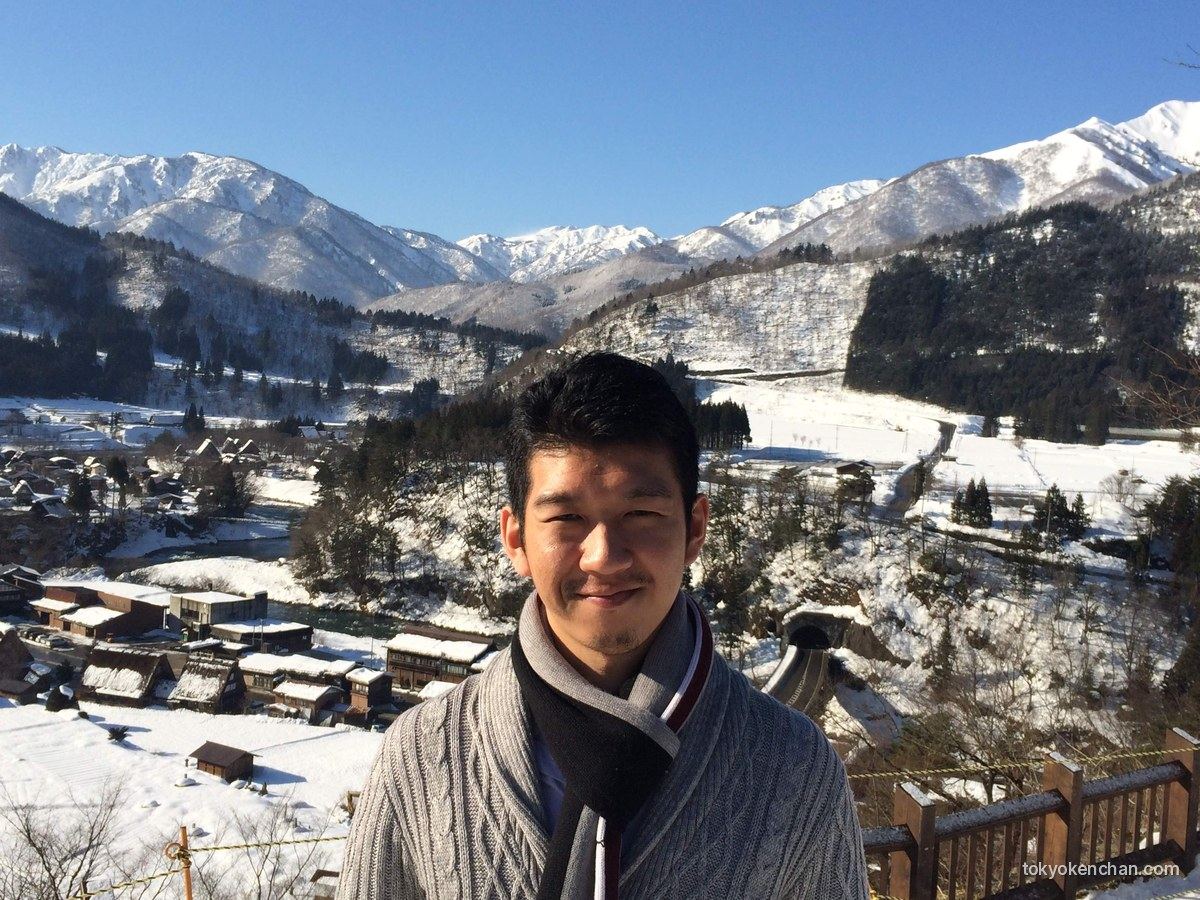
The driver and the bus guide were so kind to us. When we arrived in Kanazawa, I rushed to a convenience store to buy them drinks and ran back to give them while the bus was still parked. Thinking about those days, today is a different world.
General tourist information: The places below are major sights around Takayama that are not covered in the visit described in this article. Hours and prices can change, so check the official pages before you go.
Takayama Jinya. A historic government office from the Edo period, about a 10-minute walk from JR Takayama Station, with the Jinya-mae Morning Market in front of it. Admission is 500 yen for adults. Details are on the official site.
Takayama Festival Floats Exhibition Hall. Real floats from the autumn Takayama Festival are on display all year, about a 20-minute walk from the station. The festival itself is held on April 14 and 15 and October 9 and 10, and adult admission to the hall is 1,000 yen. Details are on the festival information page.
Hida Folk Village (Hida no Sato). An open-air museum of thatched-roof farmhouses from the Hida region, about 10 minutes by Sarubobo Bus from the station. Admission is 700 yen for adults; see the official Takayama tourism page. Wabunka also has a private guided hike and cycle tour that includes Hida Folk Village.
Shinhotaka Ropeway. A two-stage ropeway up into the Northern Alps, about one and a half to two hours by Nohi Bus from Takayama via Hirayu Onsen. A round trip is 3,800 yen for adults. Details are on the official site.
Other hotels near Takayama Station: These are well-known hotels within a few minutes’ walk of the station, listed for convenience.
Hida Takayama Washington Hotel Plaza, right next to JR Takayama Station.
TOKYU STAY Hida-Takayama Musubi no Yu, about two minutes’ walk from the station, with hot spring baths.
Mercure Hida Takayama, about four minutes’ walk from the station, with hot spring baths.
Takayama Green Hotel, about six minutes’ walk from the station, with hot spring baths and a Japanese garden.
Where to next
Takayama connects to Nagoya by the Limited Express Hida, so it fits well between Tokyo and Kyoto or after a few days in Nagoya. If you are planning the rest of your trip, these are the guides I would read next.
- Nagoya Travel Guide: where the Limited Express Hida starts, with Atsuta Jingu, miso katsu and Inuyama Castle.
- Ghibli Park Guide: an easy day trip from Nagoya, with tickets and how long you need.
- Kyoto Travel Guide: about 35 minutes from Nagoya by Nozomi.