Asakusa is one of Tokyo’s most popular neighborhoods for visitors, but there’s a difference between spending a few hours sightseeing here and actually staying overnight.
I’ve stayed at several hotels around Asakusa over the years, and one thing I’ve noticed is how much the experience changes depending on which part of the neighborhood you choose.
This time, I found a special opening rate at a new apartment-style hotel near Kuramae, just south of Asakusa. It seemed like a good opportunity to explore the quieter side of the area and see how it compared with the lively streets around Sensoji Temple.
Tokyo had been experiencing a long stretch of rainy days, and the forecast wasn’t particularly promising. But I decided to go ahead with the trip.
Arriving in Asakusa
My hotel was actually closer to Tawaramachi and Kuramae, but I got off at Asakusa Station to begin my walk near Kaminarimon Gate.
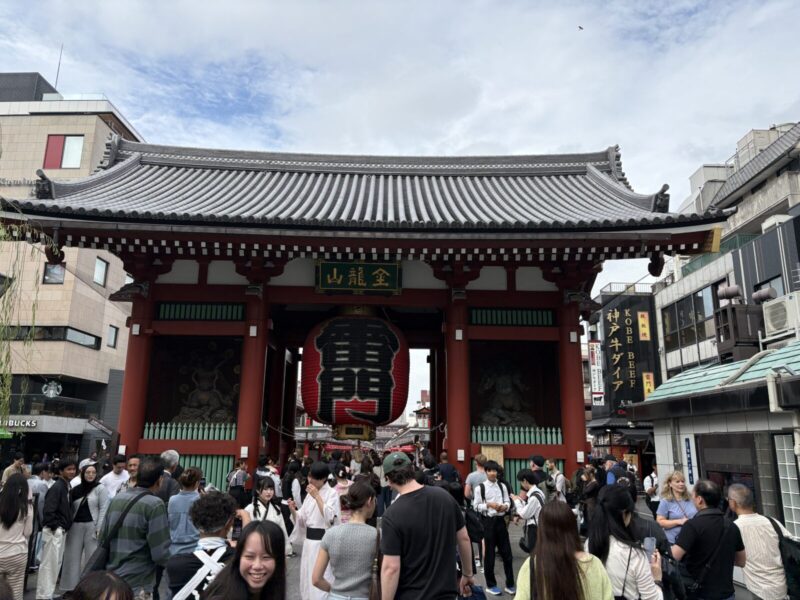
Even in the rain, the streets were crowded with international visitors. People were taking photographs in front of the famous gate, while rickshaw drivers called out to potential customers. It was busy, but there was something enjoyable about the energy.
Around Kaminarimon and Sensoji Temple, Asakusa feels very much like a major tourist destination. Farther south, toward Kuramae, the streets are quieter throughout the day. The two areas have quite different atmospheres, even though they’re close to each other.
Different Sides of Asakusa
I’ve stayed at five hotels around Asakusa, and although they’re all in the same general area, their surroundings are different.
On the eastern side, Asakusa Tobu Hotel is close to Tobu Asakusa Station and the Sumida River. It’s a convenient location for the main sightseeing streets and Tobu trains.
Farther west, Richmond Hotel Premier Asakusa International and Asakusa View Hotel are in Nishi-Asakusa. This is personally my favorite part of the neighborhood. The streets are lively, with a mixture of tourist attractions, restaurants, and ordinary local life.
I particularly enjoyed staying at Richmond Hotel Premier. There are plenty of places to explore nearby, and Tsukuba Express Asakusa Station offers a direct connection to Akihabara.
The southern side, toward Tawaramachi and Kuramae, has a different atmosphere. I’ve previously stayed at Henn na Hotel Asakusa Tawaramachi, and this time I chose another property nearby. Kuramae is generally quiet during both the day and evening, unlike the busy streets around central Asakusa.
For me, Nishi-Asakusa offers the most enjoyable balance of convenience and atmosphere. But the quieter southern side has its own appeal, particularly with Kuramae just a short walk away.
An Apartment-Style Hotel Near Kuramae
My hotel this time was a newly opened apartment-style property called Premium MONday 2. Thanks to an opening rate, I was able to book a spacious room on the ninth floor for less than its usual price.
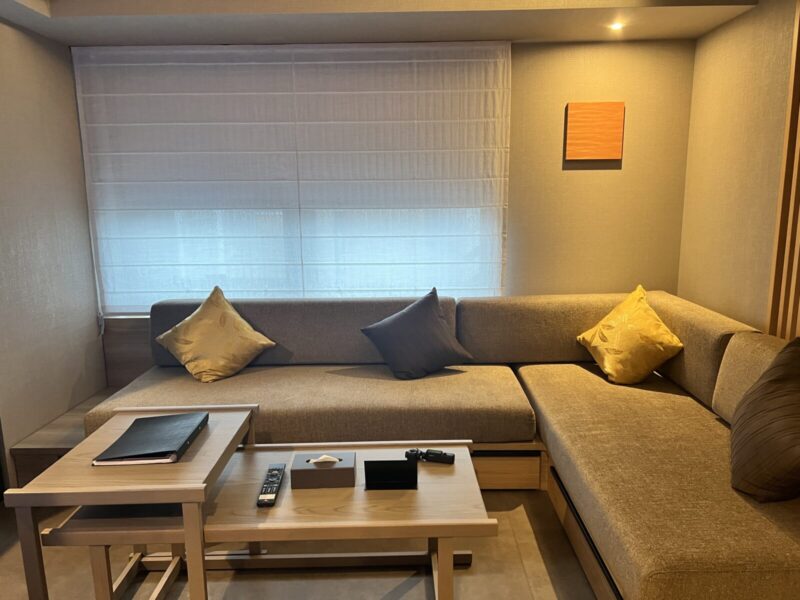
The room had a sofa, a separate bedroom, a kitchen, and a washer-dryer. It felt more like a small apartment than a typical Tokyo hotel room.
The washer-dryer was particularly convenient. I could start a load of laundry before going out and return to find everything finished. On a longer trip around Japan, a feature like this could make it easier to travel with fewer clothes. After publishing my YouTube video, one viewer mentioned that at some apartment-style hotels, the washing machine stops running when you leave the room because removing the key card cuts off the electricity. I hadn’t thought about that, so being able to do my laundry while I was out was a useful feature of this hotel.
The kitchen was another useful feature, although I barely used it. After spending the afternoon exploring, I didn’t feel like cooking a proper meal. In the morning, I made some bacon and eggs, but that was about it.
Apartment-style hotels offer a different experience from conventional hotels. Having a kitchen and laundry facilities can be valuable, but how much they matter depends on the length and style of the trip. I’ll write more about the hotel itself in a separate article.
At the regular rate of around 30,000–40,000 yen per night, one or two people could also stay at a mid-range hotel with facilities such as breakfast service and a gym. For a larger group, the same budget might even cover two separate hotel rooms, depending on the property. It really comes down to personal preferences and how you’re traveling.
The nearest stations were around a five-minute walk away, and the streets surrounding the hotel were quieter than central Asakusa. Staying here also put Kuramae within easy reach.
A Late Lunch at Genraku
After checking in, I headed into Kuramae for a late lunch and ended up at Genraku, a small neighborhood ramen shop near a church.
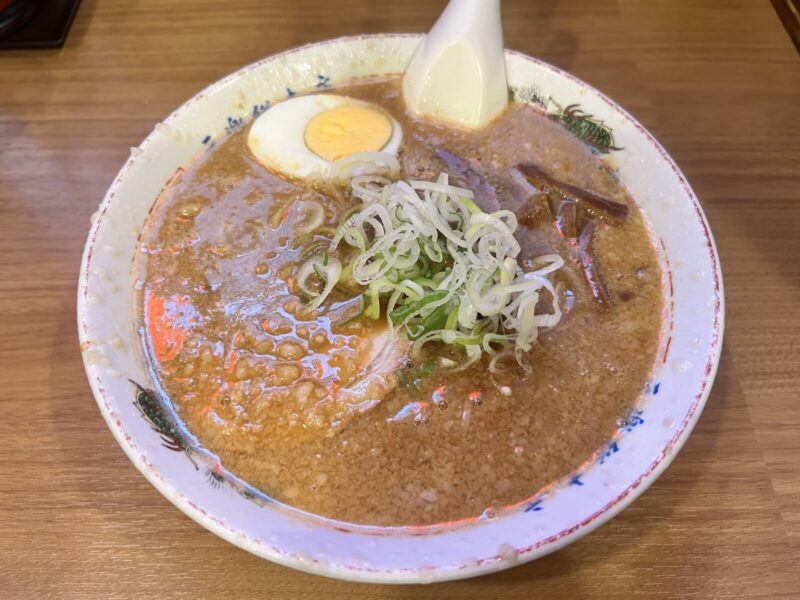
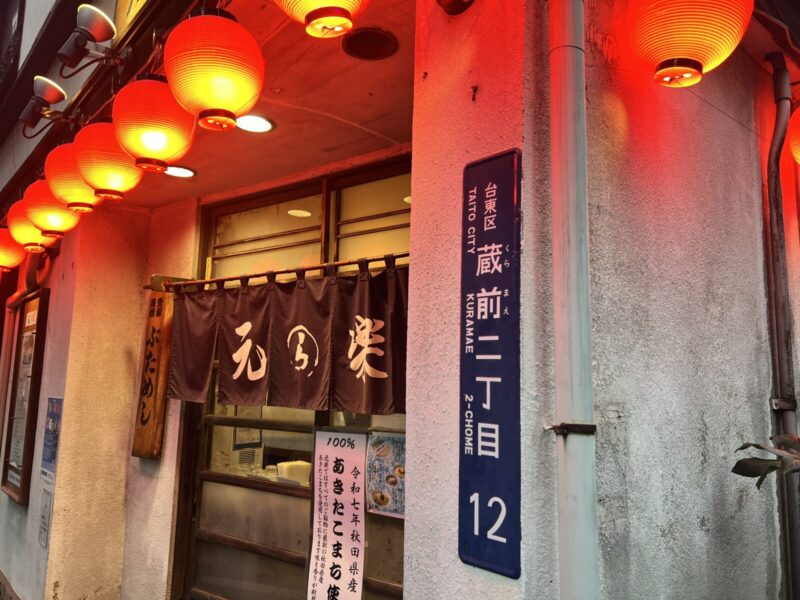
My ramen cost 840 yen, and it was delicious. I liked being able to adjust the flavor with condiments such as sesame oil. The restaurant had a relaxed atmosphere, and there was no queue.
Tokyo has some extraordinary ramen restaurants, but I sometimes find the obsession with famous shops a little strange. People wait two or three hours for a bowl of ramen, and prices at popular restaurants can reach 1,500 or even 2,000 yen.
Personally, I often prefer ordinary neighborhood ramen shops like Genraku. At 840 yen, the ramen was satisfying, the atmosphere was relaxed, and I didn’t have to spend time waiting.
I probably wouldn’t have visited Genraku if I’d stayed right in the center of Asakusa. Staying a little away from the main tourist area naturally brings you to different streets and local restaurants that might otherwise be easy to miss.
Walking Through Kuramae
By the time I finished lunch, the rain had stopped. The light was beginning to change, and Kuramae was looking pleasant in the late afternoon.
One of my favorite things about this neighborhood is its older architecture. I especially like the buildings covered in decorative tiles, some of which look as though they date from around the 1960s.
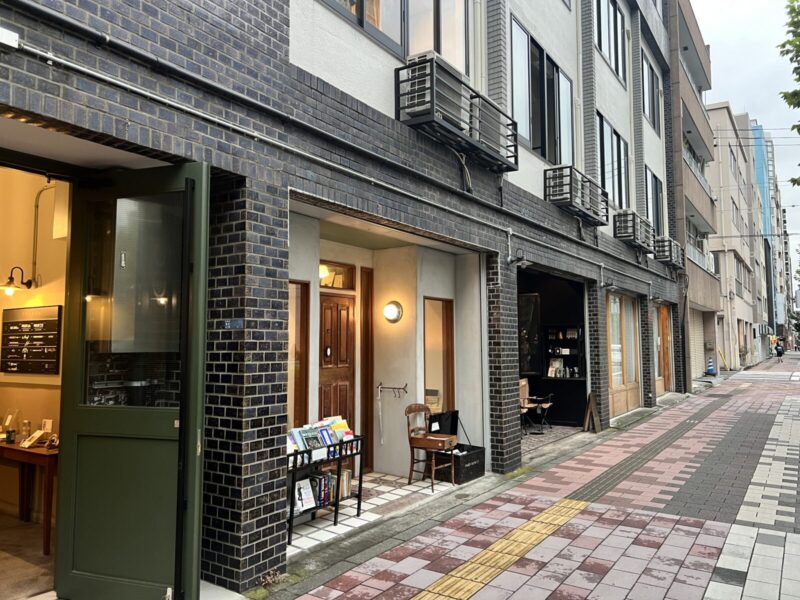
Several of these buildings have been renovated into cafés, shops, and small businesses while retaining much of their original character. Tokyo changes quickly, and I always enjoy seeing older buildings find a new purpose rather than simply disappearing.
Kuramae has become known for its independent cafés and stylish shops, but it remains a relatively quiet neighborhood during both the day and evening. The mix of older buildings and newer businesses gives the area a character of its own.
A Stop at Dandelion Chocolate
During my walk, I stopped at Dandelion Chocolate, a café that originally comes from San Francisco.
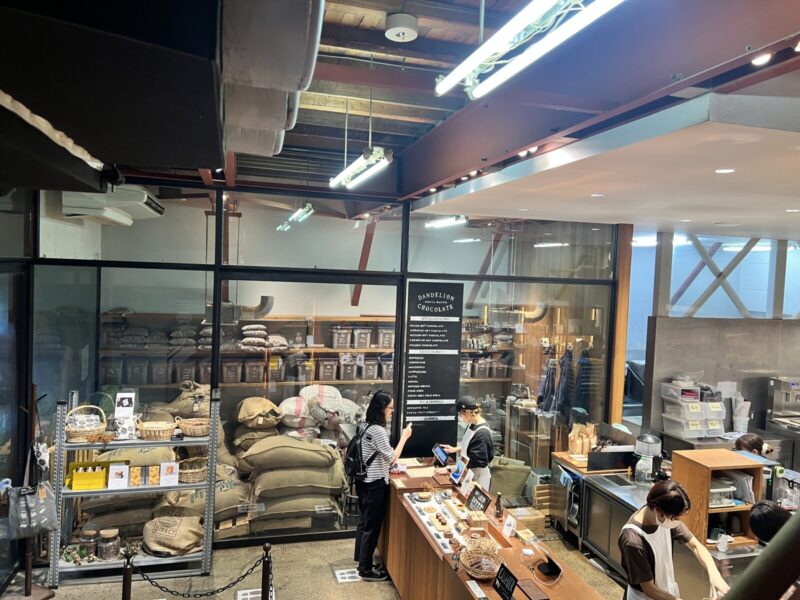
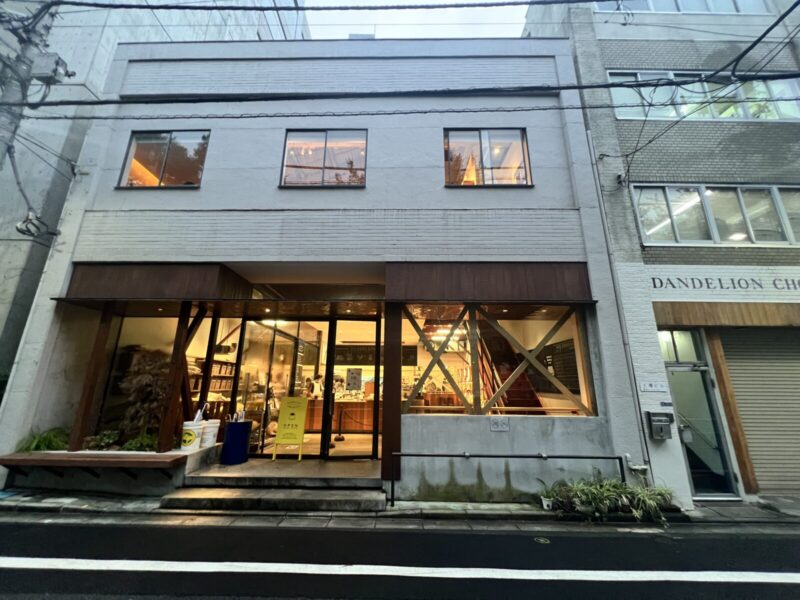
The first thing I noticed was the smell of chocolate filling the space. I found a seat without much difficulty and spent some time relaxing.
After walking through the busy streets around Kaminarimon earlier in the day, the quieter atmosphere felt pleasant. Asakusa and Kuramae are close together, but the experience of spending time in each neighborhood is quite different.
Asakusa After Dark
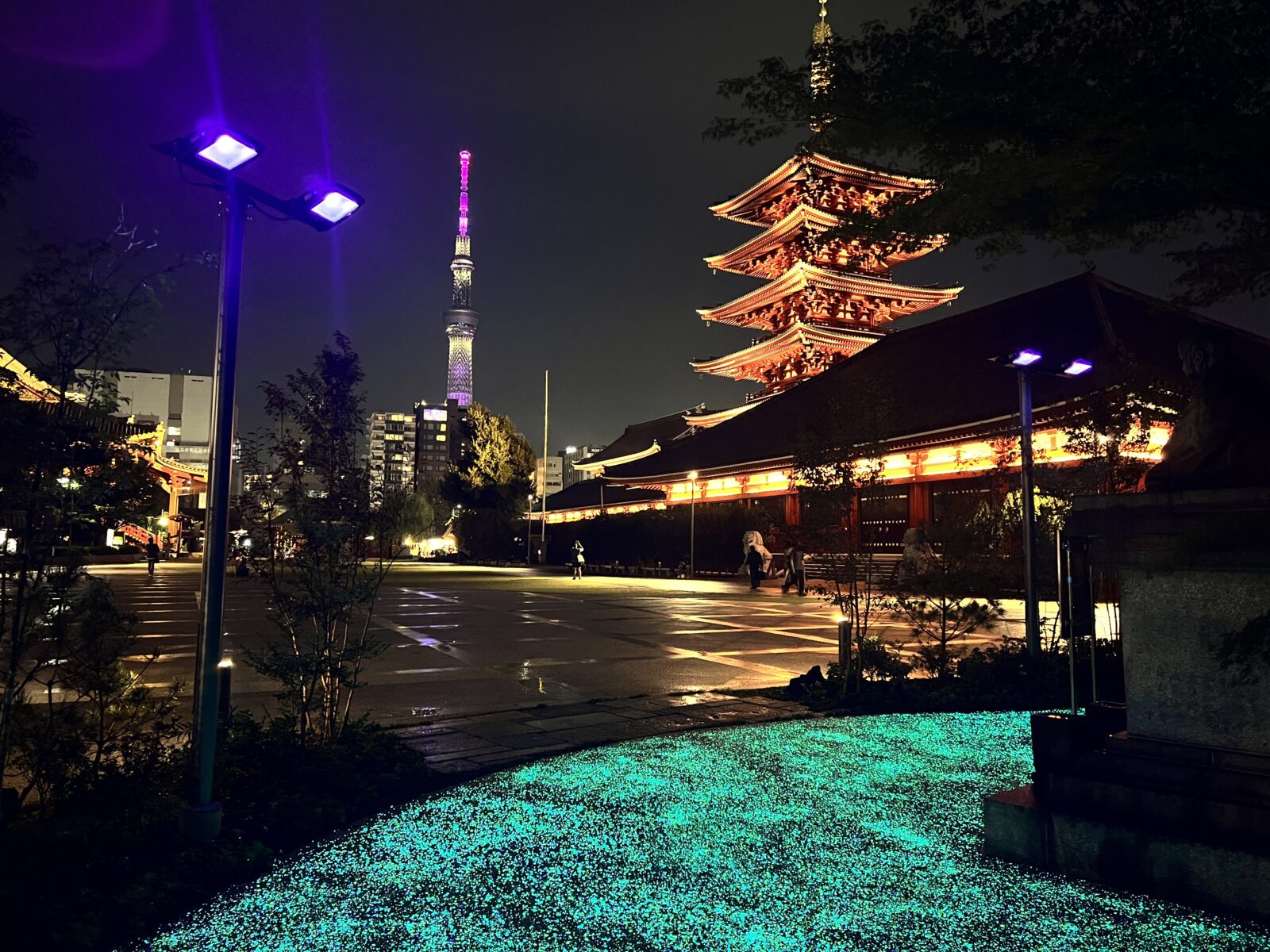
Later that evening, I returned to central Asakusa. This turned out to be my favorite part of the stay.
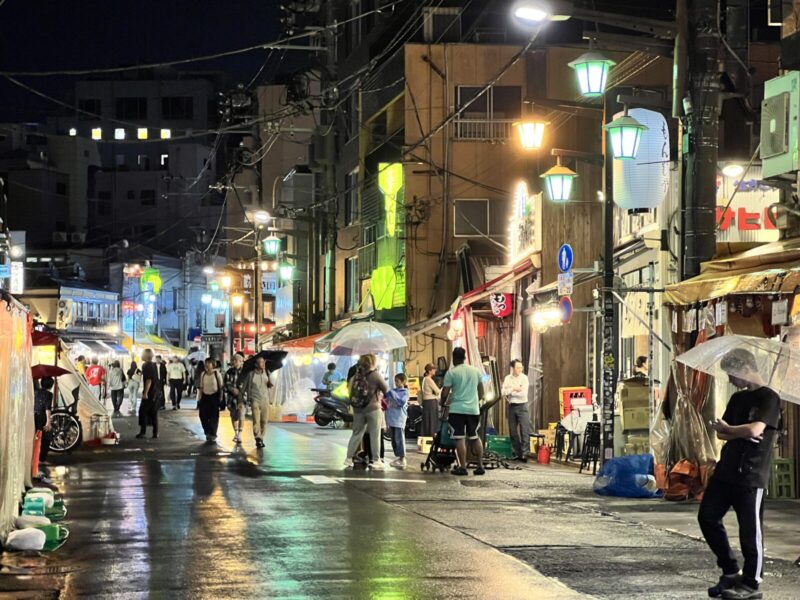
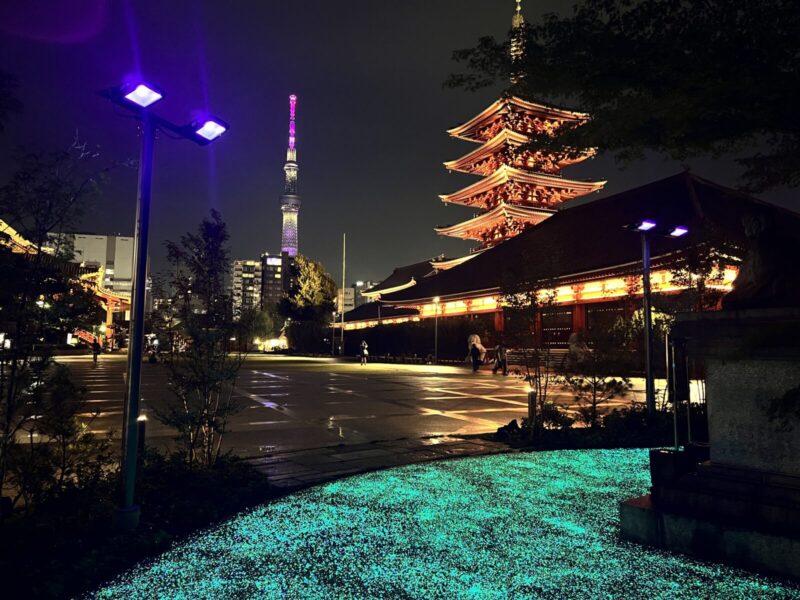
The daytime crowds had largely disappeared. There were still tourists around, and local people were enjoying drinks at restaurants and bars, but the streets felt much more relaxed.
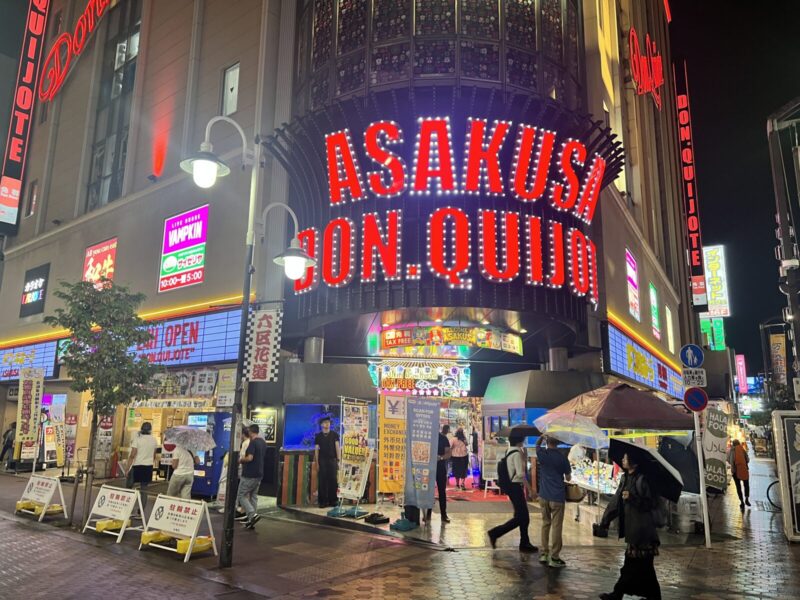
The rain had stopped, and the wet pavement reflected the lights from the shops and buildings. It was a beautiful evening for a walk.
During the day, the streets around Kaminarimon and Sensoji are often crowded with sightseeing groups. By late evening, central Asakusa has a calmer atmosphere, quite different from its busy daytime character.
Staying overnight meant I could enjoy both sides of Asakusa without thinking about the journey home. I particularly liked wandering through the quieter streets after dark, with no particular destination in mind.
Is Asakusa a Good Place to Stay?
After staying at five different hotels around Asakusa, I still think it’s one of Tokyo’s most enjoyable neighborhoods for an overnight stay.
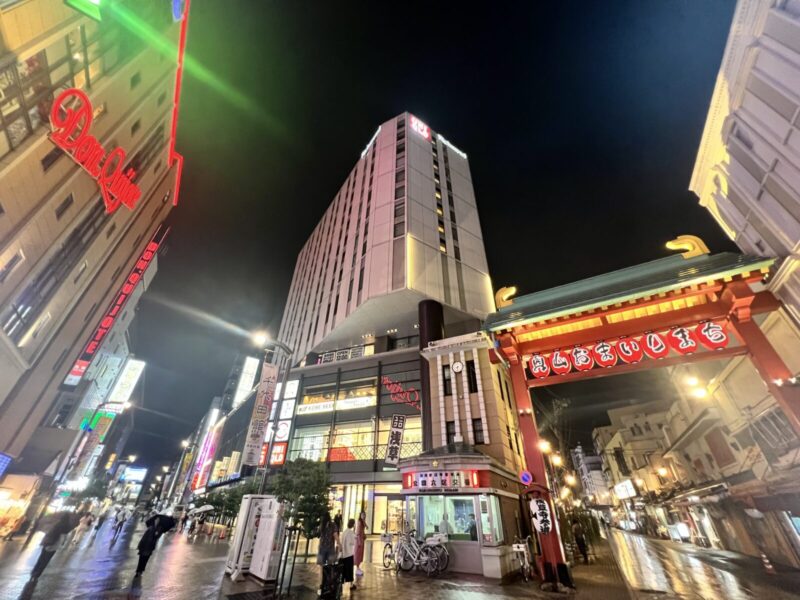
What makes Asakusa special isn’t just Kaminarimon Gate or Sensoji Temple. It’s the atmosphere of the surrounding streets, the traditional shops, the old-fashioned restaurants, and the sense that you’re somewhere with a distinct identity.
Shinjuku and Shibuya have their own excitement, but Asakusa feels different. Even after living in Tokyo for years, I still feel a little like a traveler when I spend an evening here.
Of the areas I’ve stayed in, Nishi-Asakusa remains my favorite, particularly around Richmond Hotel Premier Asakusa International. I enjoy its lively streets and the mixture of local life and tourism.
But this visit also reminded me of the appeal of staying farther south, toward Tawaramachi and Kuramae. The quieter streets, older buildings, neighborhood restaurants, and relaxed cafés made the area enjoyable in a different way.
A hotel’s location isn’t just about convenience. It can shape the way you experience a city. And spending a night in Asakusa, rather than simply visiting for a few hours, made that difference clear.