This post contains affiliate links. If you book through them, I may earn a small commission at no extra cost to you. Learn more.
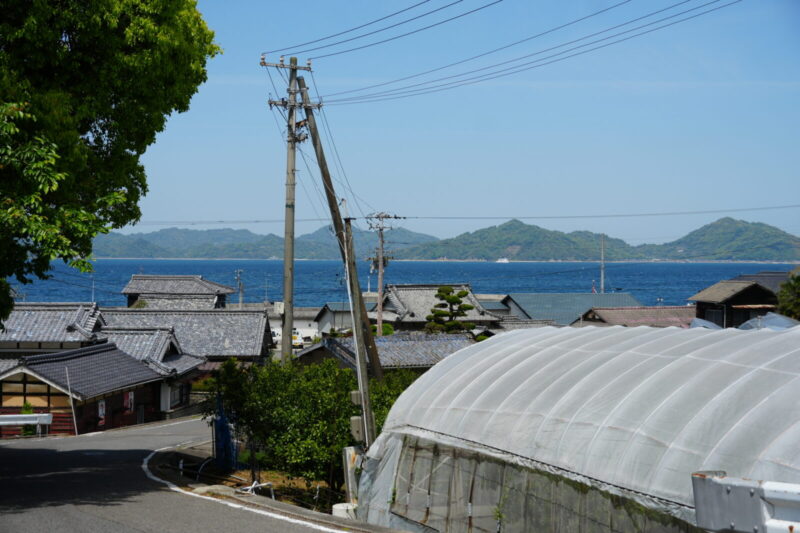
Of all the places I have traveled in Japan, Hagi is probably the one whose beauty surprised me the most. It’s a seaside town on the Sea of Japan side, there aren’t many people, and a surprising amount of the old townscape is still there.
A monk at a temple I stopped by grumbled a little that, with the strict rules on the townscape, they “have plenty to say, but don’t put up any money.” That’s something I couldn’t say on YouTube, but as a visitor, I can’t help being grateful for those rules. That’s how much Hagi surprised me.
While so many towns are starting to look the same, Hagi still has its old streets. And especially in May, when I visited, the sea was sparkling, and it was so beautiful.
Hagi is an old castle town in the northern part of Yamaguchi Prefecture, with World Heritage sites, beautiful beaches and temples. I visited on May 23 and 24, 2024, as part of my trip around Yamaguchi and Hiroshima. I stayed one night at a hot spring hotel on Kikugahama Beach, and the next morning I walked the castle town and took the community bus to Tokoji Temple.
Map of Tamae Station, Hagi
Arriving at Tamae Station
I came from the port town of Shimonoseki, and after about four hours of trains and a bus I arrived at Tamae Station, one station before Hagi Station. There are three stations in Hagi, and the main ones seem to be Hagi and Higashi-Hagi. But I saw a review of my hotel saying it was closer from Tamae Station, so I got off here.
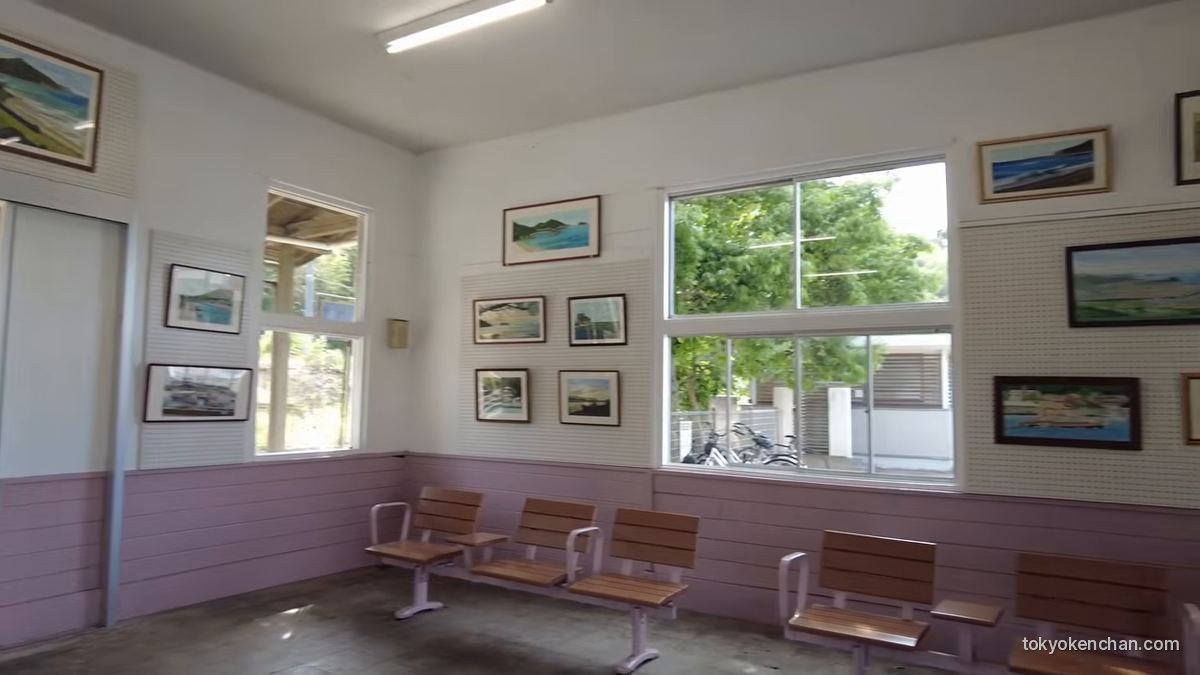
The waiting room was decorated with pictures, and it was nice to see them making the waiting area welcoming. From here I walked to my hotel on the beach. It was about 2.5 kilometers and took about 30 minutes, so when you visit, I recommend taking a taxi from Hagi or Higashi-Hagi Station.
Getting to Hagi
Hagi is in the northern part of Yamaguchi Prefecture, and probably the easiest way to visit is to take the bus from Shin-Yamaguchi Station on the Sanyo Shinkansen, the line that connects Tokyo and Osaka to Hakata. If you prefer trains, there are the JR Yamaguchi Line and the San’in Line, but trains are very limited, so make sure to check the timetable and plan ahead.
Today the direct Super Hagi bus takes about 1 hour 10 minutes from Shin-Yamaguchi to Higashi-Hagi, which Hagi’s tourism site calls the main train station in Hagi. The bus can’t be reserved, so riders board in order at the stop; see the Super Hagi page for the current timetable and which rail passes it accepts. JR West’s regional passes are on the JR West rail pass page.
A Castle Town Surrounded by Mountains, Rivers and the Ocean
Hagi is the former castle town of the Choshu domain, which was ruled by the Mori family until the end of the Edo period. Choshu and Satsuma, which is now Kagoshima Prefecture, became the key domains of the revolution called the Meiji Ishin, the Meiji Restoration, which ended the Edo period. Many key people in that history were born or studied in Hagi, so this town played an important role in Japanese history.
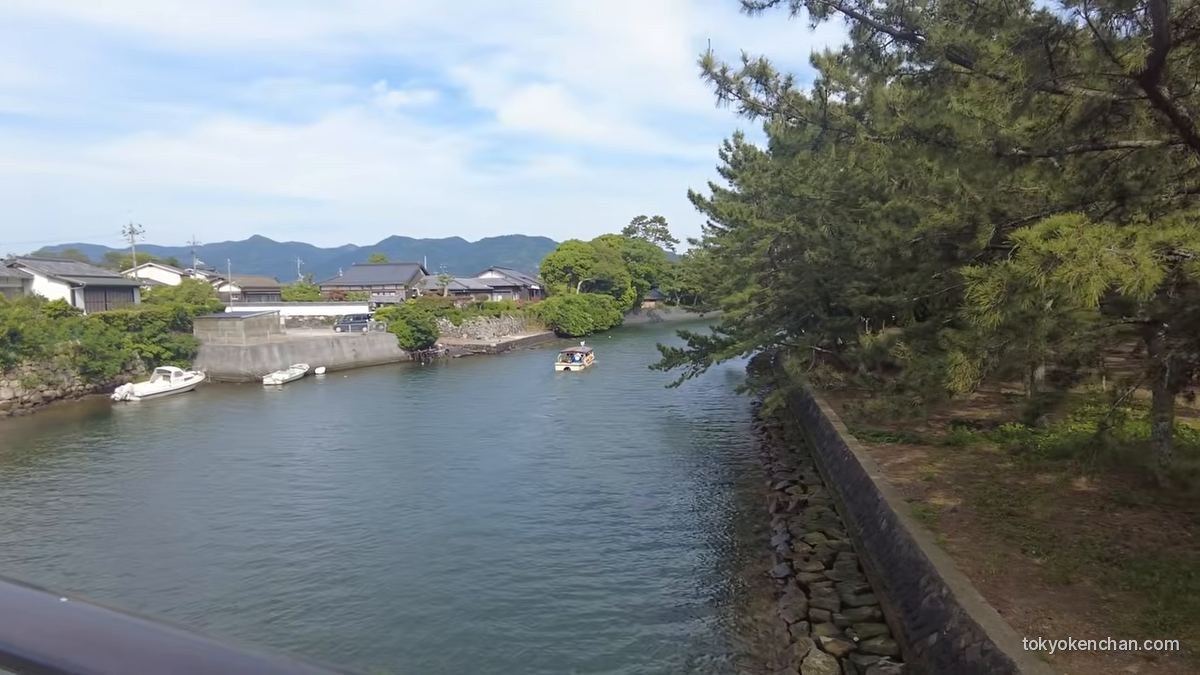
The town is surrounded by scenic mountains, rivers and the ocean. As a traveler, you can enjoy the castle site, the streets of the old town and temples. But Hagi is far from Tokyo, or even from Osaka, and not that many people visit. As I traveled this town, I really didn’t see tourists, even though it was a nice sunny day in May.
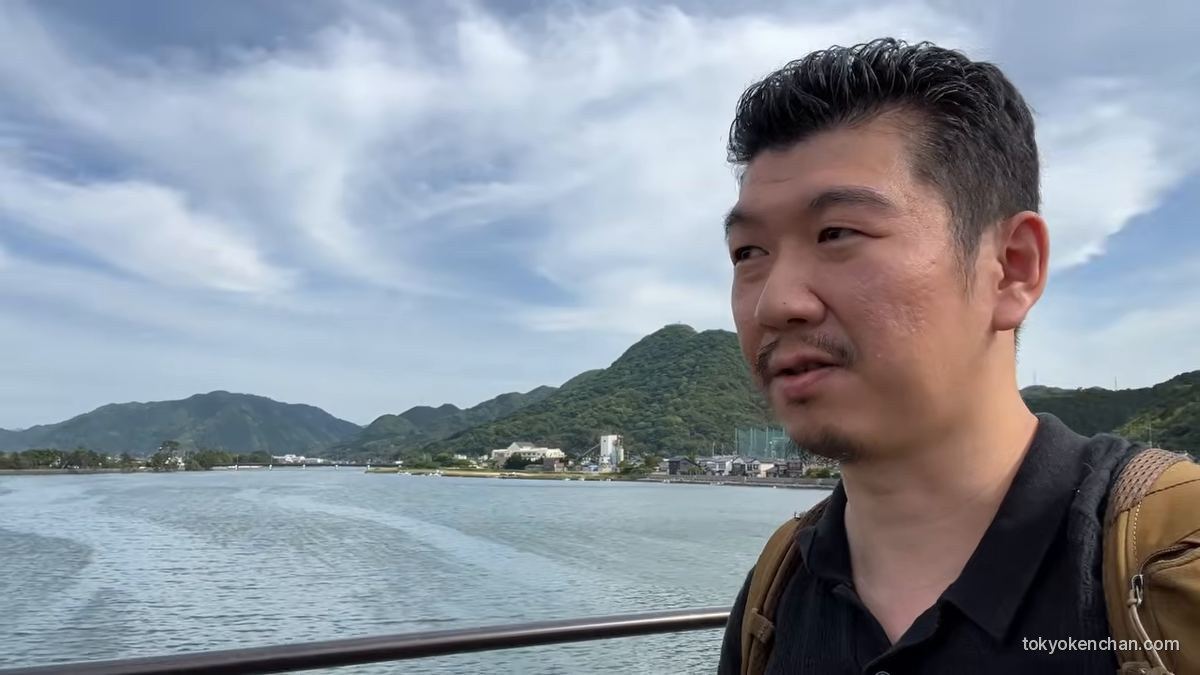
Resort Hotel Mihagi on Kikugahama Beach
I stayed at Resort Hotel Mihagi, which faces Hagi’s beach called Kikugahama and has its own hot spring. The reason I chose this hotel is that it has rooms with a private semi-outdoor bath, so I got a room in that category. It was a very big room, with two beds and a sink in the room.
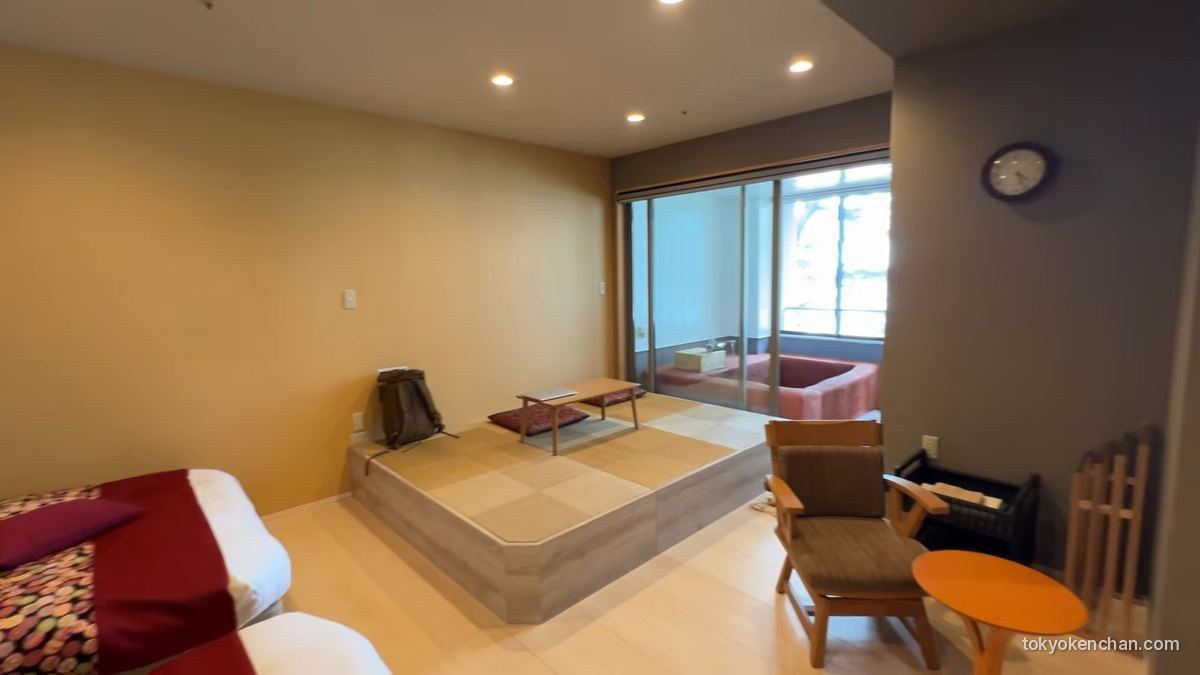
There is also a public bath with natural hot spring water. When you go there, you can bring the bag and the towel they leave in the room, and you can even take the towel home. Dinner was served together for all the guests in the restaurant, so I felt a little bit intimidated, but people were very nice.
Something you might want to know about a ryokan-style stay is that dinner and breakfast times are fixed, or you choose them and have to make a reservation for that time. Check-out is usually 10 a.m. So you might want to make a schedule, like walking to the beach, taking the bus and eating, around those times.
Kikugahama Beach: Clear Water Like Okinawa
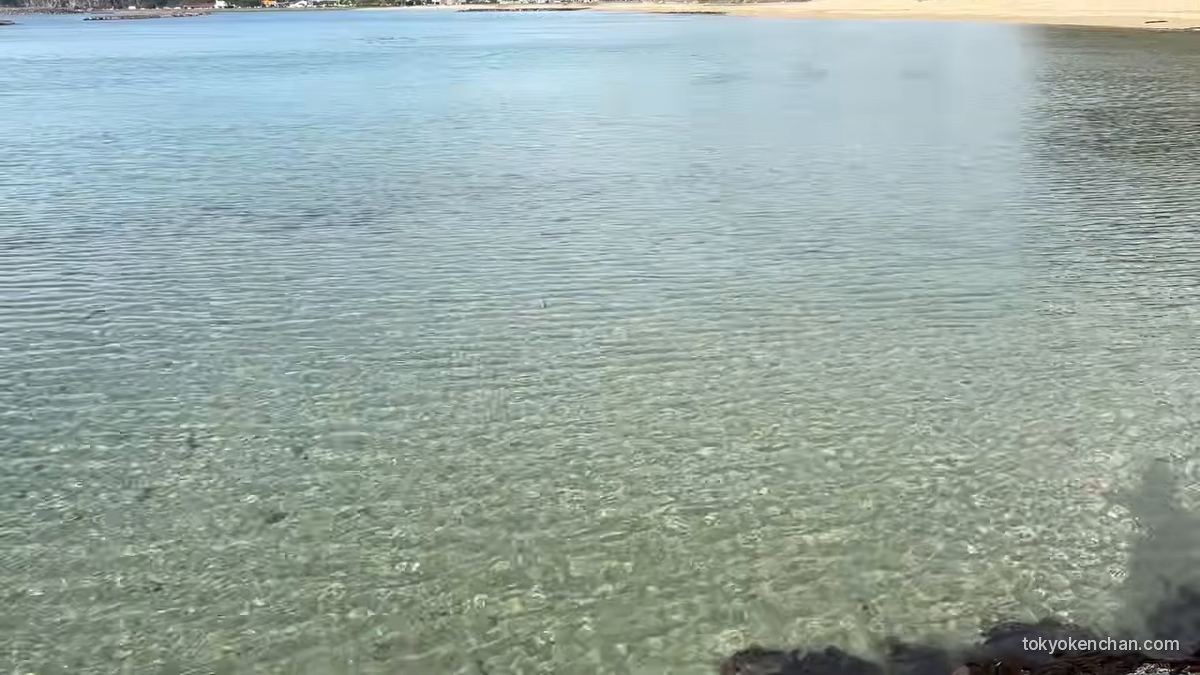
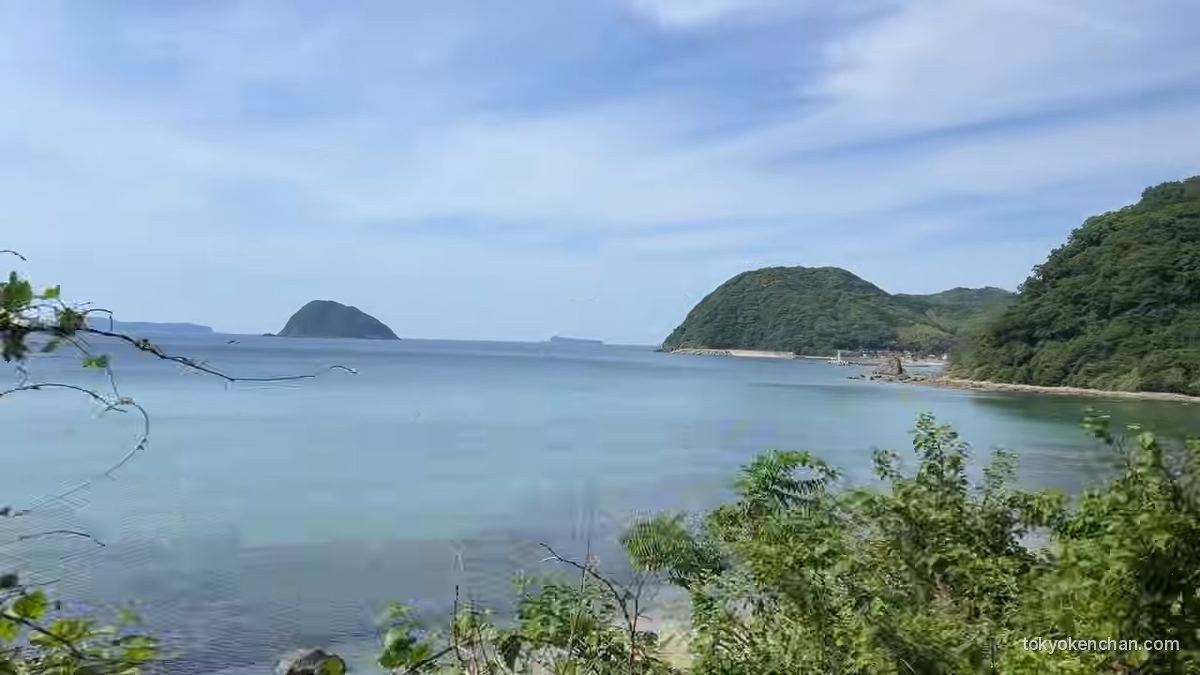
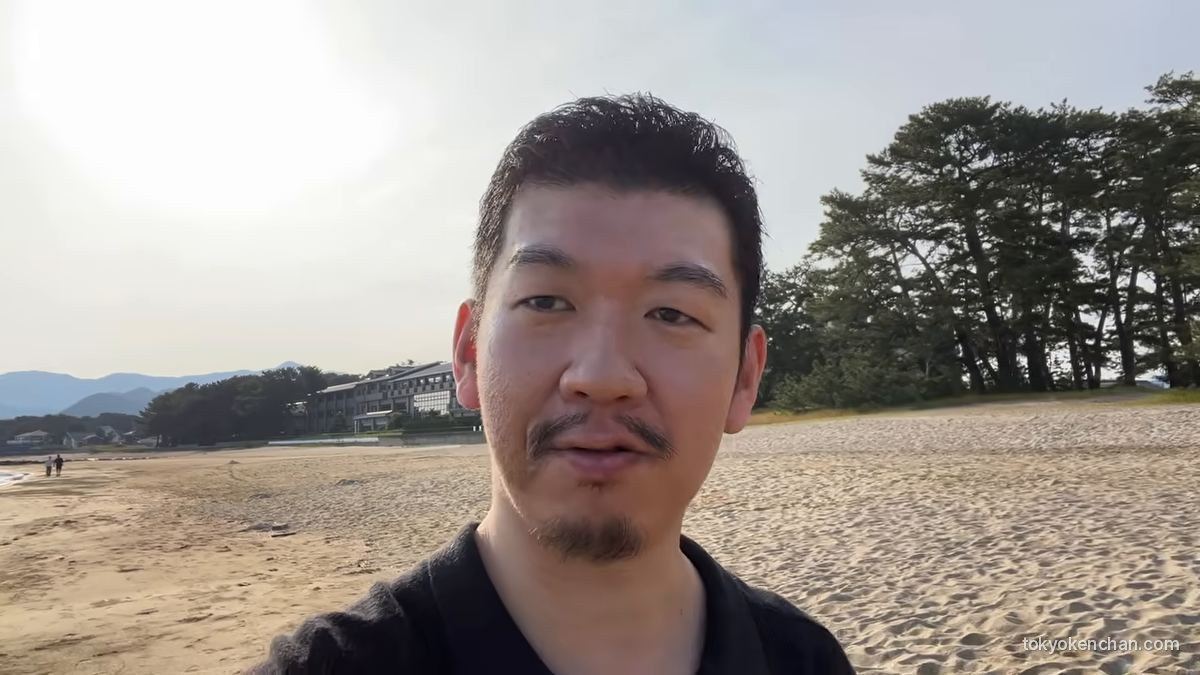
The beach has beautiful white sand, and the sand is very white and powdery. The water is very clear, and you can see some of the six islands that belong to Hagi City. On the way to Hagi, I was very surprised that the beaches I saw from the train window were so beautiful, and now that I came close, it was even more beautiful. It was almost like Okinawa.
Dinner: Pufferfish Sashimi and Hagi Sake
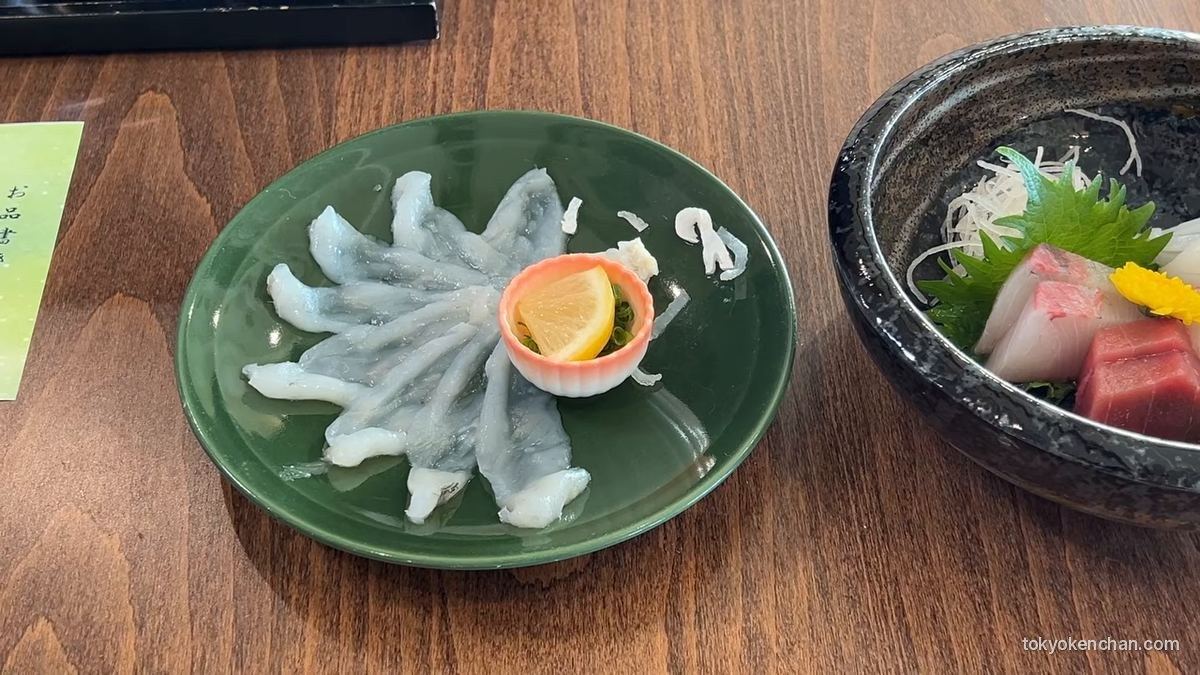
The food was amazing. I couldn’t eat pufferfish in Shimonoseki, but unexpectedly it came out as sashimi here. This is pufferfish, which we call fugu, and you enjoy it with a citrus soy sauce.
Most regions in Japan have their own local sake makers, so when I travel I usually order the local sake. Hagi also has sake makers, so I ordered a set where I could try three different sakes from Hagi, and each of them was very good.
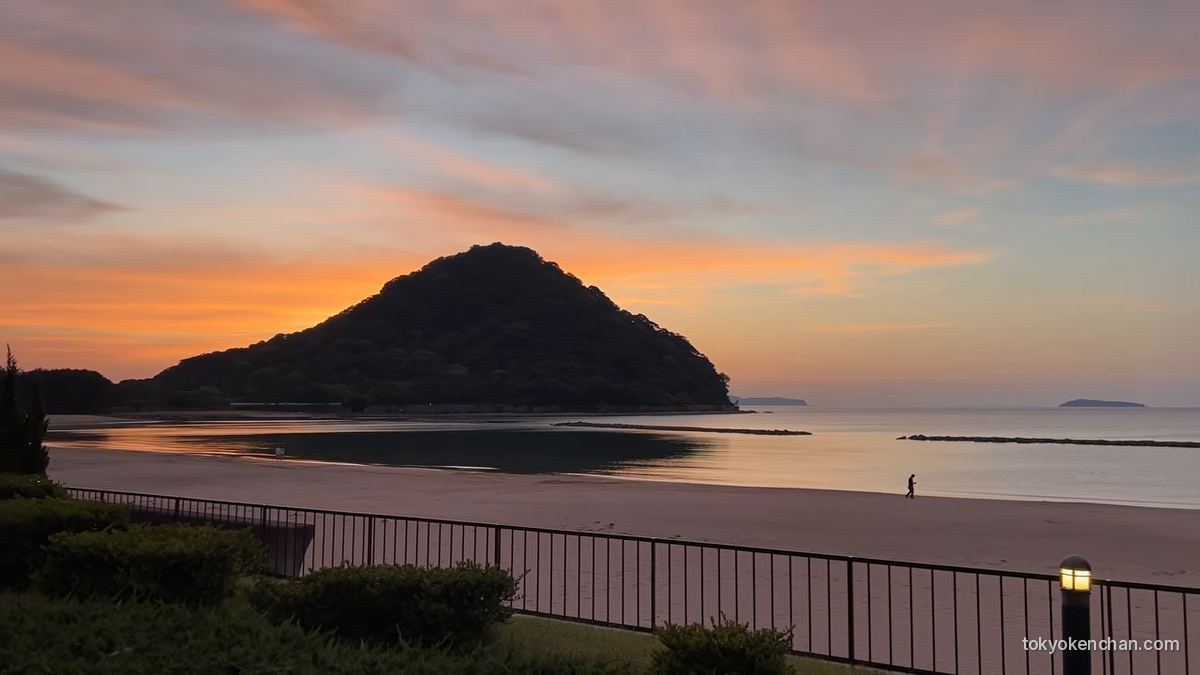
It was 7:30 and still bright, because it was close to the summer solstice. I saw the beautiful sunset, went to the public bath, and that night I just went back to my room.
A Morning Walk Before Breakfast
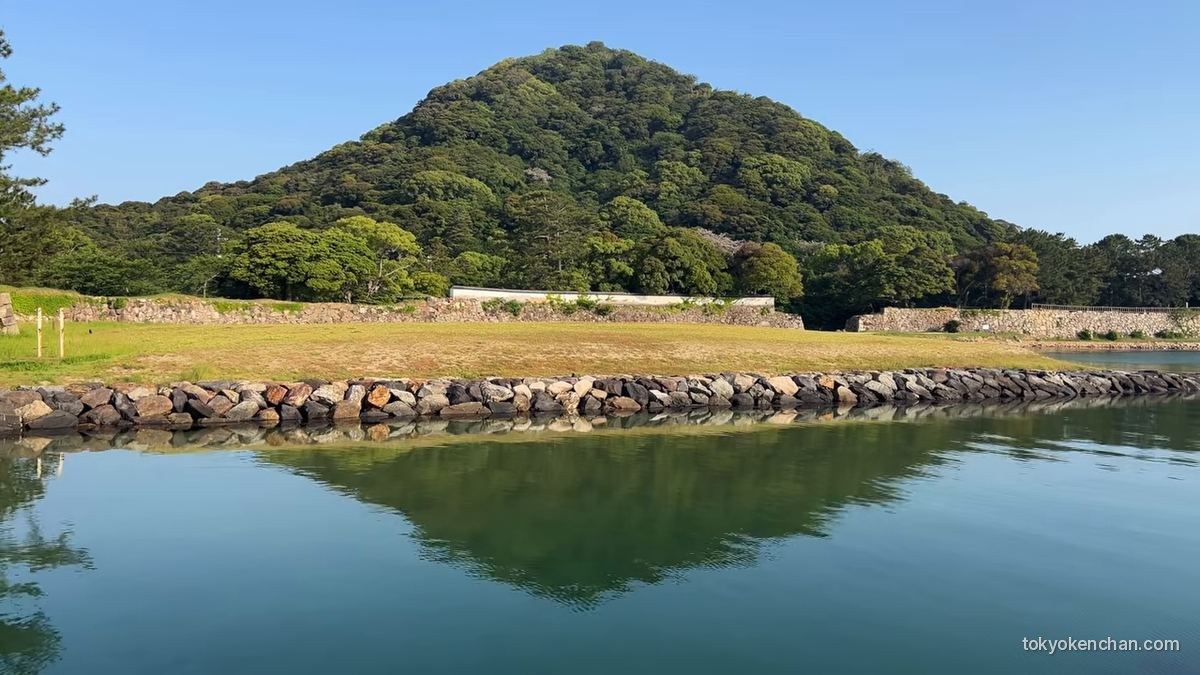
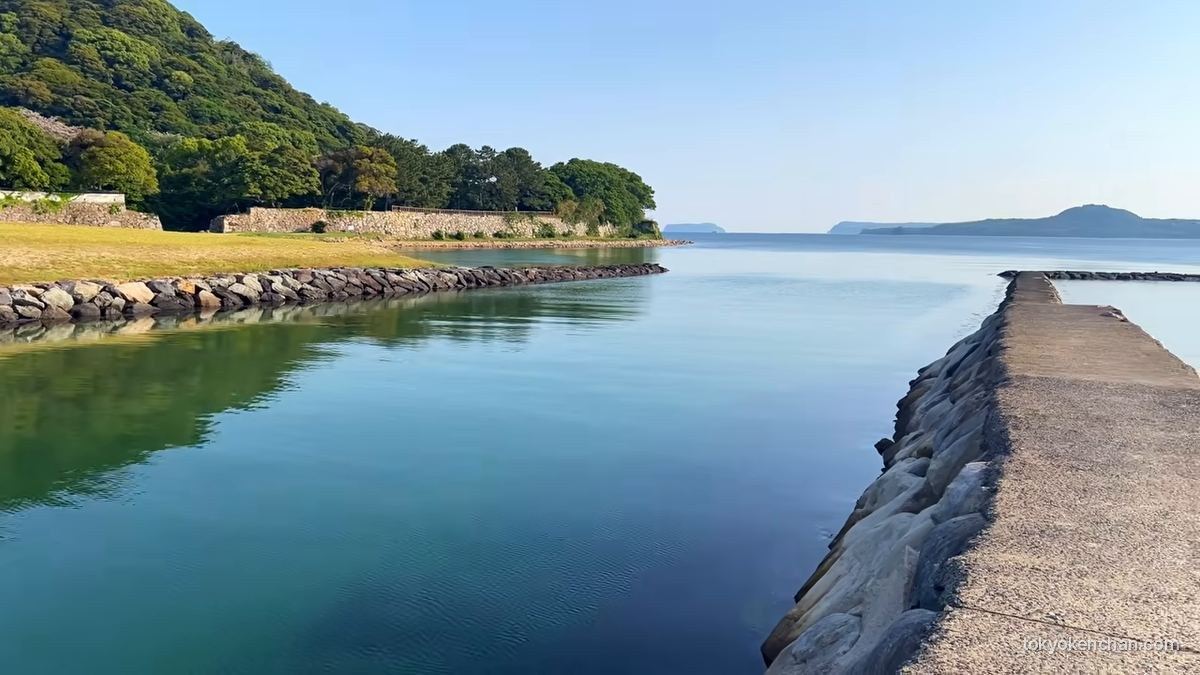
The next morning, it was 7 o’clock and breakfast was at 7:30, so I walked on the beach a little before breakfast. Then I went to a natural canal that looks like the moat of the castle, and it was very beautiful, reflecting the fresh greens of May. On the other side is the Hagi Castle site, where Hagi’s castle used to be.
It’s kind of hard to leave Hagi. Definitely, I’d like to come back in summer. Breakfast was actually even more my favorite. It had pufferfish again, and this time it was ichiya-boshi, a way to dry fish overnight instead of under the sun, which is especially common in the San’in region. The shape really looked like a pufferfish, so it was too cute to eat, but the taste was amazing. I haven’t eaten such a tasty white fish.
One fun part of traveling in Japan is buying souvenirs, because there are usually lots of local products from the region. I loved the Hagi miso soup. Hagi is also known for natsumikan, the summer orange, so they also had dried natsumikan.
The Old Castle Town of Hagi
After checking out, I had the morning to see Hagi as much as possible before heading to the other end of Yamaguchi Prefecture. Hagi has lots of things to see, like old streets and temples, and many of the sites are related to the Meiji Ishin. If you are interested in the history, those sites will be more interesting. If you are not, it’s also good to just walk the streets or visit a temple.
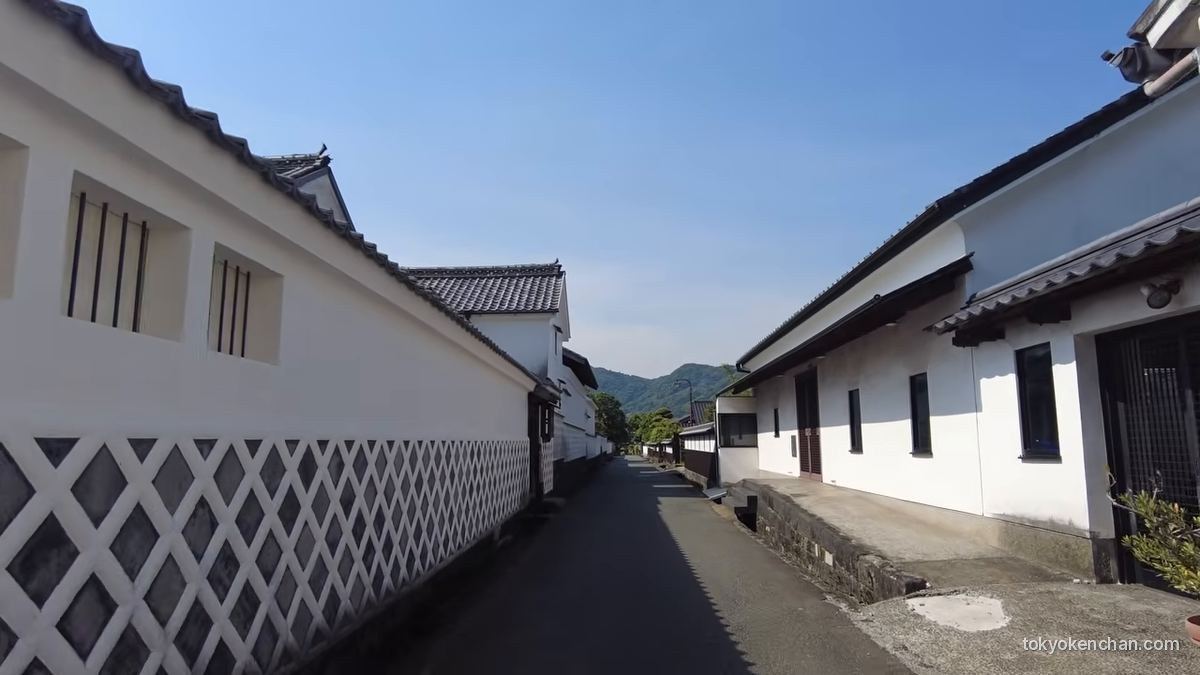
There are many towns in Japan with preserved Edo-style streets, but sometimes the photo in the brochure or on Instagram is everything. The preserved area is very small, and I feel like I only came to make sure that what I saw on Instagram was right there. In Hagi, the traditional scenery continues over a vast area.
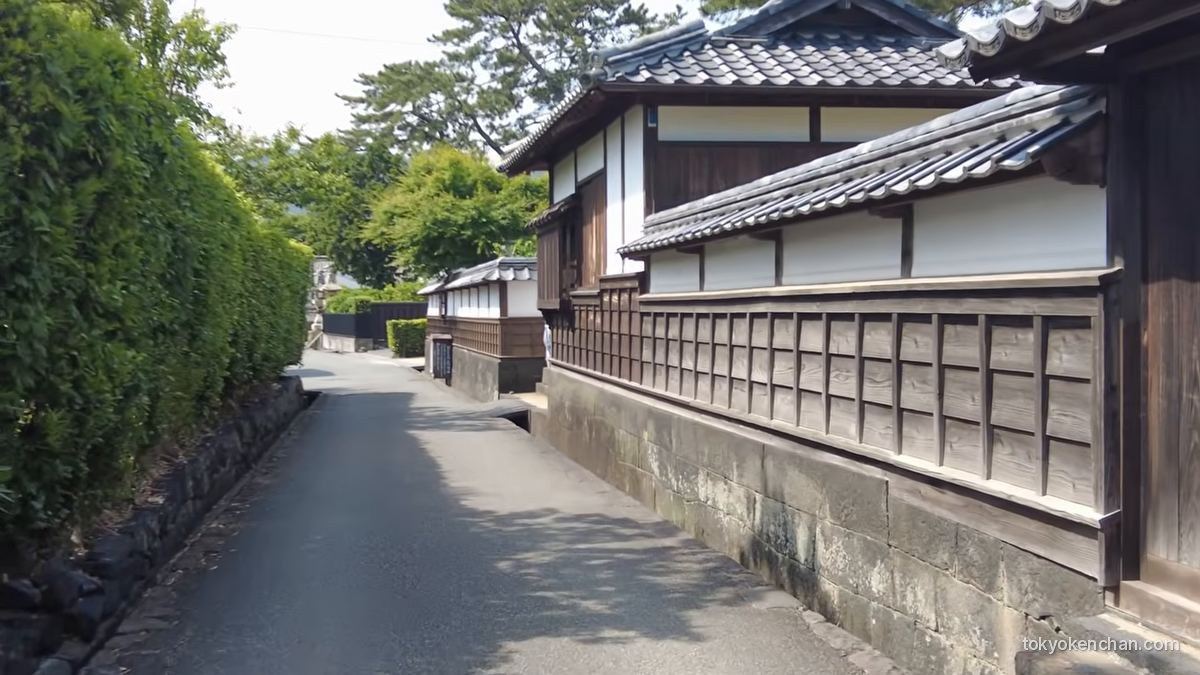
The scenery of Hagi is strictly controlled by regulations, and this is one of the last places in Japan where you can see how a town looked in the Edo period. I heard that even on the side of the road, concrete is not allowed, because it goes against the policy of keeping the authentic Edo-style scenery. It was a very quiet Friday, and there was nobody on the street. This place is like heaven.
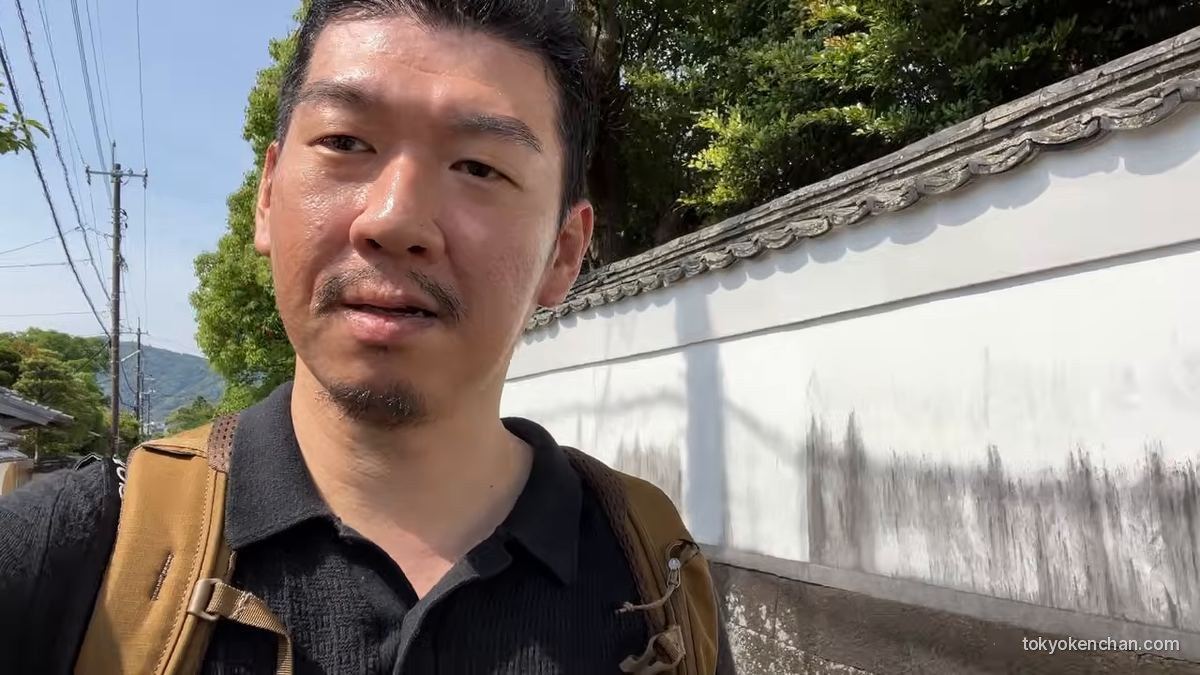
The only con is that there aren’t many shops or restaurants around this sightseeing area, so there isn’t much choice for lunch or food. That’s something you might want to plan around.
Local Beer and a Hagi-Blue Pudding
Among the few shops, I found a brewery that also has pudding, where you can drink the local beer. I can’t walk long if I drink, so I asked if the non-alcohol beer was also from the local brewery, but it was a major brand. So I decided to get the pudding set.
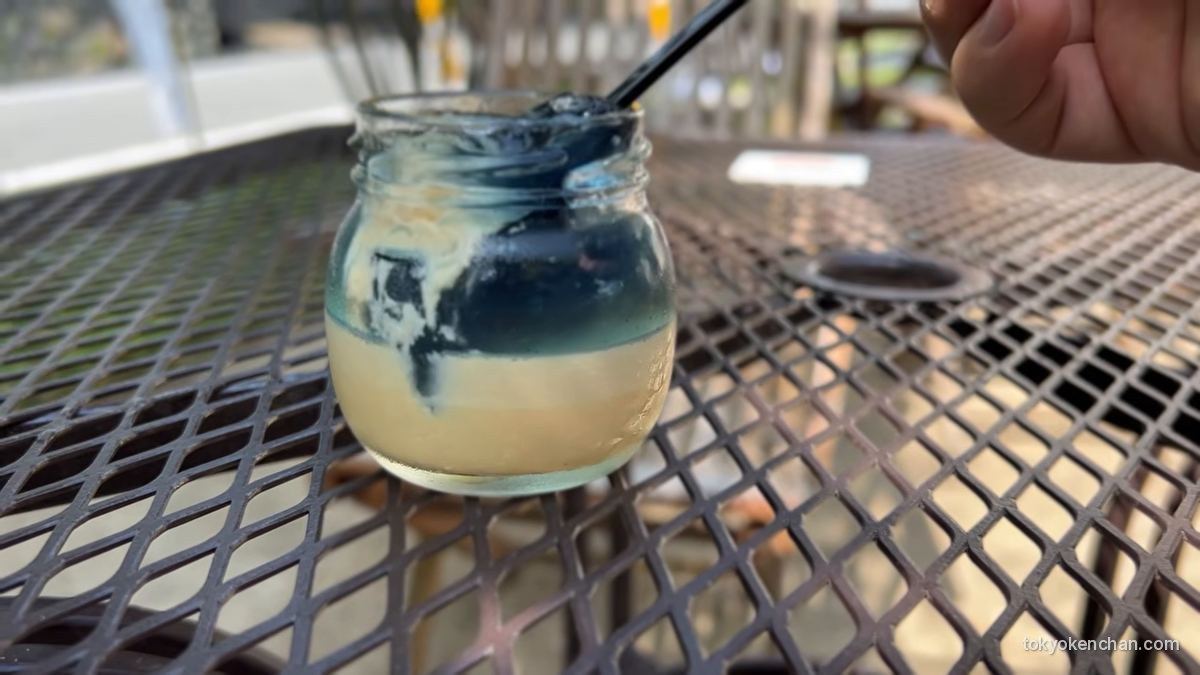
This is a pudding with the image of Hagi’s blue ocean, and the real ocean was really beautiful like this. You pour the soda into the pudding, and it’s very cold and refreshing.
Getting Around by the Community Bus
Next, I decided to see a temple outside the town. To get around Hagi, the public transportation is the bus. I went to the Hagi tourist information office near the castle town and took the community bus from there. It was 100 yen a ride, and it seemed like the only way to get around Hagi except for a taxi.
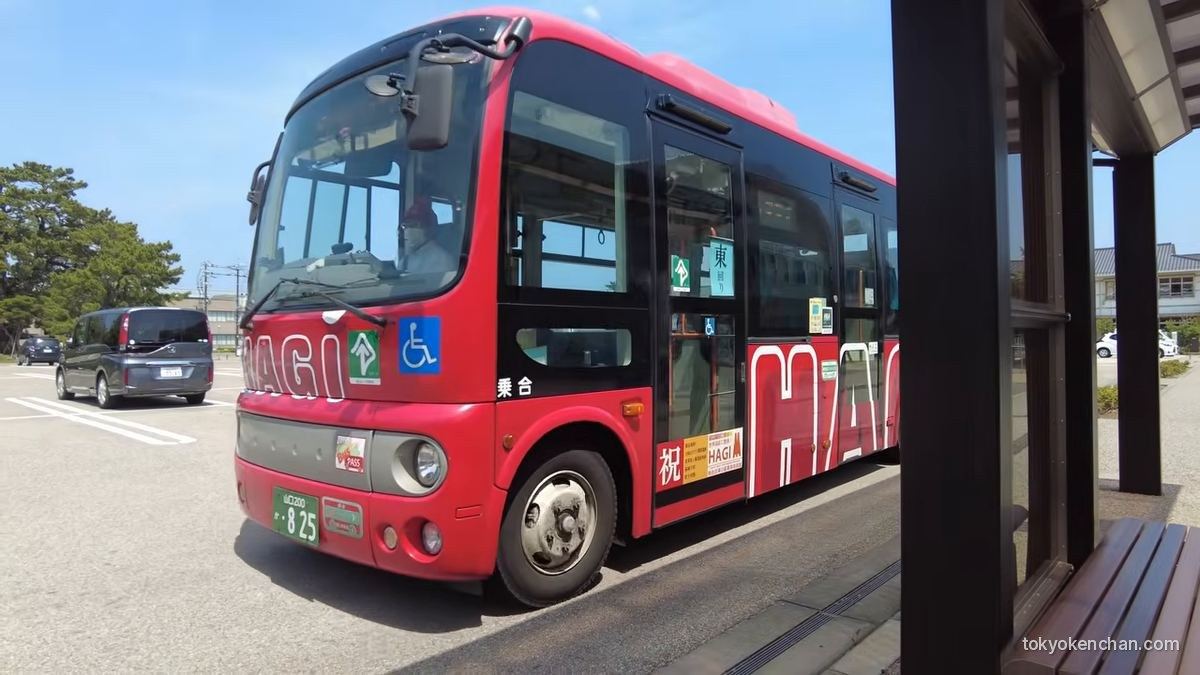
The bus passes by several tourist spots, such as a market by the sea and the Hagi Reverberatory Furnace, one of the World Heritage sites. Hagi’s World Heritage sites are not about the old historic town but more focused on the Industrial Revolution toward modern Japan, so some of them are a little difficult to understand, like why this is World Heritage.
The community bus, called the Maaru Bus, is still 100 yen a ride, with one-day and two-day passes, and IC cards like Suica and ICOCA are accepted. It runs two loops, east and west, each about every 45 minutes, so check the official bus page before you go out.
Tokoji Temple and the 500 Stone Lanterns
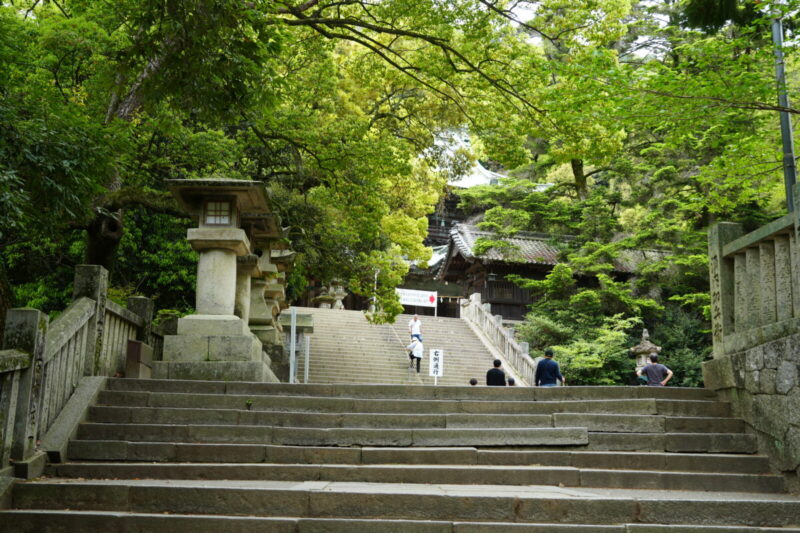
I got off at the Tokoji bus stop and walked to the temple. This is the main gate of Tokoji. The temple was established in 1691 by Mori Yoshinari, the third lord of Hagi.
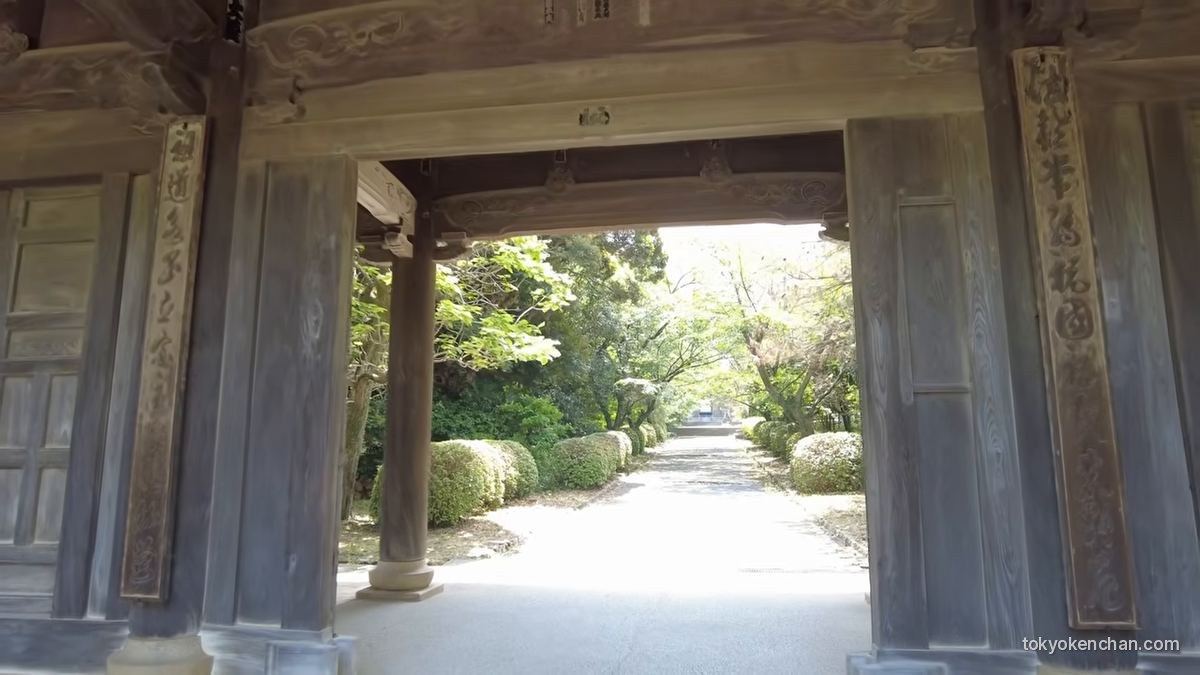
Something you must see at Tokoji is the more than 500 stone lanterns placed at the graves. Mori Yoshinari, the third ruler of the Choshu domain, and the following odd-numbered rulers are buried here, and the even-numbered rulers are at another temple.
The interesting part is that there are torii gates, which are usually for a shrine and not a temple. According to the temple, they are a trace of the merging of temples and shrines, and they also show that this is a sanctuary.
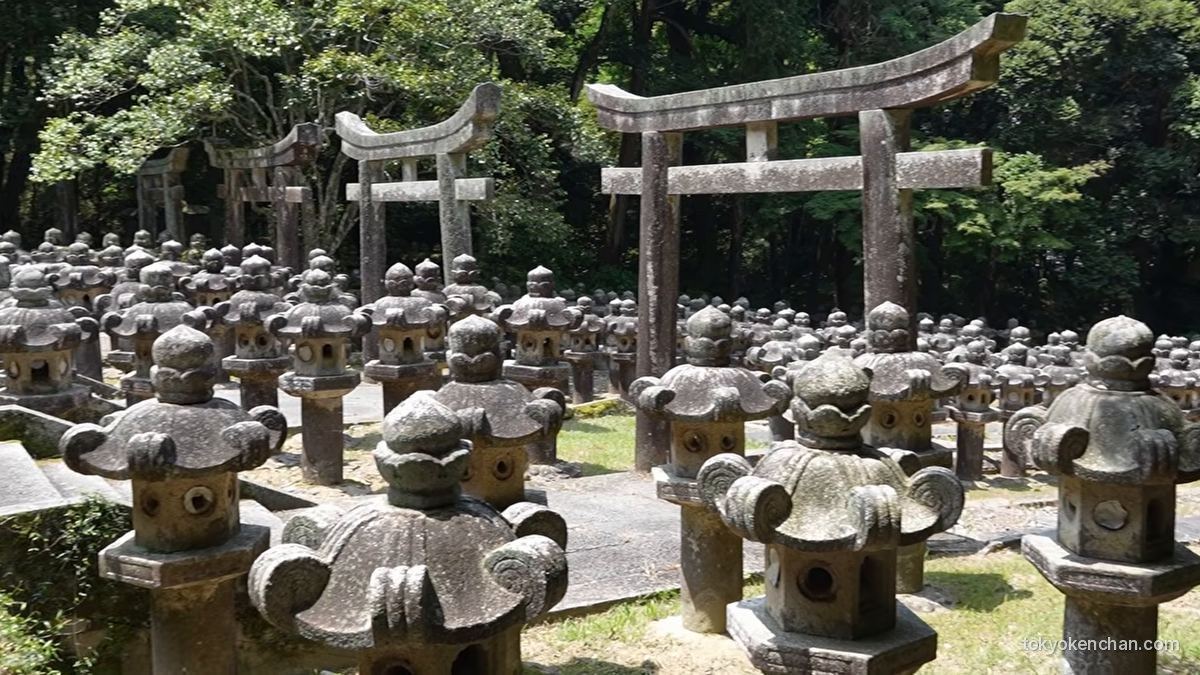
It was so peaceful, and each lantern started to look like a person, as if they were the guardians of this place. When I left the main gate, I saw a big snake going into the forest. It’s not that I felt scared, but I was amazed and felt awe for the nature and tradition, like I was in a storybook. Tokoji was a really amazing, quiet and peaceful place.
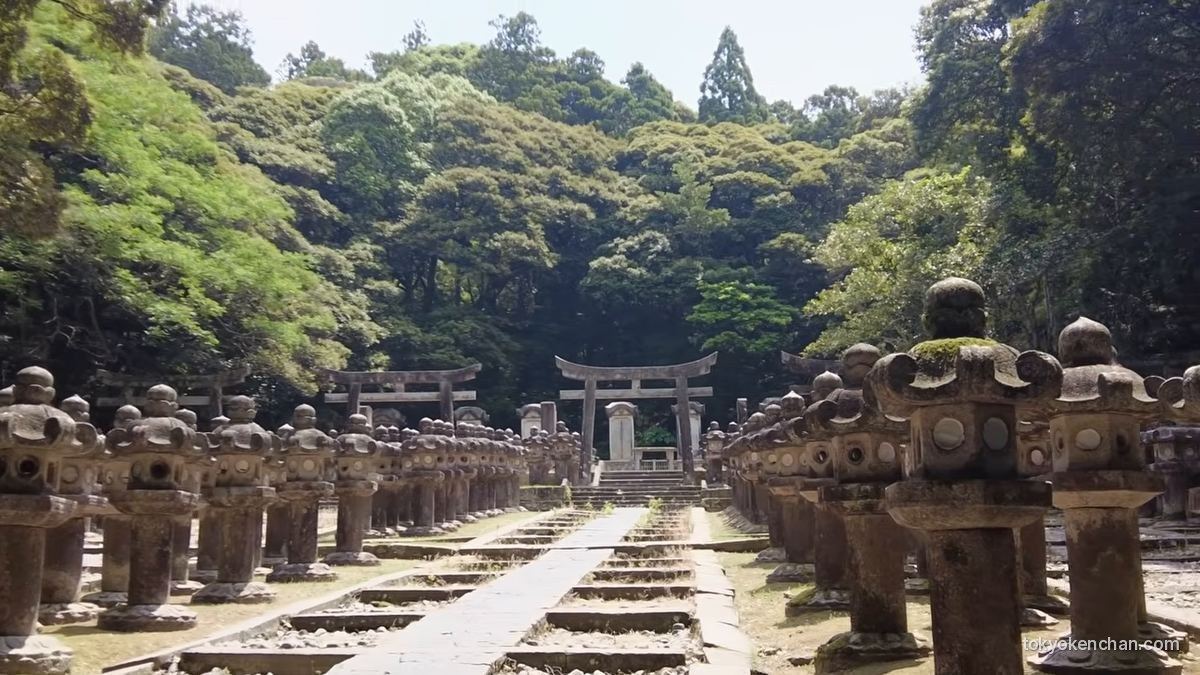
Today, Tokoji is open daily from 8:30 a.m. to 5:00 p.m., and admission is 300 yen for adults.
Leaving Hagi
Now it was time to leave Hagi. I was going to see more spots, but I wanted to arrive at the other side of Yamaguchi Prefecture, next to Hiroshima, within the day, and that takes at least about four hours. It’s always good to leave something you haven’t seen for when you come back next time.
Long-distance buses leave from three stops, including Higashi-Hagi Station and the Hagi Bus Center. The bus to Yamaguchi City was leaving soon, so I walked to the bus center. If you want to go directly to the Shinkansen station, it’s faster to take the direct bus to Shin-Yamaguchi.
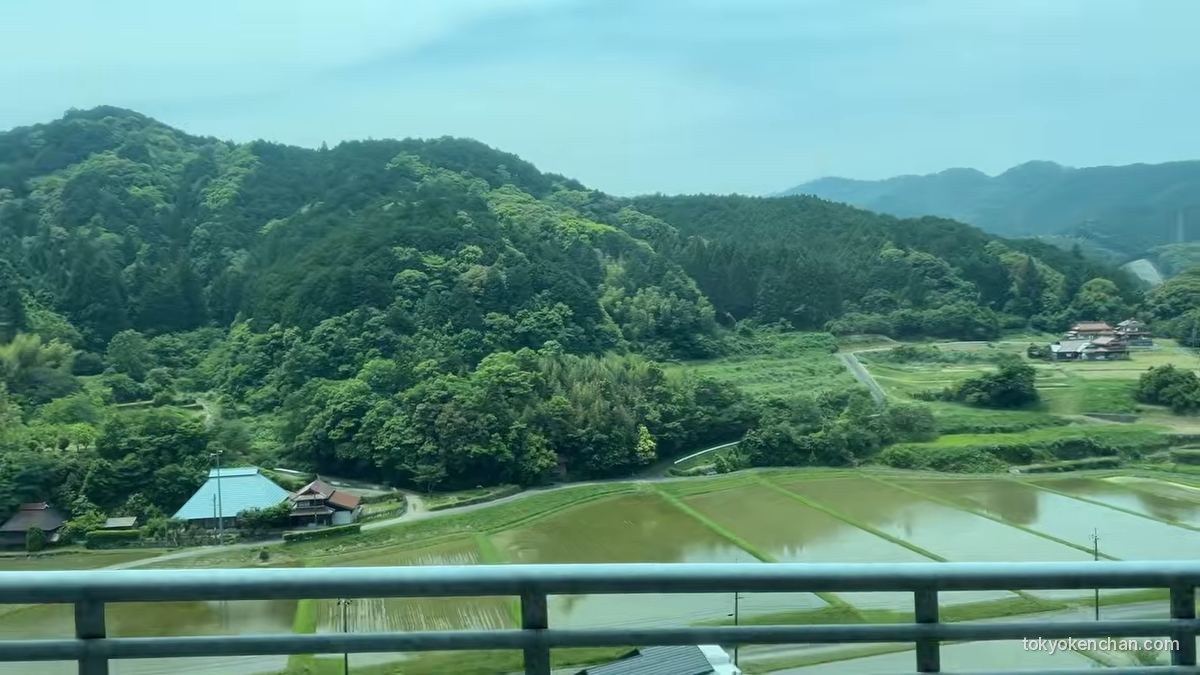
The bus went through the deep mountains and entered Yamaguchi City, the prefectural capital. From there I took the JR Yamaguchi Line to Shin-Yamaguchi and a local train on the Sanyo Line to Iwakuni, about two hours along the Seto Inland Sea, and that is where my Iwakuni and Kintaikyo Bridge guide starts. The next day I continued to Miyajima, which is in my Hiroshima and Miyajima travel guide.
Questions I Often Get in the Comments
Is Hagi crowded?
Not when I was there. There were almost no tourists in May 2024, and during my stay I saw only one Western couple in Hagi. I’m not sure about weekends, but it’s definitely a good quiet place to visit. Busy places are very busy in Japan, so it’s nice to include a place with fewer people in your itinerary.
When is a good season to visit Hagi?
Unless you swim in the water, I think autumn to spring are great seasons to visit Hagi. I went in late May, when the sea was sparkling and the trees had fresh green leaves. I’d also like to come back in summer someday.
Is Hagi hard to get to?
Yes, Hagi is a little off the main route. The bus from Shin-Yamaguchi on the Shinkansen line is the easiest way, as I wrote above. Still, it’s one of the best places I have visited since I started YouTube.
Are there cafes and restaurants in the old town?
Not many. I talked with a monk in Hagi, and he said the rules to protect the town are very strict, so it’s hard to open stores. It’s such a nice set of streets that it would be so much fun to have some quiet places to eat and cafes to enjoy the air at night. But again, I appreciate that Hagi kept that scenery.
Other places worth knowing (general tourist information): The places below are well-known sights in Hagi that are not covered in the visit described in this article. Hours and prices change, so check the official pages before you go.
Hagi Castle Ruins (Shizuki Park). The site of the castle the Mori family built in 1604 at the foot of Mt. Shizuki, with stone walls, part of the moat and a park; it is part of the Meiji Industrial Revolution World Heritage listing. Adult admission is 220 yen; see the Hagi tourism page.
Shokasonjuku Academy and Shoin Shrine. The small school where Yoshida Shoin taught many of the young men who later led the Meiji era, now inside the grounds of Shoin Shrine and also a World Heritage site. Viewing the outside is free; see the Hagi tourism page.
Daishoin Temple. The other Mori family temple, on the west side of town, where the first lord and the even-numbered lords are buried among more than 600 stone lanterns. Adult admission is 200 yen; see the Hagi tourism page.
Kikuya Residence. One of the oldest and best-preserved merchant houses in Japan, in the castle town, and a national Important Cultural Property. Adult admission is 650 yen; see the Hagi tourism page.
Other hotels in Hagi (general information): These are other places to stay in Hagi, listed for convenience. Higashi-Hagi Station is where the direct bus from Shin-Yamaguchi ends.
Hagi Royal Intelligent Hotel, a hotel right next to JR Higashi-Hagi Station, with a large bath.
Hagi no Yado Tomoe, a traditional ryokan about 8 minutes on foot from Higashi-Hagi Station.
Hagi Honjin, a hot spring ryokan on the east side of town, with its own spring and a foot bath at the Okuhagi Observation Deck.
Hagi Kanko Hotel, a hot spring hotel near Mt. Kasa, about 10 minutes by car from Higashi-Hagi Station, with a shuttle bus from the station.
Where to next
Hagi was the third stop of my trip around Yamaguchi and Hiroshima. These are the guides I would read next.
- Iwakuni Travel Guide: the Kintaikyo Bridge and the castle, where I went right after Hagi.
- Hiroshima and Miyajima Travel Guide: the island, Mt. Misen and a night in the city.
- Matsuyama Travel Guide: the castle, onsen and islands, across the Seto Inland Sea in Shikoku.