This post contains affiliate links. If you book through them, I may earn a small commission at no extra cost to you. Learn more.
Iwakuni sits on the Hiroshima side of Yamaguchi Prefecture, and it’s a place you can easily drop by from Miyajima too. It took me 22 minutes by JR from Iwakuni Station to Miyajimaguchi, the entrance to the island.
On this trip I was traveling from Kyushu. I stopped in Hagi, on the Japan Sea side, and then came on by train. Yamaguchi Prefecture, which borders Kyushu, has a lot of scenic places, but compared with Hiroshima it may not be as well known. Why not visit Iwakuni as an entrance to experiencing Yamaguchi?
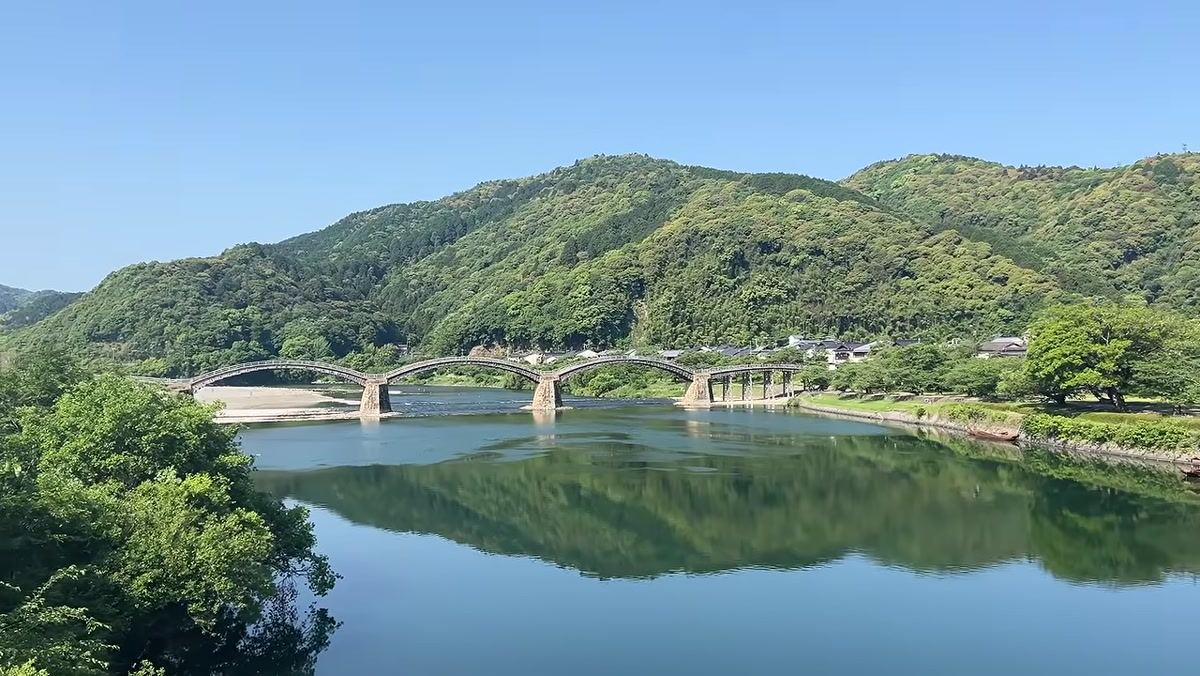
I stayed right in front of Kintaikyo Bridge in Iwakuni, and I visited in May, when the weather was nice and the days were long. Apart from the drawback that there aren’t really restaurants around there, it was a wonderful experience — the morning walk, the evening views. Among the places I’ve traveled, it has left one of the very best impressions.
Getting to Iwakuni
From Hiroshima Station it’s about 15 minutes by Shinkansen to Shin-Iwakuni, or about 50 minutes to Iwakuni Station on the Sanyo Line. From either station, buses run to Kintaikyo Bridge. I took a bus from Iwakuni Station when I arrived. If you haven’t taken the Shinkansen before, my guide to getting on the Shinkansen covers tickets and luggage.
You can also fly directly from Tokyo to Iwakuni Kintaikyo Airport. The airport is used by the US Marines as well as commercial flights, and the flight from Haneda is a little under two hours. From the airport, a bus takes about 30 minutes to the bridge area.
I somehow thought the trains between Iwakuni and Miyajimaguchi ran very frequently, but they were about every 30 minutes, so I had a little wait. It’s close, but I’d give yourself a bit of time if you’re heading on to Miyajima.
Kintaikyo Bridge
Kintaikyo is a wooden bridge with five arches over the Nishiki River, here in Iwakuni, Yamaguchi Prefecture. The river was used as a moat, but floods kept washing the bridges away, until a stronger design built in 1674 lasted 276 years. A typhoon took it in 1950, and the bridge you see now was rebuilt after that.
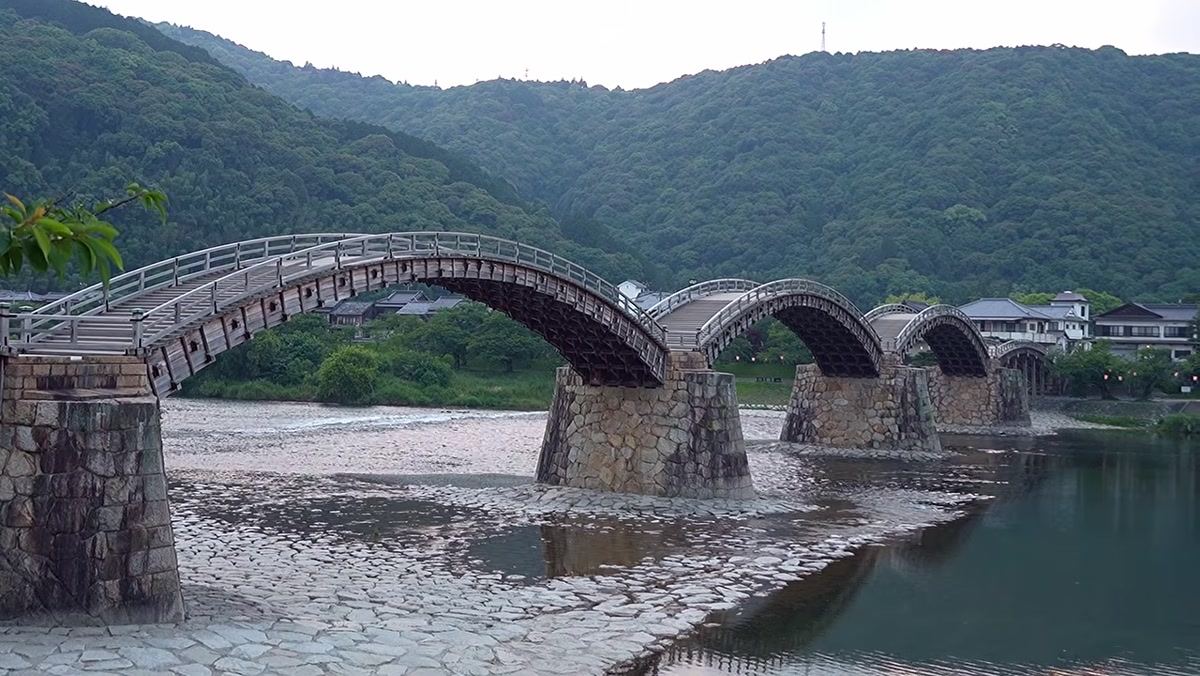
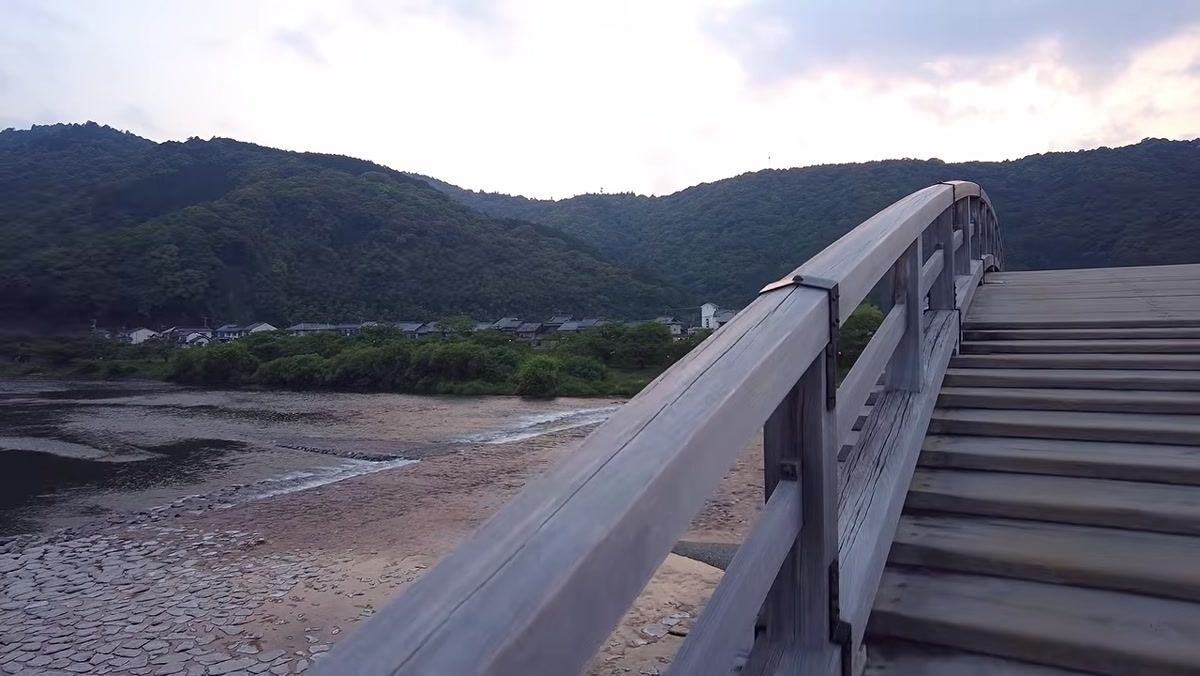
You pay to cross the bridge, and the round-trip ticket is now 500 yen. The bridge itself can be crossed at any time. I walked over in the evening after the tollbooth had closed, so I put the coins into the box by the window.
The tollbooth is staffed from 8:00 a.m. to 5:00 p.m., and later in peak season and in summer. If you cross during those hours, you get a ticket. Outside those hours you put the money in that box, so you don’t get one.
Staying by the bridge
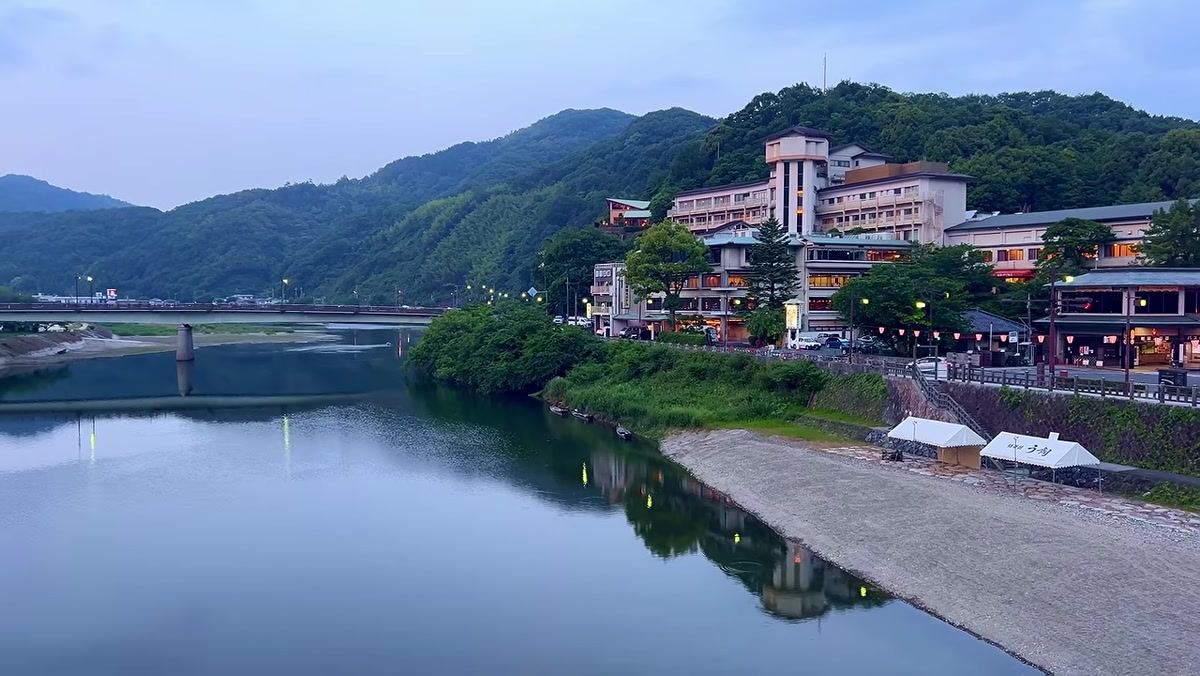
I stayed at Iwakuni Kokusai Kanko Hotel, right in front of the bridge. It feels like an old onsen ryokan, but it has single rooms, and my room had an amazing view of Kintaikyo. The outdoor bath also looks over the bridge. Many shops around here close early, around 4 in the afternoon, so I would plan on eating at the hotel or nearby.
Iwakuni Castle and the ropeway
The next morning I went for a walk before breakfast, then took the ropeway up to Iwakuni Castle after it started at 9:00 a.m. The ropeway runs until 5:00 p.m., about every 15 minutes, and the ride is only a few minutes. A set ticket for the bridge, the ropeway and the castle is 1,550 yen.
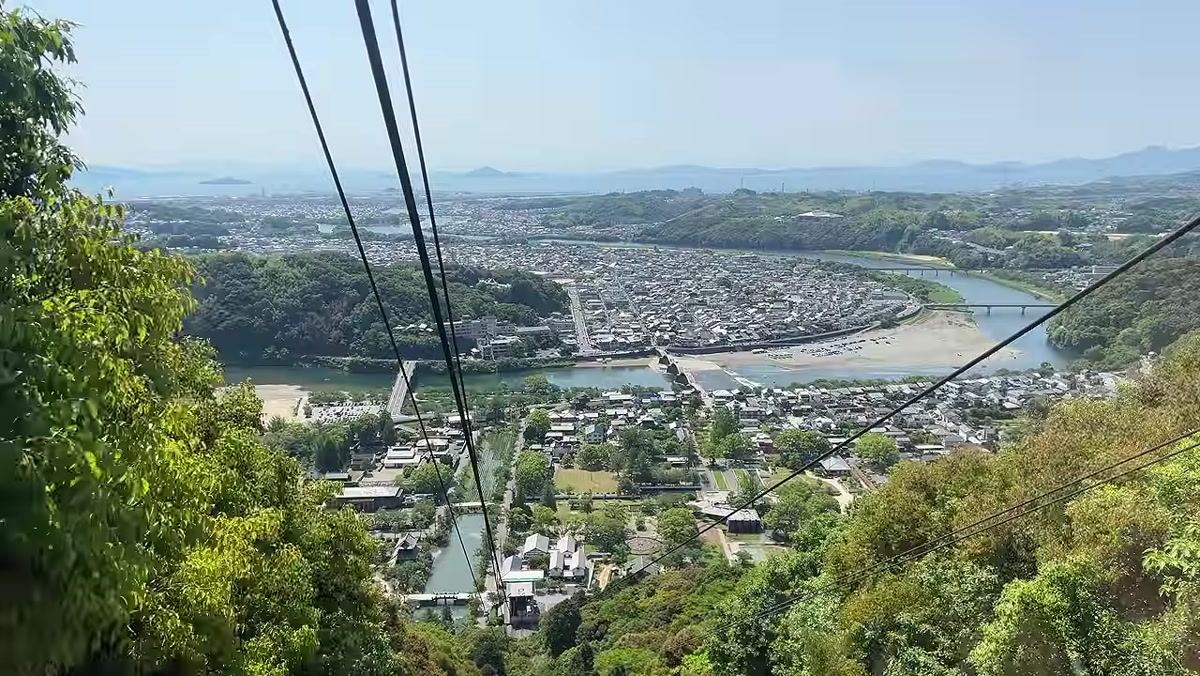
The castle is a rebuilt one, not the original, but the view from the top was great: Kintaikyo, the Nishiki River flowing into the Seto Inland Sea, and the airport by the ocean. The castle is open from 9:00 a.m. to 4:45 p.m. The ropeway and the castle close on some days for inspection, and for a longer stretch in winter, so check the official page before you go.
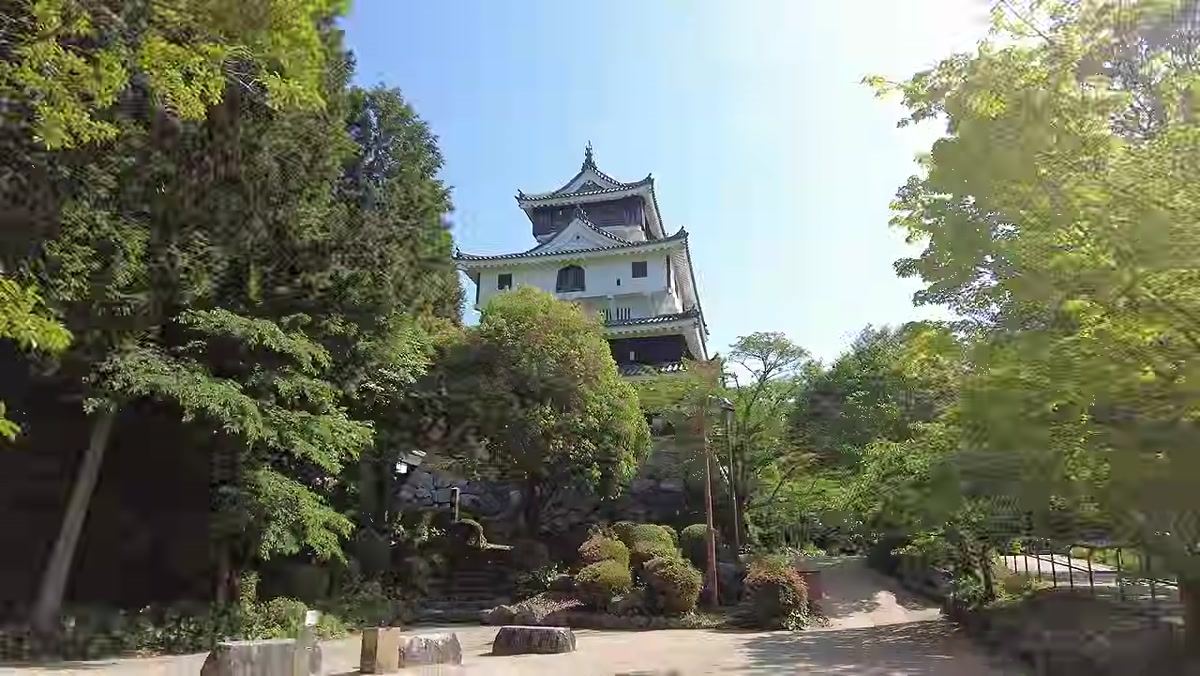
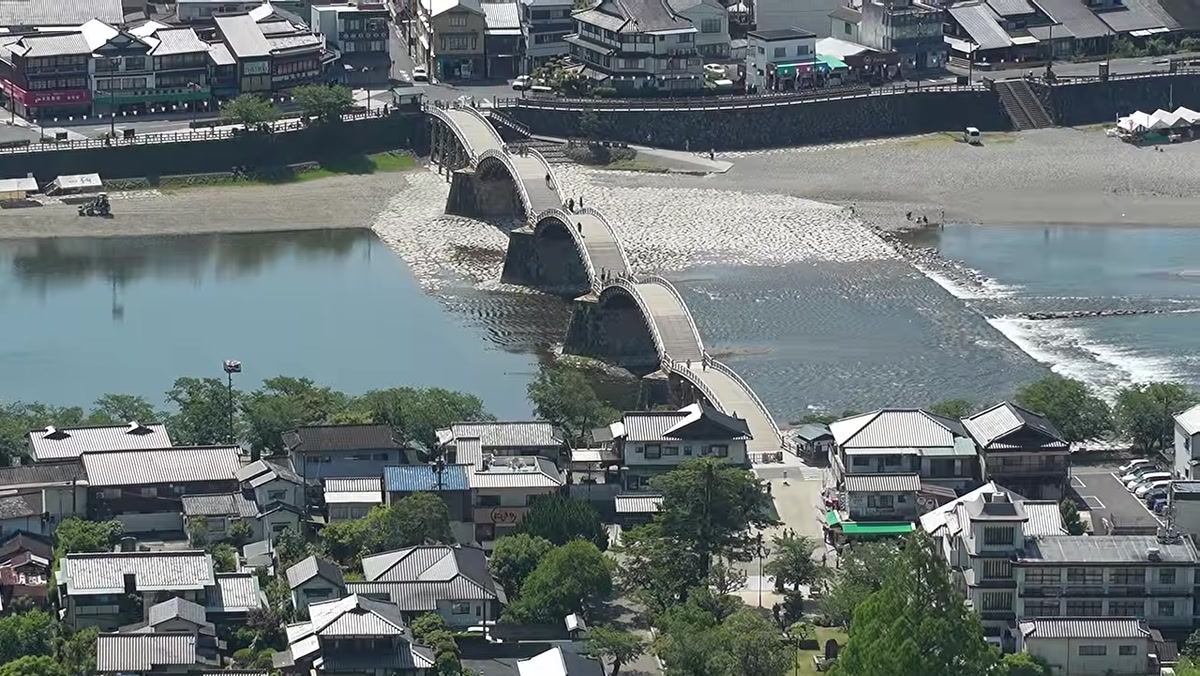
On the walk from the ropeway to the castle there are signs warning you about pit vipers, or mamushi in Japanese. I think they don’t usually come out unless you go into the bush. I’ve never seen one in my life.
Iwakuni sushi
Before leaving, I bought Iwakuni sushi, the local food eaten since around the 17th century. It’s a pressed sushi with layers of vinegared rice, vegetables such as lotus root and bamboo shoots, and fish. It was really good, and a nice thing to try before you move on to Miyajima.
On to Miyajima and Hiroshima
From Iwakuni I took the train to Miyajimaguchi, 22 minutes away, and crossed to Miyajima. After the quiet of Iwakuni, I was surprised by how many people there were. I wrote about that afternoon on the island, and the night in Hiroshima city, in my Hiroshima and Miyajima travel guide.