This post contains affiliate links. If you book through them, I may earn a small commission at no extra cost to you. Learn more.
Ikebukuro is one of the three big train terminals on the west side of Tokyo, together with Shinjuku and Shibuya, yet few travelers from abroad come here. For a long time it was simply a shopping hub for locals.
These days it is getting attention as a center of subculture and entertainment, and I think it is a good place to explore on your second or third trip to Tokyo. Here is what I do in Ikebukuro, from the department stores and anime shops to old local favorites and a few quiet temples nearby.
Getting to Ikebukuro
Ikebukuro works like a gate into Tokyo. Private railways from the northern suburbs end here, and JR lines and three Tokyo Metro subway lines carry passengers on to the rest of the city. It is one of the busiest stations in the world. You can reach it on the JR Yamanote, Saikyo and Shonan-Shinjuku lines, the Tokyo Metro Marunouchi, Yurakucho and Fukutoshin lines, the Tobu Tojo Line and the Seibu Ikebukuro Line.
From Shinjuku it takes about 5 minutes on the JR Saikyo Line, and from Tokyo Station about 16 minutes on the Marunouchi Line, according to Sunshine City’s access page. Airport limousine buses also stop inside Sunshine City. If you are new to Tokyo trains, my guide to getting around Tokyo by train covers the basics.
Tobu and Seibu: the department stores on both sides of the station
What makes Ikebukuro different is that two private railways, the Tobu Tojo Line and the Seibu Ikebukuro Line, start here, and each runs a huge department store on its side of the terminal. If you read Chinese characters, this is a common trap: Tobu (東武) means “east,” but it stands at the west exit, while Seibu (西武), written with “west,” is at the east exit. You can go shopping, of course, but there are three good reasons to step inside.
The first is the restaurant floors. You get a wide choice of food in clean restaurants, you don’t have to wander the streets looking for a place, and you can pay by credit card. Unless you have a specific restaurant in mind, it is a good place to look. At Tobu, the Spice restaurant floors take up 11F to 15F, as listed on Tobu’s English guide.
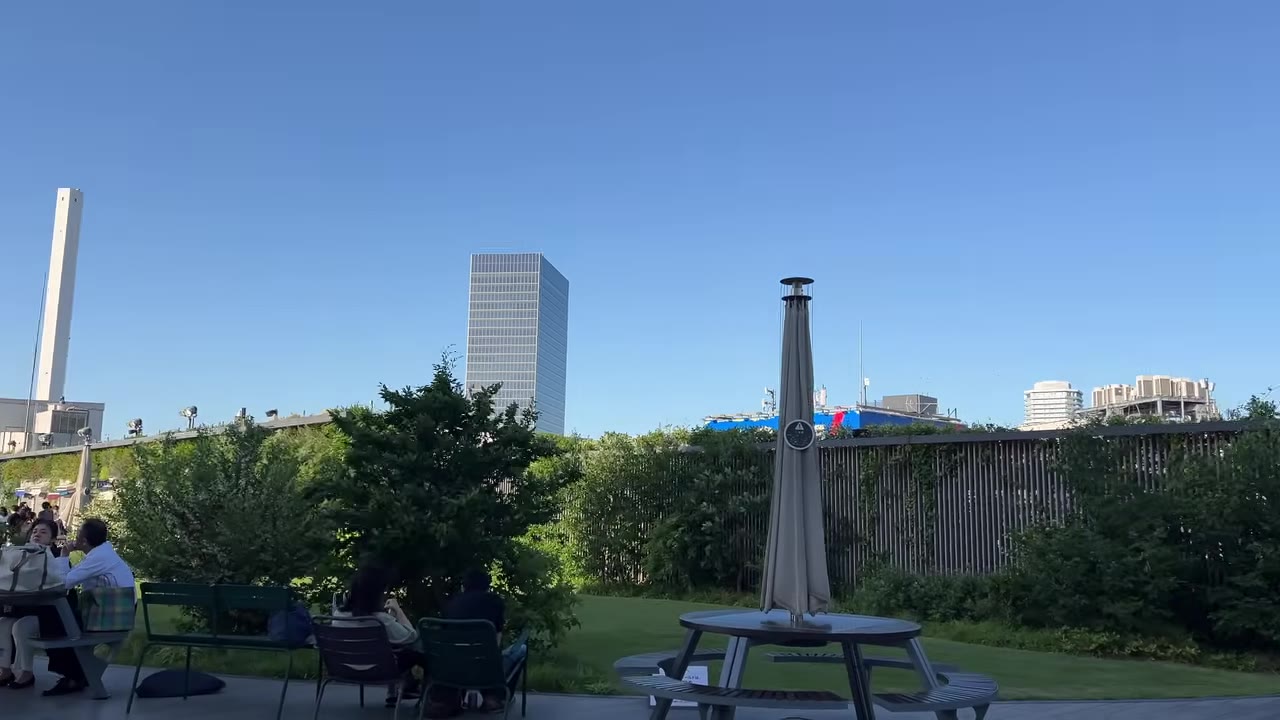
The second is the rooftops. When I filmed, Seibu was the winner, with a garden where you could relax with a coffee or a snack, just like a park. Part of the Seibu building is now LINKS IKEBUKURO, and its official 9F rooftop guide (Japanese) now lists a reservation-only barbecue area and a cactus and succulent shop instead of the garden I showed.
Tobu’s rooftop is the old-fashioned type, and I like it too. In summer it becomes a beer garden; in 2026 the season ran from April to the end of September (16F beer garden page, Japanese).
The third is the depachika, the food halls in the basement. You can pick up sushi, deli dishes and sweets and take them back to your hotel. Both stores have big basement food floors. Seibu renovated its basement in 2025 and now has about 180 shops there (Seibu depachika guide, Japanese).
East exit: anime, Otome Road and arcades
Most of Ikebukuro’s attractions are on the east side, between the station and the tall Sunshine City building. This area is known as one of Tokyo’s three subculture and entertainment centers, along with Akihabara and Nakano. Some people say Ikebukuro is the real home of otaku culture and older than Akihabara, which used to be more of an electronics town. What sets Ikebukuro apart is that much of it is aimed at female fans: anime goods and stories that appeal to women.
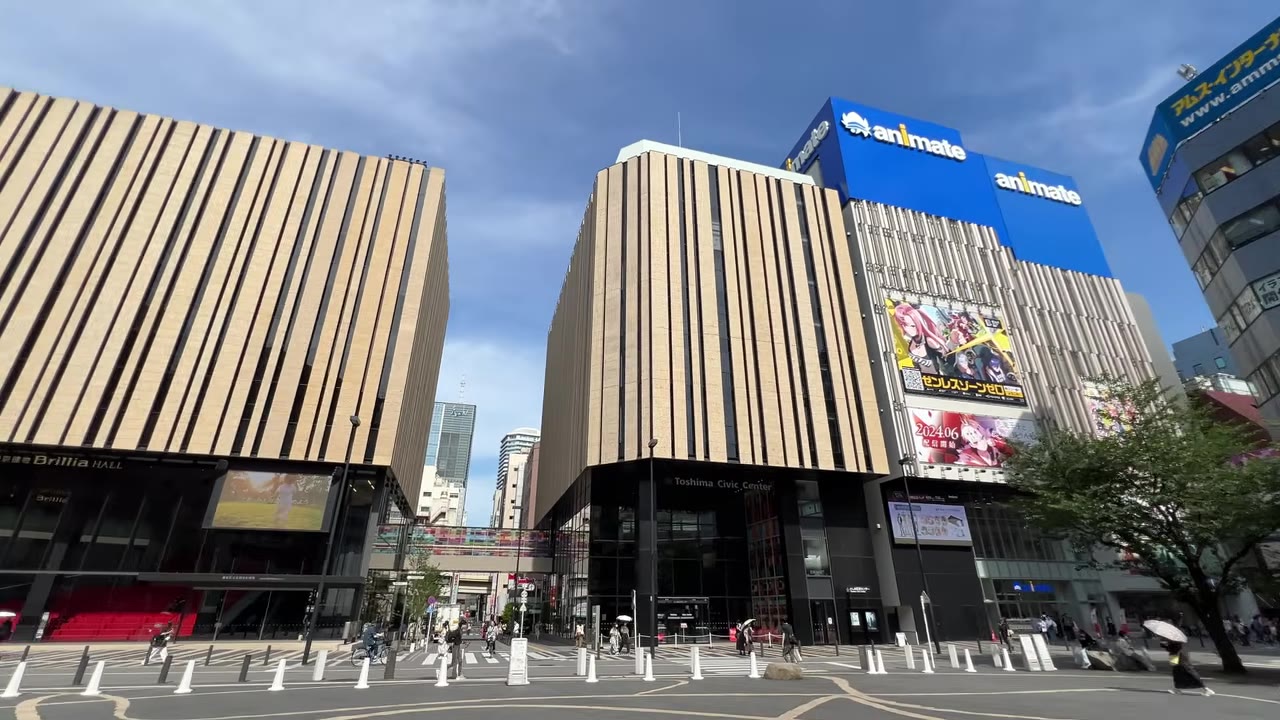
The Animate Ikebukuro main store is one of the largest anime stores in the world. To see more shops for female fans, walk along Otome Road, where they line one side of the street. There are also plenty of places with gashapon capsule toys and crane games. The big one is GiGO Sohonten (Japanese), the main GiGO arcade about three minutes from the east exit, packed with crane games and other arcade games.
Old local shops: washi paper, tsukemen and a 100-year-old bakery
Ikebukuro is not only about modern subculture. Some shops have been loved by locals for a long time. Kami no Takamura (Japanese) is a paper shop that started in Ikebukuro in 1929, and it has many paper goods that make good souvenirs. I bought origami paper made of washi, Japanese paper. Depending on the quality, washi can last a thousand years, because it is made very strong from several kinds of plants.

Ikebukuro is also a ramen district. One of its symbols is Taishoken, which opened in 1961 and is known as the birthplace of tsukemen, dipping noodles. The shop has moved and the owner has changed since then, and ramen fans argue about it in reviews.
The taste is very light and the portion is huge. It might not be for everyone, but it is famous in many ways, so try it if you want to explore the world of tsukemen. The main shop is near Higashi-Ikebukuro Station and is closed on Wednesdays (official shop list, Japanese).
When you get tired of the busy streets, take a break at Takase (Japanese), a bakery that has been in business in Ikebukuro for more than 100 years. You pick bread or cake on the first floor and eat it in the café on the second floor. My favorite is a sweet bread called Casino, with a sugar coating outside and fruit inside. That sugar coating is really good.
Sunshine City: observatory, Pokémon and an aquarium
Sunshine City is the symbol of Ikebukuro. For many years its Sunshine 60 tower was the tallest building in Japan, until the Tokyo Metropolitan Government Building went up in Shinjuku. Its observatory is not the most popular one in Tokyo, but it is good value: when I made the video it was 700 yen on weekdays.
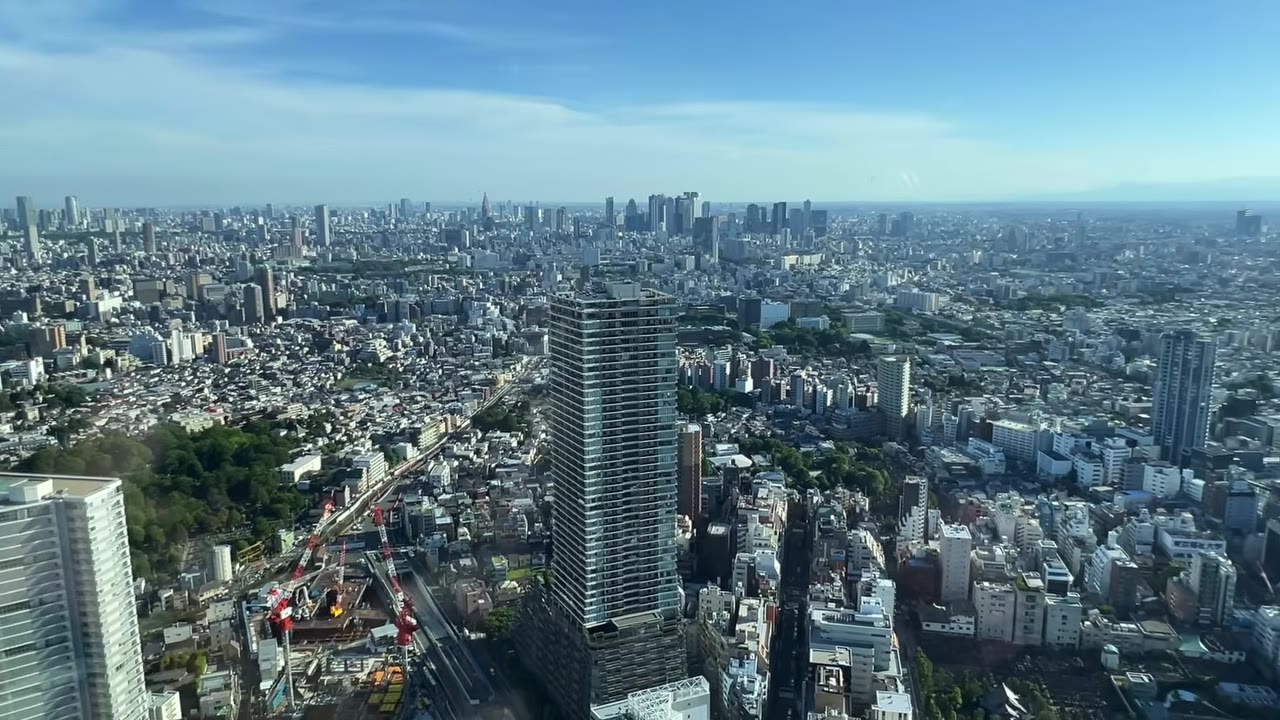
Because Ikebukuro sits at the northern edge of central Tokyo, you see the whole city at a glance. The deck had just been renewed, with new chairs and spaces to enjoy the view. My other favorite was the garden around the building, decorated with little miniature houses.
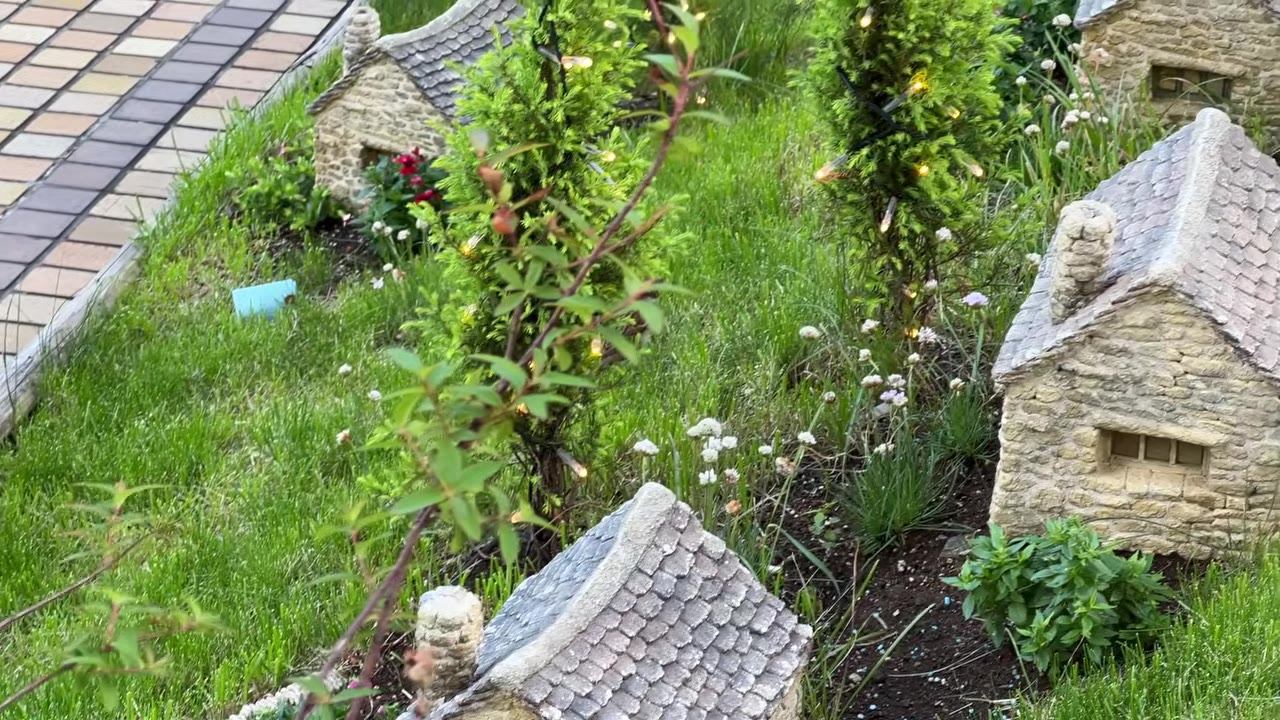
The official Sunshine 60 Observatory ticket page currently lists adult admission at 700 yen on weekdays, 900 yen on weekends, holidays and busy days, and 1,200 yen in peak season. On weekends, holidays and busy days you need a date- and time-specified web ticket, so check the page before you go.
Today Sunshine City is probably best known as a shopping and entertainment hub. Pokémon Center Mega Tokyo is much bigger than the Pokémon Center in Shibuya Parco. In the World Import Mart building, the Gashapon Department Store Ikebukuro opened with 3,000 capsule-toy machines, and the official page now lists 3,220.
There is also a small theme park, Namja Town, the Sunshine Aquarium and the Konica Minolta planetarium Manten, so you can spend a whole day here. I especially recommend it on rainy days: everything is indoors, and an underground passage connects it to Higashi-Ikebukuro Station on the Tokyo Metro Yurakucho Line.
West exit and Ikebukuro’s new Chinatown
The west exit is a little quieter, and it has two faces. One is a town of universities, parks and theaters, such as the Tokyo Metropolitan Theatre, that leads into a quiet residential area. At the park by the west exit you can sometimes catch a free concert.
The other is a busy nightlife district that is turning into a Chinatown, with many authentic Chinese shops. As you enter, you see Cotti Coffee, a coffee chain from China that is now expanding in Japan.
I ate at Shin-Chin-Mi, a restaurant that opened more than 70 years ago by a Taiwanese founder. It is famous for Taro-men, a noodle dish like hot and sour soup ramen. I ordered the fried rice set, and it was really good.
Around Ikebukuro: Shiinamachi, Tokiwaso and two old temples
If you keep going west, there is a photo spot that went viral on social media, especially for its evening scenery. It is in front of Shiinamachi Station, one stop from Ikebukuro on the Seibu Ikebukuro Line.
One more stop takes you to Higashi-Nagasaki, where you find the town tied to the beginning of Japanese manga and anime history. The Tokiwaso Manga Museum recreates the apartment where Osamu Tezuka and other young manga artists lived; it is about 10 minutes on foot from Higashi-Nagasaki Station and closed on Mondays.
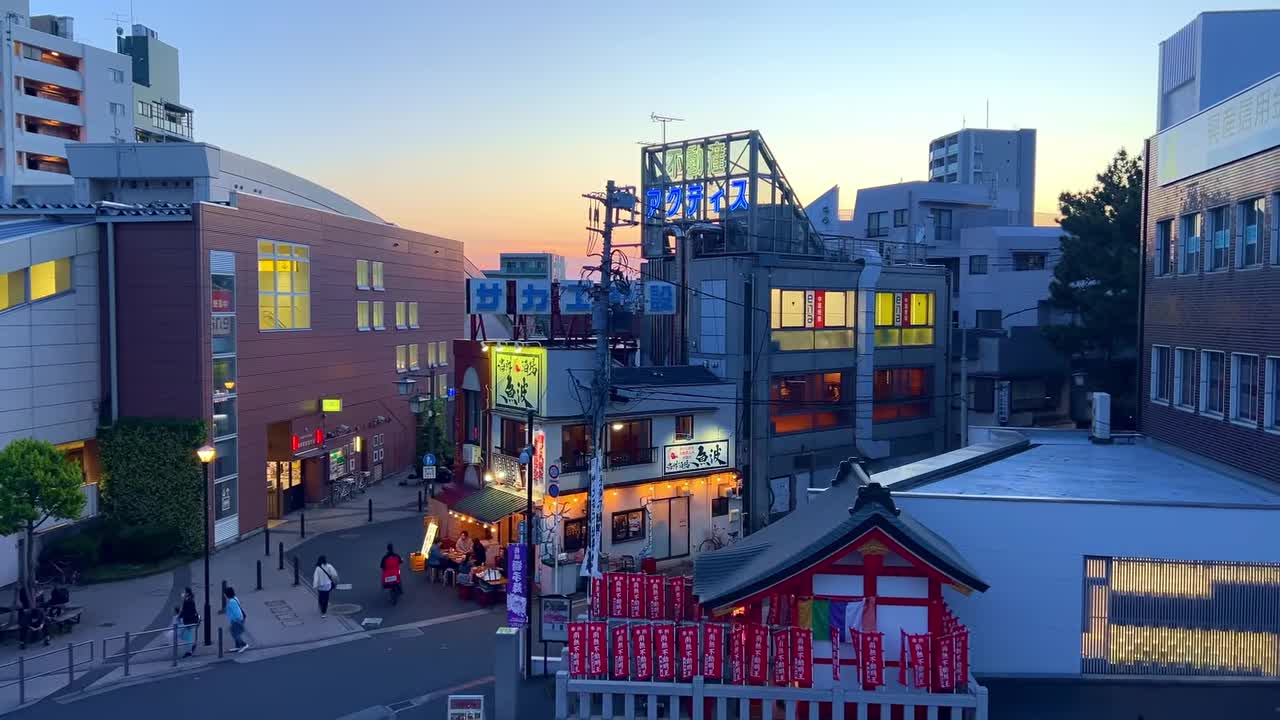
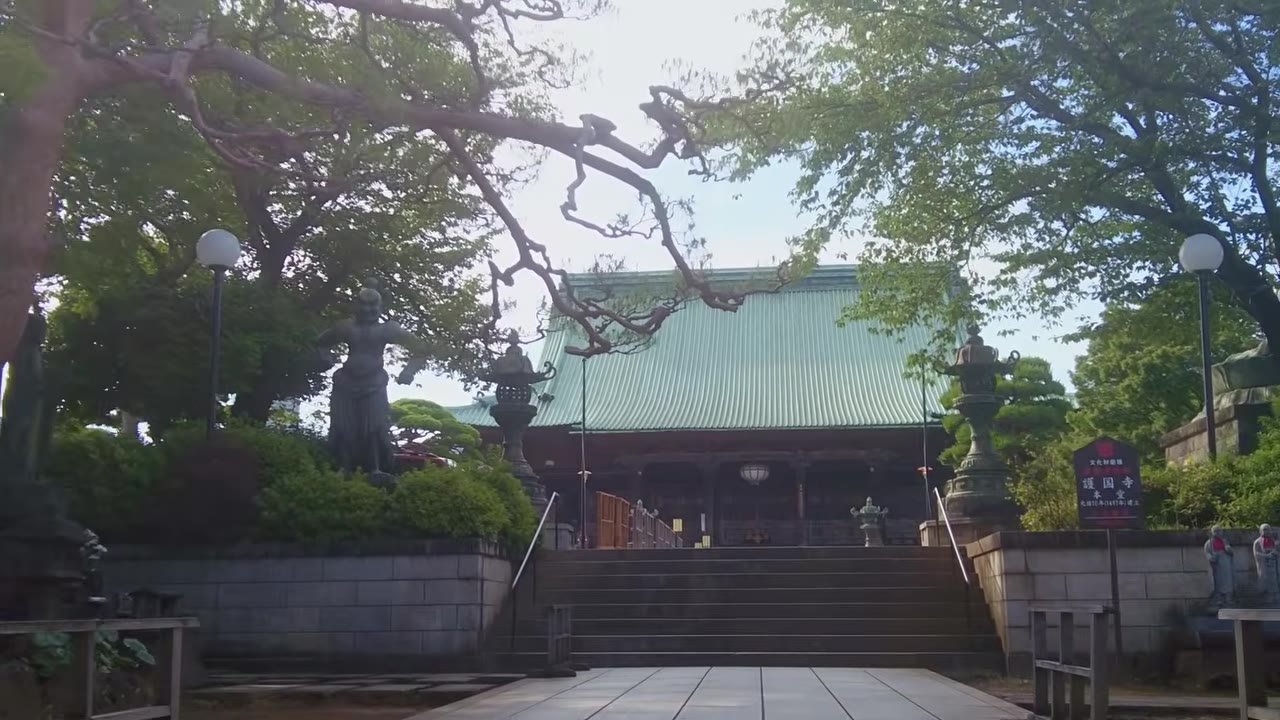
To the southeast, Ikebukuro continues to Zoshigaya, where you find the old temple of Kishimojin (Japanese, with an English leaflet). From there the streets drop steeply toward Shinjuku, which shows that Ikebukuro sits on high ground. A little farther is Gokokuji, one of the most impressive temple buildings in Tokyo. Its main hall was built in 1697 and survived both the Great Kanto Earthquake and the air raids of World War II, so it is rare to see a historic building like this in Tokyo.
Day trips that start in Ikebukuro
Because the Tobu and Seibu lines start here, Ikebukuro is also the departure point for a couple of easy trips. The Tobu Tojo Line takes you to the old town of Kawagoe in about 30 minutes, which I cover in my day trips from Tokyo roundup.
The Seibu Ikebukuro Line runs to Toshimaen for the Harry Potter Studio Tour Tokyo. For more ideas around the city, see 100 things I’ve actually done in Tokyo, and if Tokyo is part of a longer trip, my Japan Trip Planner helps you put the route together.
Ikebukuro might not be the first place you visit in Tokyo, but it is a fun place to look around, and it shows a side of the city most travelers miss.
If you want more of my walking routes around Tokyo’s neighborhoods, I put them together in my eBook, TOKYO: Walking Routes & Neighborhoods.


