This post contains affiliate links. If you book through them, I may earn a small commission at no extra cost to you. Learn more.
Hakuba is a major ski resort town in Nagano that hosted events of the 1998 Olympic Games, and it’s one of the most popular ski resorts among international travelers. But it’s also a town where you can enjoy mountain hiking in the summer season. I came by local train from Matsumoto, about two hours, and I wanted to show you one of Japan’s top mountain resorts.
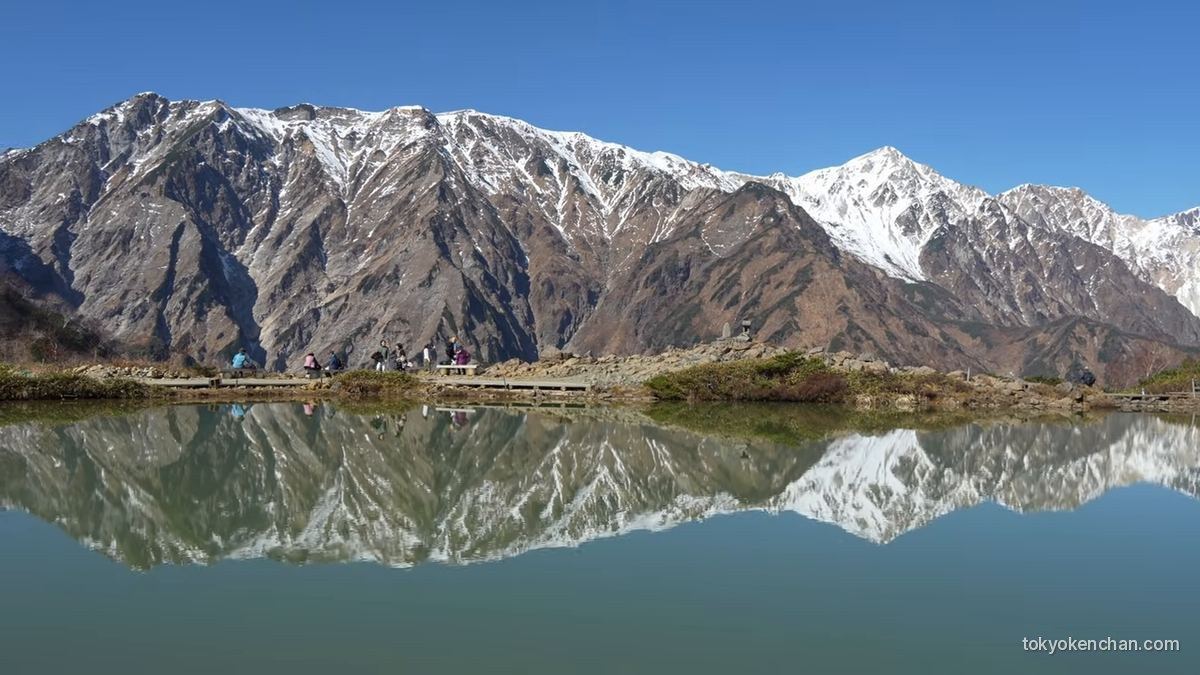
I visited at the beginning of November 2023, right before the summer season finished and a few weeks before the ski season. I stayed one night near Hakuba Station, took the gondola and two lifts up Happo-one the next morning, and hiked to Happo Pond. In 2023, Hakuba was also chosen as one of the Best Tourism Villages by UN Tourism.
Map of Hakuba Station
Getting to Hakuba: My Route from Matsumoto
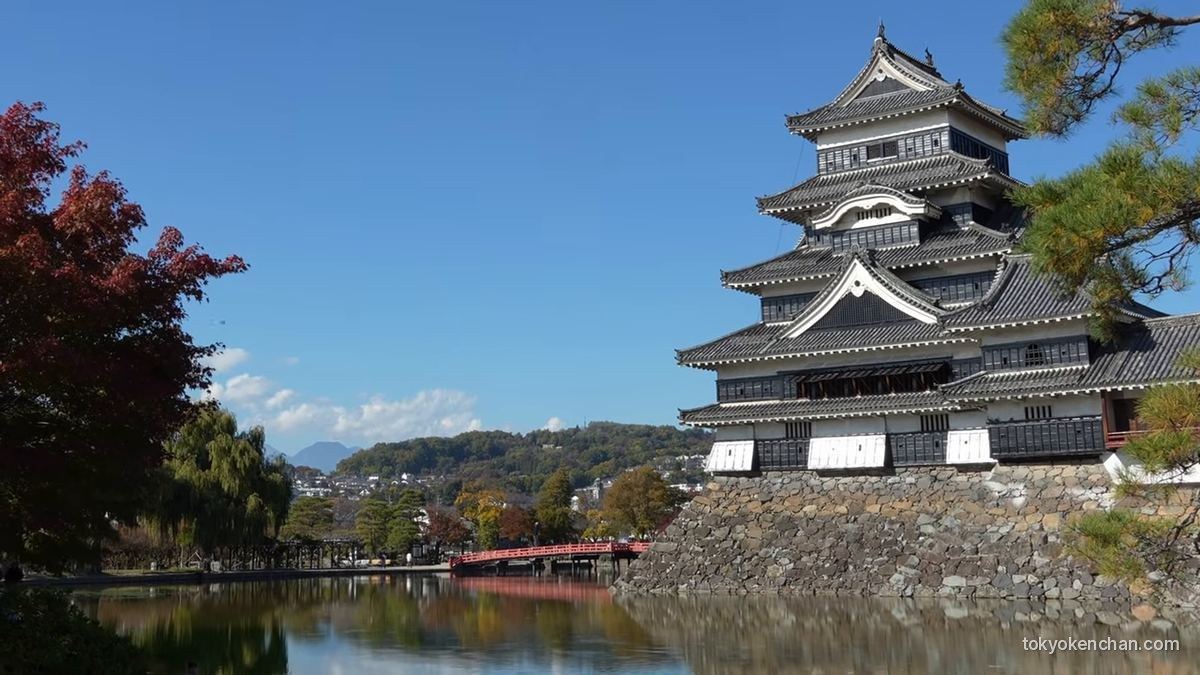
My trip started from Matsumoto Station. Matsumoto is one of the two major cities in Nagano, and you can get there from Tokyo by the Limited Express Azusa, or from Nagoya by the Limited Express Shinano. I came here after visiting Kamikochi, and since I had some time before my train, I walked to Matsumoto Castle. It was built more than 400 years ago, and the original building still remains.
To get to Hakuba from Matsumoto, you can take the local train called the Oito Line, which connects Matsumoto and Itoigawa in Niigata. JR East runs the trains as far as Minami-Otari Station, and JR West runs the section from Minami-Otari to Itoigawa, so there is no direct train between Matsumoto and Itoigawa. It’s a local line, and the trains run less than once an hour.
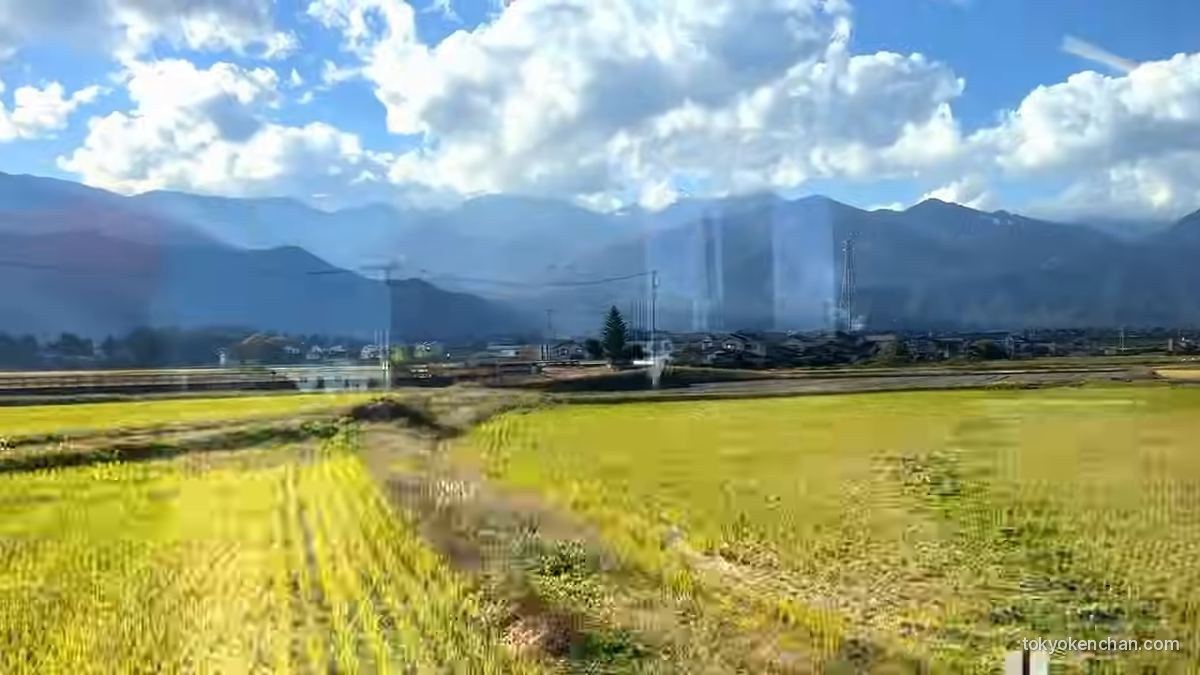
The ride to Hakuba took about two hours, but the scenery of the Japanese Northern Alps on the left and the countryside never bored me. The clouds started to cover the land, and as the train got closer to Hakuba, I started to see mountains with ski resorts. After the long ride, I felt like I had come so far away.
Other Ways to Get to Hakuba from Tokyo
From Tokyo, the route through Nagano is faster in total time, because you can take the Hokuriku Shinkansen to Nagano and then a bus. The buses from Nagano Station run much more often than the trains, and the Hakuba Tokyu Hotel’s official page puts the ride at about 1 hour 15 minutes to the Happo Bus Terminal.
According to Alpico, the bus company, the winter-season fare from Nagano Station to Hakuba Station or the Happo Bus Terminal is 3,500 yen one way, and this winter there are both non-reserved buses and reservation-only buses. Alpico also runs direct buses from Shinjuku to Hakuba, which need a reservation.
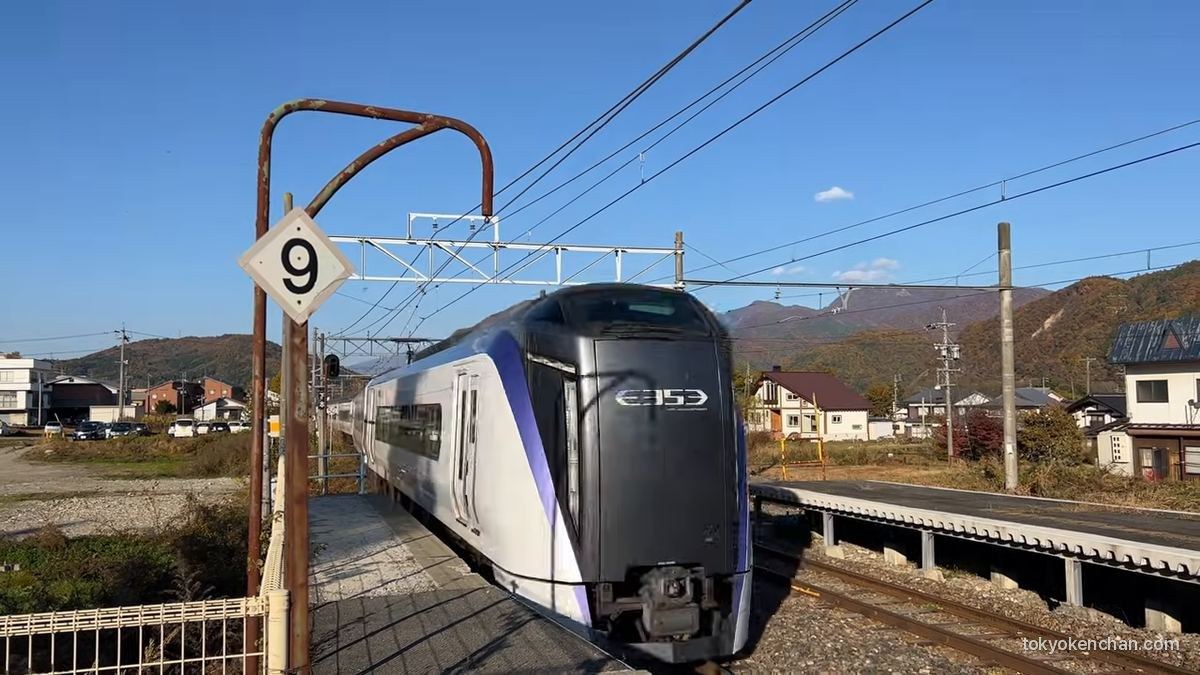
There is also one Limited Express Azusa a day that runs from Shinjuku Station directly to Hakuba in the morning, and one that goes back in the early afternoon, which is the train I took home. It’s only one train a day, so it can’t carry everyone who comes from Tokyo, but it’s a very easy way to go if the time works for you.
Arriving at Hakuba Station
As soon as I got off at Hakuba Station, I didn’t expect someone to call my name. It was a viewer from Mexico and his partner, who recognized me from YouTube. They were going to Oide Park and then back to Matsumoto. It was a very nice encounter, and I hoped they would have a great time.
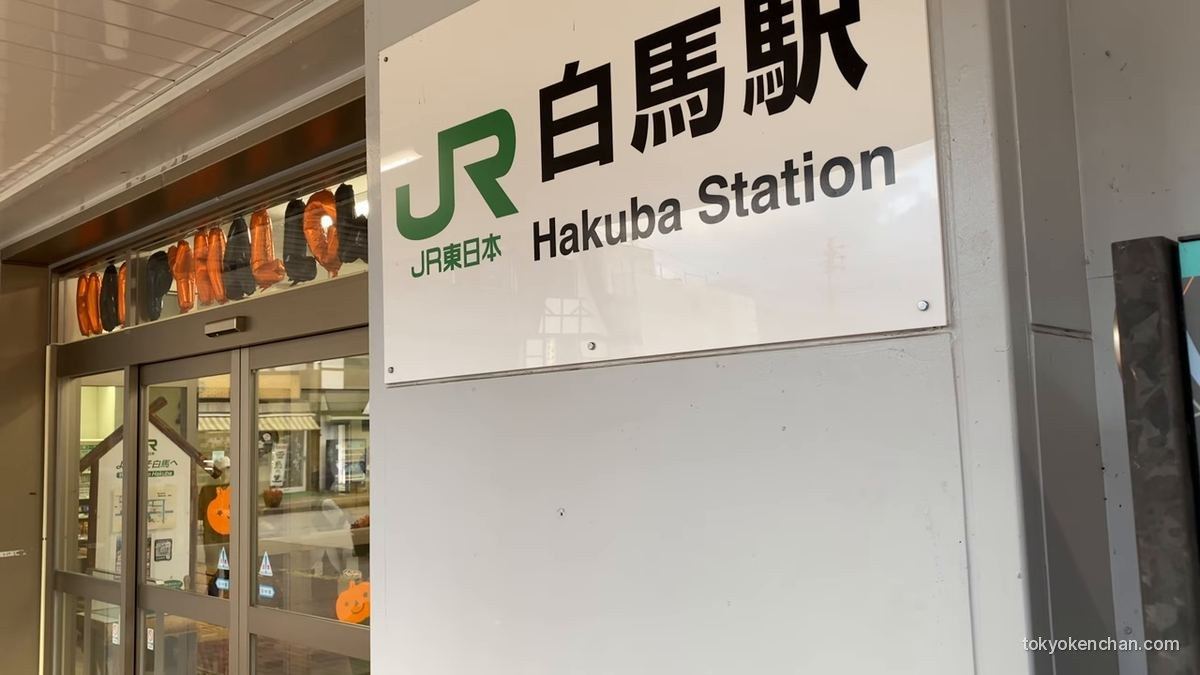
Near the station there’s a Patagonia shop, and you can see the great mountains of Hakuba. I can’t say Hakuba is a walkable town, but you can walk from Hakuba Station to my hotel and the area around it, with some supermarkets, outdoor brand shops like The North Face and Patagonia, and Japanese outdoor shops like Snow Peak.
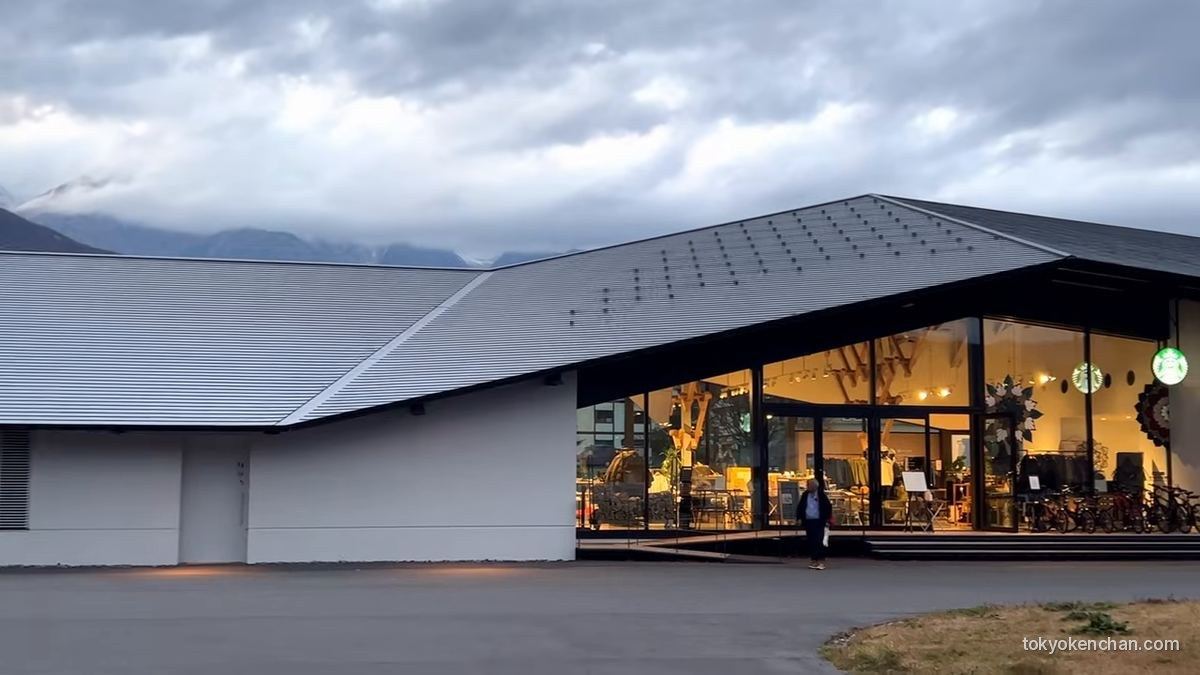
In case it’s difficult to walk, I also saw taxis right in front of Hakuba Station. If none is waiting, a sign asks you to wait because it will come back. On the way to the hotel there is Snow Peak LAND STATION HAKUBA. Snow Peak is another Japanese outdoor brand, and they have a shop and a Starbucks here, and there is a public hot spring bath nearby too.
Where to Stay in Hakuba
Hakuba has several different areas, and the most major one is Happo-one, close to Hakuba Station. If you come by public transportation, you might want to plan how to get to your hotel and how to reach the activities you want to do, such as the ski areas. It’s not a single resort called Hakuba. It’s a group of ski resorts together called Hakuba Valley, and the official site now lists 10 of them.
Hakuba has different hotel choices, from small, individually owned places called minshuku or pensions, to large hotels, so you can choose depending on your plans and budget. The major hotels include Hakuba Tokyu Hotel and Courtyard by Marriott, and Japanese hotels such as Sierra Resort and Green Plaza.
Hakuba is also known for its great hot springs. Hotel Sierra Resort Hakuba is known for its traditional-style bathhouse with natural hot springs. When I stayed there a few years ago it was still November, but bathing in a winter wonderland was an amazing experience. It’s very nice if you drive and want a hot spring stay, but it’s not convenient for activities in town.
The transportation you have might limit where you can go, so I recommend checking the shuttle bus service your hotel offers. For that reason, this time I chose Hotel Hakuba, which is within walking distance of Hakuba Station and has a free shuttle bus to the Happo-one ski resort, where I was going the next day.
My Room at Hotel Hakuba
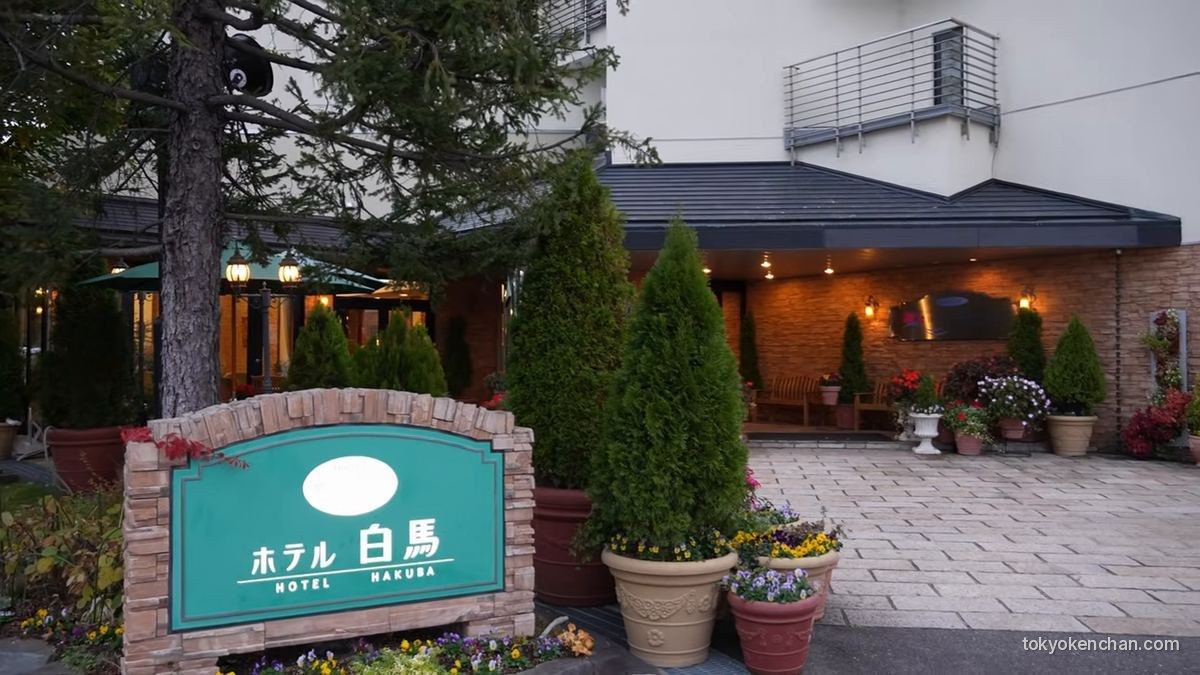
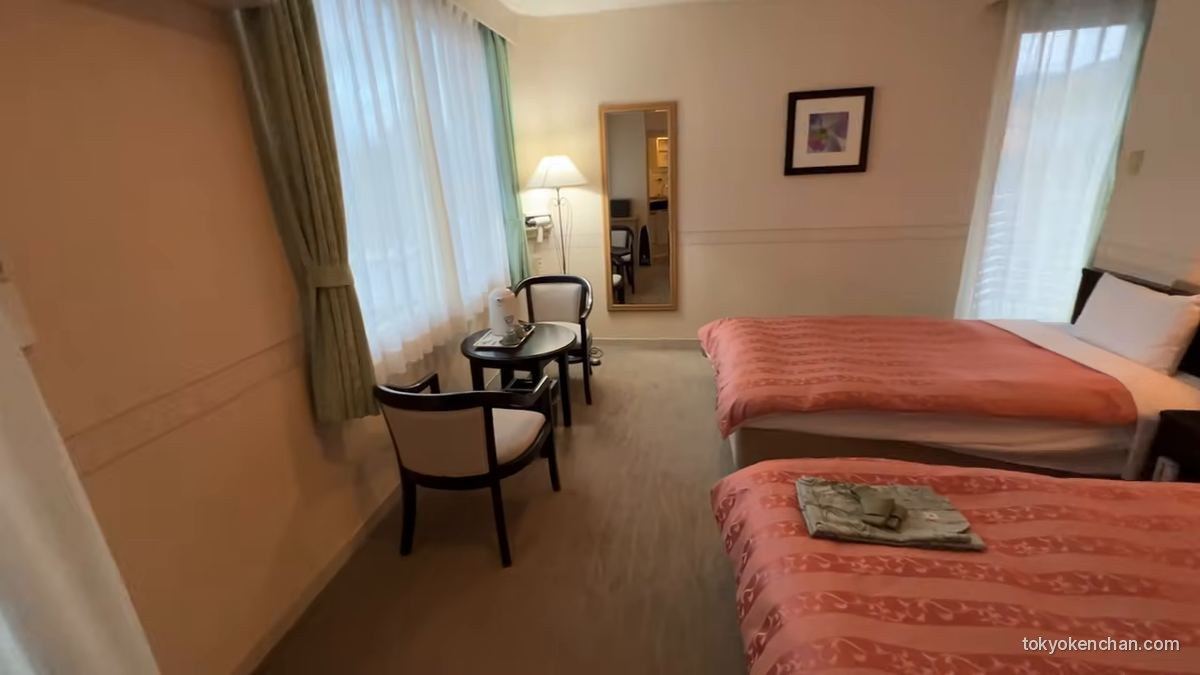
Hotel Hakuba was cozy and good. My room had a little kitchen with a microwave, an air purifier, chairs, beds and a closet, and it was a really big room. I thought one door was another closet, but it was actually the restroom.
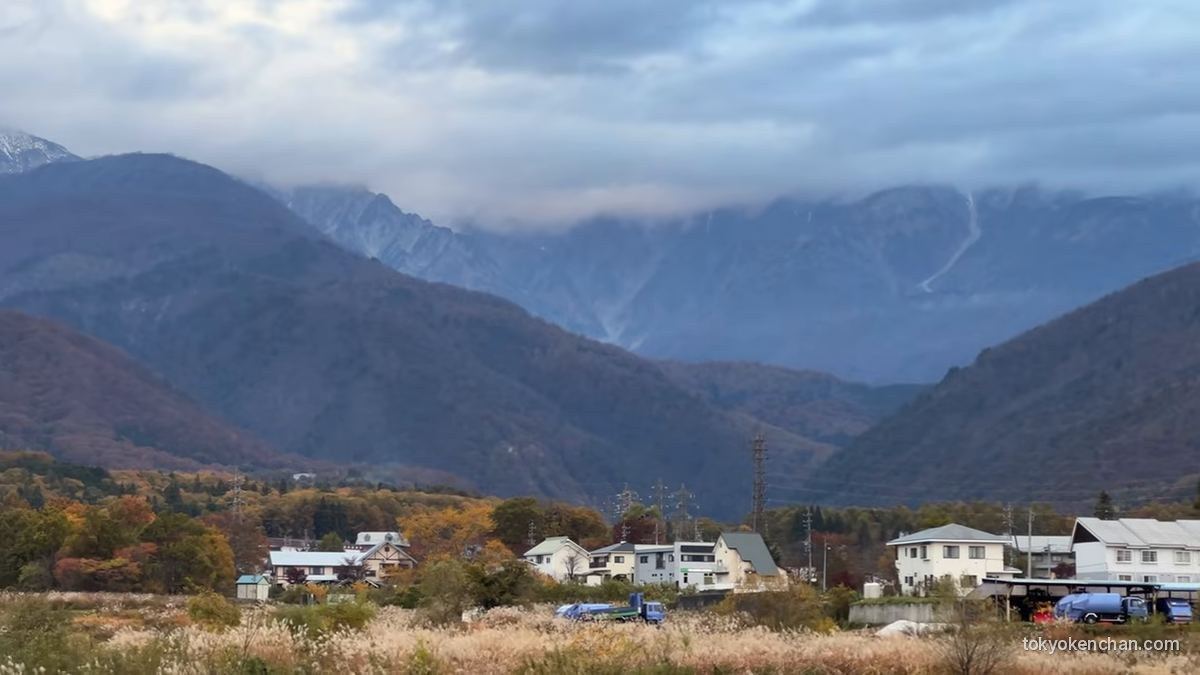
I also found another secret of this room: a balcony. The mountains of Hakuba were covered by clouds that afternoon, so I hoped it would be clear the next day.
Outdoor Shops and Dinner
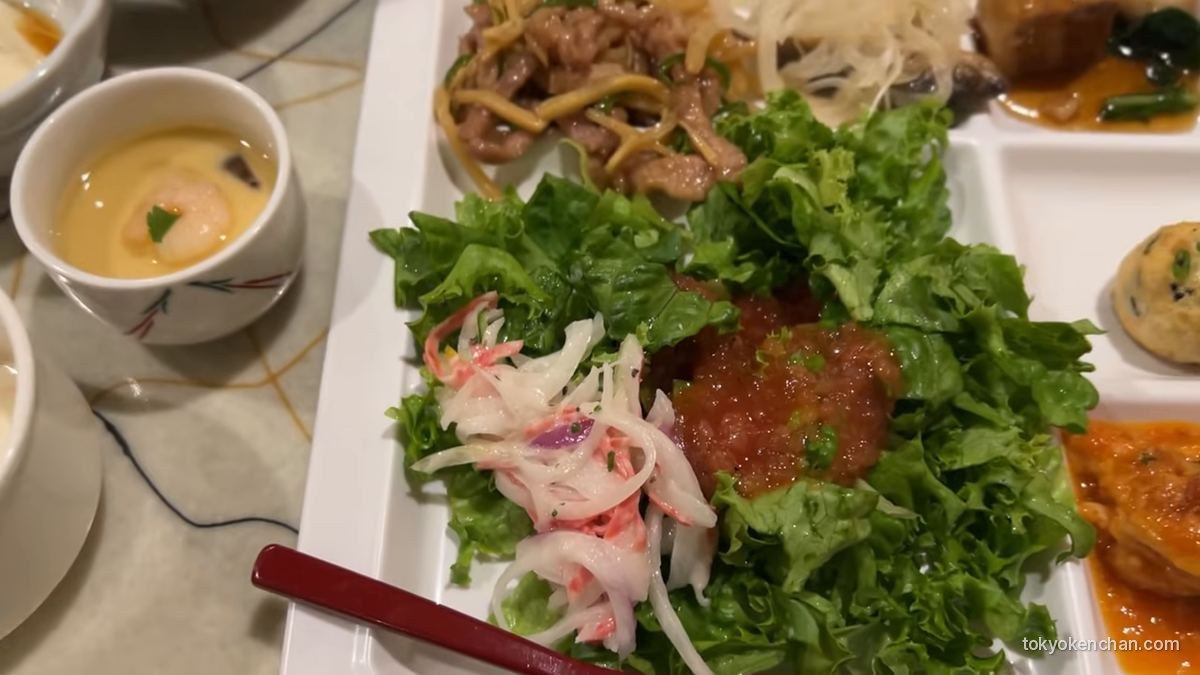
I had two hours until dinner, so I went to check the North Face shop and the Snow Peak shop, and they were really nice. The dinner at the hotel was a pretty basic buffet, but I think it was great. There were a few small souvenir shops in the lobby, so I got a local sake and went to bed.
Morning Fog and the Shuttle to Happo-one
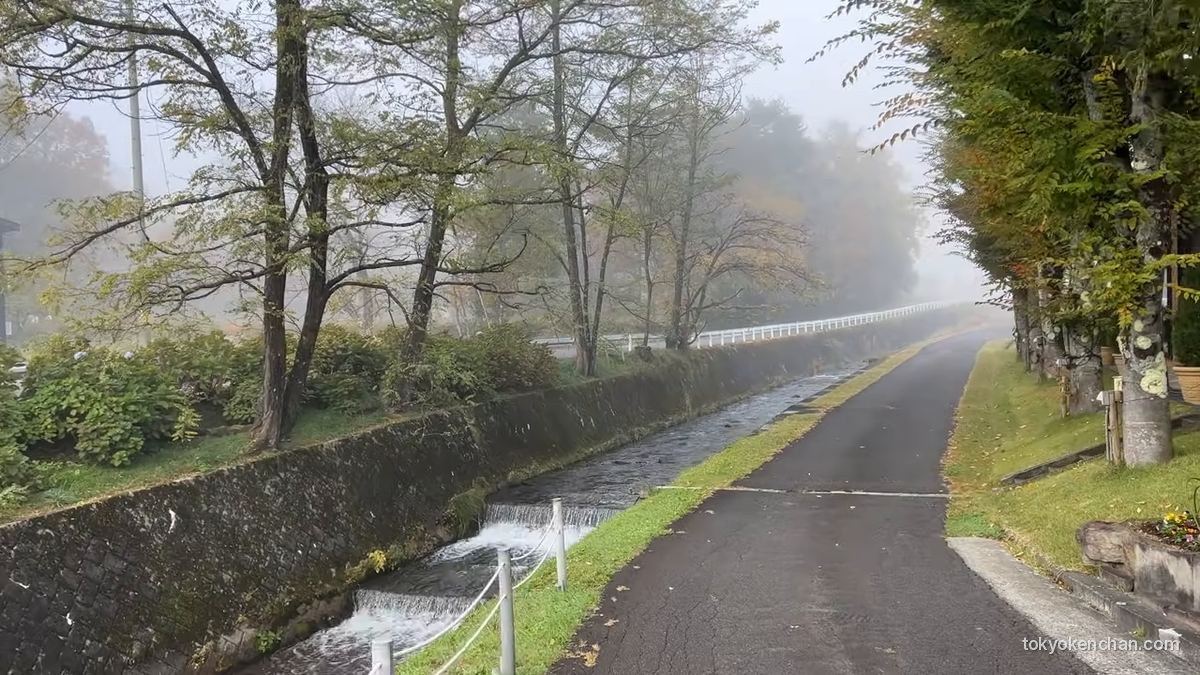
The next morning, the hotel was surrounded by fog. I enjoyed a walk in the fog, but I hoped it would clear by the time I got to the mountain, and soon I could see the sun. I checked out and took the hotel’s shuttle bus to the Happo-one gondola station.
One thing to know: when you stay at a hotel in a hot spring area, they usually charge a bathing tax called nyuto-zei. You usually pay it no matter what, even if you prepaid your room through a booking site.
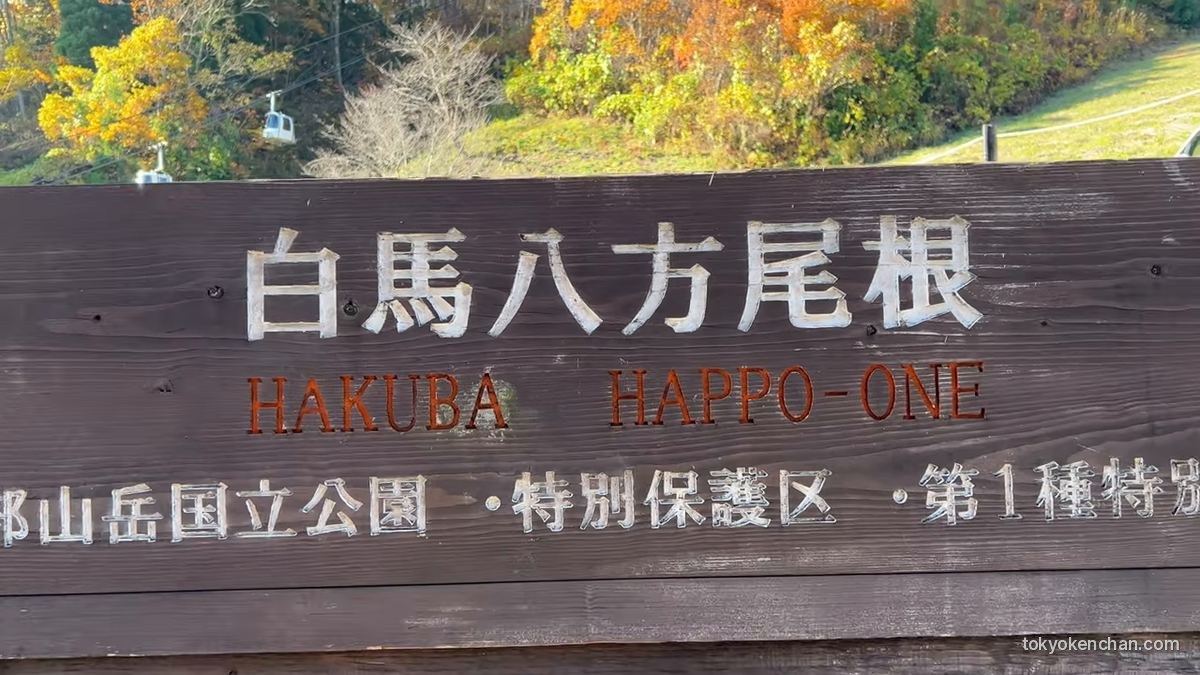
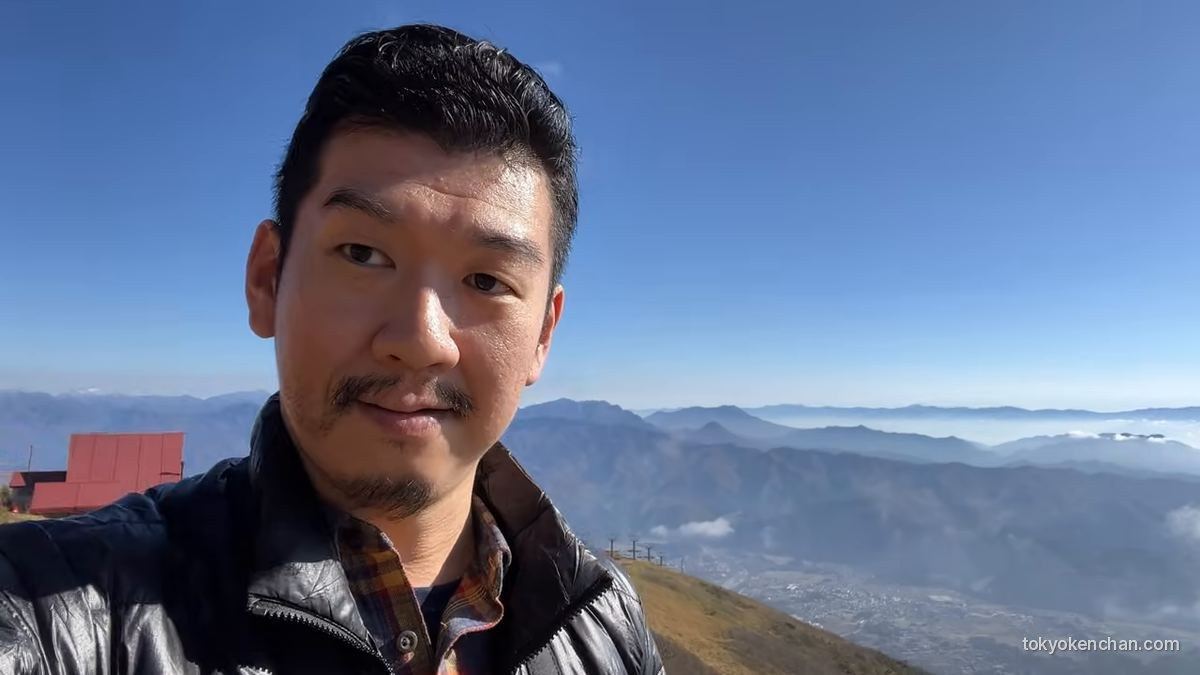
By the time I arrived at the gondola station, all the fog had cleared, and I could see some beautiful mountains. During the summer season, the hiking route to Happo Pond is a popular one that starts from the top of the Happo-one ski resort. The great thing about this route is that you don’t have to walk long or climb high, and you still see dynamic mountain views.
Up Happo-one by Gondola and Lifts
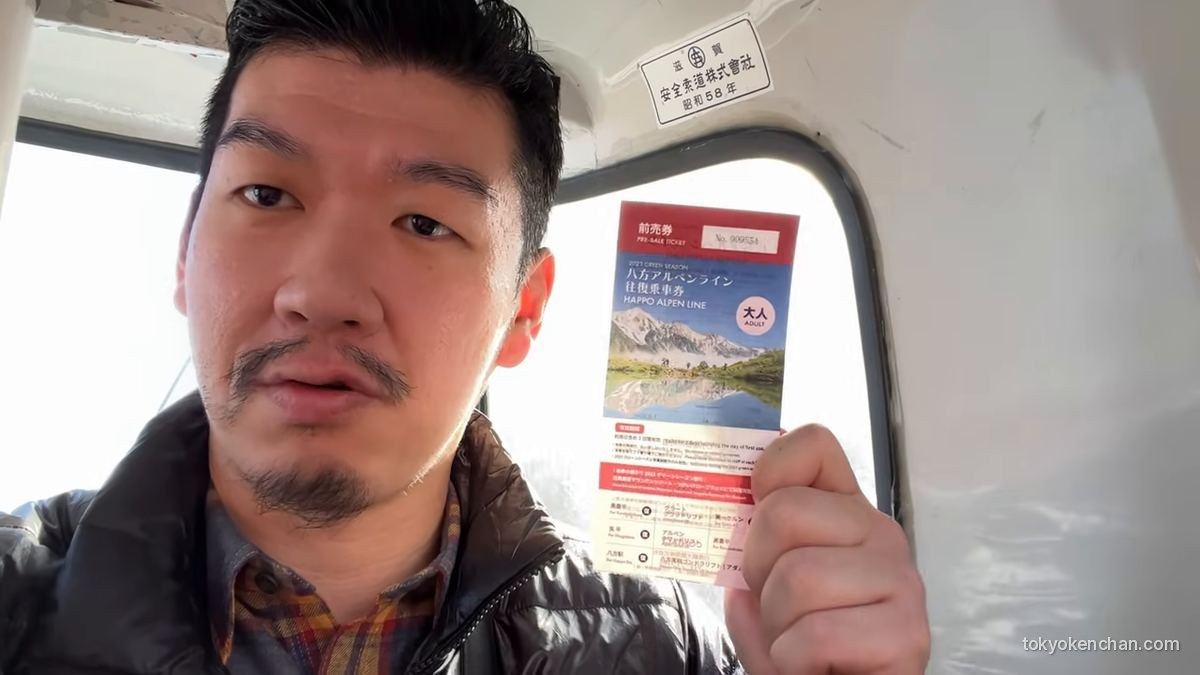
My ticket included the gondola and the two lifts after it. In 2023 the summer ticket was 3,300 yen, or 2,950 yen if you bought it in advance at the hotel, and it was also sold at some other hotels and shops. For the 2026 green season, the Happo Alpen Line page lists 3,500 yen for an adult round trip on the Adam Gondola, the Alpen Quad and the Grat Quad.
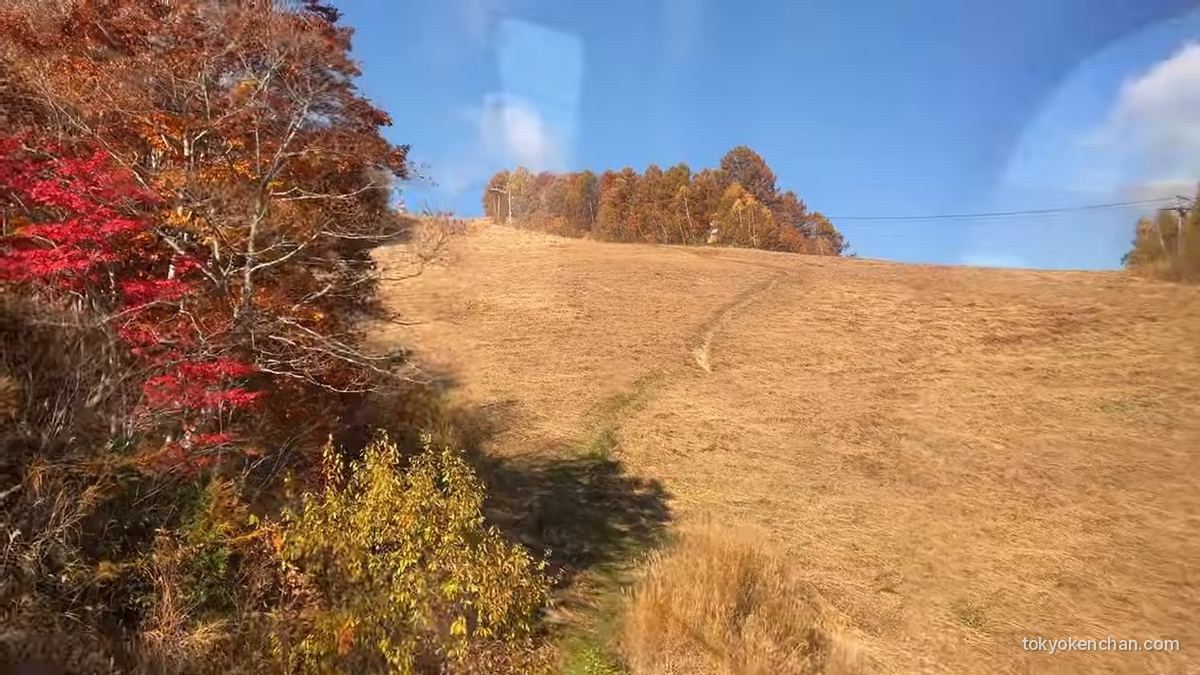
The slopes were covered in autumn colors when I rode up. There are some restaurants at the top of the gondola, and then the Alpen Quad lift takes about seven minutes and goes up 280 meters. At Kurobishidaira, 1,680 meters, there is a platform with the Olympic rings from 1998.
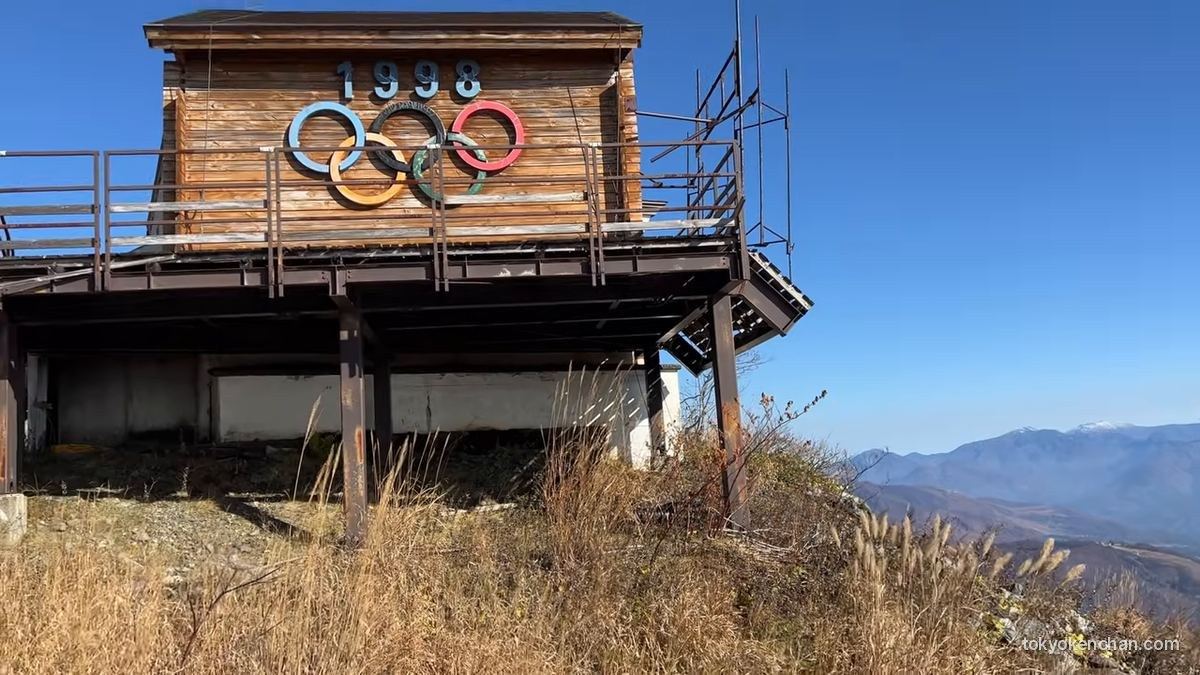
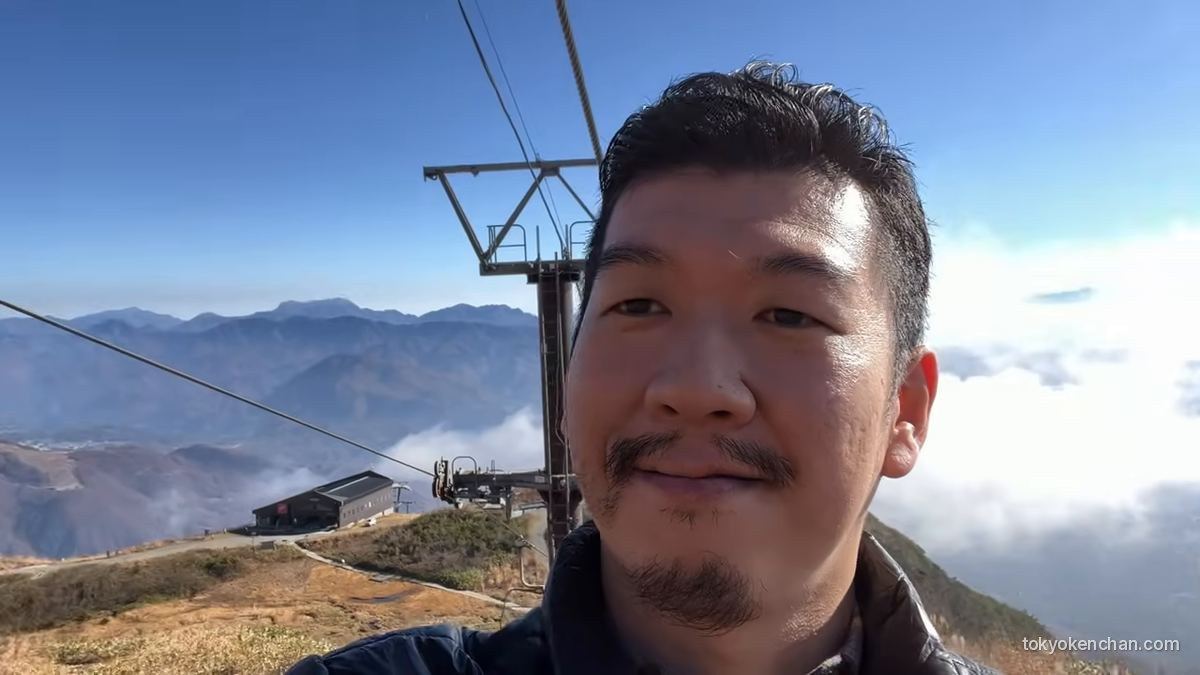
The Grat Quad is the last lift on this route, and from the top you can start trekking. From the lift I pointed out a mountain as Goryu-dake, but it was actually Mt. Kashimayari. Either way, it was so beautiful.
Hiking to Happo Pond
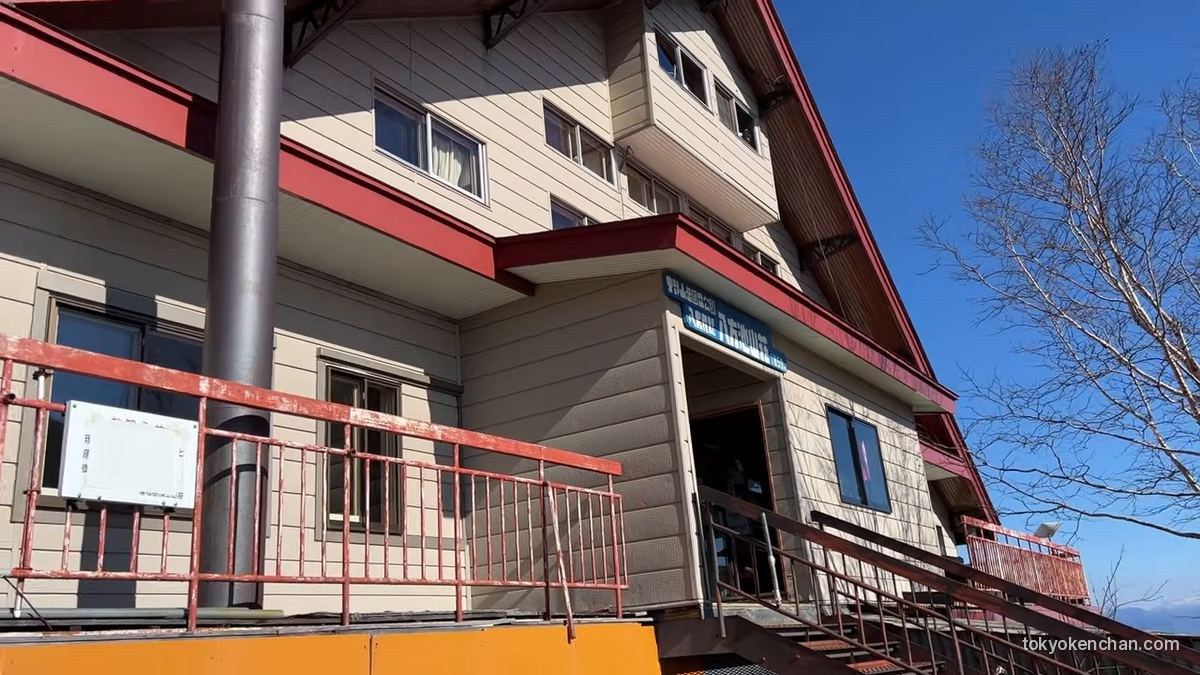
The last lift ends at Happo-ike Sanso, the mountain hut where the trail starts, and there is even a vending machine where you can get a beer. At that time of year it was the last restroom on the trail, so it’s better to use it here. From the hut there is a ridge line trail and a boardwalk, and beginners should take the boardwalk, so that’s where I went.
This course is supposed to be easy, because the gondola and lifts bring you to the top of the ski resort and you start from there. I had hiking shoes, but I saw some international tourists in sneakers. Many parts of the route have a wooden deck, which is very easy to walk on, but some parts are very rocky, so I think it’s better to bring hiking or trekking shoes.
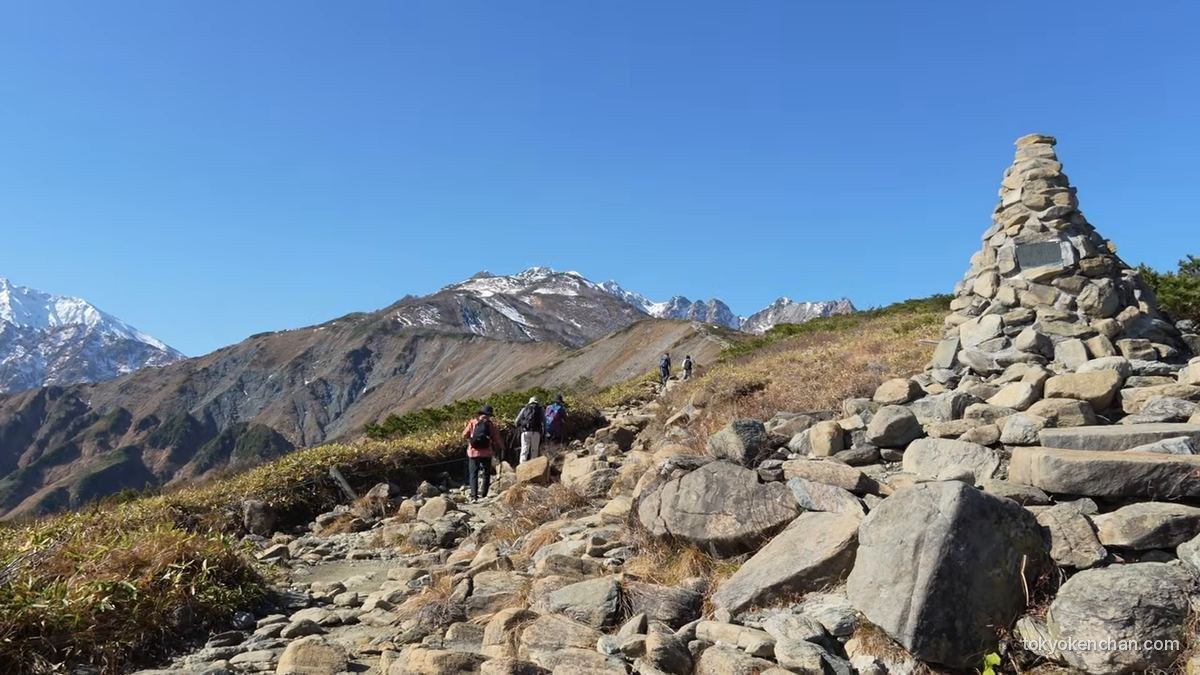
Along the way there is a stone cairn built in 1963 by Shakujii High School in Tokyo, so it’s called the Shakujii Cairn. Usually in summer there is a restroom further up too, but it was already closed for the year. The Happo-one trail guide also says the restrooms on the trail can close when their water supply runs low.
At Happo Pond, the mountains were reflected in the water. I ate my rice ball there, and it was completely flat from being in my backpack. It was hard to leave, but I headed back down. The Happo Pond course is closed in winter, so if you come to Hakuba in winter you can enjoy skiing, snowboarding and playing in the snow, and in summer you can enjoy the beautiful scenery by hiking.
Back to Tokyo on the Limited Express Azusa
From Hakuba, I took the direct train to Shinjuku Station in Tokyo, which was very easy. The train got busy after Matsumoto with business passengers. Even though some of the trolley services on the shinkansen are gone, they still have one on the Azusa, so you can buy coffee, beer and some snacks.
I hope you enjoy your trip to Hakuba. This route has a nice view all the time, from the start to the goal, so it’s a great option if you visit Nagano, and it’s not that difficult to get to this mountain.
Questions I Often Get in the Comments
When did you go, and will there be snow?
I arrived in Hakuba in the first week of November, I think on November 1. It was a few weeks before they closed the lifts for the ski season, and there was already snow on top of the mountains. I think snow starts on the peaks around October, depending on the year, and I once got heavy snow in Hakuba at the end of November. For 2026–27, Happo-one opened for skiing on November 22.
Can I do the Happo Pond hike as a day trip from Nagano?
Yes, definitely. You can take the direct bus back to Nagano Station. Just keep the time in mind: Happo-one’s own trail guide says the last chairlift down from Happo-ike Sanso leaves at 4:30 p.m., and it recommends starting the hike to Happo Pond by 1 p.m.
How long is the walk from the last lift to Happo Pond?
I checked the timestamps of my photos, and it took me about two hours. The official estimate from Happo-ike Sanso is about 90 minutes uphill and 60 minutes back down, so plan for around two and a half hours for the round trip, plus time to enjoy the pond.
Should I rent a car or use public transportation?
If you want to go to several different places around Hakuba, a car is definitely better. I enjoy trains, so I don’t talk much about driving on my channel, but if you have the choice of using a car, it would be much easier. Without a car, I stayed near Hakuba Station and used my hotel’s shuttle bus.
When is the best season to see the snow-capped mountains?
May must be the best season to see the snow-capped mountains with fresh green. If you don’t ski or hike, I hope you can enjoy a gondola ride for the view. There is one at Happo-one and another one at Hakuba Iwatake.
General tourist information: The places below are well-known sights around Hakuba that are not covered in the visit described in this article. Seasons, hours and prices change, so check the official pages before you go.
Skiing in Hakuba Valley. Hakuba Valley is a group of 10 ski resorts at the foot of the Northern Alps, including Happo-one near Hakuba Station. The resorts and their current snow conditions are listed on the Hakuba Valley official site.
Oide Park. A park by the Himekawa River with a wooden suspension bridge and thatched houses, and a view of the Shirouma Sanzan peaks of the Northern Alps. It is especially popular in cherry blossom season; see the Japan Tourism Agency page.
Hakuba Iwatake Mountain Resort. A gondola goes up to HAKUBA MOUNTAIN HARBOR, a terrace and cafe facing the Northern Alps. Green-season entry including the gondola round trip was 2,900 yen for adults in 2026 (April 23 to November 15); details are on the official page (Japanese).
Hakuba Ski Jumping Stadium. The ski jumps used in the 1998 Nagano Olympics, with a lift and an elevator up to a viewing stage at the start point. The lift round trip is 740 yen for adults, and it closes for part of the autumn; see the official page (Japanese).
Other hotels near Hakuba Station: These are other places to stay in the Happo area, listed for convenience. If you don’t have a car, check whether your hotel runs a shuttle bus from the station and to the ski areas.
Hakuba Tokyu Hotel, a larger resort hotel with hot spring baths, about 8 minutes by the hotel’s shuttle bus from Hakuba Station.
Courtyard by Marriott Hakuba, a hotel with an indoor hot spring, next to the Hakuba Ski Jumping Stadium.
Hakuba Mominoki Hotel, a hotel in the Wadano forest of the Happo area, with an open-air hot spring bath.
Where to next
Hakuba is in the Northern Alps of Central Japan, and the region has more mountain towns and trips to see. These are the guides I would read next.
- Takayama Travel Guide: the old town, the morning market and Shirakawa-go, on the other side of the Northern Alps.
- Nagoya Travel Guide: the city where the Limited Express Shinano to Matsumoto starts.
- Zao Onsen Guide: another mountain trip from Tokyo, with hot springs and a ropeway in deep snow.