This article contains affiliate links. If you book through them, I may earn a commission at no extra cost to you.
On this two-day trip, I travelled from Shinjuku to Nikko by train, visited Shinkyo Bridge, Toshogu Shrine and Futarasan Shrine, then continued to Yumoto Onsen in Oku-Nikko for a night at UNWIND HOTEL & BAR.
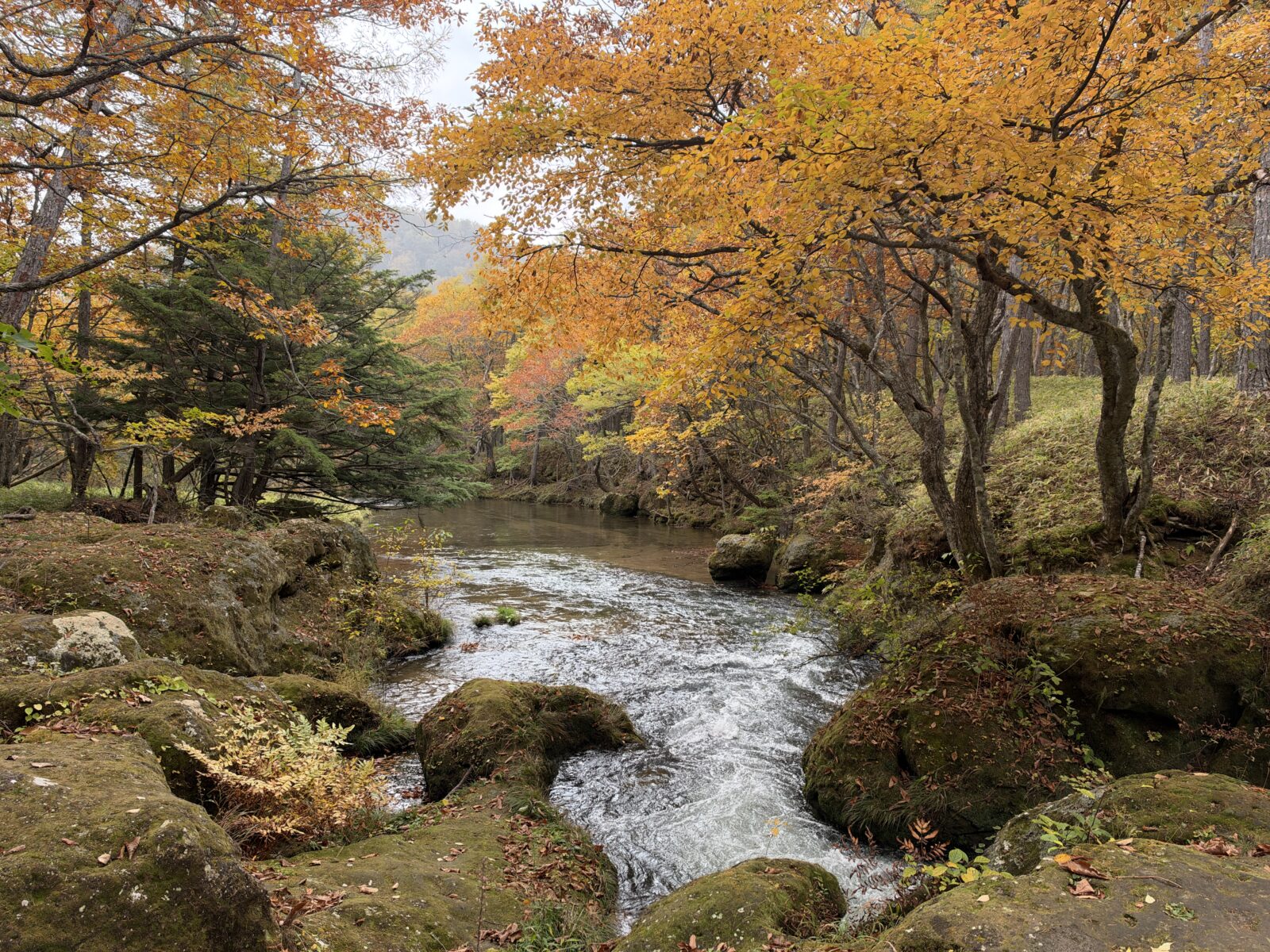
The next morning, I enjoyed an early walk beside Lake Yunoko before breakfast, then hiked past Yudaki Falls to Odashirogahara, finishing near Ryuzu Falls before heading back to Shinjuku.
I also made a video about the trip.
Nikko is a popular destination from Tokyo, whether for a day trip or a few nights away. I hadn’t been for about four years, so I wanted to see what it was like now. I had also missed Toshogu Shrine on my previous visit, and this time I wanted to make sure I went.
For this trip, I decided to spend one night in Oku-Nikko.
Why I took the train from Shinjuku
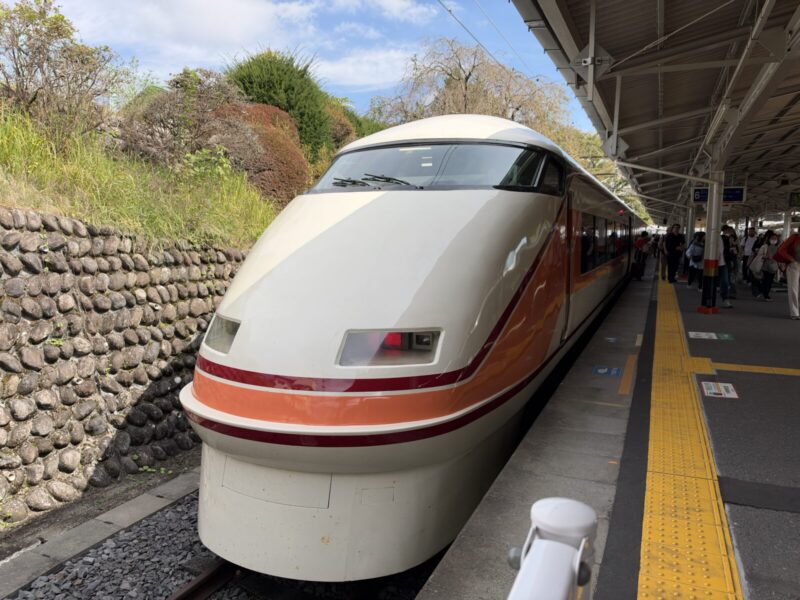
The usual route to Tobu-Nikko is on a Tobu train from Asakusa, but there is also a direct service from Shinjuku. Since I live near Shinjuku, that was more convenient for me.
The regular direct Nikko service runs once a day in each direction, although additional trains may operate on certain dates. My train left at around 9:30 in the morning. That felt a little late for the kind of day trip I wanted to do, which is why I hadn’t chosen it before. With an overnight stay, though, it worked for me.
I bought my train ticket separately through JR East’s online reservation service.
Before getting into the journey, there is one thing worth understanding about the passes. If you are travelling from Asakusa and exploring more of Nikko, the NIKKO PASS all area is an option to consider. It is designed for international visitors and is valid for four days. It includes a round trip between Asakusa and Shimo-Imaichi, travel within the designated Nikko area, and the Lake Chuzenji sightseeing cruise during its operating season. A limited express ticket costs extra.
The pass does not cover the direct train journey from Shinjuku. You can still use its included transport within Nikko, but you would not be using the Asakusa round-trip portion. There are also other passes marketed to domestic travellers, but for this trip I chose a separate train ticket and planned to buy a bus pass after arriving.
I hadn’t bought just the bus pass before, so I wanted to see how that worked in practice. I had also read that buying a Toshogu ticket online in advance could save time. Those were two things I would find out on this trip.
The SPACIA Journey
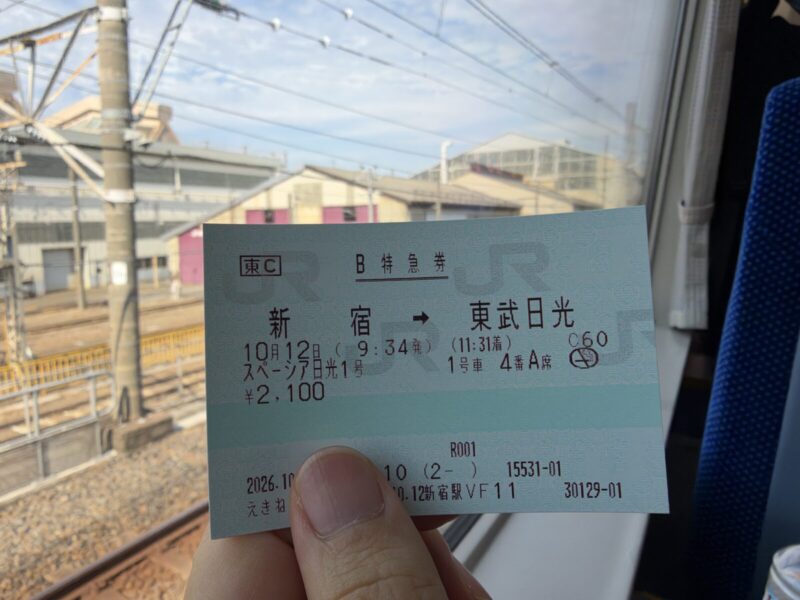
My train departed from platform 5 at Shinjuku Station. This platform is a little away from many of the others, so I would allow some extra time to reach it. It is in the same platform area used by the Narita Express.
The train was a Spacia, an older Tobu train dating back several decades. I found it very comfortable, with thick, well-padded seats.
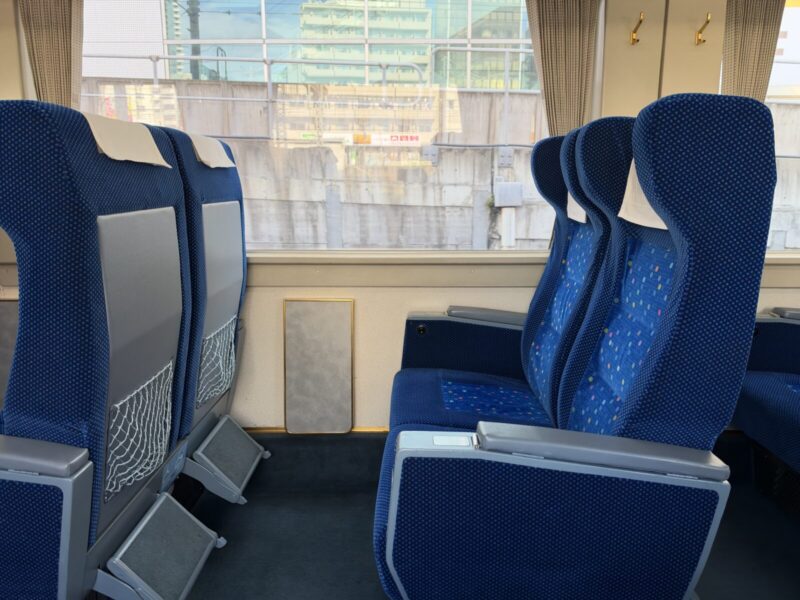
There were no vending machines for drinks or snacks on my train. If you want something for the journey, it is worth picking it up before boarding. There is a NewDays convenience store inside Shinjuku Station.
While on the train, I bought my Toshogu admission ticket through KKday. I had seen people recommend doing this in reviews, but I wasn’t sure whether it would really be necessary. Later, I was very glad I had.
Buying a bus pass at Tobu-Nikko Station
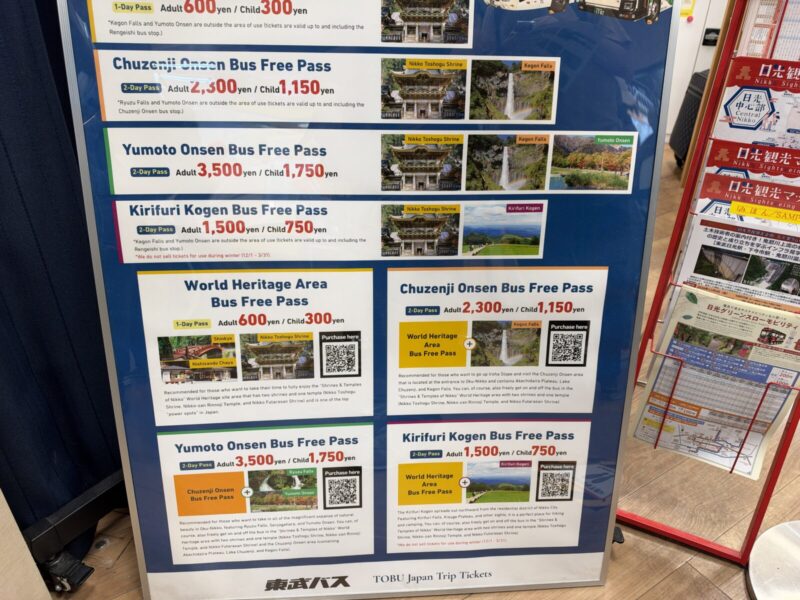
When I arrived at Tobu-Nikko Station, I went to the counter and bought a bus pass.
There are several passes covering different areas. For travel as far as Yumoto Onsen, the bus-only pass is valid for two days. That suited my overnight trip, although a longer stay would need some thought about additional tickets.
Digital versions are available too, including options that use a QR code. Personally, I found the paper pass easier. I could simply show it to the driver, without opening an app or bringing up a code each time. Of course, the one thing you do need to be careful about is not losing it.
A hot fried yuba manju before sightseeing
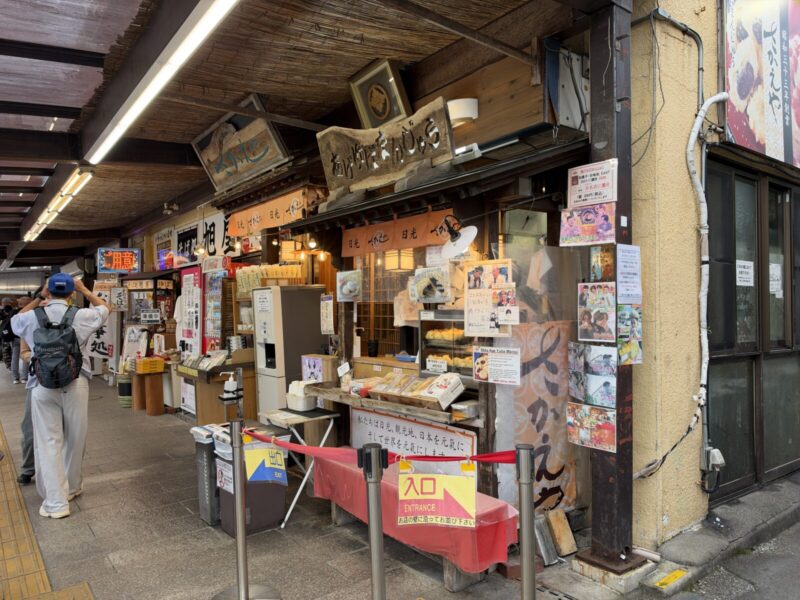
Right in front of Tobu-Nikko Station, I stopped for a fried yuba manju.
Yuba is the delicate skin that forms on the surface of heated soy milk. This manju had a sweet bean-paste filling, with a salty touch on the outside. I enjoyed that combination of sweet and salty.
The filling was very hot, so take a little care with the first bite.
Walking from Shinkyo Bridge to Toshogu
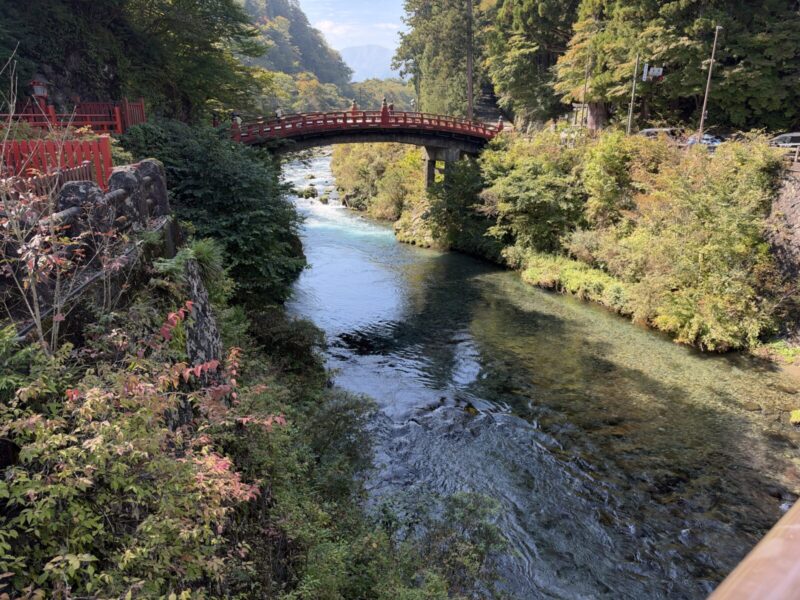
My first sightseeing stop was Toshogu Shrine. There are several bus stops you can use to reach it, but I got off at Shinkyo Bridge.
The name Shinkyo means “sacred bridge.” I was glad I chose this stop, because there were souvenir shops and other popular places around the bridge that I would have missed if I had stayed on the bus farther up.
From there, I walked to Toshogu.
Why I was glad I bought my Toshogu ticket in advance
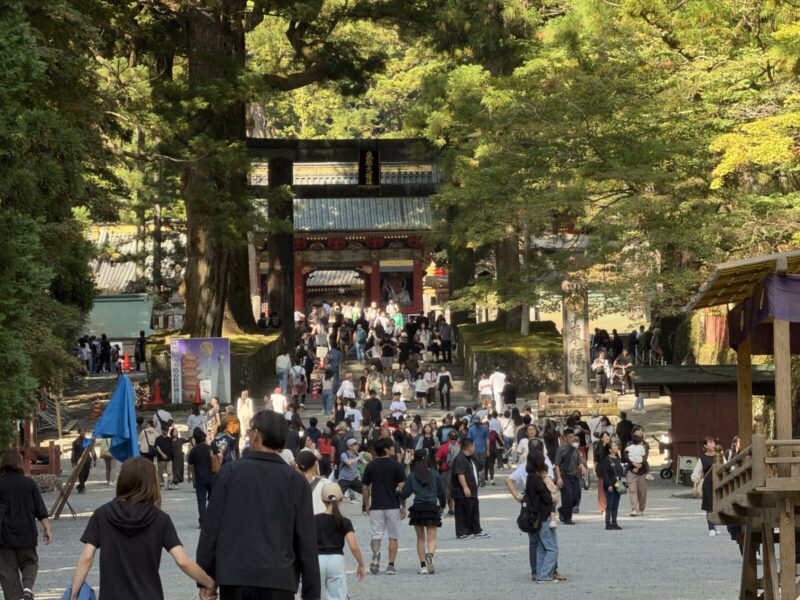
Toshogu was very busy. There was a long queue to buy tickets, and having mine already meant I could skip that queue.
You might be able to buy a ticket online after arriving, but I wouldn’t rely on it. I had no mobile reception once inside the shrine grounds. I don’t know whether that was because of my mobile network or the number of people there, but buying the ticket on the train saved me from having to worry about it.
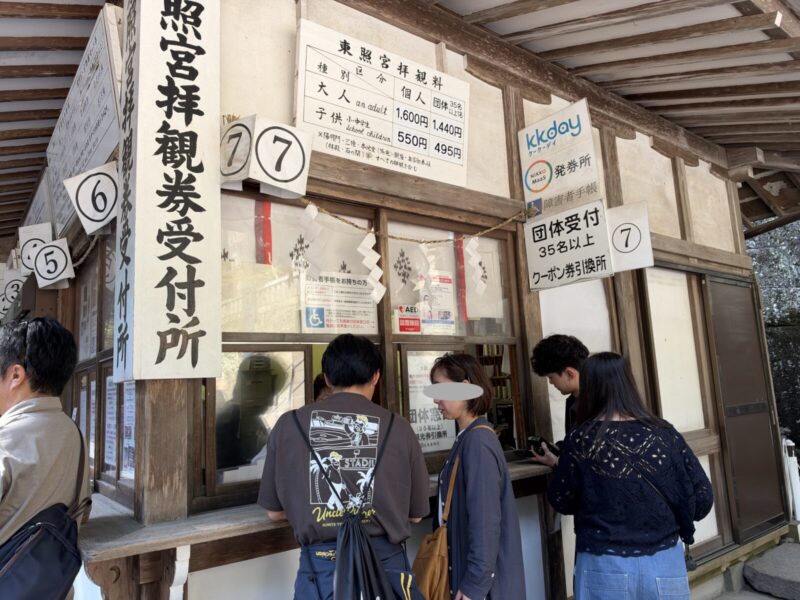
The ticket I bought did not require a specific entry time, which made it easier to fit into the day than a timed museum reservation. If you already know you are going, buying it ahead of arrival seems worthwhile to me.
It had been a long time since I last visited Toshogu. I think I appreciated it more as an adult than I did as a child. I could take more interest in the carvings and sculptures, as well as the beautiful surroundings.
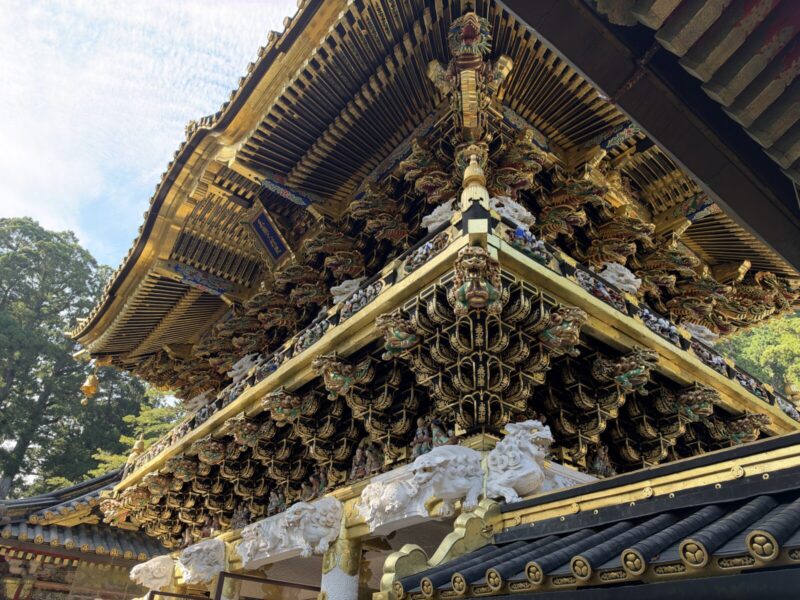
It is certainly busy, and it is one of the main attractions within Nikko’s World Heritage site. Even with the crowds, I thought it was worth visiting.
If you only visit Toshogu and Kegon Falls, though, you might come away thinking, “Nikko is such a crowded place.” I knew these were only part of Nikko, so the crowds here didn’t define the whole trip for me. I was still able to enjoy my visit.

I also visited nearby Futarasan Shrine, which was a good addition to the walk around Toshogu.
Another place I wanted to see was Kanmangafuchi Abyss, with its rows of Jizo statues beside the river. Unfortunately, I didn’t have enough time, as I had to catch the bus to Oku-Nikko.
Taking the bus to Oku-Nikko
After visiting the shrines, I boarded a bus heading towards Yumoto Onsen in Oku-Nikko.
Because I joined the bus along the route, rather than at the station, there were no seats left. I had to stand as it climbed the winding mountain road.
If getting a seat matters to you, returning to the station to board there may be worth considering, provided you have enough time. With a bus pass, you can make that extra journey within its covered area. It won’t guarantee a seat, but it gives you a better chance than joining an already crowded bus farther along.
A little preparation for the bus journey
I saw several difficulties involving suitcases, tickets and passes, and IC cards without enough balance. The driver’s response to some travellers was disappointing, and it made parts of the journey feel tense.
With my paper pass, I simply showed it to the driver. For QR-code passes, there was a separate reader on the right as you faced the payment equipment. Having the code ready and knowing where to scan it would have made things easier.
I also saw several passengers discover that their IC cards did not have enough money, and payment took extra time while everyone waited. Based on that experience, I would check my balance before boarding and have my ticket or pass ready. A little preparation can make the journey more comfortable.
Eventually, we reached Chuzenji Onsen, the stop for visiting Kegon Falls. I stayed on the bus and continued farther into Oku-Nikko.
Arriving in Yumoto, Oku-Nikko
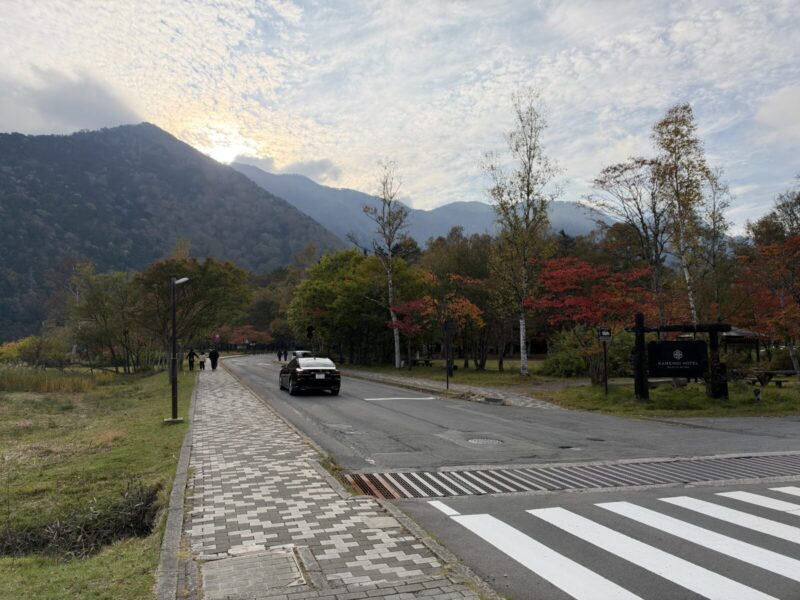
The bus journey from the Toshogu area to Yumoto in Oku-Nikko took roughly an hour to an hour and twenty minutes.
As soon as I arrived, I was happy I had come. There were far fewer people, much more nature, and the autumn colours were noticeably further along than around Toshogu. It felt like a very different part of Nikko.
A hotel I remembered from my school trip
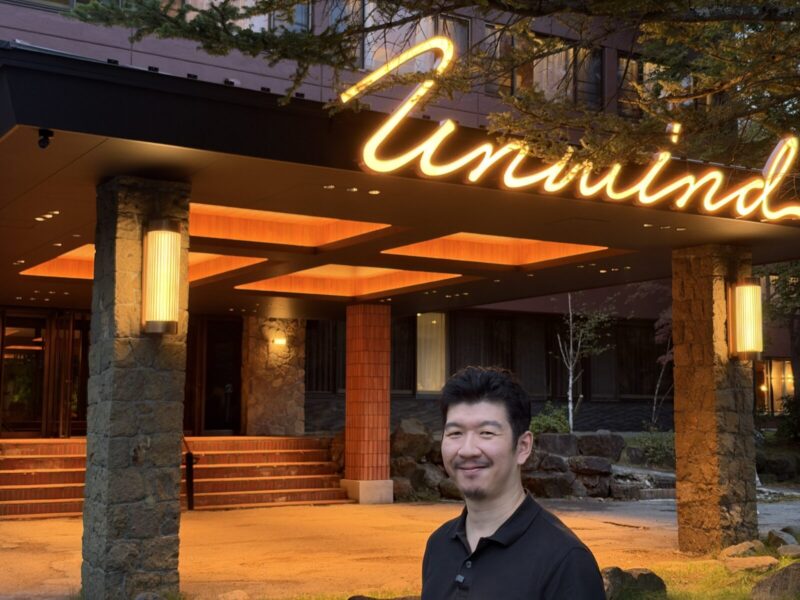
It was a short walk to the hotel I had booked, UNWIND HOTEL & BAR Oku-Nikko.
Check rates and availability on Expedia.
The building used to be the Oku-Nikko Konishi Hotel, and I remembered seeing it when I was in elementary school. On our school trip to Oku-Nikko, we stayed at the hotel next door. Even then, I was impressed by the quiet atmosphere and the appearance of the Konishi Hotel.
When I found that it had been renovated and reopened as UNWIND, I had a very good reason to finally stay there.
I booked only the day before my visit. For my stay, dinner needed to be reserved three days in advance, so I couldn’t book it. I was able to book the room with breakfast, though.
I was excited, but also a little nervous about what they might have done to the building I remembered.
As soon as I stepped inside, I was impressed. It felt modern in just the way I had hoped, while keeping the retro atmosphere and the red-brick character I associated with the old Konishi Hotel.
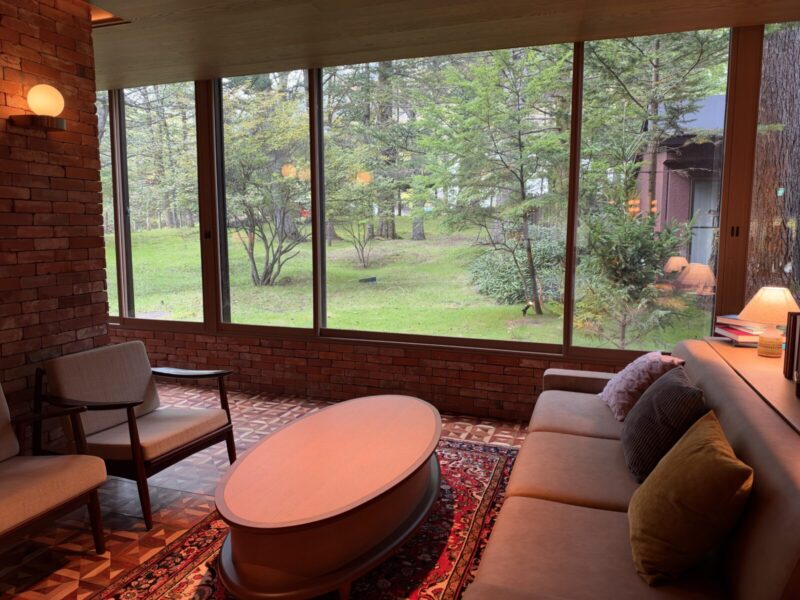
The staff were very kind. They immediately showed us to seats for check-in, and then we went to our room.
A room that felt carefully thought through
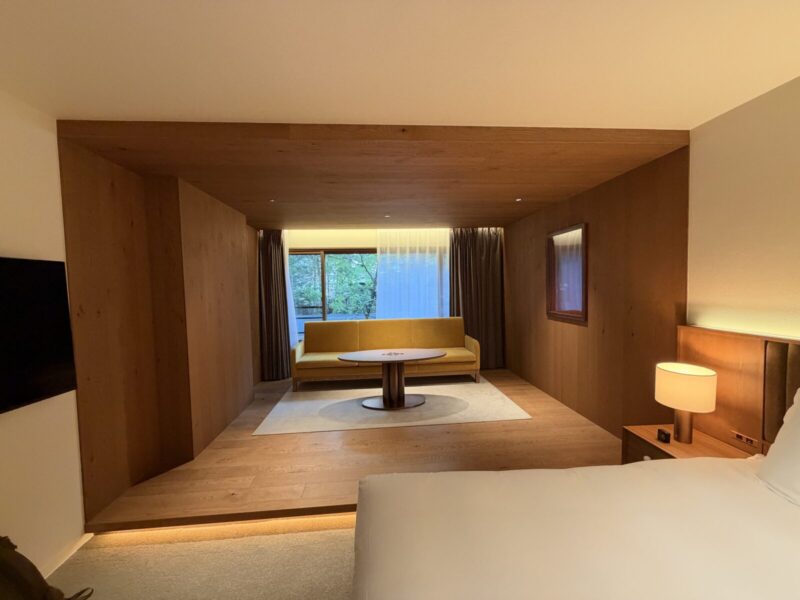
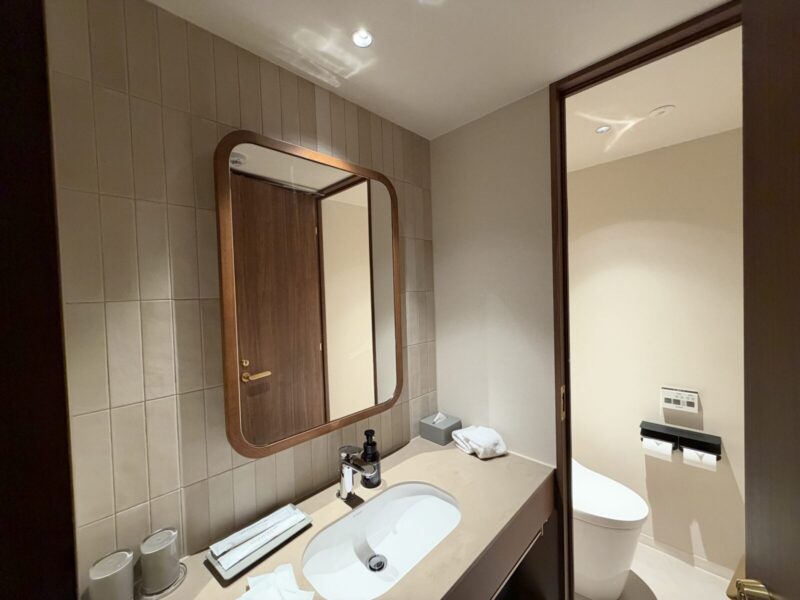
The room was very spacious. I loved the design: the colours, the materials, and the way everything came together. For my taste, it was hard to imagine it being much better.
The bed was soft and comfortable, which stood out to me because I often find beds in Japan rather firm. There were even two pillows per bed.
I could see where the room had been renovated, and there was a generous amount of space by the window. It was simply a comfortable place to spend time.
The smaller details also made an impression on me. The electric kettle and mugs suited the room, and even the coffee had names that fitted the setting: Misty Lake Blend and Sunny Lodge Blend.
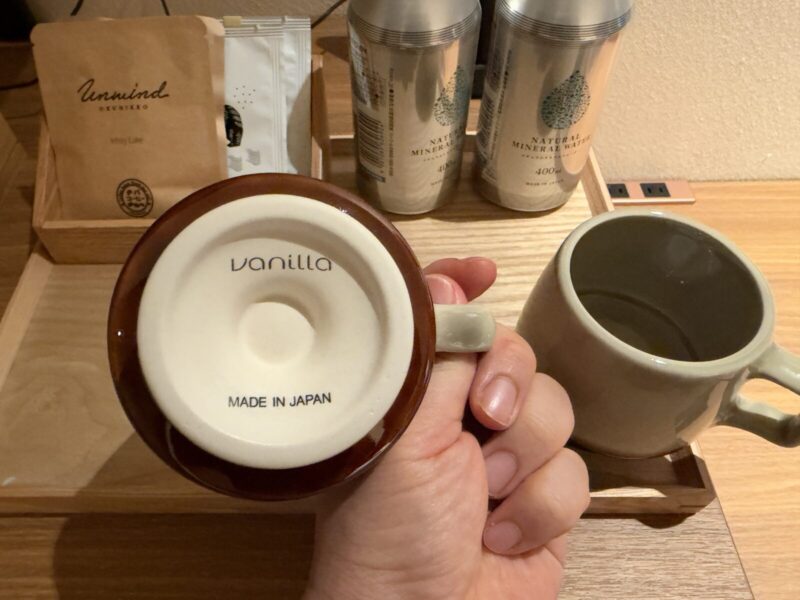
It felt as though the people behind the hotel understood what guests coming to a place like this would enjoy. The atmosphere was carried through to those little things.
An evening walk, and what I did for dinner
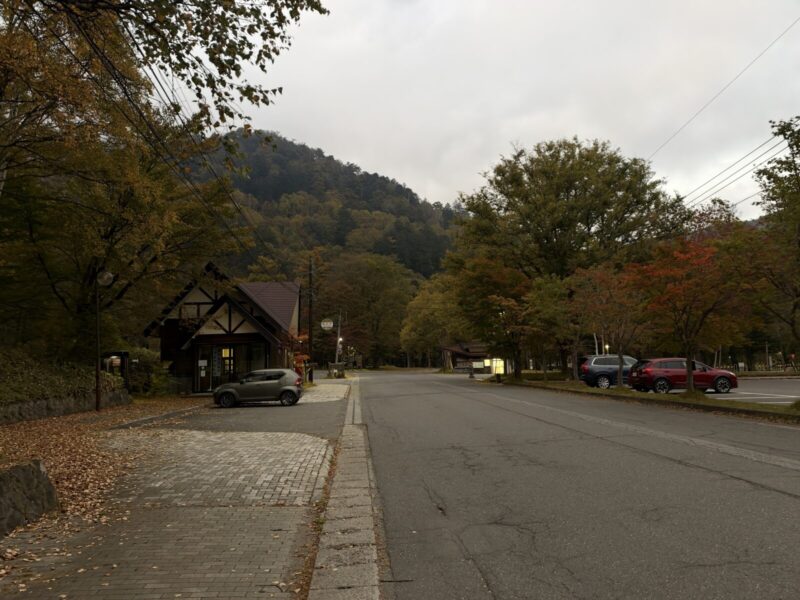
After settling in, I went for a short stroll around Yumoto. Once again, I was glad I had continued all the way to Oku-Nikko. It was quiet, with lovely autumn scenery.
Since I hadn’t been able to reserve dinner, I had bought a bento at Tobu-Nikko Station. It wasn’t particularly great.
I also tried the pasta available in the hotel lobby. It cost around ¥3,000, and I heated it in the microwave myself. That was certainly a marked-up price, but I could accept it in the circumstances. At least the hotel offered something for guests who didn’t have a dinner reservation.
I saw other guests eating the pasta in the lobby too. It was fine as a way to have something to eat, but it wasn’t a particularly memorable dinner experience.
I found very little available for dinner around Yumoto. Based on my experience, I would either book a plan with dinner or make sure I had something prepared.
My disappointment with the bathing areas
One part of the hotel I do need to mention is the communal hot-spring bath.
Although much of the hotel had been renovated, the bath area appeared to have been left as it was. That was disappointing, because it was one of the most important parts of the stay for me.
It felt very dated, and I didn’t feel particularly comfortable with its cleanliness. The bath was also a little small.
I really like the milky-white hot-spring water in Oku-Nikko. In a bath where I felt more comfortable, I would probably have gone back many times during my stay. Here, I used it only twice.
At the same time, I found myself thinking that if they renovated the baths to the same design standard as the rest of the hotel, it might become a much more expensive place to stay. The price I paid for this visit didn’t feel especially high.
The shower area in the room also appeared not to have been renovated.
I would definitely like to return to this hotel. I loved a great deal about it, but I did feel the bathrooms and bathing areas could have been better.
An early morning by Lake Yunoko
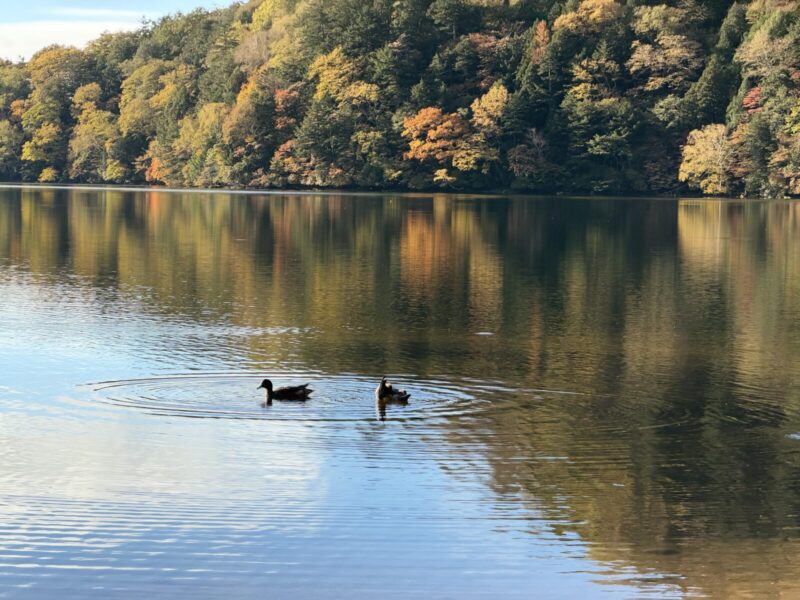
One of the best things about staying overnight in Oku-Nikko was being able to go out early, before many other people were around.
Walking beside Lake Yunoko that morning was wonderful. It was very quiet, and all I could hear were the birds. The orange and yellow autumn leaves were reflected in the water.
That was one of the lovely moments of this trip.
Breakfast back at the hotel

After my walk, I went back to the hotel for breakfast and a nice coffee.
Breakfast combined a set plate with a buffet counter. There were soups, including a creamy milk chowder and minestrone, along with bread and scones. I could go back for more, and I certainly did.
I saw another guest have about four bowls of the chowder. He seemed to be enjoying it very much. I had three bowls of minestrone myself, so I could understand the enthusiasm.
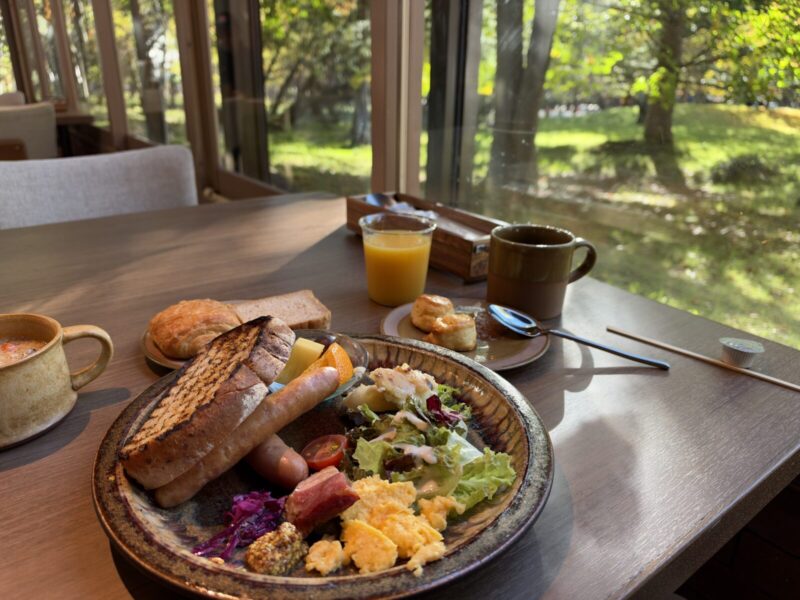
The set plate included two sausages and bacon, and the breakfast featured local ingredients from the Nasu Highlands area of Tochigi. I enjoyed having that local connection in the meal.
I also heard an older Japanese guest comment that there wasn’t any Japanese food. If you don’t enjoy bread or a Western-style breakfast, it might not be the best fit. For me, though, it was a very enjoyable breakfast.
A slow breakfast before the hike
I ended up spending about two hours at breakfast. With the sunlight coming in and the scenery outside, it was such a comfortable place to sit. But I did need to get going.
Hotel details and availability on Expedia
I left at around nine, a little later than I had planned, and stopped at the Oku-Nikko Visitor Center before heading onto the trail.
Checking the bear sightings
At the visitor center, I found out that a bear had been seen two days earlier near Lake Sainoko, west of Lake Chuzenji. That was some distance from the route I planned to walk, so that particular sighting didn’t worry me as much. However, there had also been a sighting in September on the boardwalk around Odashirogahara, where I was heading that day.
Those were the reports I checked before this particular walk, rather than an indication that the trail was free of bears.
Along Lake Yunoko to Yudaki Falls
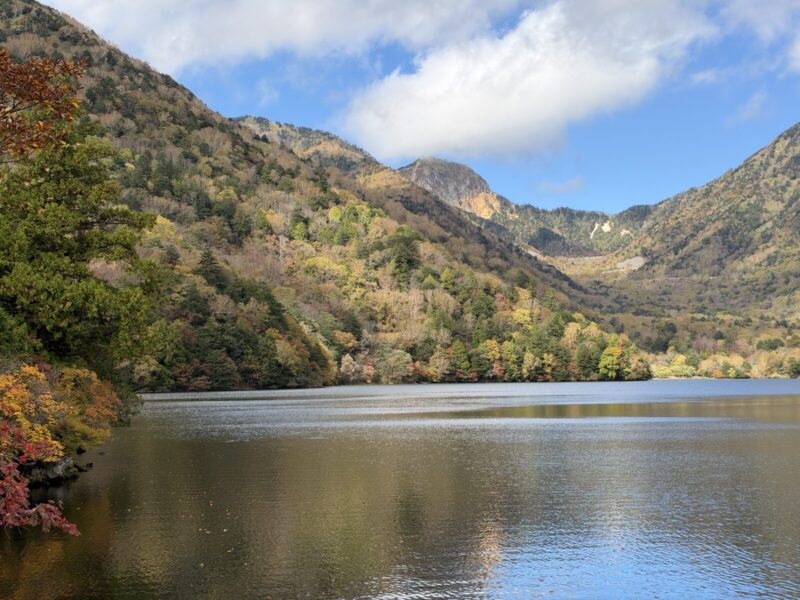
I started by walking beside Lake Yunoko. There was also a large group of American travellers walking behind me.
Before long, I reached the top of Yudaki Falls. Looking back across the lake was wonderful: I could see Mount Shirane in the distance and the pale stretch of shore where I had been earlier that morning.
I then followed the path down beside the waterfall, listening to the sound of the water as I went.
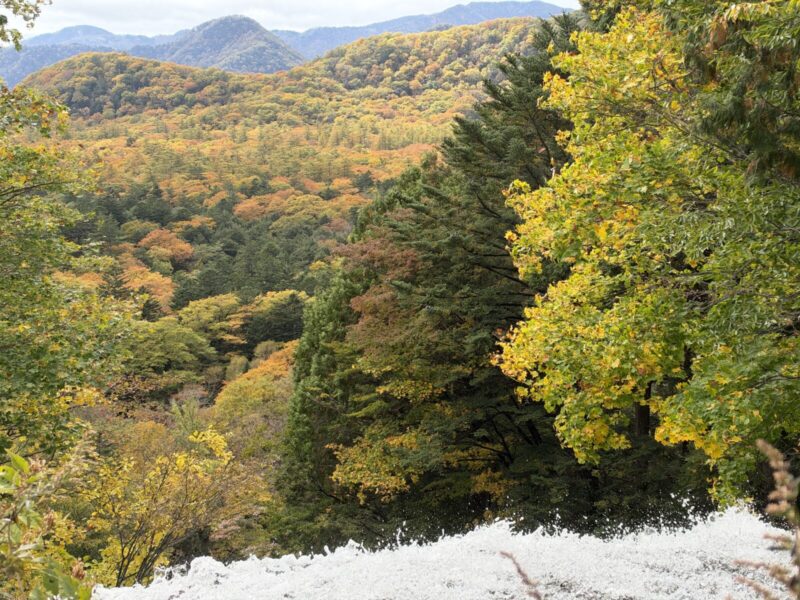
Yudaki might be my favourite waterfall in Nikko. There is something intimate about its natural setting, but the waterfall itself is powerful and dramatic. I think it is a place many travellers overlook.
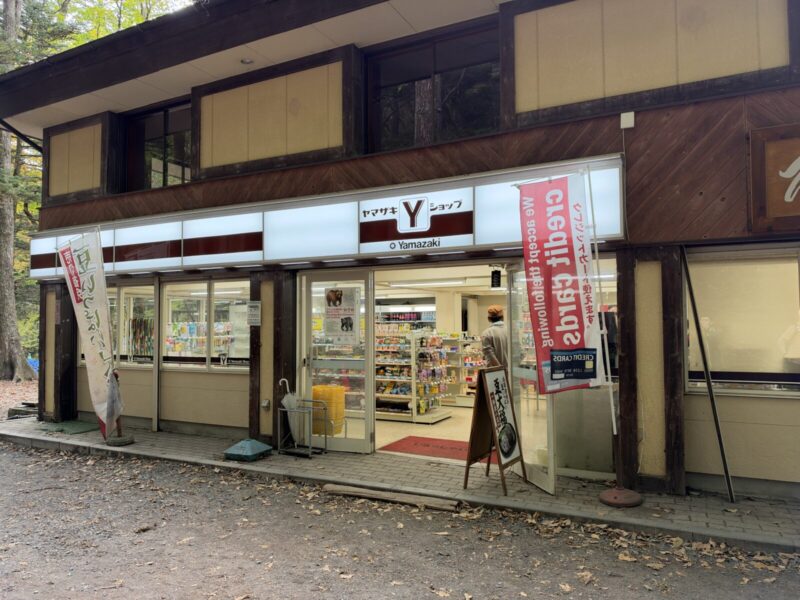
At the bottom was Yudaki Rest House, where you could buy souvenirs or have a drink. To my surprise, there was also a Daily Yamazaki convenience store. I picked up a protein drink and a yomogi manju, a mugwort-flavoured bun, to have later.
From there, I continued towards Senjogahara.
Turning towards Odashirogahara

The boardwalk was easy to follow through the beautiful surroundings. The views didn’t open up very much at first, but it was still an enjoyable walk.
At Izumiyadoike Pond, I turned right towards Odashirogahara.
I chose this route because I hadn’t walked it before, and I wanted to show my YouTube viewers some different scenery. The trade-off was that I would miss the main route across Senjogahara. I wasn’t sure how the views would compare, and this was also a slightly longer way to go.
The path was beautiful, with low bamboo grass continuing through the woodland. As the weather brightened, the yellow autumn leaves looked particularly lovely.
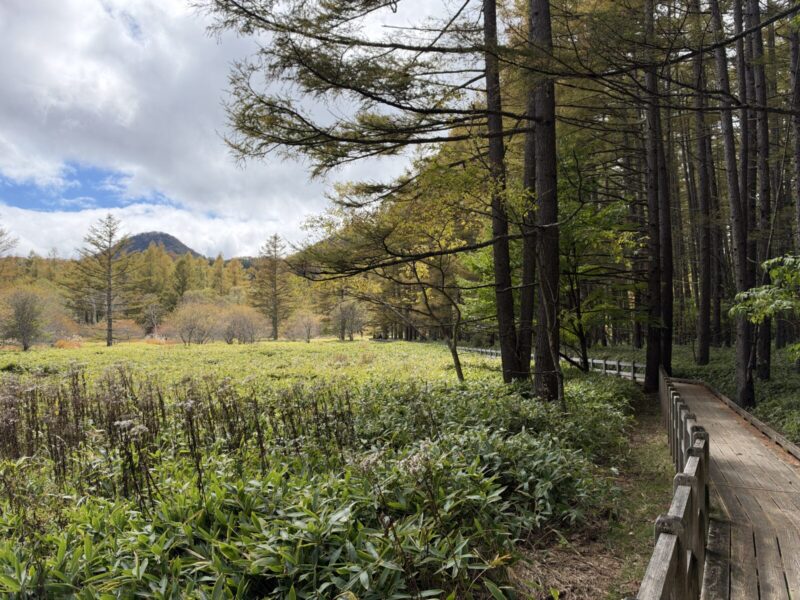
As I approached Odashirogahara, the landscape began to open out, with mountains visible in the distance.
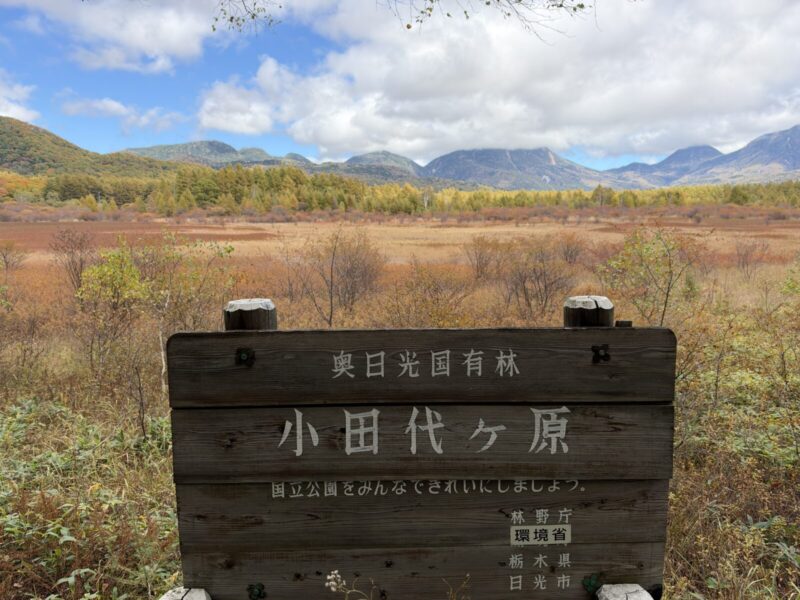
The area is known for kusamomiji: the autumn colours of the wetland grasses and other low-growing plants, which tend to change before the trees. I couldn’t identify exactly what I was looking at, but I knew it was beautiful.
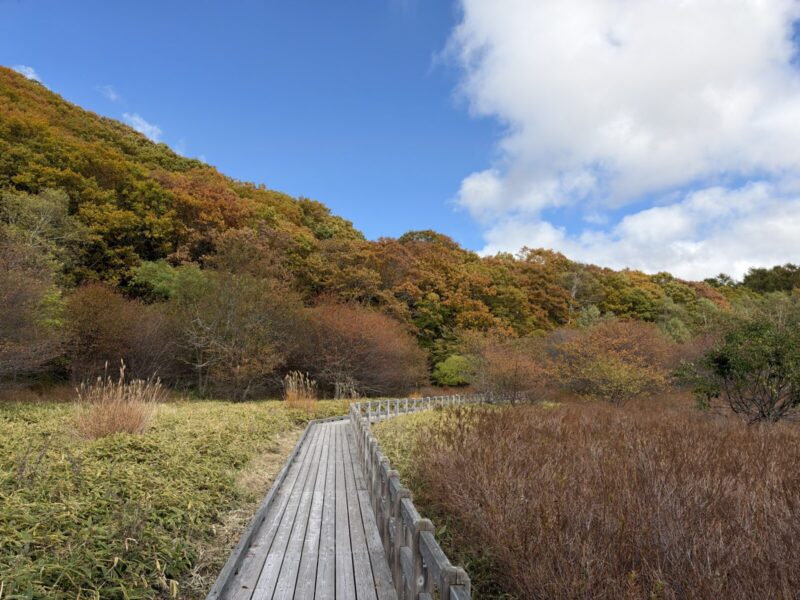
There were also far fewer people along this route. In many places, I had the scenery all to myself. I could enjoy the quiet without other people’s loud conversations interrupting it, which sometimes happens when travelling.
There is also a low-emission bus connecting Odashirogahara with Akanuma, near Senjogahara. I could have used that to return, but I decided to walk. If you mainly want to see Odashirogahara, the bus offers another way to reach it from Akanuma without walking the whole route I took.

The route eventually joined the route from Senjogahara, and I see more people are on the route.
Which route would I choose next time?
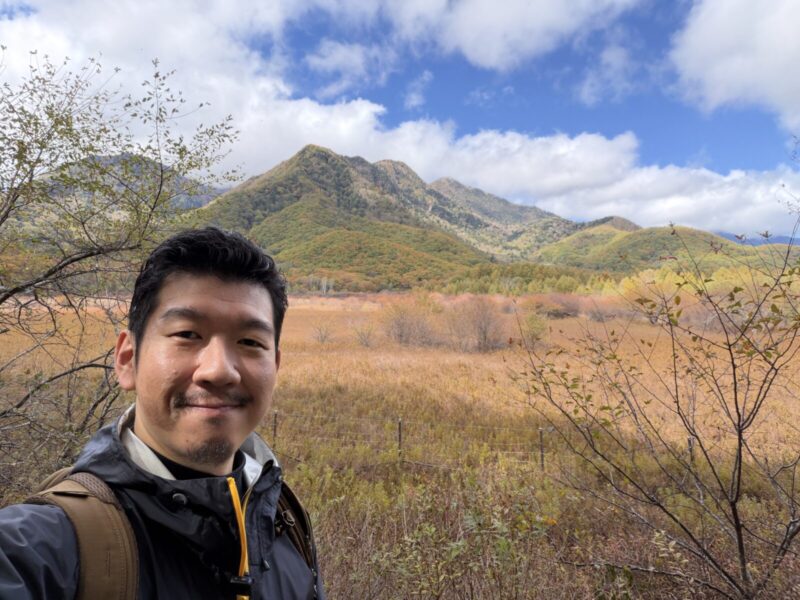
To be honest, the stretch from Odashirogahara back towards the point where the route rejoined the Senjogahara trail wasn’t as interesting to me.
It was mostly woodland, with sunlight filtering through the trees and more low bamboo grass. It was pleasant enough, but after a while the scenery felt repetitive. As I kept walking through much the same surroundings, my mind started wandering into less cheerful thoughts.
I wouldn’t call that connecting stretch a must-do.
For a first visit, I think I would lean towards the main Senjogahara route. It is a little more straightforward and has more wide-open views, although there are more people.
Still, I would like to return to both. Odashirogahara gave me some beautiful scenery and quiet moments, even if I didn’t find every part of the longer walk equally rewarding.
Back to Tobu-Nikko by bus
I finished my walk at the bus stop just above Ryuzu Falls and caught a bus back to Tobu-Nikko Station.
I reached the stop earlier than I had expected. I hadn’t checked the timetable, but a bus arrived about five minutes later, so I was lucky.
It had started to drizzle, which made the timing even better. By the time I arrived back at Tobu-Nikko Station, the weather had cleared.
Buying my ticket back to Shinjuku
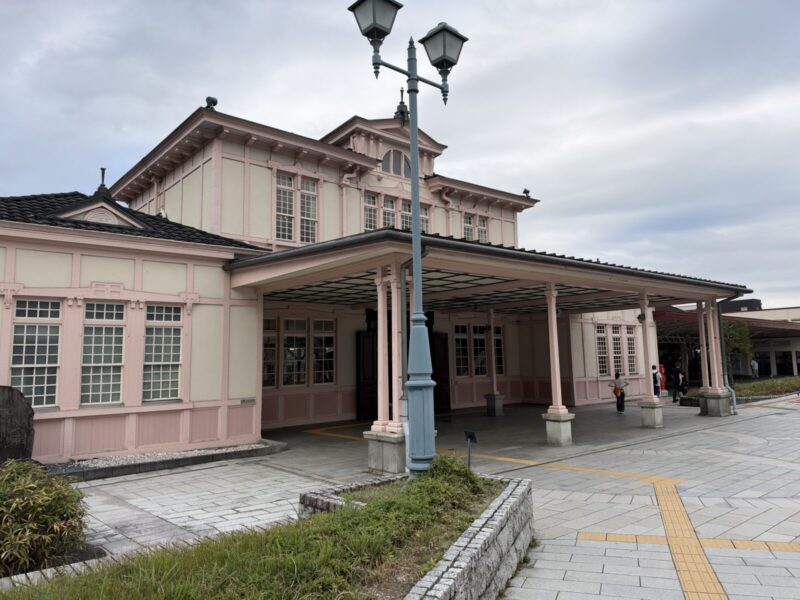
I still needed to buy my train ticket home.
For Asakusa, tickets were available at the Tobu station counter and ticket machines. Several of the limited express trains appeared to be fully booked, though.
I had seen trains showing as full online, while the station displays suggested there were still some options. One possibility involved taking a local train to Shimo-Imaichi and transferring there to a limited express arriving from the Kinugawa direction. It was useful to know that a direct train from Tobu-Nikko wasn’t necessarily the only option.
In my case, I wanted to go back to Shinjuku. The fare was a little higher because the journey also uses JR lines, but considering the extra journey from Asakusa to Shinjuku, the direct service made more sense for me.
I asked to buy the ticket at the Tobu counter, but I was told I couldn’t pay by credit card for that ticket there. Cash was an option. Since I wanted to use my card, the staff directed me to JR Nikko Station, about a three- to five-minute walk away.
I walked over, and the staff at JR Nikko kindly sold me the ticket.
The part that can be confusing is that I bought the ticket at JR Nikko Station, but my train still departed from Tobu-Nikko Station. After buying it, I needed to go back to the Tobu station.
For this JR–Tobu through service, the online booking route is JR East’s reservation service, rather than Tobu’s own limited express booking site. Paper tickets booked through JR need to be collected at an eligible JR station before boarding. In Nikko, that means going to JR Nikko Station for collection, then Tobu-Nikko Station to catch the train.
I was almost tempted to take a local JR train to Utsunomiya and continue on the Shonan-Shinjuku Line or the Shinkansen instead. But for the comfortable journey I wanted, I preferred the direct limited express from Tobu-Nikko.
A chicken bento for the journey home
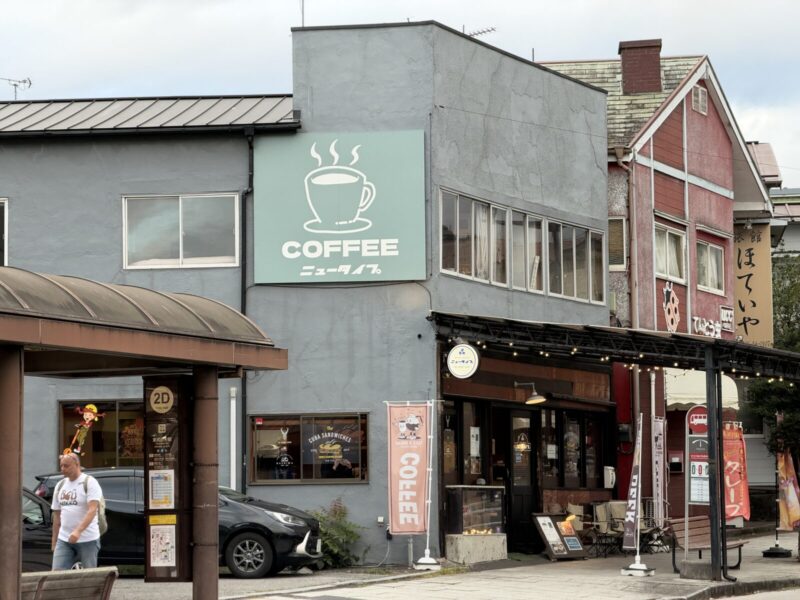
I had some time before departure, so I walked around the station area. There were a few coffee shops, and it was a pleasant place for a short stroll.
Am I eating another Age-Yuba manju? That’s what I was thinking on the bus, but I didn’t.
I also bought a chicken bento made with chicken from Tochigi. It had a seasoned egg, soboro minced chicken, and pieces of cooked chicken.
It was really good. I would happily eat it again.
Some of the station bentos I have bought recently at Tokyo Station have felt expensive without being especially enjoyable. This one from Tobu-Nikko was different: I enjoyed everything in it, and it didn’t feel particularly expensive.
What made the overnight trip worthwhile
Nikko can certainly be busy, but that wasn’t the whole experience of this trip.
The shrines may not be somewhere I feel the need to visit repeatedly. The nature, though, is something I want to come back to again and again. Next time I would like to try another trail, or perhaps go up Mount Shirane.
Staying overnight was a very good choice for me. I could see more, enjoy the quiet early morning, and have time to relax rather than fit everything into a day trip.
Official links for planning this trip
- NIKKO PASS all area — Tobu Railway
- Nikko bus routes and free-pass coverage — Tobu Bus (English PDF)
- Bus information and timetables — Tobu Railway (English)
- Train ticket purchasing and collection — JR East (English)
- Odashirogahara low-emission bus — Nikko Natural Science Museum (English)
This is an account of my visit. Transport services, ticket conditions, hotel meal arrangements and trail conditions may change. The bear reports mentioned above relate to the information I checked during this trip.

