This post contains affiliate links. If you book through them, I may earn a small commission at no extra cost to you. Learn more.
Nyuto Onsen has long been a place Japanese people dream of visiting. It sits deep in the snowy mountains of Akita, where the snow piles up higher than I am tall on both sides of the road. A milky-white natural hot spring in the middle of all that snow? Of course it’s going to be the best.
Many of the baths at Nyuto Onsen are mixed-gender outdoor baths, though, and I’m the kind of person who prefers to bathe alone. So this time I booked Yamanoyado, an inn where you can have the baths all to yourself. The ryokan at Nyuto Onsen are very hard to book, and some need a reservation six months to a year ahead, so keep that in mind. I just happened to find an opening a few weeks before, so I was able to go.
I went in the middle of winter, in early 2025. From Tokyo it took me about five hours: the Akita Shinkansen Komachi to Tazawako Station, then two buses up into the mountains. I spent one night at Yamanoyado, the annex of the famous Tsurunoyu Onsen, and took the shuttle to Tsurunoyu’s old main building in the snow at night. After Nyuto Onsen I continued to Kakunodate, Yokote and Akita City, which you can read about in my Akita travel guide.
Map of Tazawako Station
Getting to Nyuto Onsen from Tokyo
The trip started at a busy Tokyo Station. Something we can’t forget here is an ekiben, a lunch box made specially for eating on the train, and Japan is a little obsessed with them. At the big bento shop in the central concourse you’ll find around a hundred kinds from all over Japan. It was very difficult to decide, so I just picked the same one as the person in front of me, since he seemed confident in his choice.
I took the red Akita Shinkansen Komachi, which runs coupled to the Hayabusa going toward Aomori and Hokkaido as far as Morioka. The Komachi is called a mini shinkansen because after Morioka it runs on local tracks, so the train body is a little narrower. From Tokyo to Tazawako Station it takes a little under three hours, depending on the train.
That winter there had been many snowstorms, and my train came late. Right after leaving Tokyo there was an announcement at Ueno Station: a plastic sheet was stuck on the overhead wires near Oyama, and we stopped at Ueno for a while before the operation resumed. The lady next to me was curious about what I was filming, and we ended up talking the whole way to Morioka, so it was a fun ride.
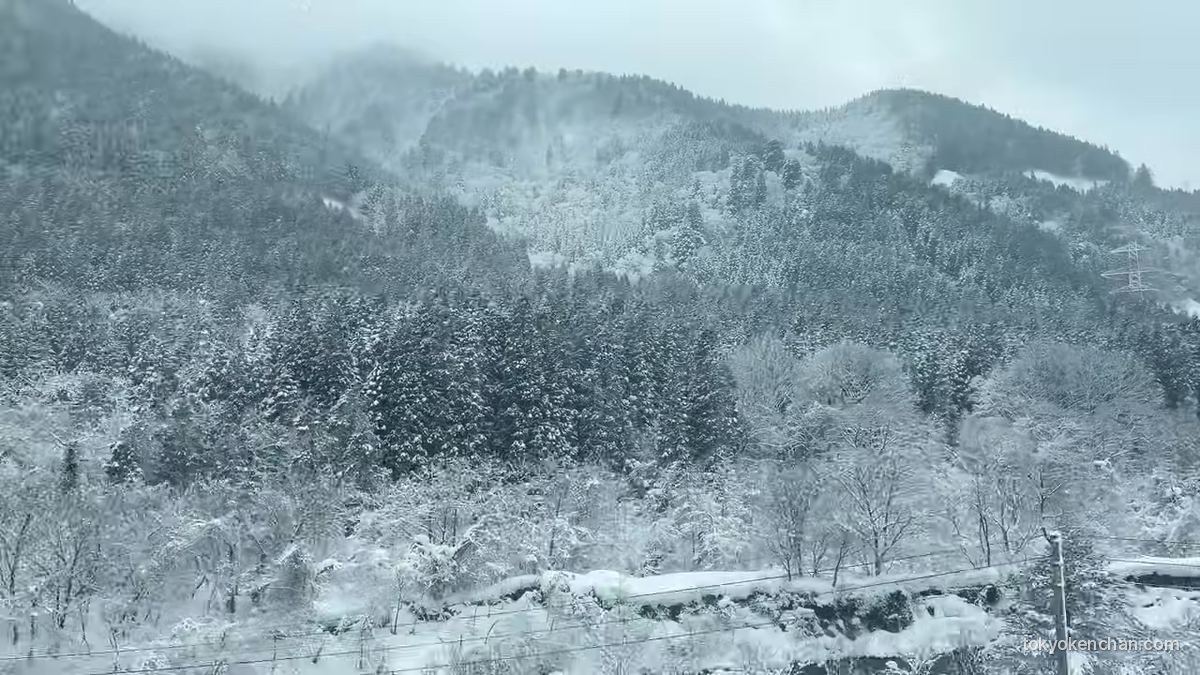
At Morioka the train changes direction to the west and leaves the shinkansen tracks for the local Tazawako Line, and soon the snow gets deeper and deeper. In winter, moist clouds from the Sea of Japan are blown inland and turn into heavy snow when they hit the mountains, while the Pacific side, like Tokyo, stays dry and sunny. If you are visiting from abroad, the Komachi is covered by the JR Pass and by the JR East Pass.
Tazawako Station and the Bus to Alpa Komakusa
I arrived at Tazawako Station about 40 minutes late, so I ended up on a bus about 70 minutes later than I had planned. Coming from always-sunny Tokyo, it was beyond my imagination what winter is like here. I had already learned in Joetsu that regular shoes don’t work in snow country, so I grabbed a pair of snow boots for about 20 dollars just in case. They turned out to be a must, and I also squeezed one old pair of shoes into my backpack so I could change later, which was very helpful.
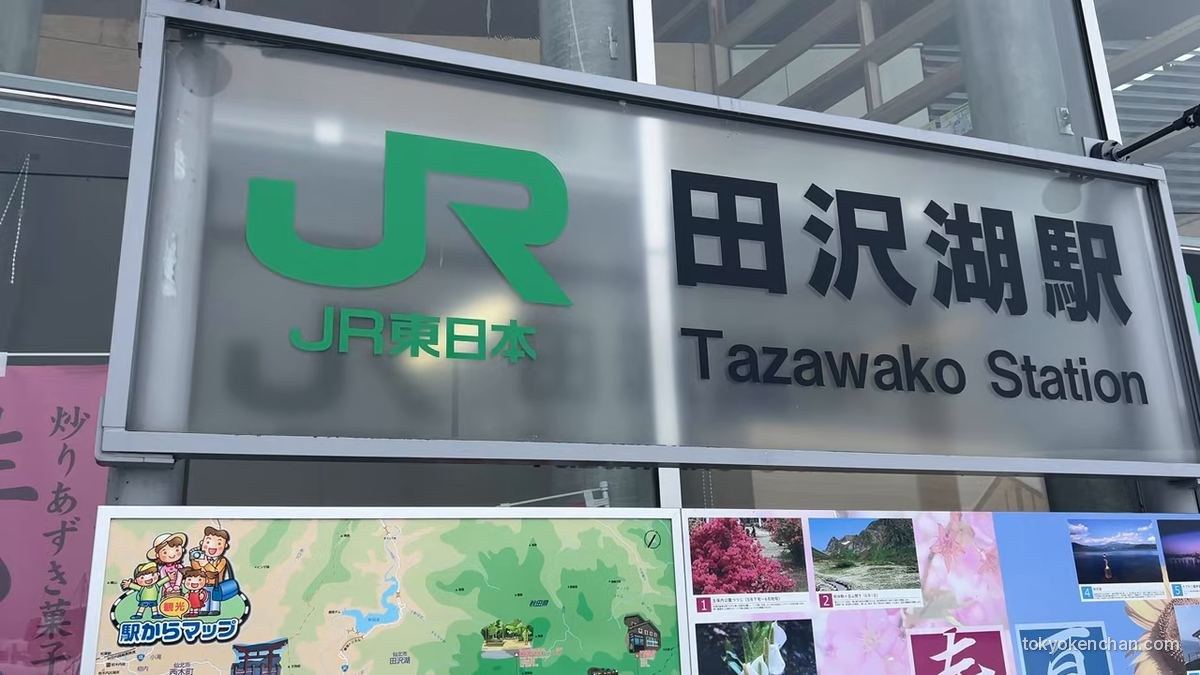
From the bus stop in front of the station, I took the Ugo Kotsu local bus bound for Nyuto Onsen. You can pay with a contactless credit card by touching when you get on and off. The bus goes past Lake Tazawa, the deepest lake in Japan, and then the snow gets deeper and deeper, until the bus stops are almost buried and the roofs are covered in thick snow.
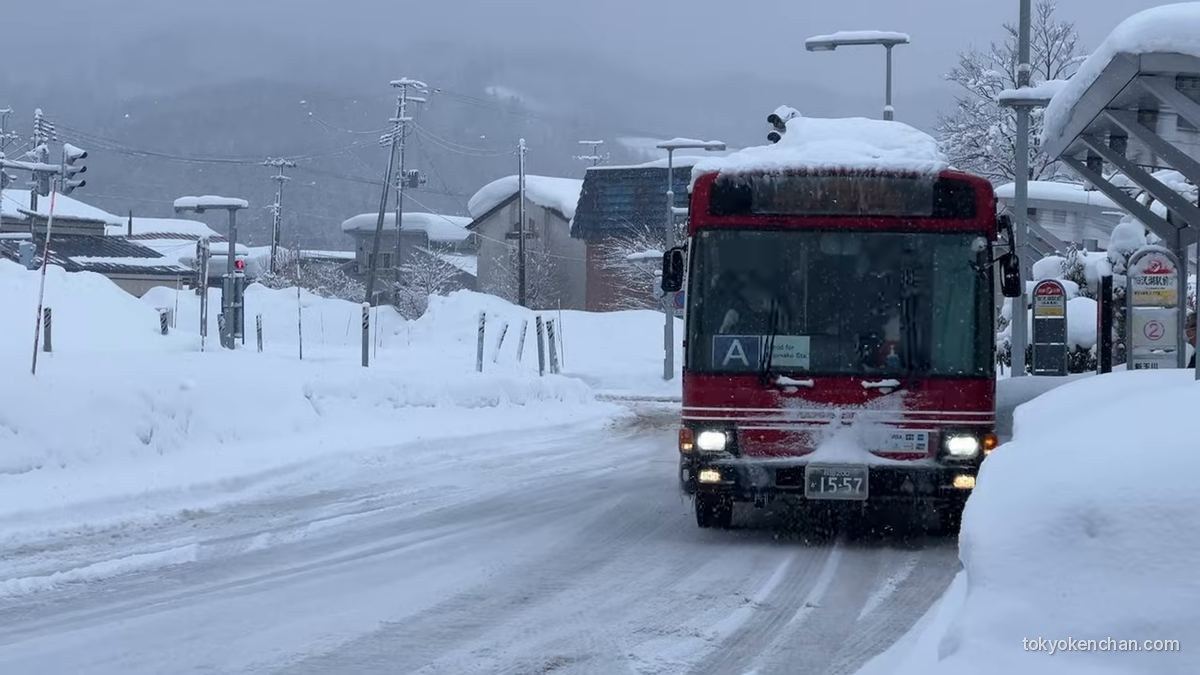
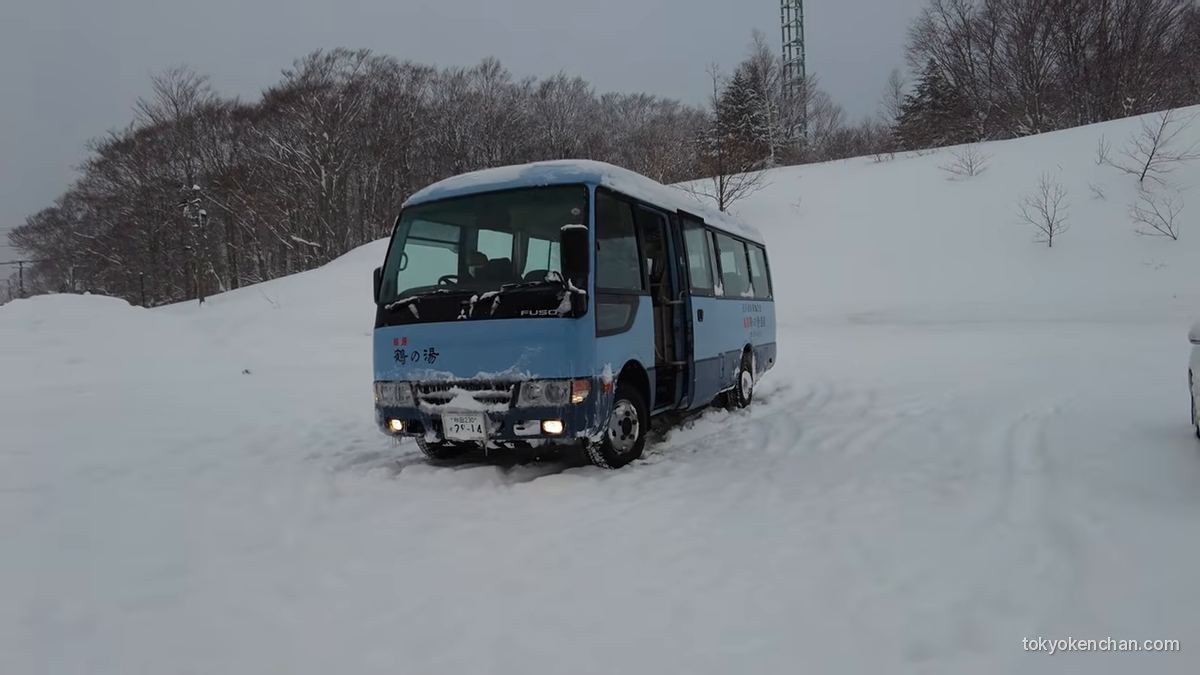
For Tsurunoyu and Yamanoyado, you get off at the Alpa Komakusa stop and change to the inn’s own shuttle. According to the Ugo Kotsu timetable, the Nyuto Line runs about once an hour and takes about 35 minutes from Tazawako Station to Alpa Komakusa. The inn asks you to call from Tazawako Station and tell them which bus you are taking, so they can pick you up.
Yamanoyado: The Mountain Lodge of Tsurunoyu
There are seven Japanese-style inns in Nyuto Onsen. The most iconic is Tsurunoyu, whose outdoor bath is shared by men and women. Photos of it covered in snow are often used as a symbol of the Tohoku hot spring experience. This time, though, I stayed at the annex called Yamanoyado, the Mountain Lodge, about five minutes from the main building by shuttle bus.
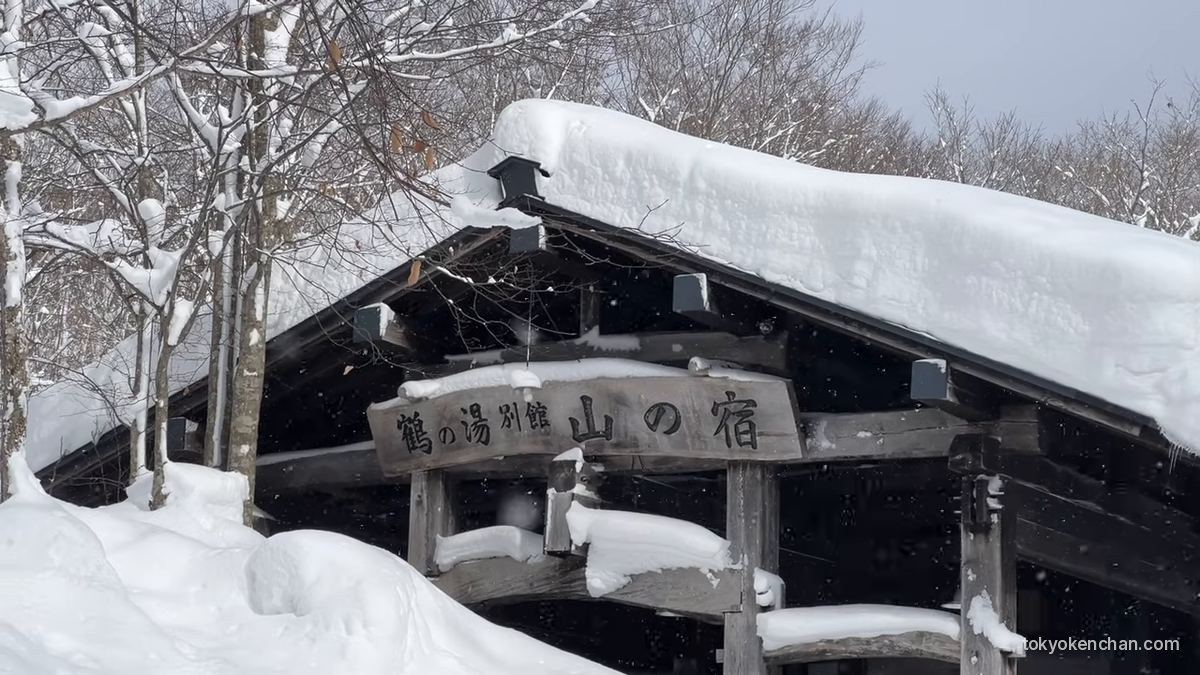
The lodge was built entirely from local trees in Tazawa by local carpenters, and there are only about ten rooms in total. The guest room building is separated by a long corridor, so it’s very quiet with a calm atmosphere. My room also had a hori-gotatsu, a sunken table where you can sit like on a chair.
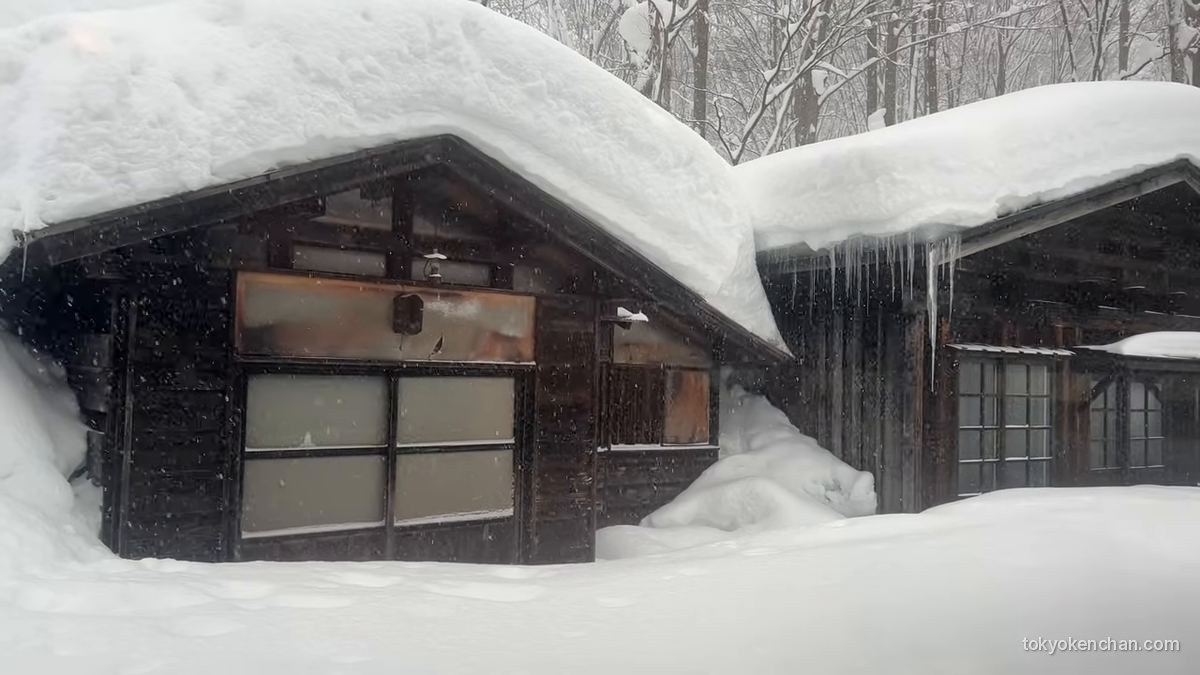
The Private Baths
The key feature of this inn is that you can use the baths privately, without sharing with anyone. I think that’s a big advantage for visitors from abroad who are not used to Japanese hot springs. On the way to the bath area there is a key for each bath, and when I arrived, all three were available, so I went to the outdoor bath while it was still bright outside.
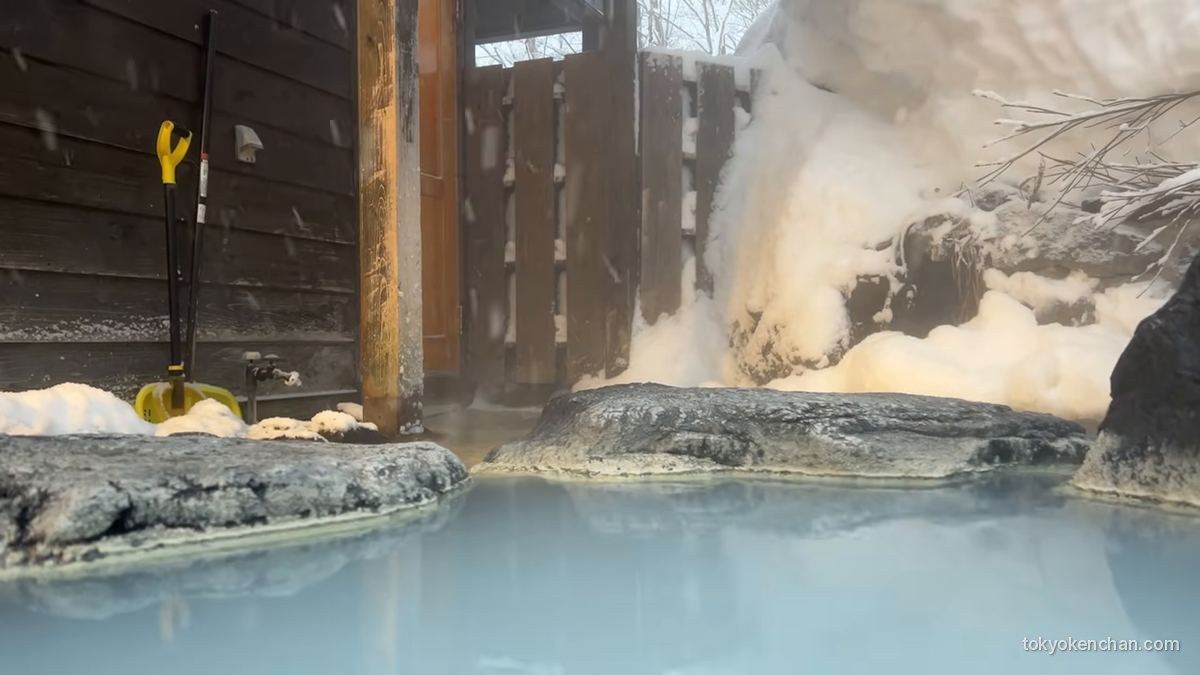
There is only a changing room, with no hot tub or shower inside, so it’s very cold. You take off all your clothes and walk out into the wild air to the bath, totally naked. The bath is gensen kakenagashi, which means fresh natural hot spring water flows into the tub endlessly and rolls out. With snow falling gently around me, steam rising, and the smell of the hot spring and the dry, fresh winter air, it was like heaven.
They also have indoor baths, so I tried one too. It was very warm and became my favorite. With only about ten rooms, I never saw a time when all the keys were gone. According to the official Yamanoyado page (Japanese), there are two indoor baths and one outdoor bath for private use. You can’t reserve them; you just lock the door from inside when one is free.
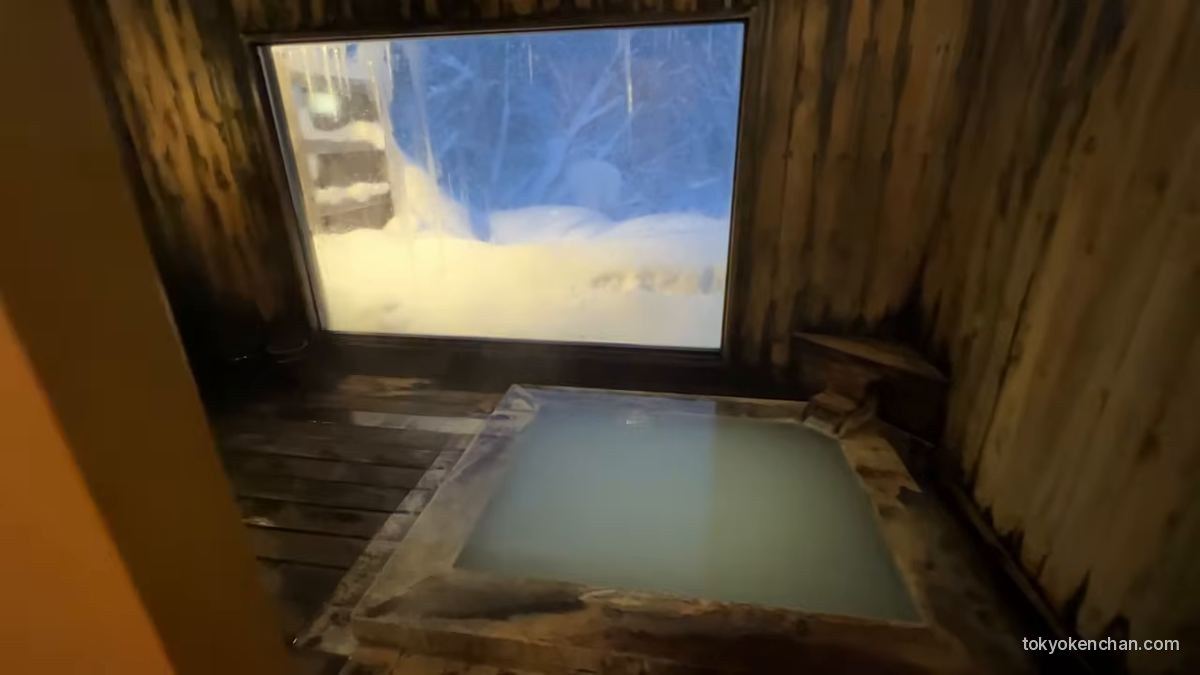
Each hot spring in Japan has different minerals, and what it can be said to be good for is strictly regulated. The water here comes from Tsurunoyu, and it is a sulfur-containing sodium-calcium chloride and bicarbonate spring, milky white like the main building’s “Shiroyu”.
Dinner by the Irori
Along with the baths, an important part of a Japanese hot spring inn is the dinner and breakfast that are included. The dining area is separated for each group, so you have privacy, and each space has an irori, a fire pit filled with ash. It’s very warm, and you can cook your food and keep it warm there.
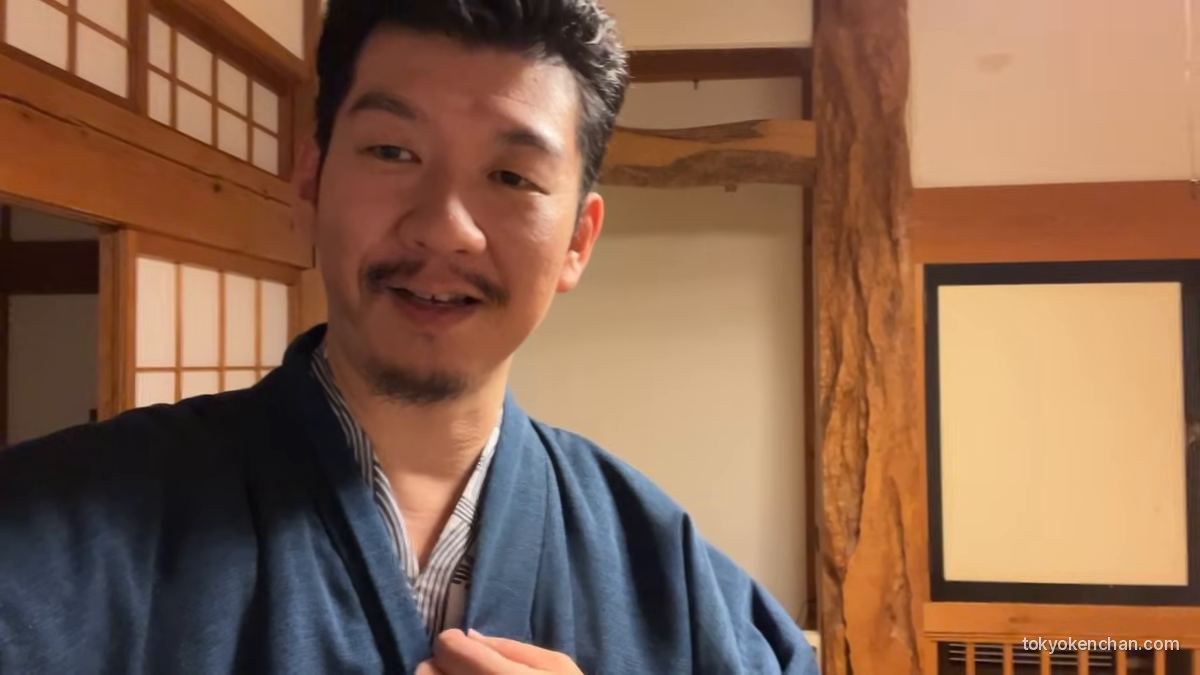
The meal was filled with mountain goodies of Akita, such as iburigakko, smoked radish pickles. There was kombu-cured rainbow trout, grilled iwana river fish, Akita Komachi rice, homemade udon and Tsurunoyu’s specialty mountain yam hot pot. Drinks are extra, and I ordered a local Akita sake called Kenjin.
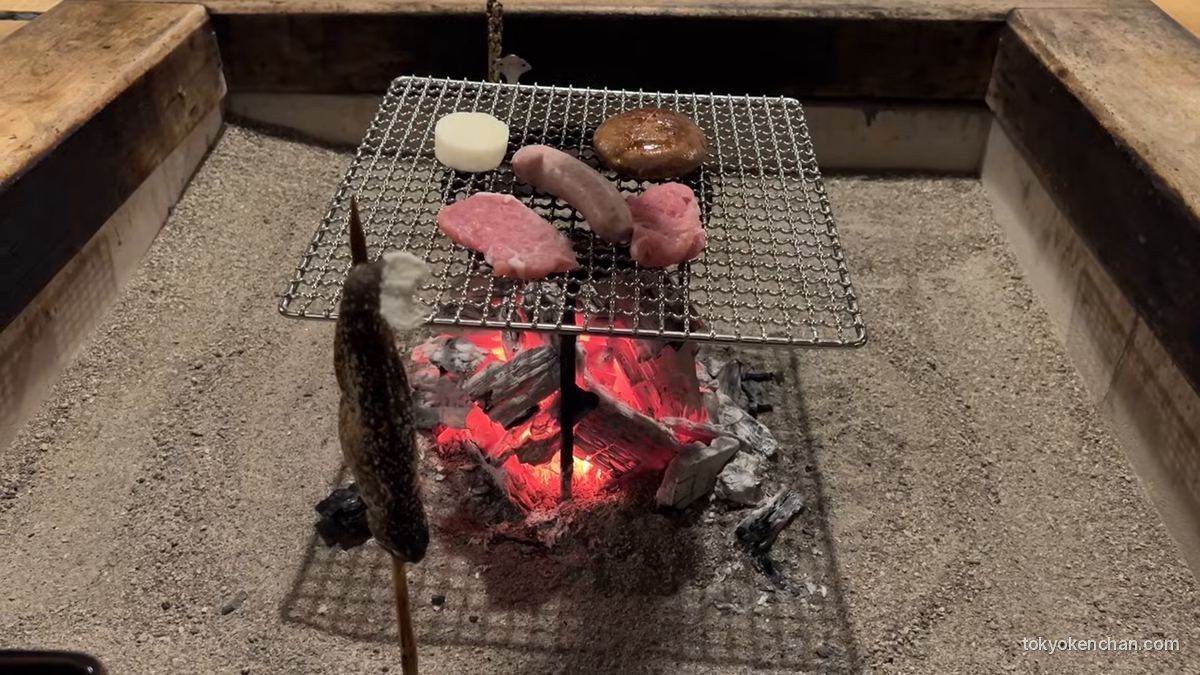
I had an image that food from the Tohoku region is always salty, but everything had a very gentle taste and was delicious. There was so much food that I wasn’t sure I could finish it, but I knew I would miss what I didn’t eat when I got hungry back home, so I finished everything.
Tsurunoyu Onsen at Night
After dinner I took the shuttle bus to the main building of Tsurunoyu Onsen. This is where you can see how people used to visit hot springs to be healed in the old days. The oldest record of Tsurunoyu goes back to 1638, when a samurai lord of the Akita domain visited, and the Honjin, the building made for his guards, is still standing and used as guest rooms.
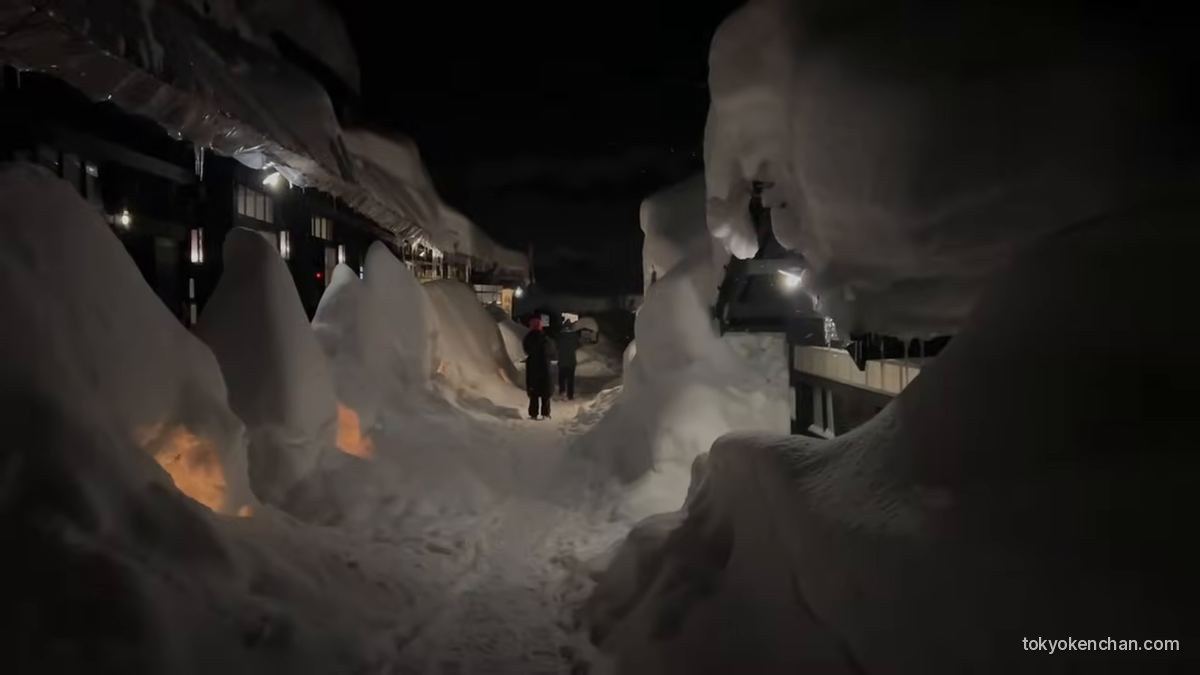
If you stay at Yamanoyado, you can use any bath in the main building too. For the famous mixed outdoor bath, there are separate changing rooms for women and men, and you enter the bath from different sides. On a winter night the bath is completely covered in steam, so all you see is a vague picture of lights and moving shadows. Somehow only the exit from the men’s changing room had a strong spotlight, like it was showtime, so every man coming out to the bath was a little outstanding.
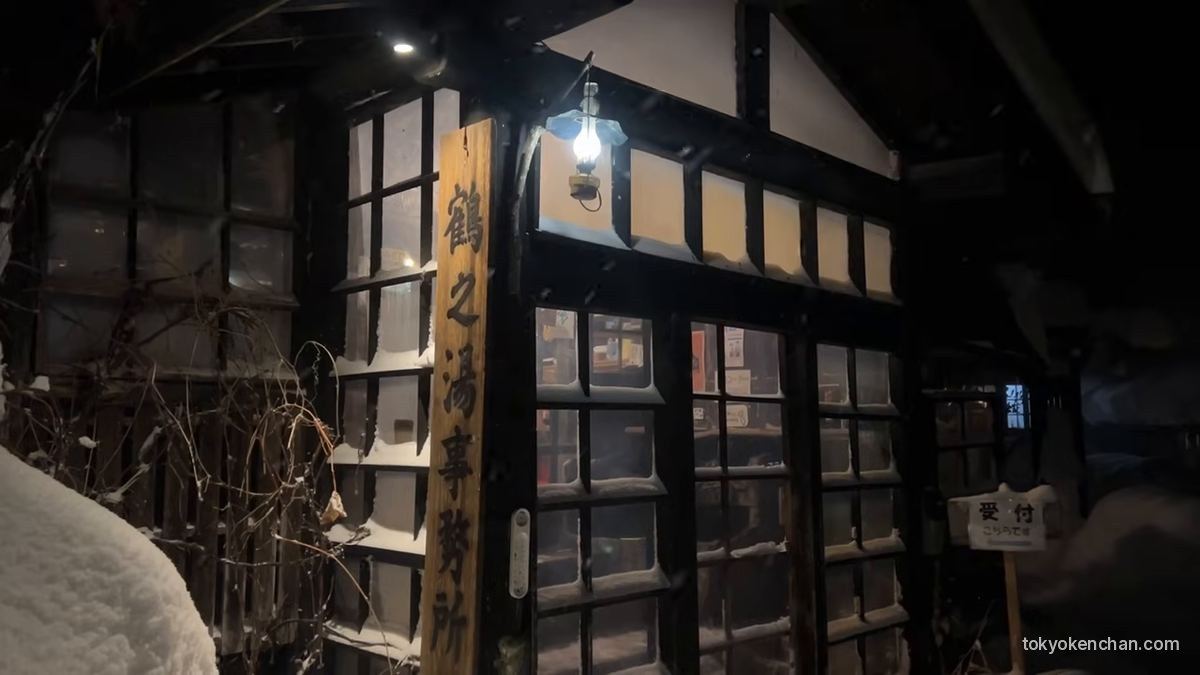
The main building also has indoor baths, and women have another outdoor bath just for women. To be honest, I was a little distracted by everything and couldn’t really relax, but that was mostly because I was away from my room and couldn’t miss the bus back to my lodge. As an experience, it’s definitely a must, and I’m glad I came. It must be very beautiful in spring or early summer too, with the fresh greens.
Tsurunoyu also accepts day visitors from 10:00 to 15:00 for 700 yen. Day bathing is closed on Mondays for cleaning; see the official bath page (Japanese) before you go.
Morning at Yamanoyado and How I Booked It
Breakfast the next morning was on the much simpler side, but a hot breakfast warmed me up, and it was nice to see the winter forest while eating. It was a small portion, so I could finish it. If you are worried about whether you can eat what they serve, you might want to bring some food with you.
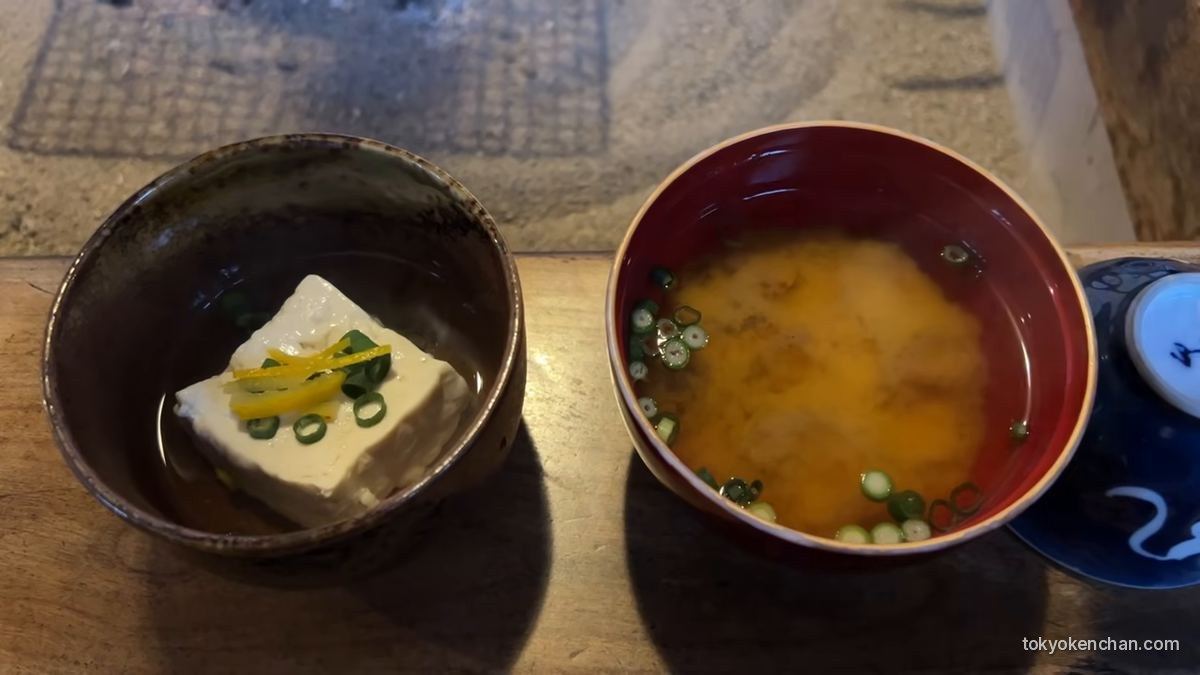
After breakfast I booked the shuttle to the bus stop and went back to Tazawako Station to continue my trip to other parts of Akita.
Booking Yamanoyado
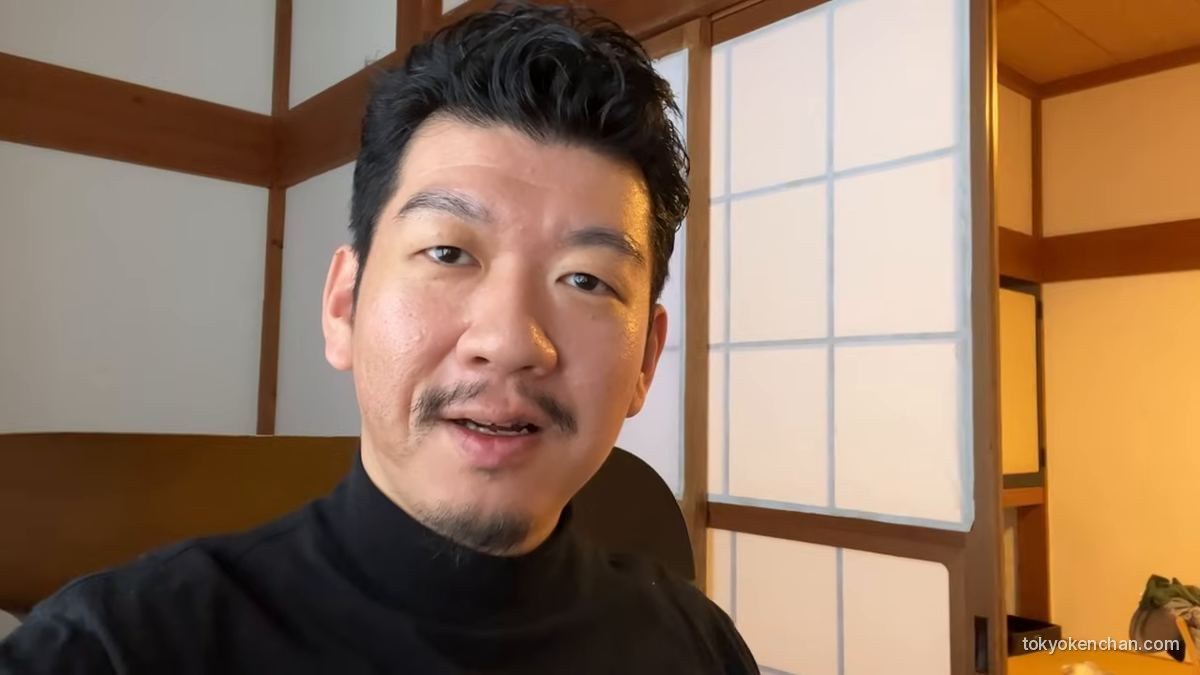
I found a vacancy at the last minute, but it’s usually not easy to find one at Tsurunoyu, either in the main building or at the Mountain Lodge. When I booked, the lodge didn’t take online reservations, so you need to make a phone call. I saw the staff speaking English to guests from abroad, so I assume they can speak English on the phone, and you pay by credit card when you check out.
The official reservation page (Japanese) says bookings are taken by phone or at the front desk only, with no internet or email reservations, up to six months ahead. The Yamanoyado number is listed on the English page, and only Visa and Mastercard are accepted. Note that if you stay in the main Tsurunoyu buildings such as the Honjin, you can’t use Yamanoyado’s private baths.
The main building is a little challenging even for me, but Yamanoyado is a place I really recommend for travelers. Not many places have a private outdoor bath you can use with no time limit. Visiting a mountain hot spring might be out of your comfort zone, and it’s not the easiest in terms of access and cultural differences, but that’s exactly what makes the trip rewarding.
Questions I Often Get in the Comments
When did you go, and do I need snow boots?
I went in the middle of winter, in early 2025. For me, snow boots were a must at Nyuto Onsen, and I needed waterproof boots in Kakunodate too, but not in Yokote or Akita City. That winter many travelers, including me, had shinkansen delays to Tohoku because of the snow, so leave extra time in your plans.
Is it impossible to book?
It’s not impossible. You can call them and ask, and they speak English. The inn takes bookings up to six months ahead, so call early, but openings do come up: I found mine only a few weeks before.
I can’t sit on the floor for long. Is that a problem?
My room had a hori-gotatsu, a sunken table where you can sit like on a chair, which I forgot to show in the video. The dining area also has low chairs you can sit on.
I’m nervous about mixed bathing. What can I do?
At Yamanoyado the baths are private, which is why I chose it. At Tsurunoyu’s main building, women and men have separate changing rooms and enter the mixed outdoor bath from different sides, it’s very steamy on winter nights, and there is also an outdoor bath just for women.
General tourist information: The places below are well-known sights around Nyuto Onsen that are not covered in the visit described in this article. Hours, prices and bus services can change, so check the official pages before you go.
The other inns of Nyuto Onsenkyo. Seven inns make up Nyuto Onsenkyo: Tsurunoyu, Taenoyu, Ganiba, Ogama, Magoroku, Kuroyu and Kyukamura, each with its own spring. Guests staying at one of them can buy the Yumeguri-cho pass for 2,500 yen (cash only), valid for one year, which covers one bath at each inn and the Yumeguri-go shuttle bus. From late November to early April the Yumeguri-go does not go to Kuroyu and Magoroku because of winter road closures. Details are on the Kyukamura Nyuto Onsenkyo yumeguri page (Japanese).
Lake Tazawa. Japan’s deepest lake, with the Statue of Tatsuko on its shore. The Nyuto Line bus from Tazawako Station stops at the lakeside (Tazawakohan) in about 12 minutes, and viewing the lake is free; see the official Tazawako and Kakunodate tourism site.
Other hotels near Nyuto Onsen and Lake Tazawa: These are other places to stay in the area, listed for convenience. Tsurunoyu and Yamanoyado themselves take bookings by phone only.
Kyukamura Nyuto Onsenkyo, a larger hotel inside Nyuto Onsenkyo with two hot springs, about 45 minutes by Nyuto Line bus from Tazawako Station (Kyukamura-mae stop).
Kamenoi Hotel Tazawako, a hot spring hotel at Tazawako Kogen Onsen, on the way up to Nyuto, with a free shuttle bus from Tazawako Station.
Tazawako Lake Resort & Onsen, a hot spring hotel in the Tazawako area near Tazawako Ski Resort.
Where to next
From Nyuto Onsen I went on to the rest of Akita, and Aomori is not far by shinkansen either. These are the guides I would read next.
- Akita Travel Guide: the rest of this winter trip, from Kakunodate’s samurai district to Yokote and Akita City.
- Aomori Travel Guide: the Nebuta Museum, a Nokkedon seafood bowl and Asamushi Onsen.
- How to Ride the Shinkansen: tickets, baggage and what first-timers should know.