This post contains affiliate links. If you book through them, I may earn a small commission at no extra cost to you. Learn more.
There are so many islands in the Seto Inland Sea, but getting to each one is a little difficult. First you have to look up the boats, and then you notice that each boat leaves from a different town on the Honshu side. So to go from one island to another, you often take a boat back to the same port, ride a train to another town and catch a boat again from there.
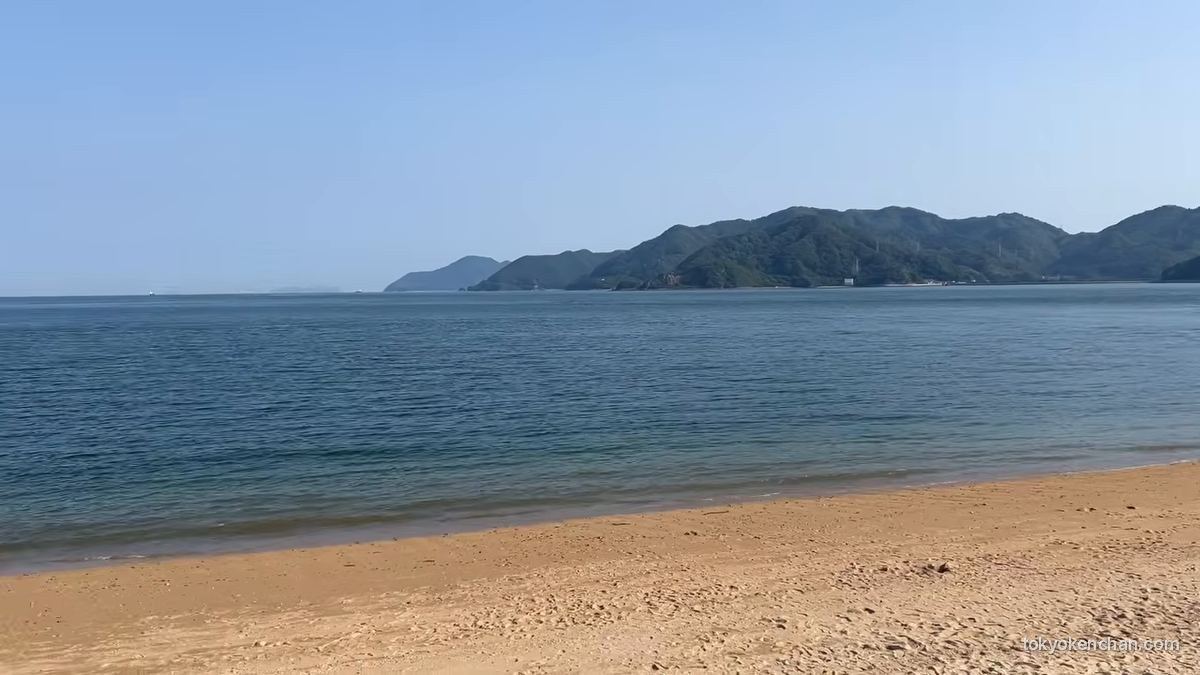
Going to the lesser-known islands can feel like a bit of a hassle. So this time, I took a boat that cruises around the islands and rode it as far as Setoda on Ikuchijima Island. The only problem was that I didn’t have nearly enough time on Okunoshima, the island with lots of rabbits. That was the downside of the tour boat.
From Setoda I rented a bicycle and rode to Onomichi, where I returned it. For someone like me who isn’t used to riding a bike, it was quite a challenge.
But now it’s a fond memory: the sparkling sea and the quiet air. The views from the different islands are truly beautiful. In Japanese there is even a word for this kind of scenery, tatoubi, the beauty of many islands. I think this is one of my favorite areas in Japan.
Onomichi, where I arrived, is a town with its own special charm. It has appeared in many Japanese films, and “nostalgic†is exactly the right word for it. That said, many shops on the shopping streets had their shutters down, and I had a little trouble finding a place to eat dinner. The view of Onomichi from the hill is something I really remember.
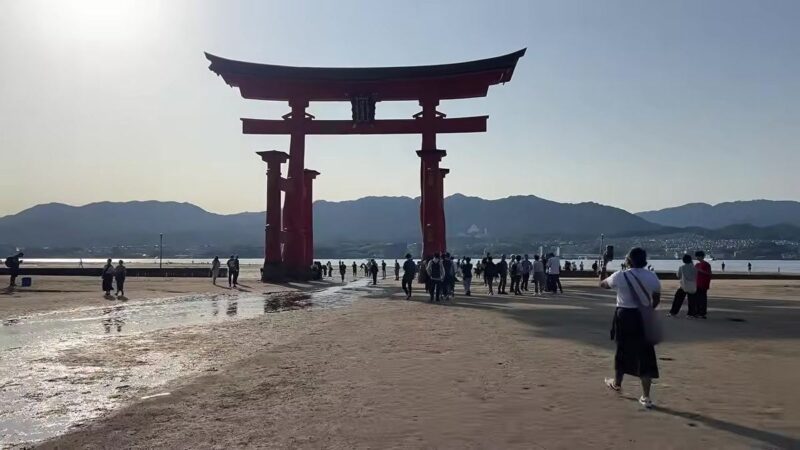
I made this trip in late May 2024, as the last part of my trip around Yamaguchi and Hiroshima. The day before, I was on Miyajima, and earlier in the trip I stayed in Hagi and visited Iwakuni. This time I went from Hiroshima Port by sightseeing boat, got off at Setoda, cycled to Onomichi and stayed one night there.
Map of Onomichi Station
Why the Islands Are Hard to Get Around
The Seto Inland Sea is the sea between Honshu, Shikoku and Kyushu, and there are about 700 islands in it. Three road routes connect Honshu and Shikoku: the Akashi Kaikyo and Onaruto bridges through Awaji Island, the Seto-Ohashi Bridge between Okayama and Kagawa, and the Shimanami Kaido between Hiroshima and Ehime. Only the Seto-Ohashi has a railway, and the Sunrise Seto sleeper train from Tokyo also crosses it. I wrote about that ride in my Sunrise Seto and Izumo guide.
It’s an area with beautiful scenery, but routes from island to island are limited and don’t always connect the islands you want. Naoshima and Shodoshima, near Okayama and Kagawa, are far from Onomichi and Miyajima, and on the Shikoku side I wrote about Takamatsu and Matsuyama separately. If you don’t narrow down where you want to go, you can easily spend a week just in the Seto Inland Sea.
Boarding the SEA SPICA at Hiroshima Port
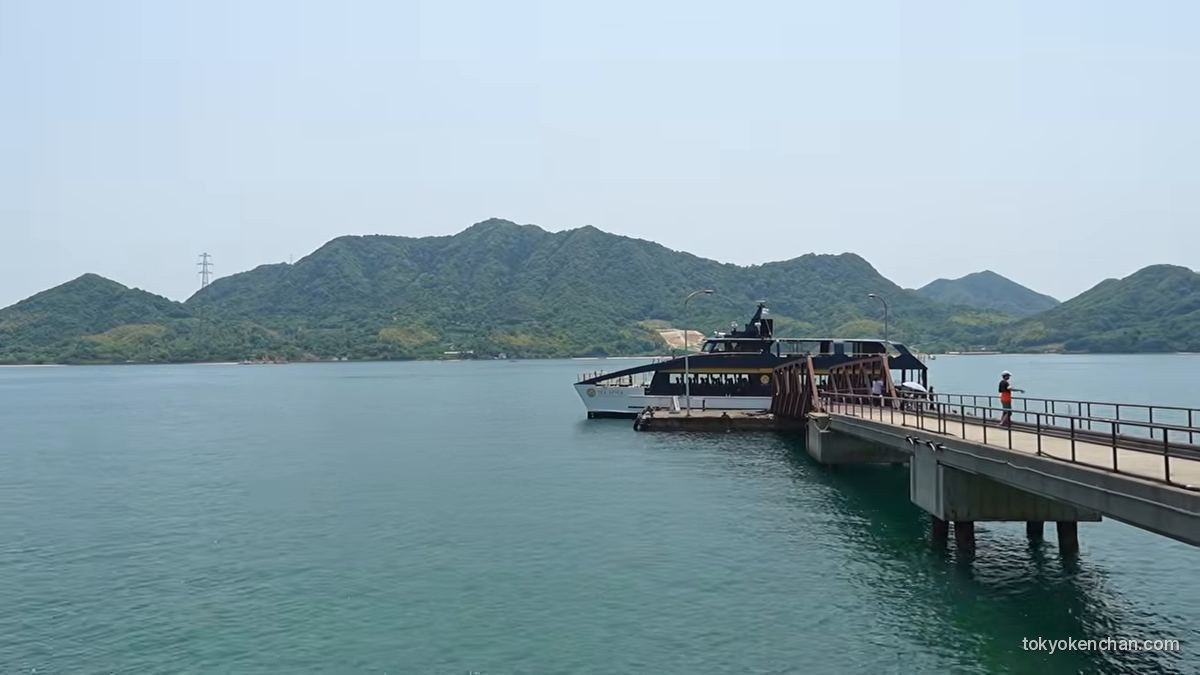
My day started at the Ujina passenger terminal of Hiroshima Port, where I checked in for the Setouchi Shimatabi Line. It wasn’t busy, so they said I could use a row of three seats. The boat is a high-speed sightseeing cruiser called the SEA SPICA, and it was used during the G7 Summit in Hiroshima. There is also an upper deck, and I was very excited.
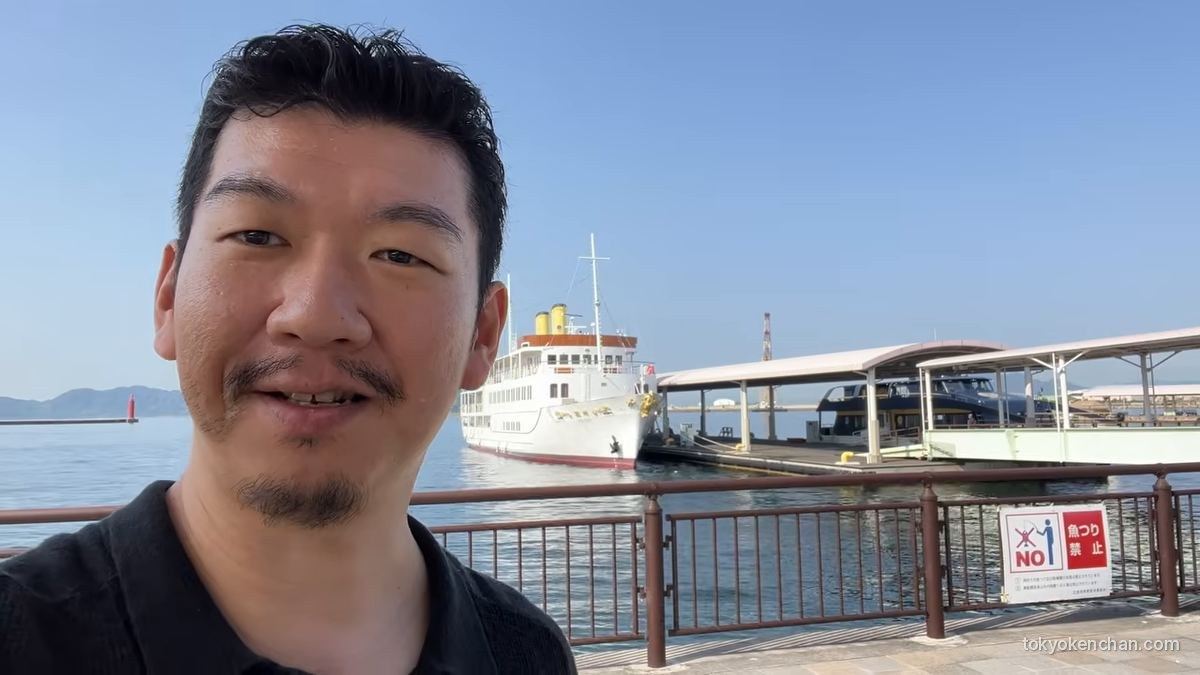
Right after leaving Hiroshima Port, we stopped at the Hiroshima Prince Hotel, where a few more passengers got on. The boat has a very clean restroom and a little counter selling souvenirs, light snacks and drinks. A guide explained the sights in Japanese only, but you can’t really hear it on the deck anyway, which is where I was most of the time.
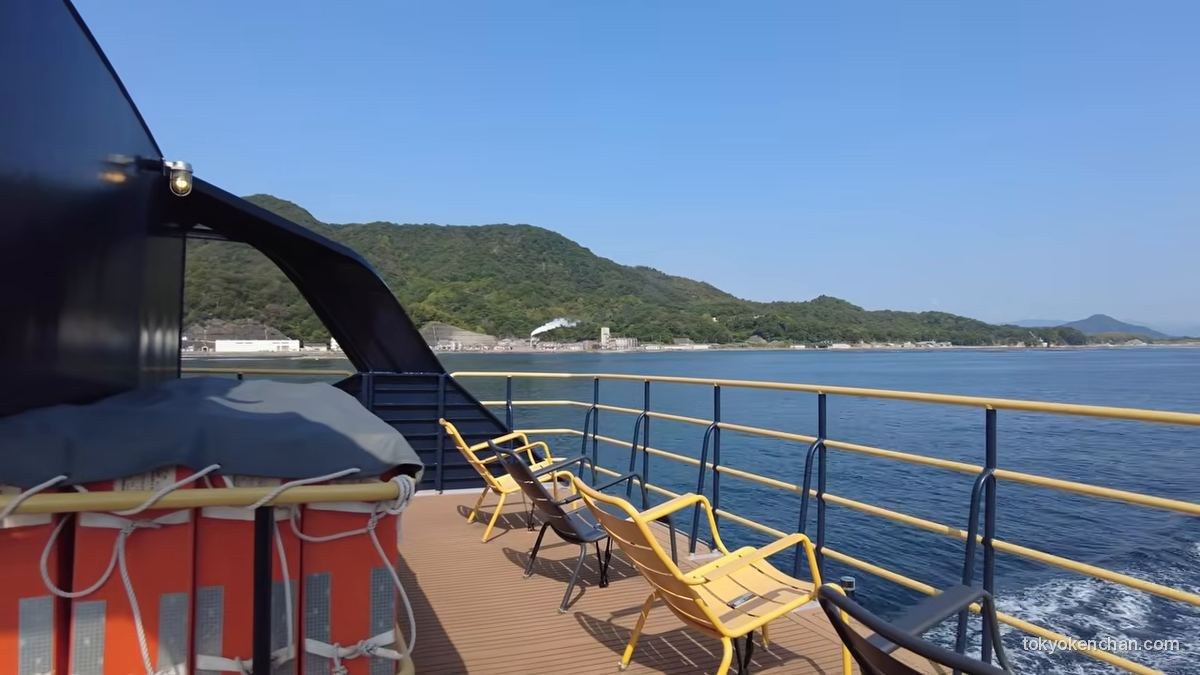
The fare I paid was 7,000 yen, which is expensive compared with a regular train. But I thought it was worth it, because I stopped at three islands I had never been to. I had also ordered a lunch box when I booked, and they handed it to me as soon as I boarded, in an insulated pack.
When I took it in May 2024, the boat ran four days a week and went on to Mihara Port. Today the official SEA SPICA page shows the Usagi Course from Hiroshima Port to Onomichi Port, calling at Okunoshima and Setoda, and a return course from Onomichi. Sailing days and stops change, so check it before you plan.
Passing Kure and the Islands
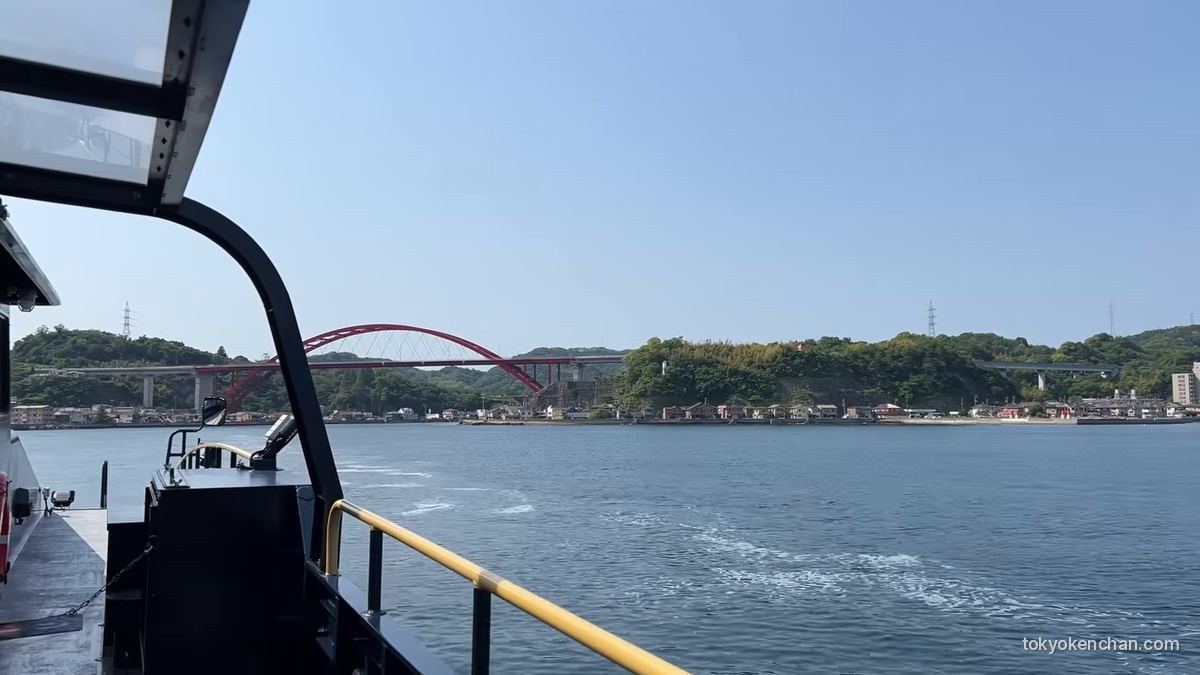
The boat immediately passes the first highlight, the port of Kure. From the deck you can see the shipyards and many submarines. Kure was a large naval port during the war, and the battleship Yamato was built there; there is also a museum about it. Kure is the setting of In This Corner of the World, an anime that is also highly rated abroad.
A Short Stop at Shimokamagari Island
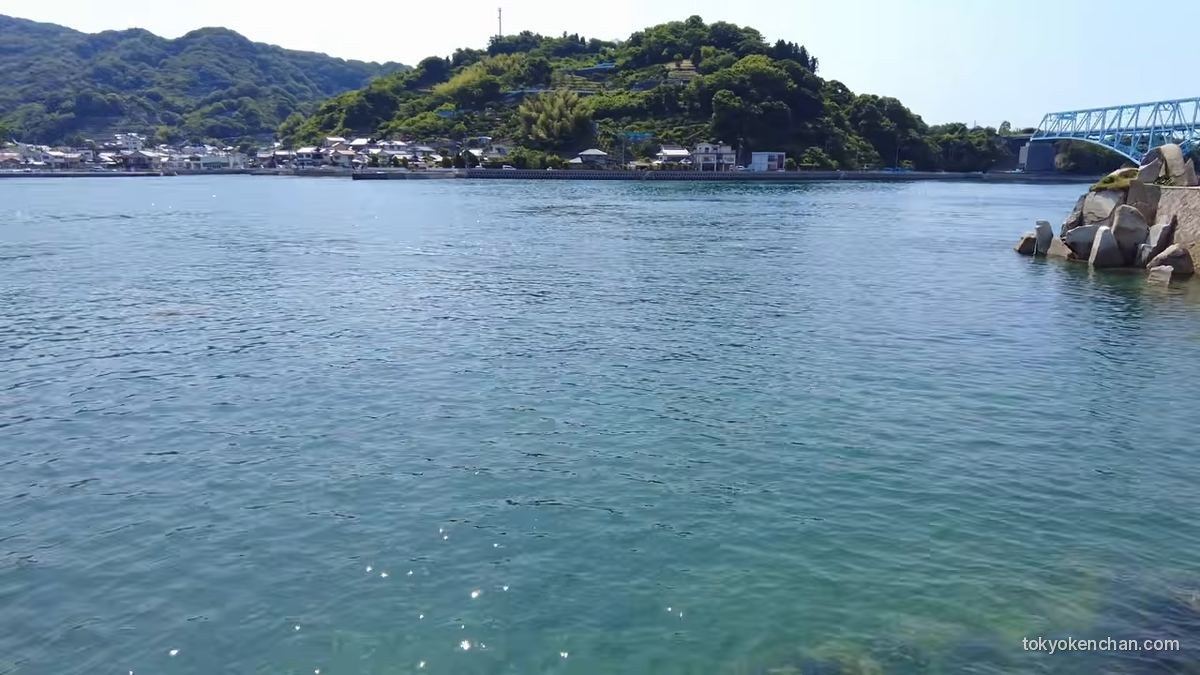
The first stop was Shimokamagari Island, where we had one hour. It’s connected to Honshu by the bridges of the Tobishima Kaido, so you can come by car too. Other passengers headed to the museum and old houses, but I walked around the port and went back to the boat to eat my lunch. It was a nice time by the sea.
Okunoshima: Rabbit Island in 30 Minutes
The next stop was Okunoshima, known for producing poison gas during the war and for having lots of rabbits. The boat stayed only 30 minutes, so the purpose of this stop was the rabbits. This was the island I was most looking forward to, but the rabbits had already been fed by tourists who came earlier, and there were fewer than I expected.
I walked around with my bag of food, and no rabbit would eat it. Then two rabbits seemed to feel sorry for me and started eating. They don’t eat from your hand, but if you put the food in front of them, they eat. I was so happy when they finally did. Even with so little time, it was a beautiful island.
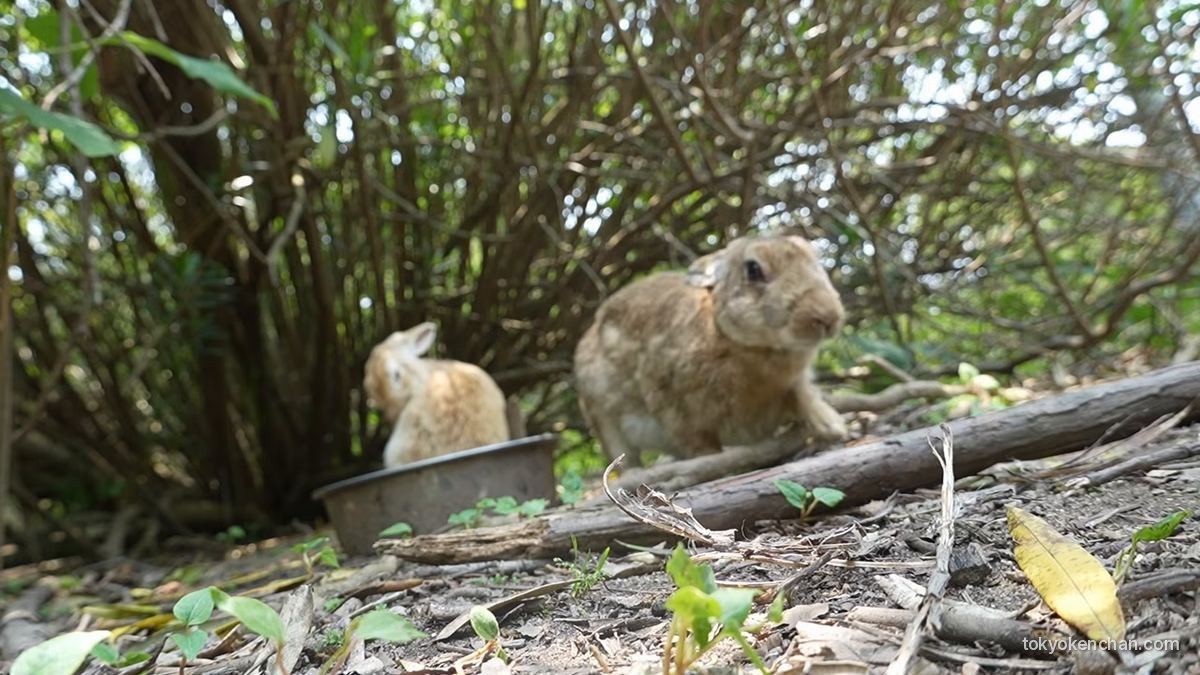
Okunoshima has rules for the rabbits. According to the Takehara tourism page, rabbit food is not sold on the island, so buy it at Tadanoumi Port before crossing. Put the food on the ground, don’t give bread, snacks or vegetables like green onions, don’t feed them on roads, don’t chase or pick them up, and take leftover food with you.
Setoda on Ikuchijima Island
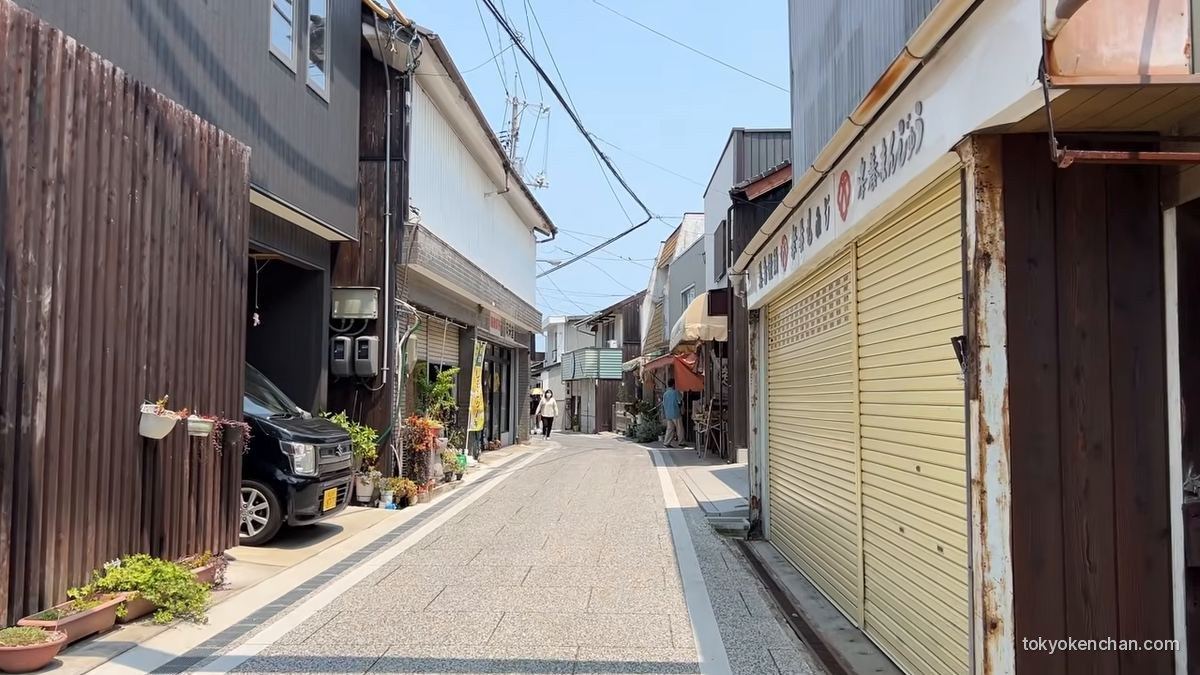
I got off at Setoda Port on Ikuchijima Island. The boat continued on, but I had limited time and wanted to explore a little. My plan was to take a ferry from Setoda directly to Onomichi later. There were many travelers with bicycles, and since I had plenty of time before that ferry, I took a walk on the old shopping street of Setoda.
To be honest, I originally wanted to try cycling, but when I checked the rental website a few days before, it was fully booked. If cycling is the main purpose of your trip, I recommend booking early. Then I happened to walk past the tourist center where I had originally planned to rent a bicycle.
Renting an Electric-Assist Bicycle
Someone there asked me, “May I help you?†Just in case, I asked if there were no bicycles today, and they said they had some. I said I wanted an electric-assist one because I’m not used to riding a bike, and they had that too. So I got a bicycle, with my bag in the basket like I was going grocery shopping.
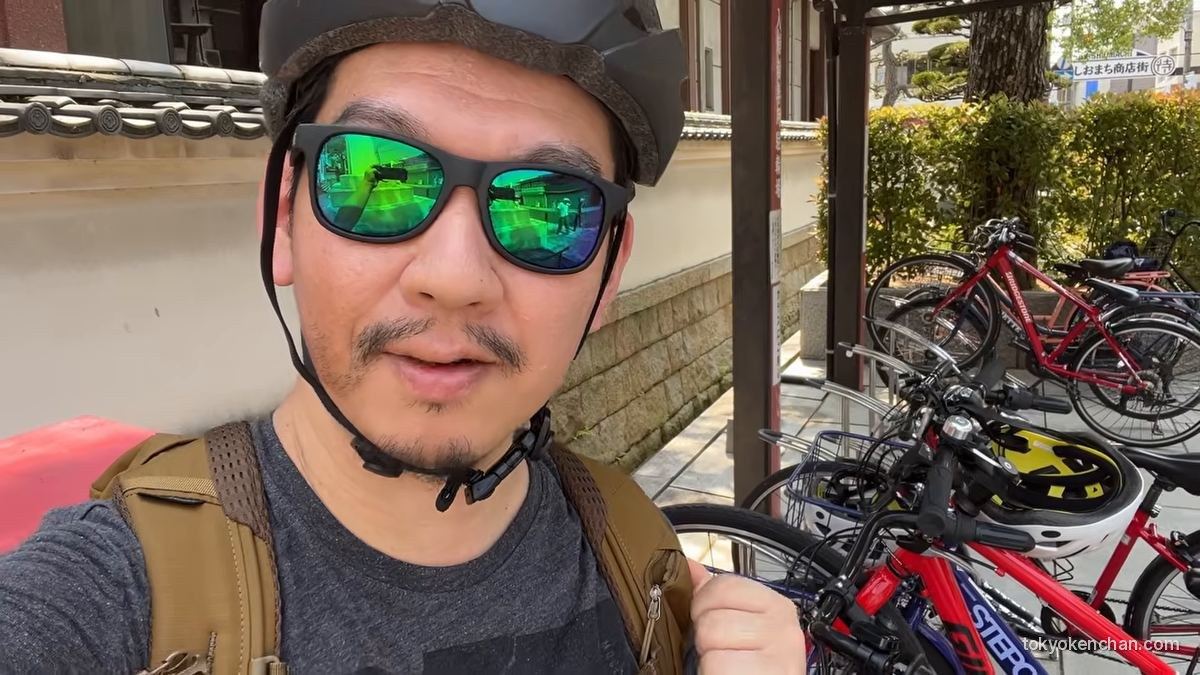
I rented it from Shimanami Japan, the rental service on the route. I paid 4,000 yen for the day, and you can return it at a different terminal, so I returned it in Onomichi. Usually it’s better to leave your luggage at your hotel or send it to your next destination. The Setoda tourist information terminal is about a ten-minute walk from Setoda Port.
Today, the Shimanami Japan rental page lists electric-assist bicycles at 4,000 yen per day for adults, with pickup at terminals such as Onomichi Station and Setoda and return at any terminal during its opening hours. Electric bicycles tend to run out quickly, even on weekdays, so reserve ahead if you can.
Kosan-ji Temple in Setoda
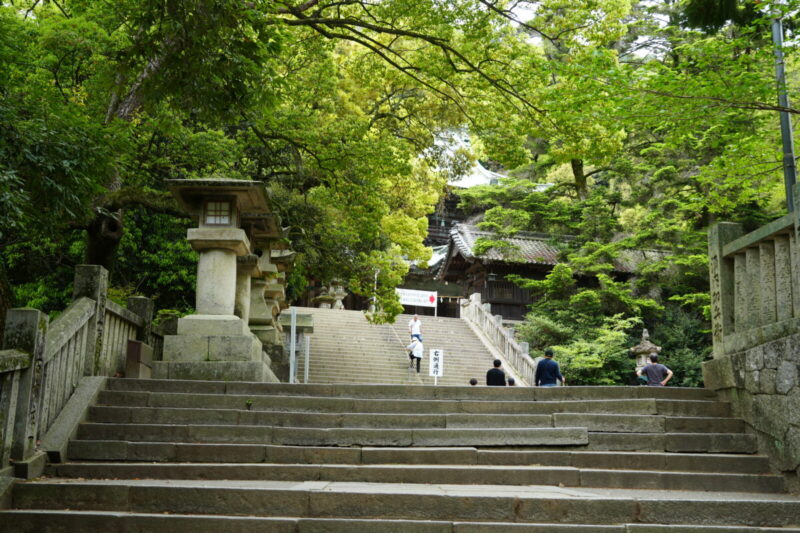
After renting the bicycle, I stopped at Kosan-ji Temple, within walking distance of Setoda Port. Kosan-ji has replicas of temples from all over Japan, and it feels more like a museum than a temple. For example, it has a replica of a gate at Nikko Toshogu near Tokyo. If you go up the hill, you can see the view of the Seto Inland Sea.
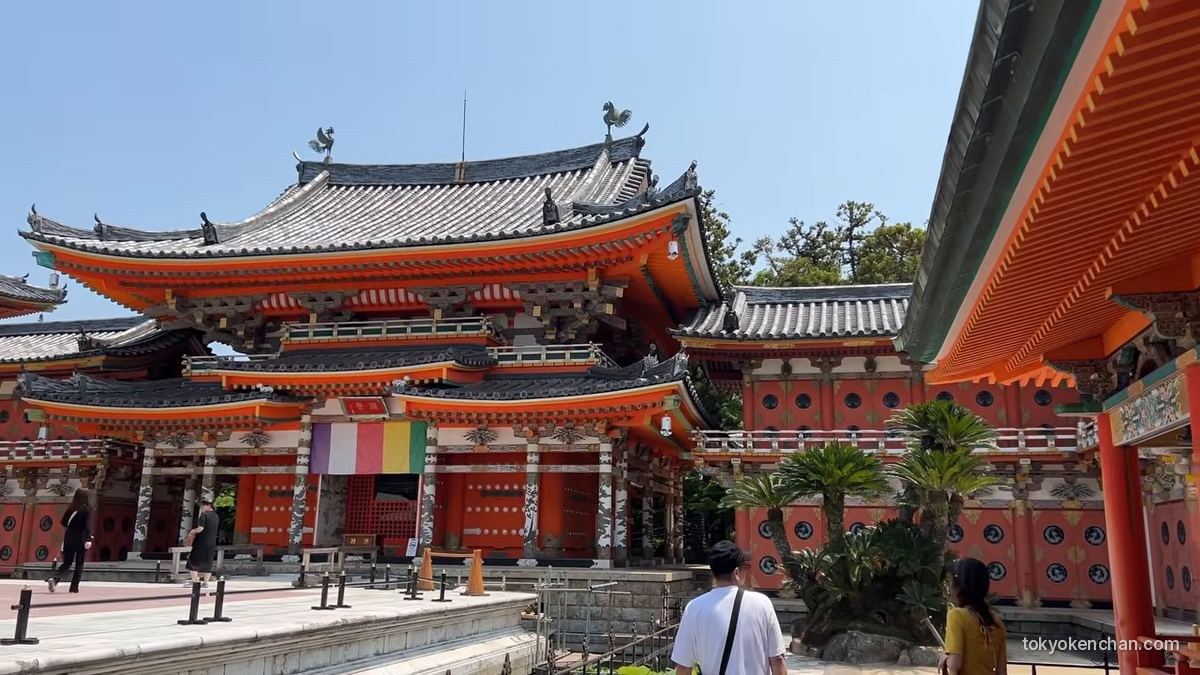
According to the official Kosan-ji page, the temple and museum are open daily from 9:00 a.m. to 5:00 p.m., with last entry 30 minutes before closing, and adult admission is 1,800 yen. The ticket covers the temple grounds, the Hill of Hope and the Kongo Gallery.
When I visited in 2024, admission was 1,400 yen, so it has gone up a little. The temples are replicas, and it felt more like an art museum park. If you have already been to the real Nikko or Mt. Misen on Miyajima, it might feel a little less impressive.
Cycling the Shimanami Kaido to Onomichi
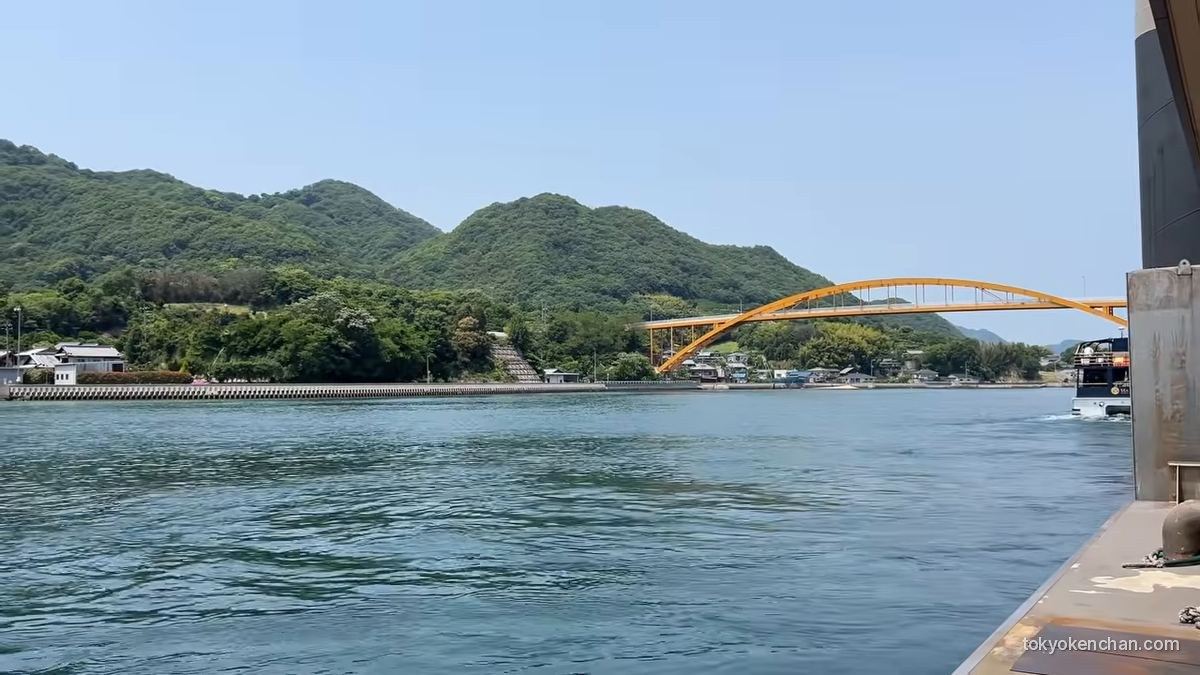
From Kosan-ji, I started riding toward Onomichi Station. I was told it would be about 30 kilometers, or 18 miles, and take about three hours. I stopped at a convenience store to buy a drink and set off. Soon I could see the bridge ahead, which meant I had to climb up to that height.
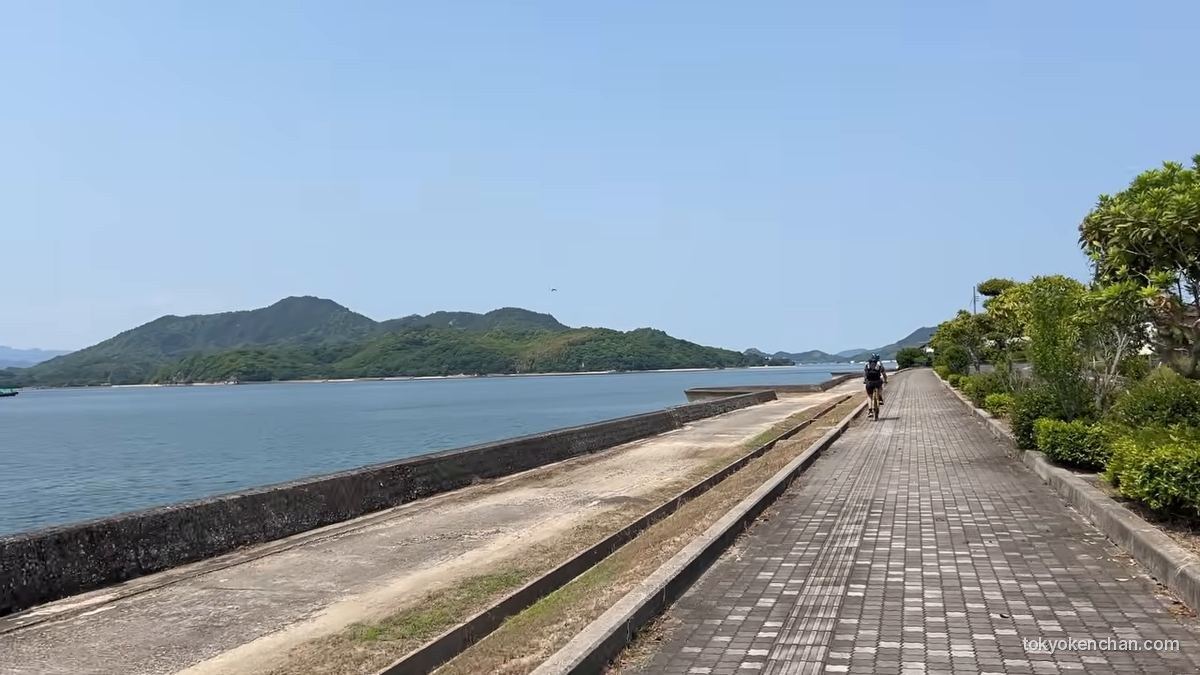
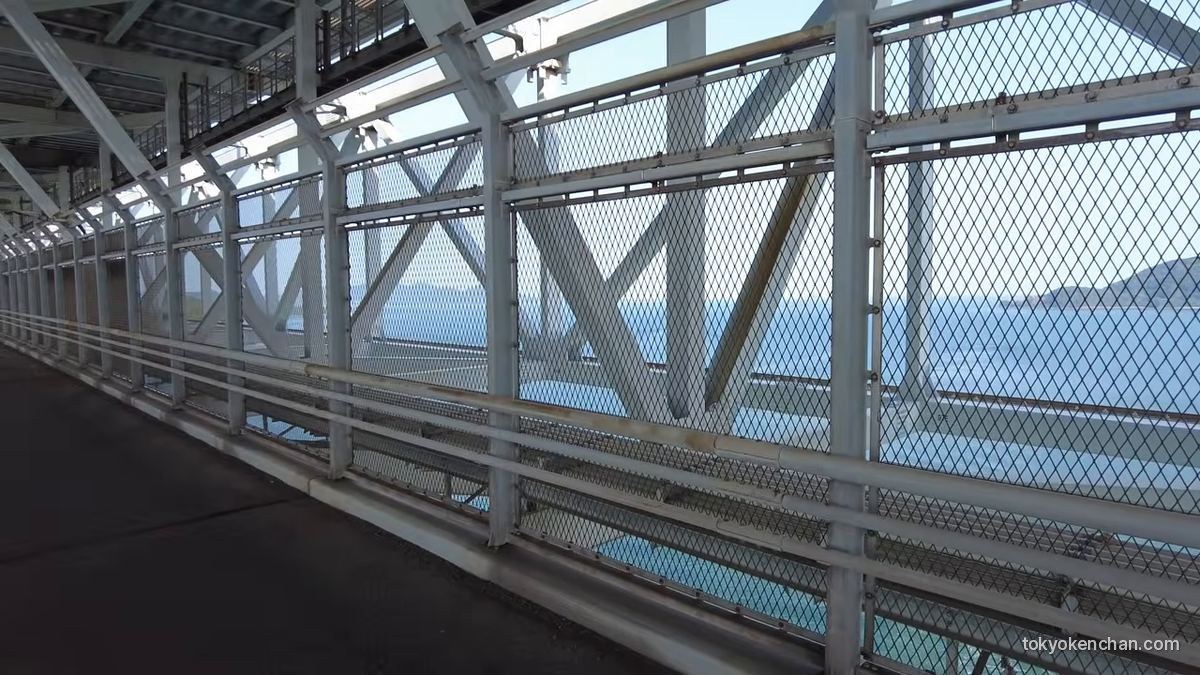
This is definitely not for someone who isn’t used to cycling. Many YouTube videos just say “Let’s do it,†but I don’t think it’s for everyone. There was a toll gate on the bridge, but bicycles were free. The free bicycle toll is still in place: the bridge operator has extended it until the end of March 2028.
When I entered Innoshima, I couldn’t keep going on the expressway. I had to go down to the island and then up again to the next bridge, and that was the hardest part of the route. A frozen lemonade was way too good at that point. The blue line on the road guides you, but make sure to turn at the signs. The Innoshima Bridge was very beautiful.
Mukaishima and the Short Ferry to Onomichi
I arrived on Mukaishima Island and found a cute ice cream shop, a really great place to take a rest. From Mukaishima I took a ferry to Onomichi. It’s a very short ride, and lots of local people use it. There is a bridge between Mukaishima and Honshu, but bicycles can’t use it, so the ferry is the way to cross.
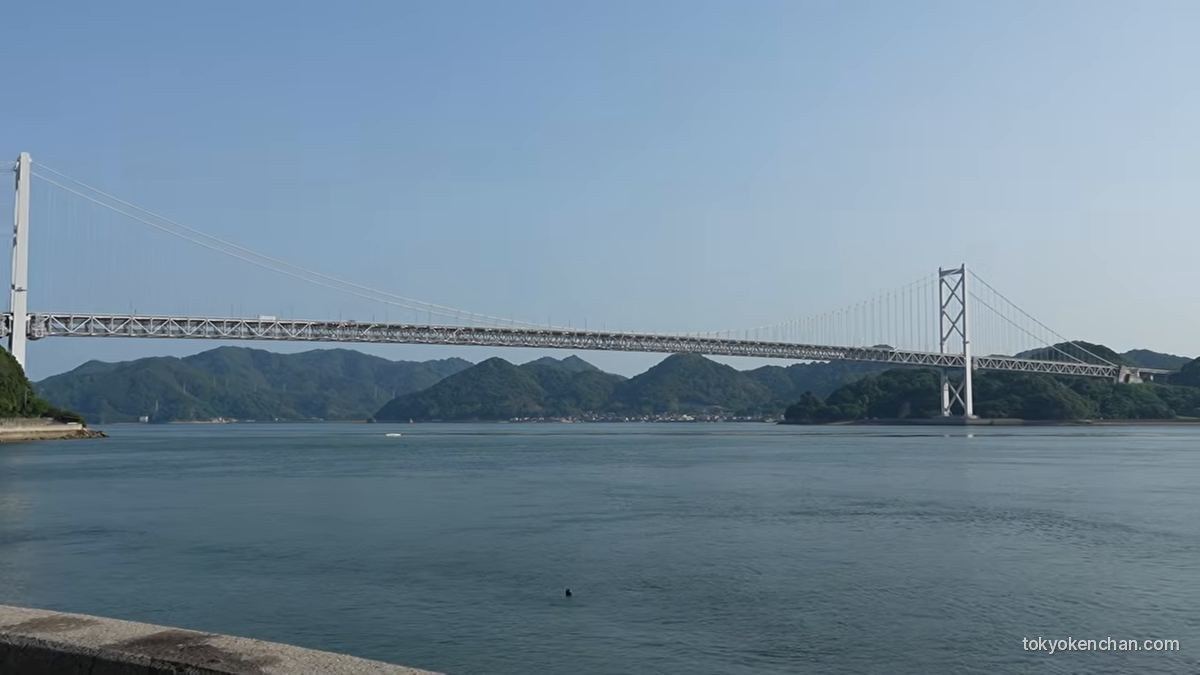
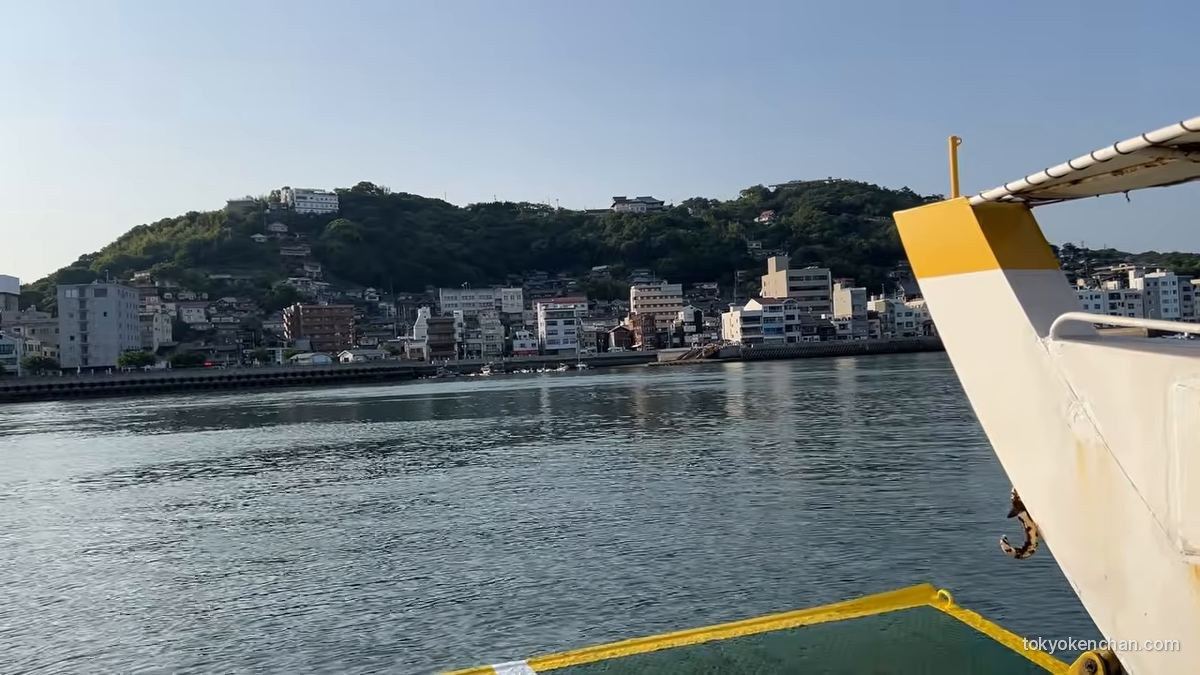
At Onomichi Port, in front of JR Onomichi Station, I returned the bicycle at what looked like a parking lot. There is a rental terminal inside. Later, the hotel staff told me I got so tanned, and it’s true, after Miyajima the day before and the bike ride. It was a long way, but I’m definitely glad I did it. You can read about the whole Shimanami Kaido cycling route on the official national parks site.
Staying at Urashima Inn
From the station I walked about ten minutes to my hotel, Urashima Inn. The room was compact, very clean and had everything I needed, with a nice view of the channel through the window. It didn’t have a fridge, bottled water or a bathtub, just a shower, but there were amenities like a toothbrush and hairbrush.
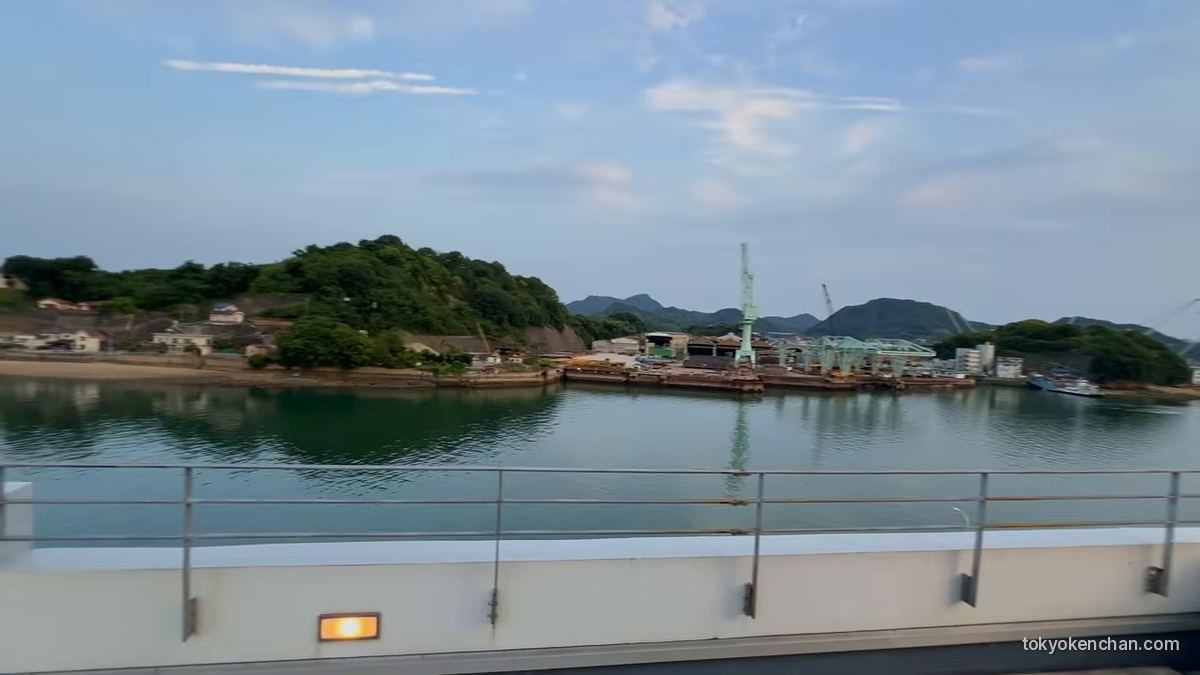
The hotel has a rooftop, and from there you can see toward Senko-ji Temple. It’s a very easy-going kind of inn, so it may not have enough features if you’re used to big hotels. But it’s very clean, which is very important, and the staff were friendly and easy to talk to. It was cozy and great for a solo traveler, and I might stay there again.
An Evening Walk up to Senko-ji
Some people say Onomichi is boring if you’re not cycling, but I don’t think that’s quite right. Onomichi is known for its views of the hills, the channel and the shopping streets, and because of this unique scenery it was the setting of many Japanese movies from the 1980s and 1990s. You can wander through narrow, maze-like streets looking for cats or climb the hill.
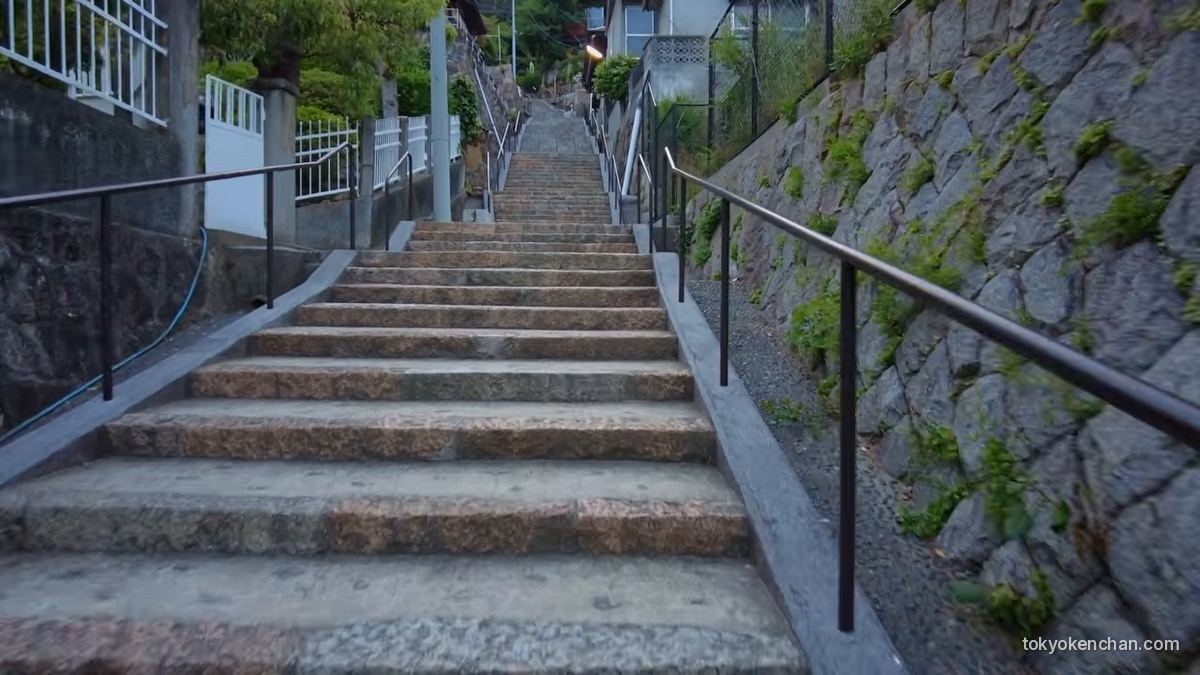
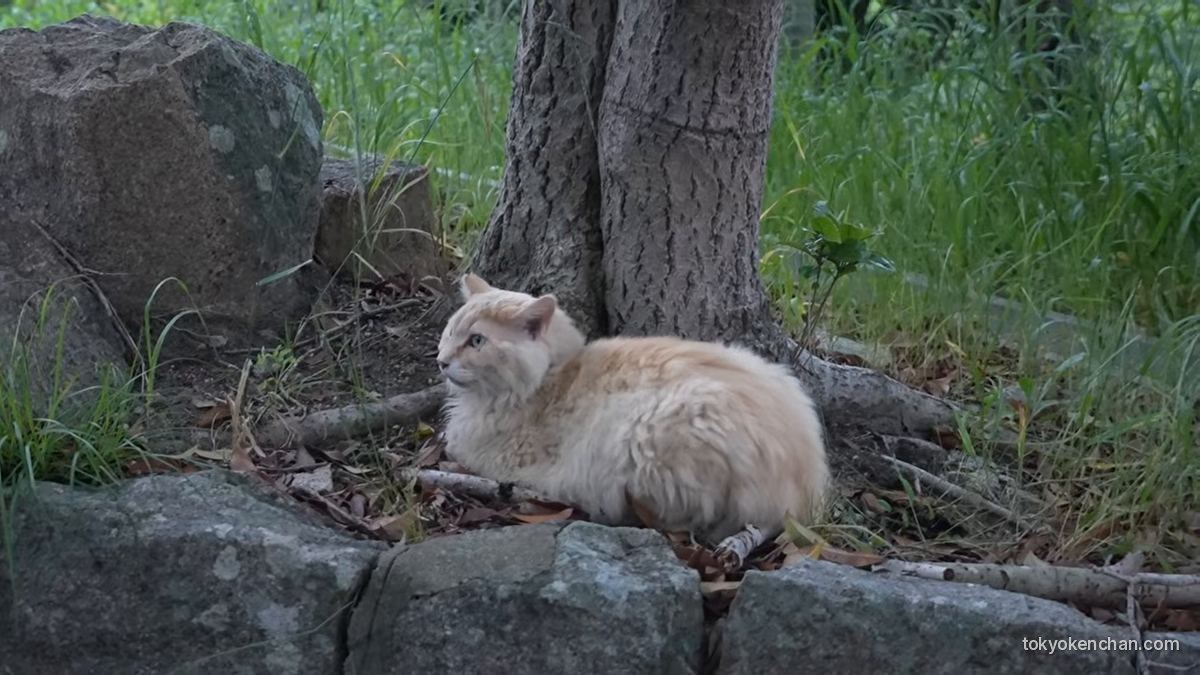
When you look back, you’ll be surprised how high you have come, and amazed by the view of the harbor and the hills. I passed Komyo-ji Temple on the way up, and of course I said hello to a cat. It was already almost seven in the evening, and the sky was getting dark.
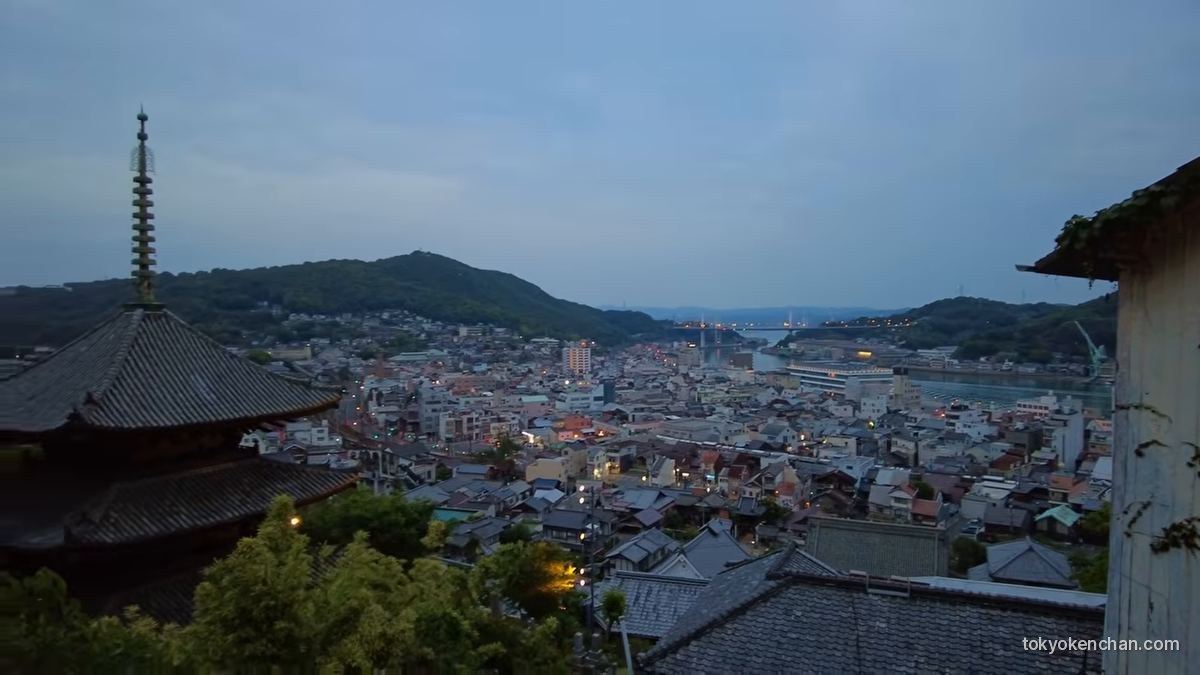
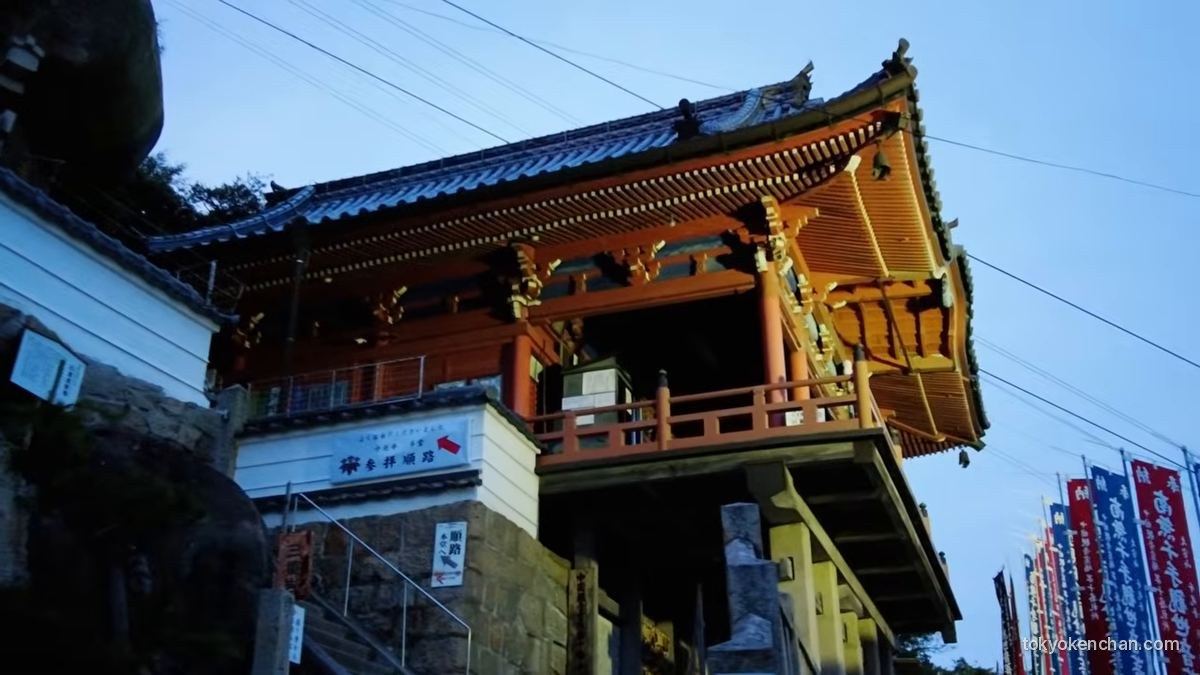
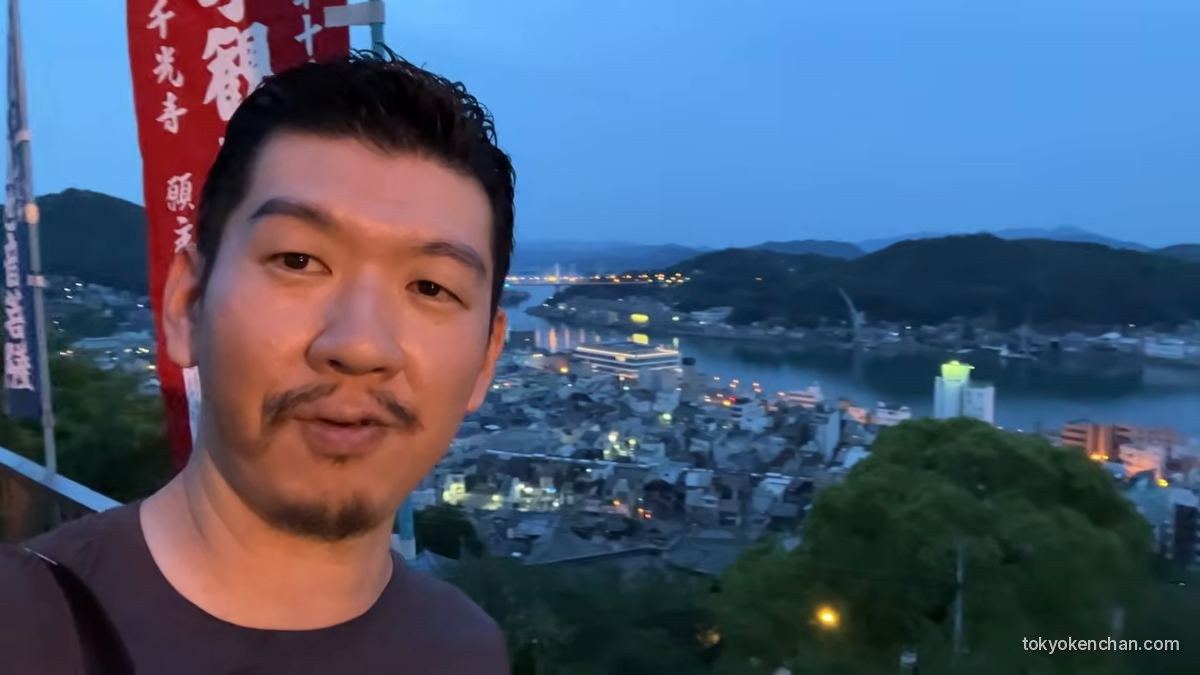
I arrived at the top, at Senko-ji Temple. It’s closed at night, so I only stood in front of the temple. I had come so high that I could see where my hotel was, and the view of the town and the channel at night is one I still remember. Going down was harder than going up.
Finding Dinner in Onomichi
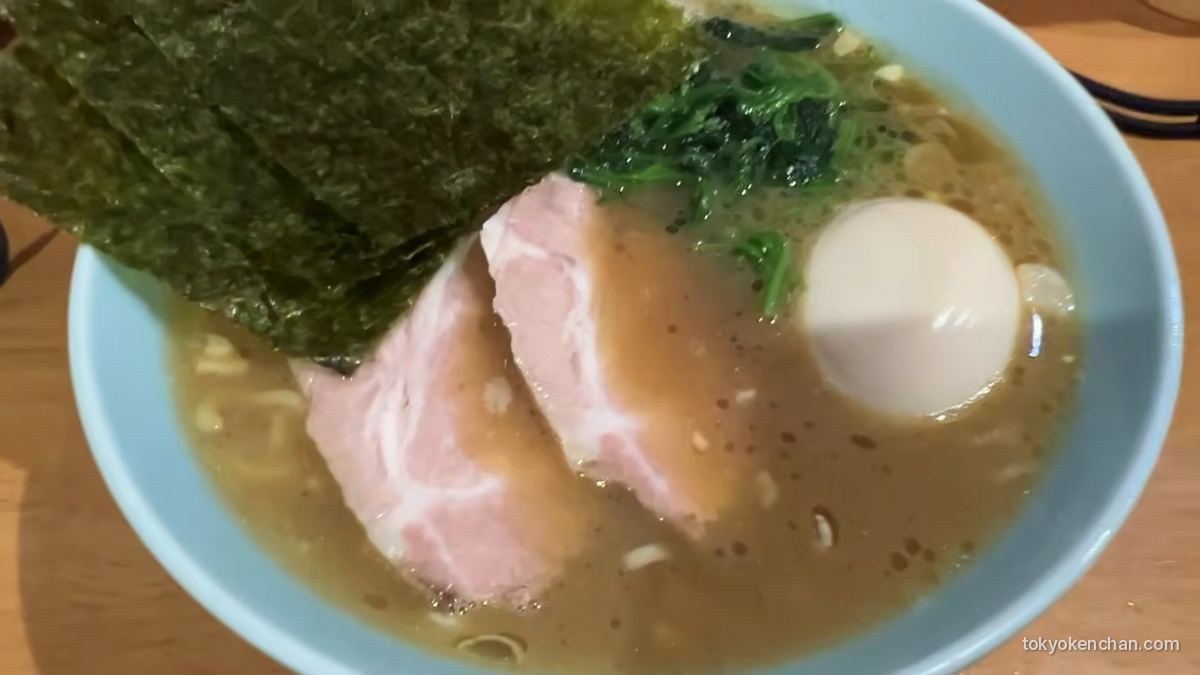
Many shops were closed at night, so I was a bit at a loss. I passed a building that looked like an old public bathhouse but is now a restaurant, and a few other places. Fortunately, I found a ramen shop on the main street. Rain was forecast for the next morning, the first time on this trip, so I picked up a few things at a convenience store.
A Rainy Morning in Onomichi
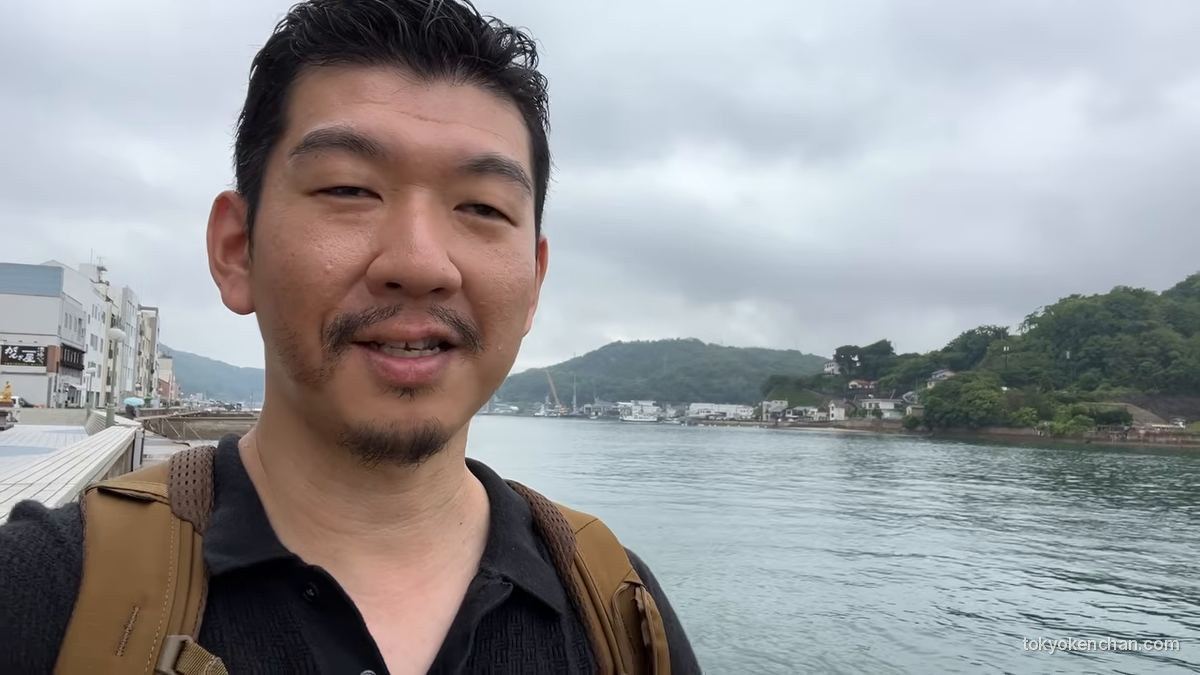
It was the day I was going home, and it did rain in the morning. But it didn’t rain until the last day, and Onomichi might look even better in the rain. I went up the hill again in the morning to explore. You can also take the ropeway up, or go on foot through the lanes like I did.
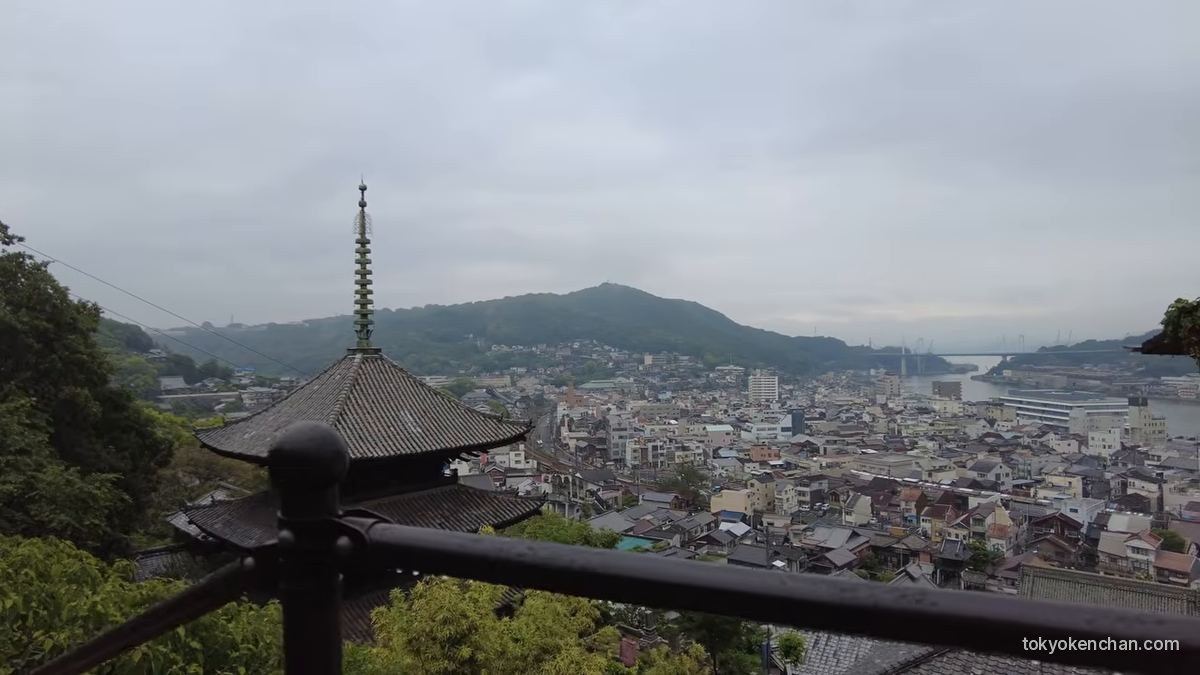
The Senkoji-yama Ropeway costs 500 yen one way and 700 yen round trip for adults, the same as when I was there. Onomichi isn’t a big city with a lot of things, but it still has a local community and friendly people, and they are also used to international tourists.
ONOMICHI U2 Before the Train
I like to check out early, bring my luggage to the station and then walk without it, so I left my bag in a coin locker at Onomichi Station. Then I went to ONOMICHI U2, a renovated warehouse near the station that is a popular spot for cyclists. Inside there are a shop, a bar, a restaurant and a coffee shop, and HOTEL CYCLE is in the same building.
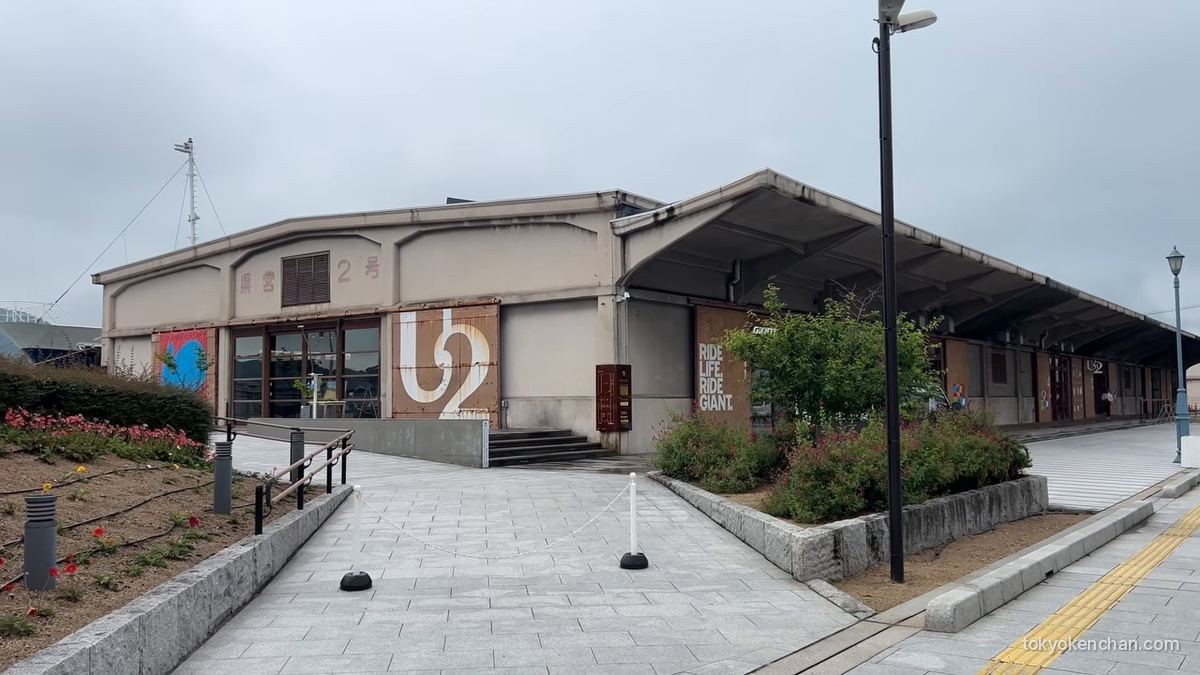
It’s a relief to find a place like this among the old Showa-era streets, and the caffe latte and lemon cake were delicious, just what you’d expect from Onomichi. From there I took a local train to Fukuyama Station and the Nozomi Shinkansen straight back to Tokyo. That was the end of my trip around Yamaguchi and Hiroshima, which began with a long-distance ferry to Kyushu. The day before Onomichi is in my Hiroshima and Miyajima guide.
Questions I Often Get in the Comments
How long did you have on Okunoshima?
I only had 30 minutes on Okunoshima with this boat, and I wish I could have stayed longer. The current official schedule for the Usagi Course lists a longer stop on the island, about 50 minutes. If you want more time with the rabbits, you can also go on your own by ferry from Tadanoumi Port, a 5-minute walk from JR Tadanoumi Station, and the crossing takes about 15 minutes.
Which direction should I ride, and is it windy?
I started in the middle of the Shimanami Kaido, on Ikuchijima Island, and rode toward the northeast. The route goes around the islands, so the direction changes from time to time. For the winter season, I saw several Japanese sites recommending riding toward Onomichi, because of the strong wind blowing from west to east.
Can I bring luggage on the SEA SPICA?
I didn’t check when I was on board, but the Japanese page says there is a luggage space on the boat. However, depending on your plans after you get off, it might be easier to use a luggage forwarding service. If you plan to cycle, it’s better to leave your luggage at your hotel or send it ahead to your next destination.
Is the Shimanami Kaido for everyone?
Not unless you are used to cycling. Each bridge means climbing up to the bridge level, and on some islands you go down and up again. For me, an electric-assist bicycle made it possible, and I rode only part of the route, from Setoda. The sightseeing boat was also a good way to see the islands from a comfortable seat, and it’s easy to fit into a plan because it doesn’t go back to the same port.
Should I stay a night on the way?
Some viewers rode the whole route from Imabari to Onomichi and stayed one night on an island. I think it’s a great idea to stay one night on the way, so you can enjoy more of the scenery. I only rode from Ikuchijima, so I still wonder what it’s like between Ikuchijima and Imabari.
Other places worth knowing (general tourist information): The places below are well-known sights along the Shimanami Kaido and around Onomichi that are not covered in the visit described in this article. Hours and prices change, so check the official pages before you go.
Oyamazumi Shrine (Omishima Island). A large, old shrine on Omishima, the island after Ikuchijima on the way to Imabari, with a treasure hall known for its historic armor and swords. The grounds are free, and adult admission to the Treasure Hall is 1,000 yen; see Visit Shimanami.
Kurushima Kaikyo Bridge and Imabari. The long suspension bridges at the Shikoku end of the Shimanami Kaido, in Imabari. The Kurushima Kaikyo Observatory in Itoyama Park overlooks the bridge and the strait, and admission is free; see Visit Shimanami.
Hirayama Ikuo Museum of Art (Setoda). A museum in Setoda, near Kosan-ji, dedicated to the painter Hirayama Ikuo, who was born on Ikuchijima. Adult admission is about 1,000 to 1,200 yen, depending on the exhibition; see the museum page (Japanese).
Tomonoura. An old port town on the coast east of Onomichi, in Fukuyama City, with Edo-period streets and harbor views. It is about 30 minutes by bus from JR Fukuyama Station, and walking the town is free; see Fukuyama tourism.
Other hotels near Onomichi Station (general information): These are other places to stay around Onomichi Station, listed for convenience. The station is also where one of the main Shimanami Japan rental terminals is.
HOTEL CYCLE, a cyclist-friendly hotel inside ONOMICHI U2, about 5 minutes on foot from JR Onomichi Station.
HOTEL BEACON ONOMICHI, a small hotel directly connected to JR Onomichi Station.
Green Hill Hotel Onomichi, a hotel about 2 minutes on foot from JR Onomichi Station, by the port.
Onomichi Kokusai Hotel, a larger hotel about 4 minutes by car east of JR Onomichi Station, with a shuttle to the station.
Where to next
Onomichi was the last stop of my trip around Yamaguchi and Hiroshima. These are the guides I would read next.
- Hiroshima and Miyajima Travel Guide: the island, Mt. Misen and a night in the city, the day before this trip.
- Hagi Travel Guide: a quiet castle town and beach on the Sea of Japan side of Yamaguchi.
- Matsuyama Travel Guide: the castle, Dogo Onsen and islands, across the Seto Inland Sea in Shikoku.