When people plan a short trip out of Tokyo, Hakone is usually the first name they see. I went as a day trip, starting early from Shinjuku and riding the classic loop of mountain railway, cable car, ropeway and lake ferry. It was crowded. I also made a few mistakes, and I’ll be honest about those here, because I think they’re the most useful part of this guide.
Why I Chose Hakone
For me, Hakone is the easiest “real nature” trip you can make from Tokyo. It’s a mountain hot spring area about 80 km (50 miles) from Tokyo, southeast of Mt. Fuji, and the entrance of the mountain is only about 90 minutes away. It isn’t just hot springs, either. There’s volcanic scenery, a big lake, and history along the old Tokaido road.
I had two reasons this time. First, I wanted to check for myself where in Hakone you can actually see Mt. Fuji. Second, I wanted to step off the usual Hakone “golden route” and find somewhere a little different. In reality, that second part turned out to be harder than I expected.
But the reason I think it’s so popular is that you don’t need a car. The mountain railway, cable car, ropeway and ferry connect almost seamlessly, and buses run between the different parts of the mountain. The downside is the crowds. Still, like most tourist spots in Japan, if you step one block away from the main route, you find quiet places with nature and history.
Here’s the full trip on video if you’d rather watch first.
How I Got There
I went from Shinjuku on the Odakyu line. I originally wanted an early morning Romancecar, but the seat map showed it was already full, so I took an earlier regular train to Odawara (1 hour 12 minutes for me) and the local train on to Hakone-Yumoto. One small thing that helped: I rode in a front car, because the Hakone Tozan Railway platform is right in front of car No. 1, and that decides whether you get a seat for the mountain ride. I used the Hakone Free Pass on my phone, which covered the railway, cable car, ropeway, ferry and buses for the whole loop, so I never had to think about tickets.
My Hakone Day Trip Route
My route was the classic Hakone loop in one day: up the mountain by train and cable car, over Owakudani by ropeway, across Lake Ashi by boat, a short walk on the old Tokaido, then Sengokubara and back down to Hakone-Yumoto. Here’s how it went, in order.
Tozan Railway and Cable Car up to Sounzan
This is said to be the second steepest railway in the world, with three switchbacks on the way up to Gora. It takes about 40–45 minutes. Honestly, the train runs mostly through forest, so you don’t see much of a view from the window. For me, the views aren’t that great, but with the switchbacks I think it’s a fun ride if you like trains.
At Gora there’s a smooth connection to the cable car, which takes about 10 minutes up to Sounzan. It’s all uphill from here.
Ropeway over Owakudani
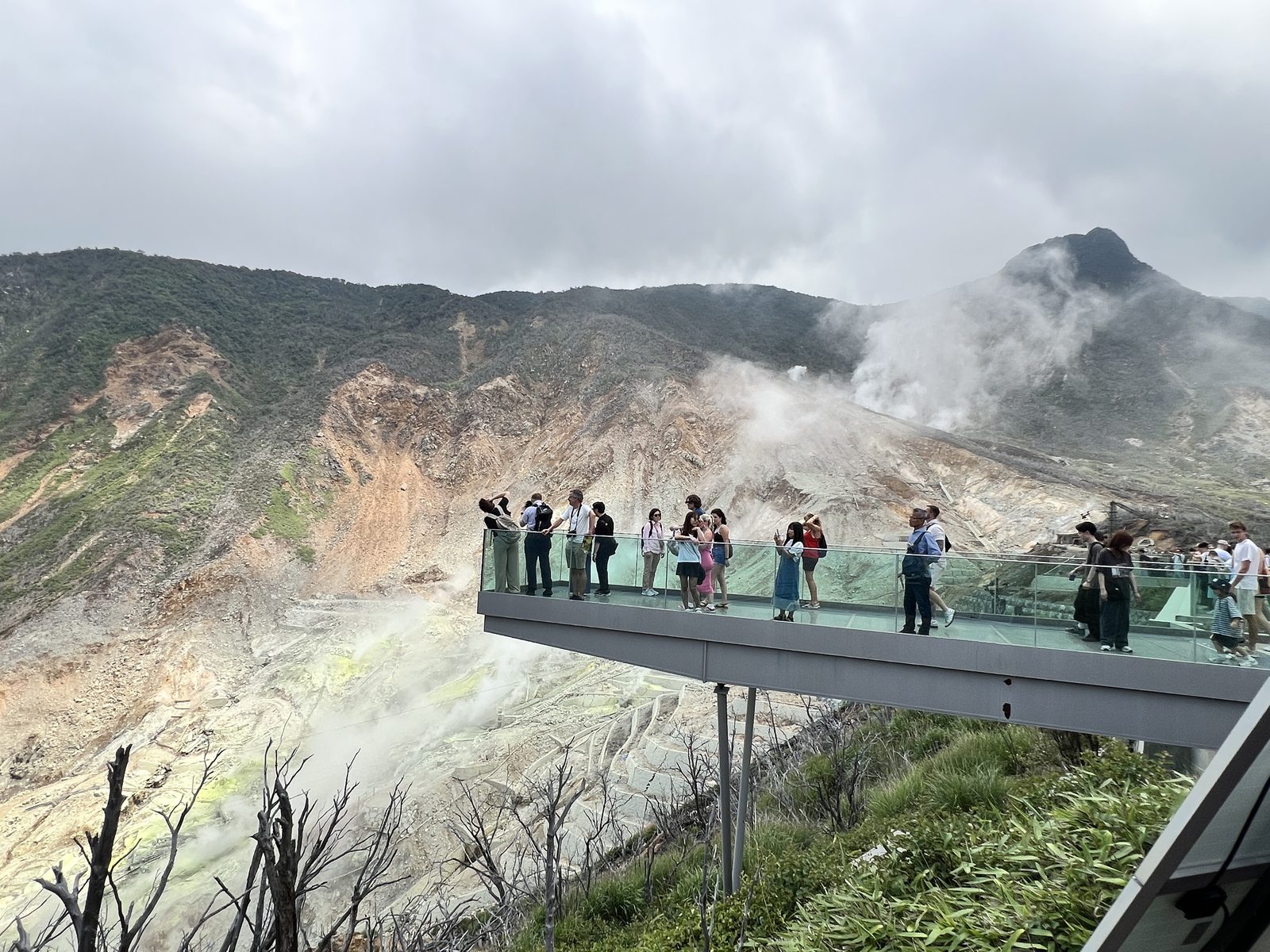
The ropeway climbs even higher, and you can see the ocean in the distance. Then, right after the peak, the volcano and Mt. Fuji suddenly appear. If you only take the bus one way, this surprise is for people doing the loop in this (counterclockwise) direction.
Owakudani is in the middle of the volcano, full of steam. Some walking areas now need a reservation, and slots were limited, so I skipped them this time. The view of Mt. Fuji from here is amazing, and I think it’d be even more beautiful in winter with lots of snow.
At Ubako station, almost everyone got off, but you don’t need to. You can stay on to Togendai, the last stop.
Lake Ashi Ferry to Moto-Hakone
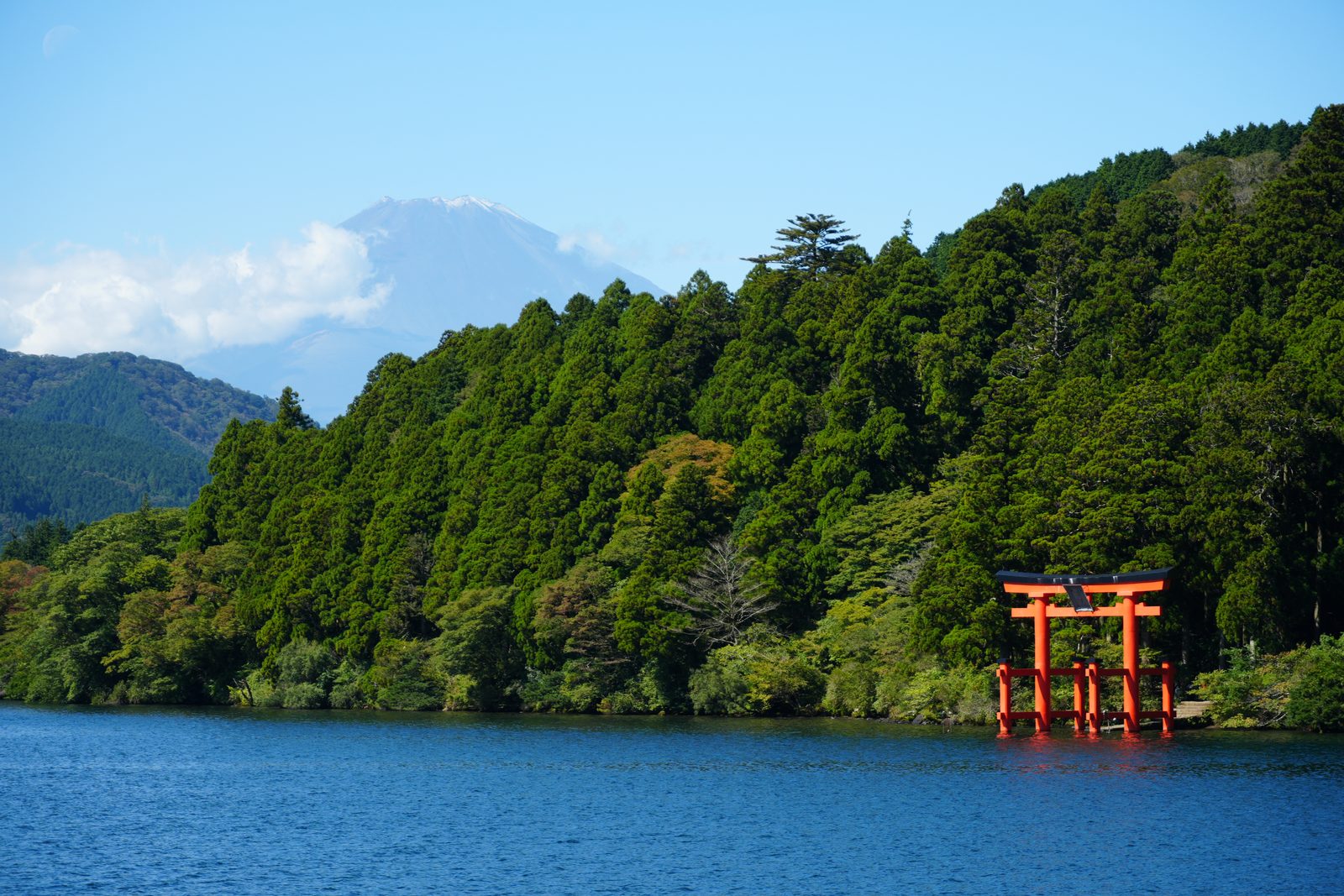
I didn’t go to Hakone Shrine on this day trip. I visited it on a later trip. For me, the view of the shrine’s red torii from the lake, with Mt. Fuji in the distance, is great. The shrine itself, honestly, isn’t anything special.
The ferry waiting area at Togendai was very crowded. Then I found a sign for the premium deck upgrade. I paid the small extra and upgraded.
I think it was a good choice. You board earlier and you get much more space. Most people got off at Moto-Hakone, which was busier.
The Old Tokaido Trail
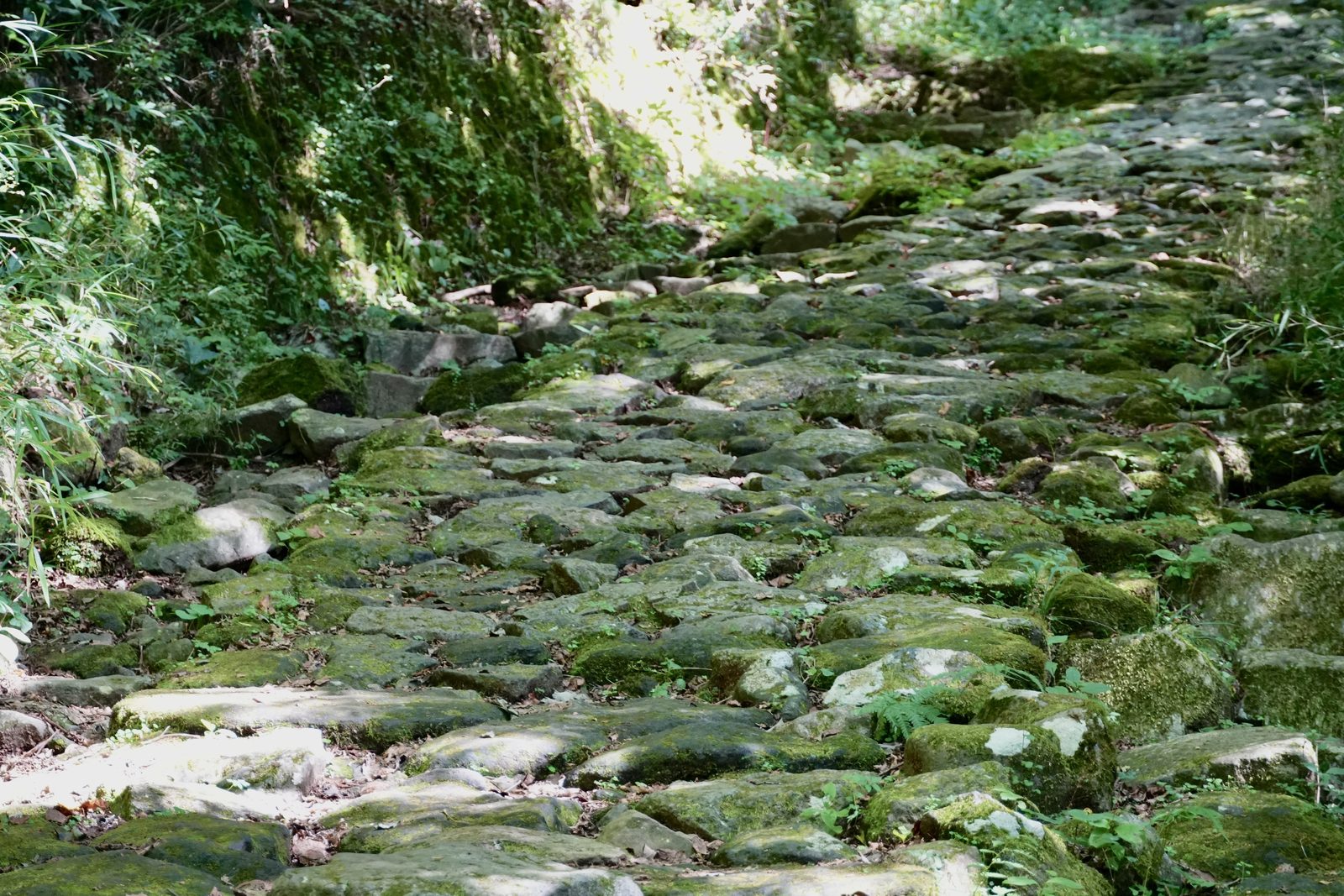
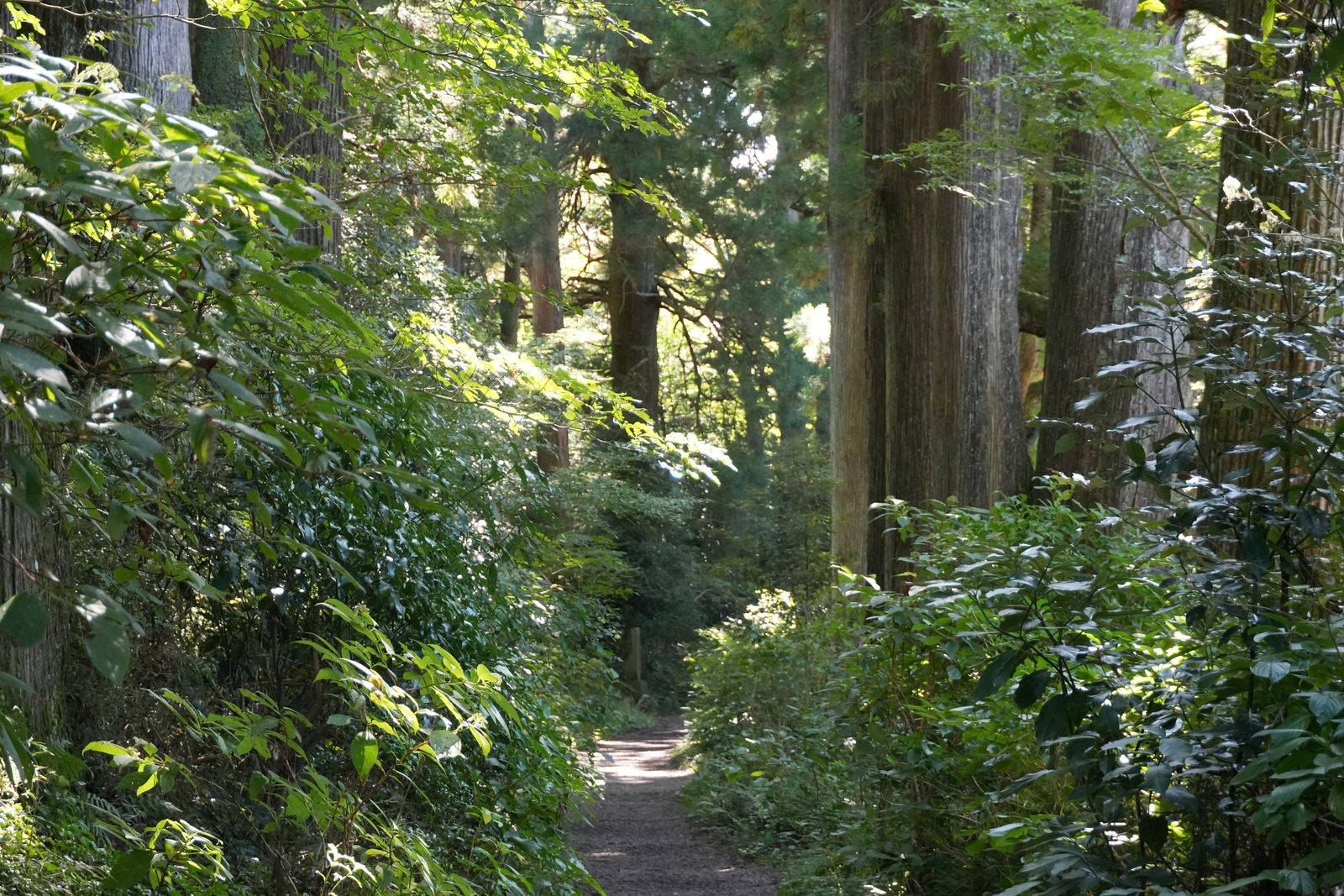
Up to Moto-Hakone is the “golden route” almost everyone follows. After that, it depends on you. I chose the old Tokaido road, the trail lined with cedar trees that once connected Tokyo (Edo) and Kyoto. Between Hakone-machi and Moto-Hakone you can walk part of it. For me it was a good way to get away from the crowds.
The stone-paved path really has the feel of the old Tokaido. Walking up the narrow trail surrounded by huge trees, I found myself imagining the travelers who once walked here. Watch your footing, because the stones are uneven. For me, it was atmospheric.
Sengokubara and the Susuki Fields
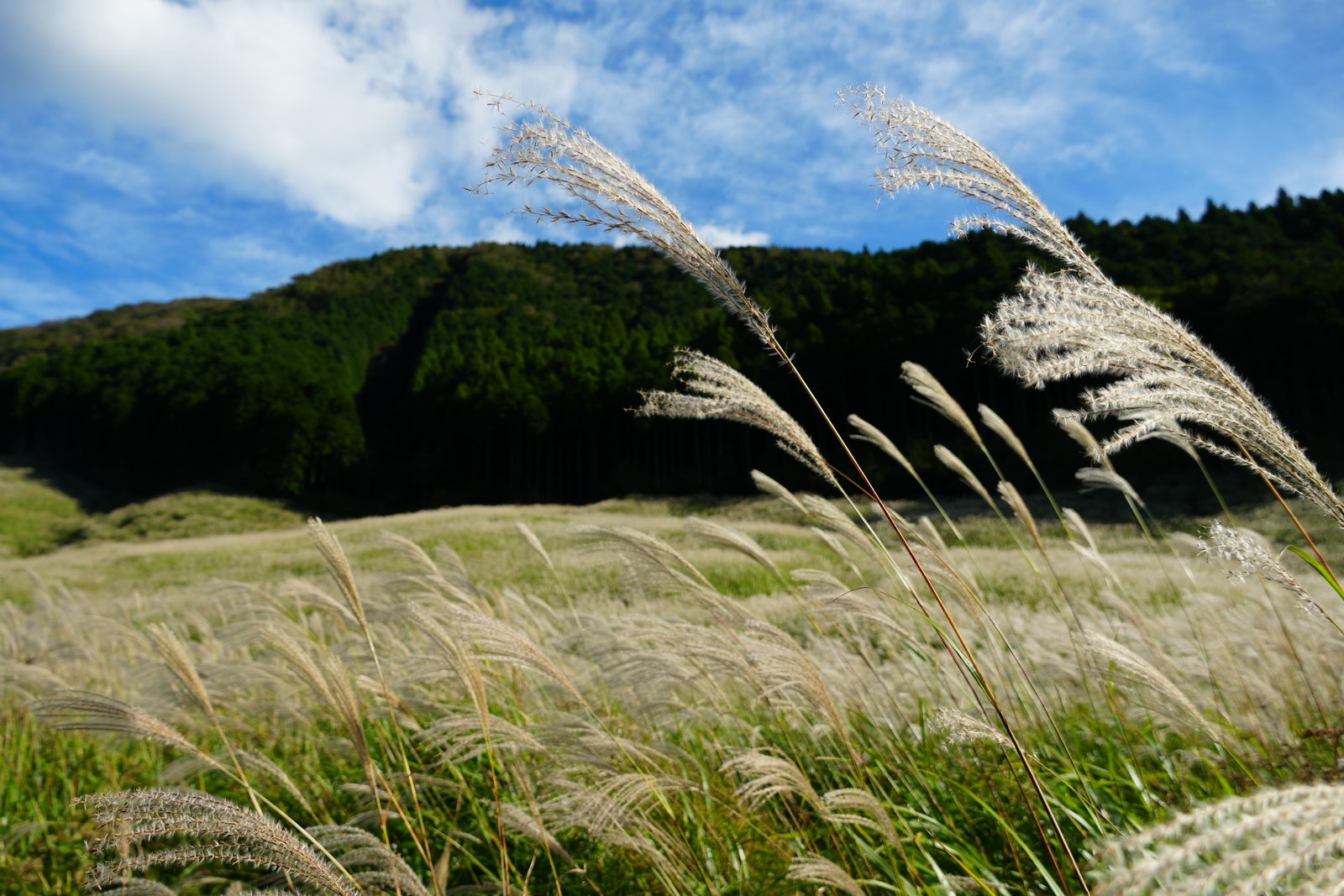
I stayed so long around the old trail that I ran out of time for the Sekisho checkpoint. Then I took the ferry back to Togendai and went to Sengokubara. It’s off the main transport route, but there are lots of hotels, and in autumn the hills are covered in susuki (Japanese pampas grass).
Back Down to Hakone-Yumoto
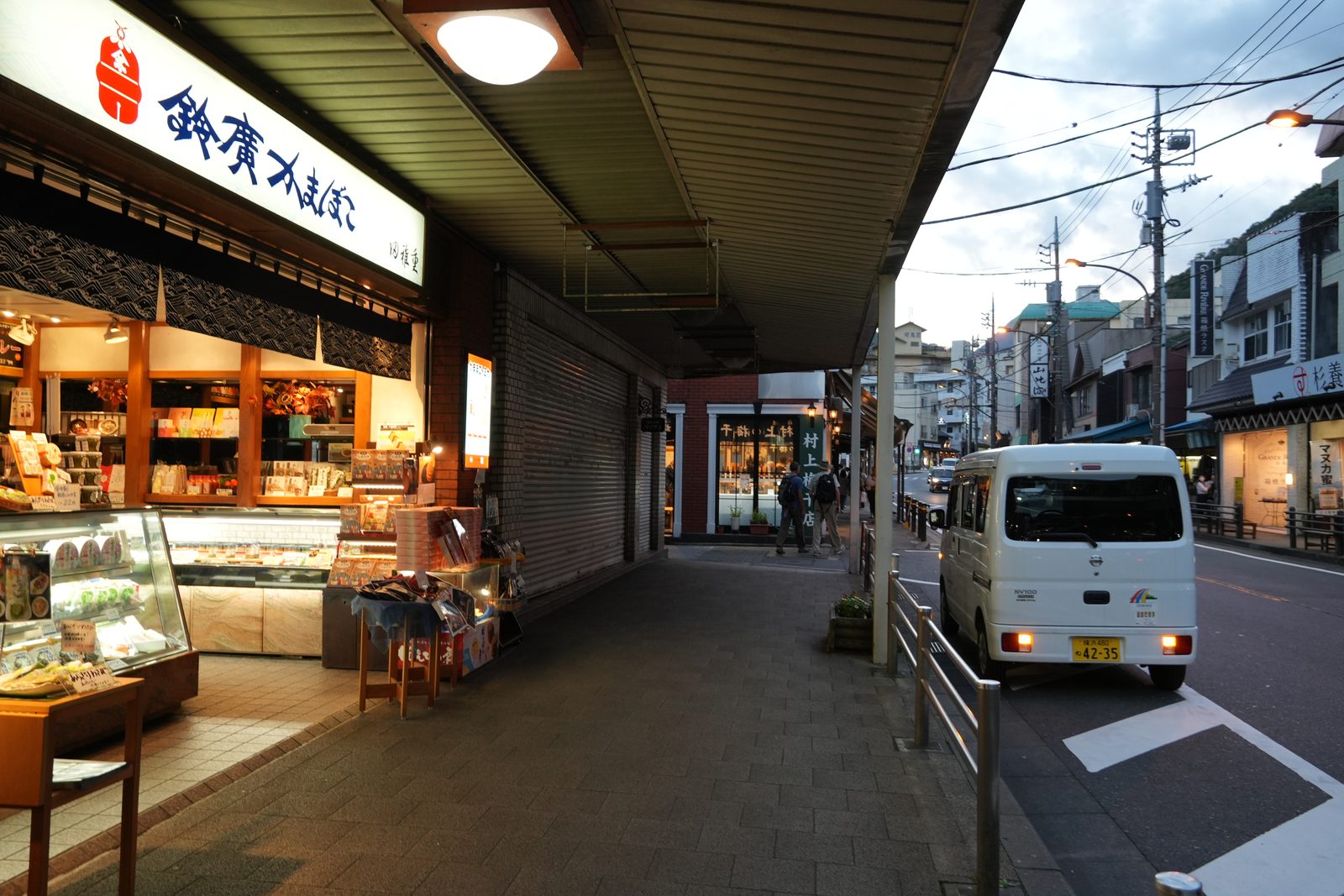
From Sengokubara I took the bus all the way down to Hakone-Yumoto. Hakone-Yumoto has lots of souvenir shops and restaurants and direct trains to Shinjuku, so I think it’s the perfect place to shop before you leave.
What Surprised Me
- The crowds. I knew Hakone was popular, but the main loop was much busier than I expected, especially at the ferry. Expect heavy crowds.
- How long everything takes. By public transport, every move took longer than I planned, so I couldn’t get to as many places as I wanted.
- The mountain railway view. It’s famous, but most of the ride is in the forest.
- Owakudani’s new rules. Walking areas now need a reservation, slots are limited, and I couldn’t find English info.
- Ubako. Almost everyone got off there, though you can stay on to Togendai.
- How much time I lost deciding. I spent about an hour just thinking about what to do next, and that cost me lunch, museums, and even a hot spring.
Where to Stay
I did this as a day trip, but Hakone is a hot spring town, and I think it’s worth staying one night at a ryokan if you can, especially if you’re not staying at other onsen places on your Japan trip.
(PR) Check Kiritani Hakoneso (Gora) on Expedia
This guide is about a day trip, so a stay is just an option. I’ve stayed at both Kiritani Hakoneso and Tokyu Harvest Club before. One thing I like: the water in Gora is partly milky, cloudy nigori onsen, while Hakone-Yumoto’s water is clear and not like that at all. So if you want that classic cloudy hot spring, for me Gora is the place.
What I Ate
Honestly, almost nothing. I tried a restaurant around lunchtime, but it was so busy that I gave up, and I didn’t eat until dinner at Odawara station. So my advice is: get something to eat at Shinjuku and eat on the train, and plan a lunch spot ahead. To be honest, I don’t think Hakone really has a signature local dish. For me, the best food experience here is simply staying at an onsen ryokan and having a Japanese washoku dinner.
What I’d Do Differently Next Time
- Plan the afternoon before I go. Pick one or two must-sees after Moto-Hakone and go straight there.
- Stay one night. I didn’t get into a hot spring on this day trip.
- Bring food. Eat on the train, or book lunch.
- Go up by train, come back by bus. Hakone is on the Golden Route, so it’s hard to go off the standard path. But if you do the loop, I think going up on the Tozan Railway and coming back down by bus is more fun and easier.
- Leave time for the Sekisho checkpoint, which I missed.
- Come in winter for a snowy Mt. Fuji from Owakudani.
Would I Come Back?
Yes. For me, Hakone’s big draw is the Mt. Fuji views. Compared with Nikko, you can get around Hakone without relying on buses, so I think it’s a good choice if you don’t like buses. For nature and that feeling of really being on a trip, Nikko wins for me. If you like trains, the Tozan Railway switchbacks are fun, and the old Tokaido trail is atmospheric. Everything takes longer than you expect by public transport and it’s very crowded, so next time I’d plan fewer stops.
FAQ
Can I do Hakone as a day trip from Tokyo?
Yes, I did. Start early and decide your afternoon plan in advance. If you can, I think one night at a ryokan is better.
Can I visit Kawaguchiko and Hakone in one day?
On public transport, I think it’s difficult. A tour might make it possible. Each place takes a full day, so I’d stay one night or do them on separate days.
Official Links
- Hakone Free Pass (Odakyu)
- Romancecar reservations
- Mt. Fuji & Hakone day tour (Klook)
- Nikko day trip from Tokyo


