This post contains affiliate links. If you book through them, I may earn a small commission at no extra cost to you. Learn more.
When someone visiting Tokyo for a short time asks me where to go for a day trip, I usually say Kamakura. It was the seat of Japan’s government for about 150 years from the late 12th century, and many beautiful temples from that time still stand. The town sits between the mountains and the sea, which feels like a different world from Tokyo.
Kamakura is easy to reach, with frequent trains, but it is bigger than most people expect, and every time I go I end up exhausted. I have made five videos about Kamakura so far. Here is what I learned from those trips: how to get there, how the town is laid out, and the places I enjoyed most, from Kita-Kamakura to the beach and Enoshima.
Getting to Kamakura from Tokyo
Kamakura Station is on the JR Yokosuka Line, which runs through Tokyo Station, Shinagawa and Yokohama. The ride from Tokyo Station takes about an hour, and the regular trains have toilets on board. The fare from Tokyo Station is about 1,000 yen one way.
If you are on the JR Tokaido Line instead, change to the Yokosuka Line at Totsuka, a few stops after Yokohama. Totsuka is handy because you just wait on the same platform, with no stairs. From Shinjuku or Shibuya, the Shonan-Shinjuku Line works too: take a train bound for Zushi, or change at Totsuka the same way.
If you are staying near Shinjuku, the Odakyu Line is another option. It does not go to Kamakura Station, but it reaches Katase-Enoshima, on the Enoshima side. Odakyu’s Enoshima-Kamakura Freepass is 1,640 yen from Shinjuku and includes the round trip plus unlimited rides on the Enoden for the day, so it is cheaper than buying JR and Enoden tickets separately.
Kamakura is bigger than you think
The sights are spread across several areas: Kita-Kamakura, the station area with Tsurugaoka Hachimangu, the temples east of the station, Hase with the Great Buddha, the coast around Shichirigahama, and Enoshima. Honestly, you would need about three days to see the whole area. Try to see everything in one day and it turns into a checklist.
If you want to spend enough time in each place, three or four areas is the maximum for a day: one in the morning, one around lunch and one in the afternoon. Put your favorite place first thing in the morning. That is when you have the best chance of seeing it with fewer people, hearing the sound of birds.
Kamakura gets very busy, so avoid weekends if you can. Even on weekdays, I noticed that most visitors gather in the same few spots while places nearby are almost empty. It also depends on the rest of your trip. If you will see plenty of temples in Kyoto, you might focus on the ocean side and Enoshima, which you cannot get in Kyoto.
Kita-Kamakura: where I started to like Kamakura
Kita-Kamakura is one stop before Kamakura when you come from Tokyo. When I was young, I thought of Kamakura as a typical sightseeing town with busy souvenir streets, and it didn’t leave a special impression. Then I visited Kita-Kamakura, and that is when I started to like Kamakura. As soon as you step off the train, you feel like you are in the mountains.
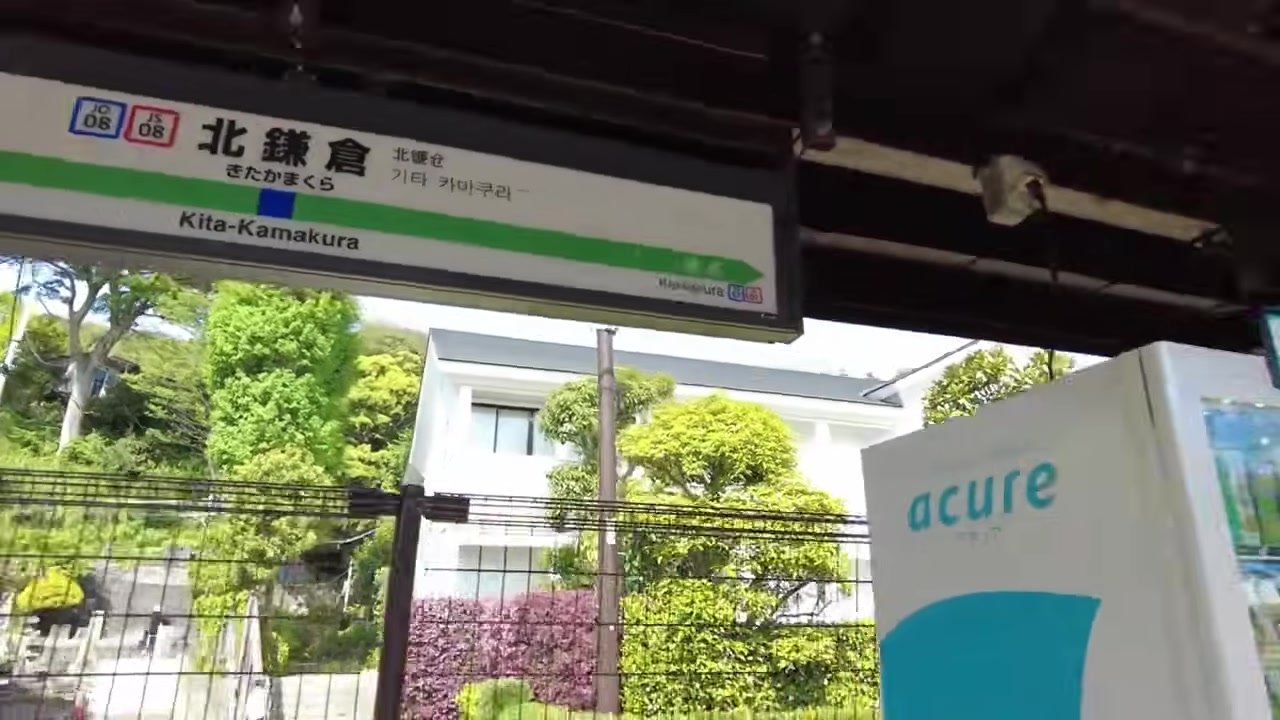
Three major temples are close to the station: Engaku-ji, Meigetsu-in and Kencho-ji. One time I only had time for Meigetsu-in, which is small but has a beautiful garden, about eight minutes on foot. A clear stream runs beside the road up the slope, and the air felt so pure that I forgot Tokyo was so close.
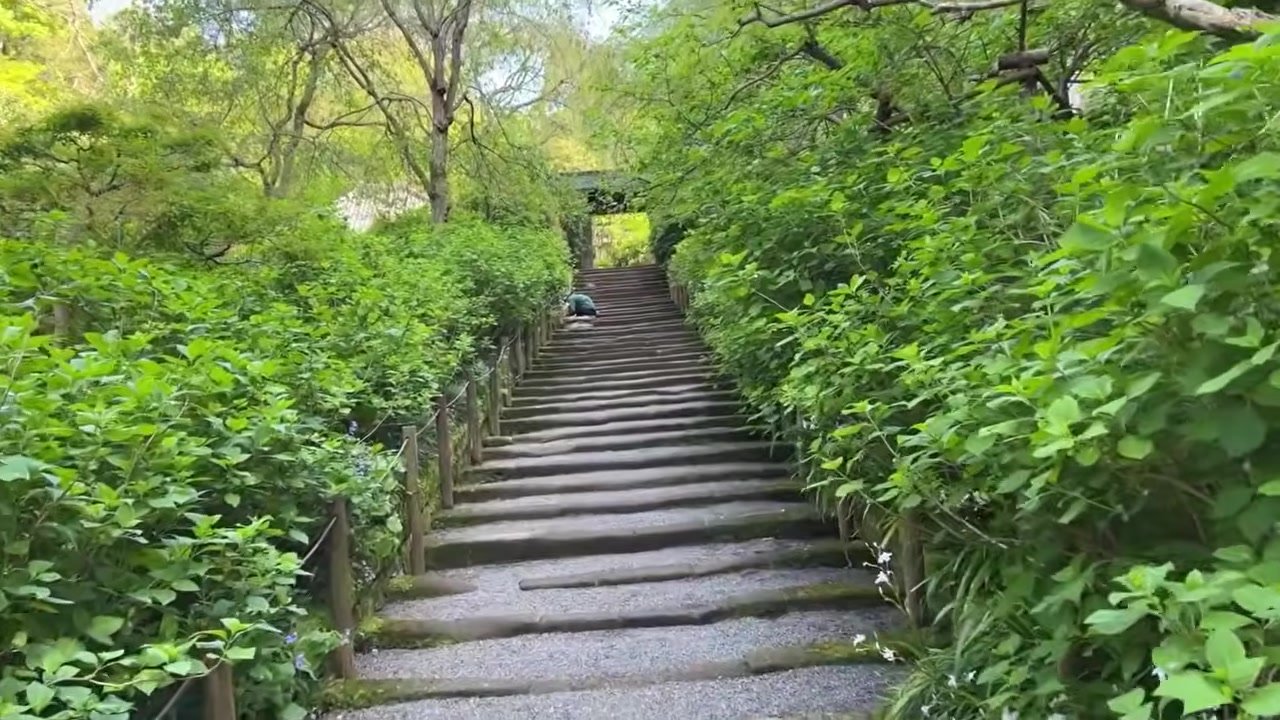
Meigetsu-in is famous for hydrangeas, but I went just before they bloomed, so there were few people and the fresh green was beautiful too. Once the flowers open in June, crowds rush in and it is hard to enjoy that kind of quiet. Jochi-ji (Japanese), about five minutes from the station, has a lovely bamboo grove and is open 9:00 to 16:30 for 300 yen.
From Meigetsu-in I walked to Tsurugaoka Hachimangu. It is about a mile, but almost all downhill and easy. There is a bonus, too: the main shrine sits on a hill up long stairs, and coming from the Kita-Kamakura side lets you skip them. If you would rather walk less, take the train one stop from Kita-Kamakura to Kamakura.
Tsurugaoka Hachimangu and Komachi-dori
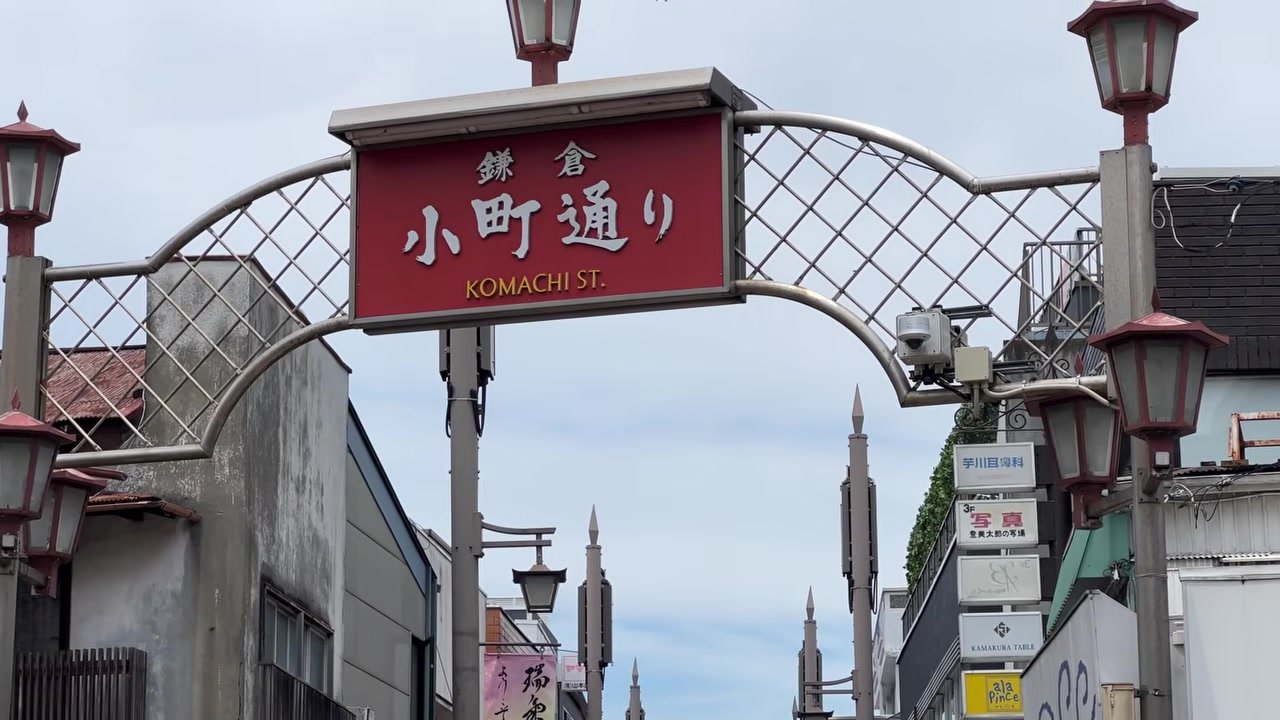
The station area is probably where everyone goes. Tsurugaoka Hachimangu is the big shrine at the top of town, and Komachi-dori is the shopping street that runs from the station toward it. If you can’t manage the long stairs, you can still see the shrine from a distance, so don’t worry. On the way from the station, you can walk Komachi-dori or a quieter path beside it.
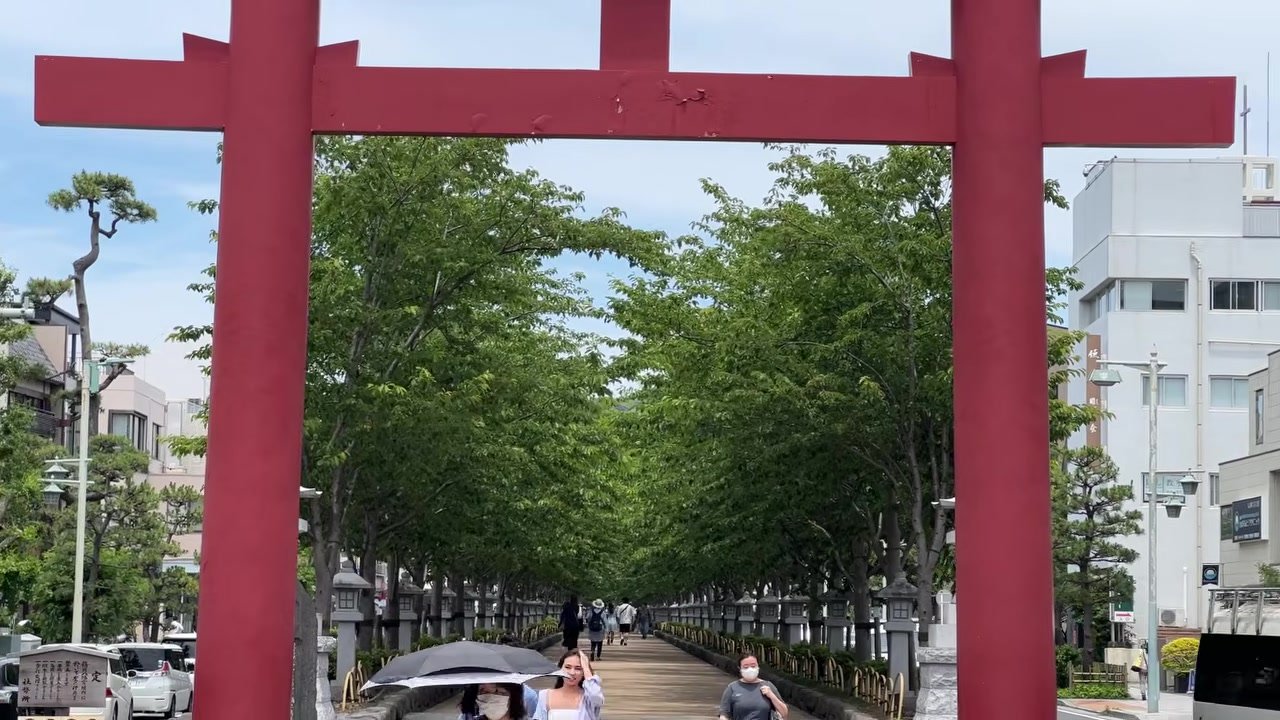
Komachi-dori is lined with souvenir shops and restaurants, and it is a good place to come down to for lunch after a morning of sightseeing. I bought iso-age, a kind of fried fish cake, at one of the shops. It was freshly fried and very delicious. Many places are touristy, but that is part of the fun.
Hokokuji and the temples east of the station
On the east side of Kamakura Station there are several temples, including Hokokuji, Jomyoji and Ichijo Ekan Sanso. I took a bus from the station and got off at the Jomyoji stop, about 10 minutes. It is uphill and a little far, so I recommend the bus, though you can walk. Buses are not flat fare: get on at the back, tap your IC card, and tap again when you get off at the front.
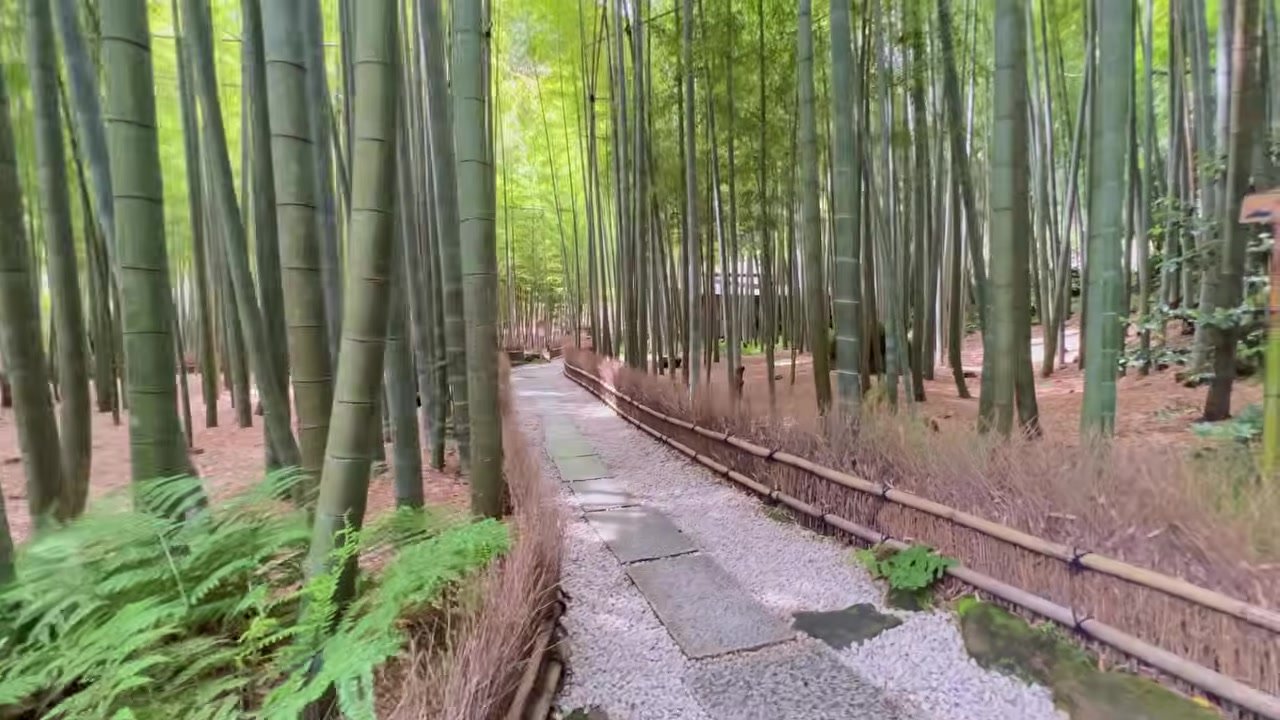
Hokokuji (Japanese) is known for its bamboo garden, and it was very quiet and very nice. You can have matcha with a small dry sweet while looking at the bamboo. The official page lists admission at 400 yen, 9:00 to 16:00, with matcha for 600 yen sold until 15:30. It is closed from December 29 to January 3.
A few minutes’ walk away, Ichijo Ekan Sanso (Japanese) is a garden with a tea house built in Kyoto in the 17th century and moved to Kamakura. I went in hydrangea season, and the garden by the river was full of different hydrangeas and other flowers. Entry is usually 700 yen and 1,000 yen in June and from mid-November to mid-December. It is open 10:00 to 16:00, and preschool children can’t enter.
West of the station: Sasuke Inari and Zeniarai Benten
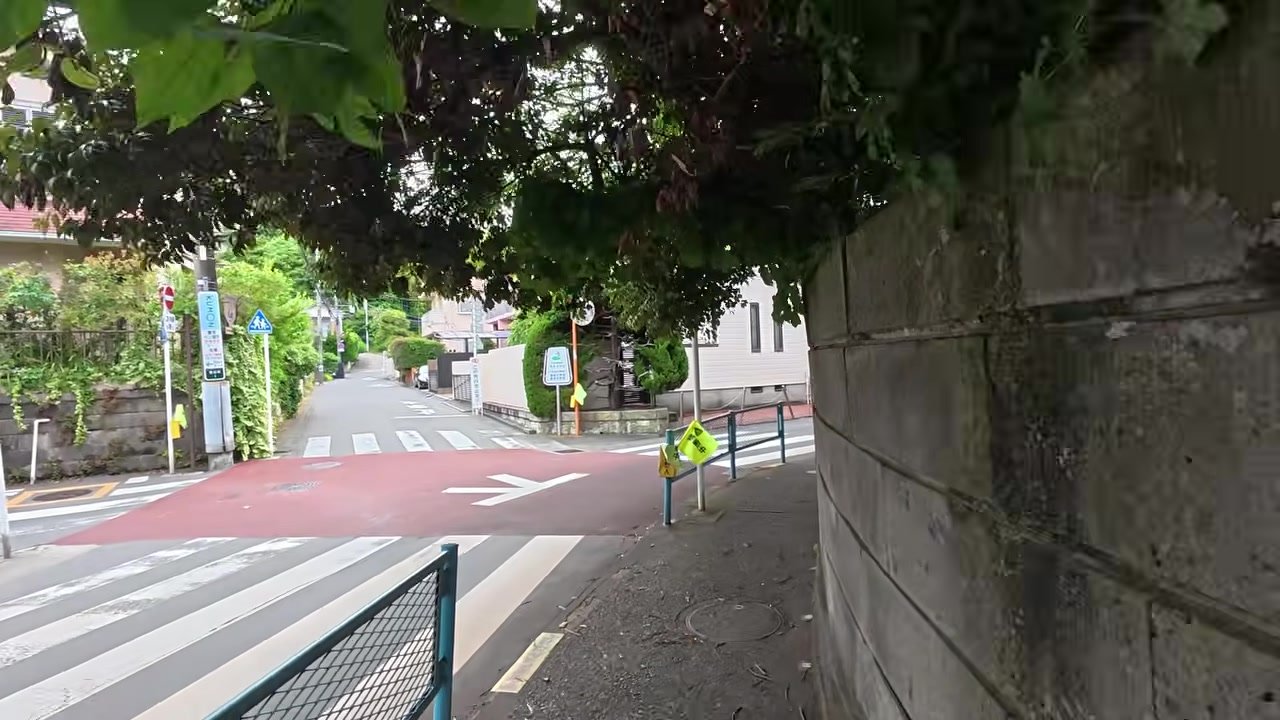
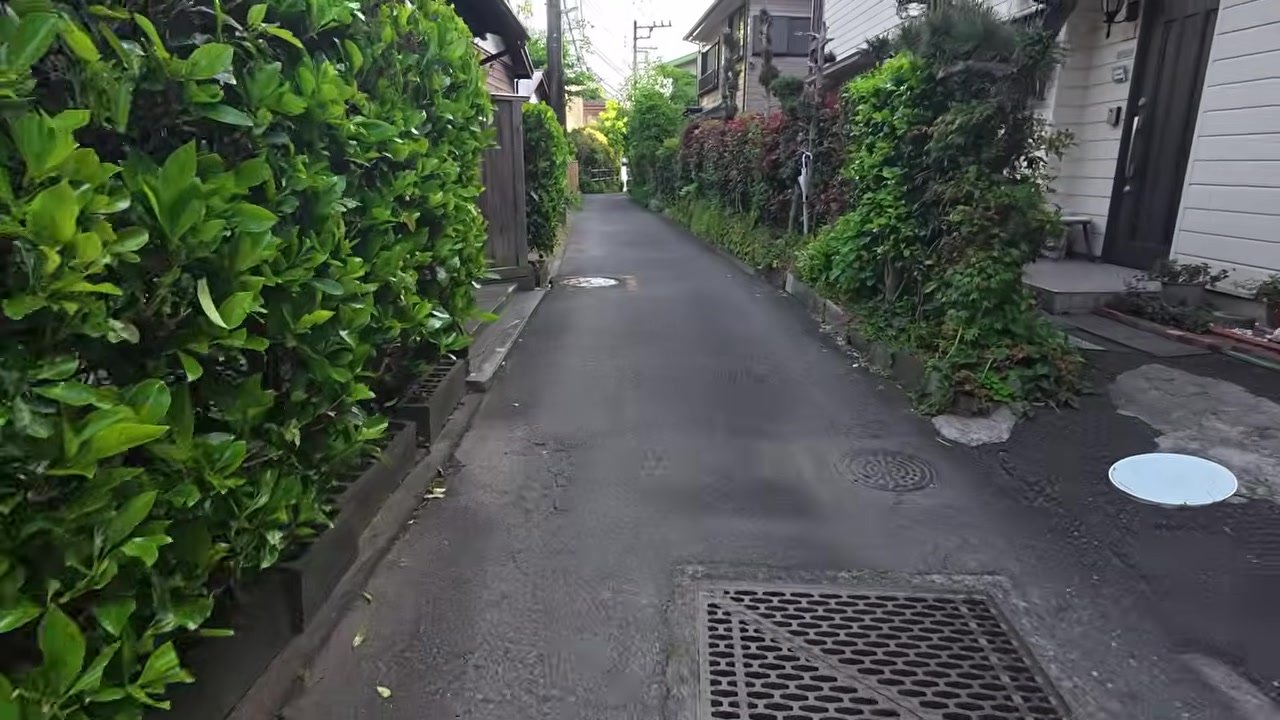
On another trip I skipped the usual Tsurugaoka Hachimangu and Great Buddha route and headed to the west side of Kamakura Station instead. The distances between places are short, so if you like walking you don’t need the Enoden or buses. Every street has a slightly different feel, and many have a little stream running alongside.
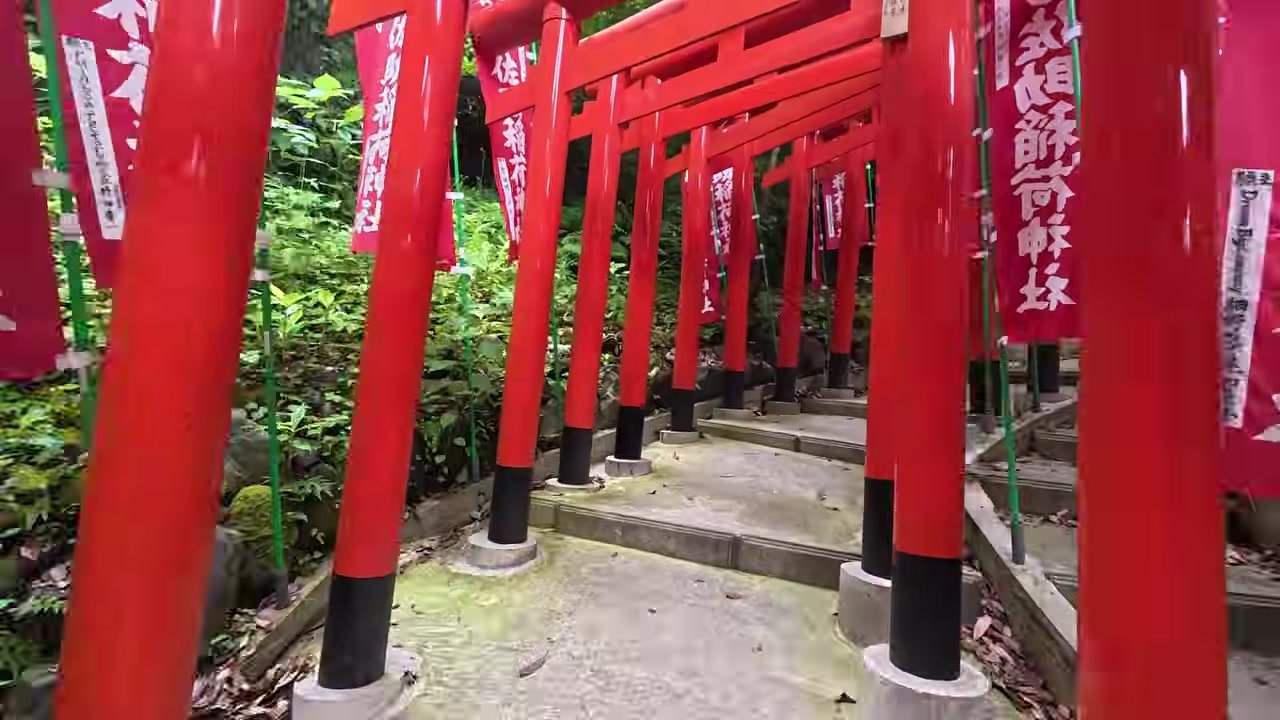
Sasuke Inari Shrine is not big, but the line of red torii gates leading up into the forest is beautiful, and you feel completely surrounded by nature. I bought an omamori charm for my pug Kenny, hoping he would stay healthy. It is a very nice place to visit.
From there I walked to Zeniarai Benzaiten, which you enter through a tunnel in the rock. People come here to wash their money in the spring water, wishing for good fortune. When I arrived it was empty because it was right before closing, and money washing had already finished for the day. The way up was steeper than I expected, and I was glad I wasn’t rushing.
Close by is Genjiyama Park, with a nice view of the mountains and the statue of Minamoto no Yoritomo, the founder of the Kamakura shogunate. It is close to Kamakura Station on the map, but there is no direct path up, so not many people come. I could hardly believe I was in Kamakura.
Hase: the Great Buddha and Hasedera
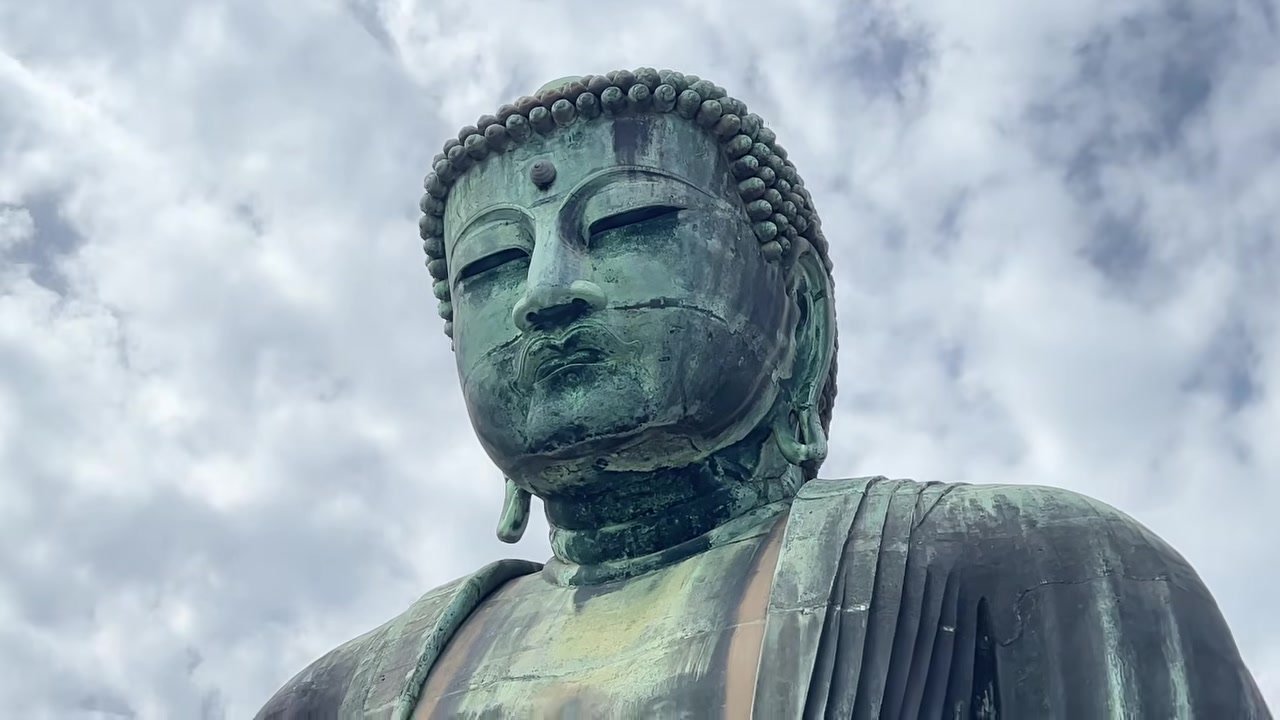
Hase has Kamakura’s two most famous temples. The Great Buddha is a bronze statue from the 13th century that you can still see sitting in the open air. Hasedera has several amazing Buddhist statues and a view over the ocean. Hase is the third stop from Kamakura on the Enoden, about five minutes for 200 yen.
At Kotoku-in, home of the Great Buddha, admission is 300 yen, plus 50 yen to go inside the statue. It is open 8:00 to 17:30 from April to September and 8:00 to 17:00 from October to March, with last entry 15 minutes before closing. Eating and drinking are not allowed on the grounds.
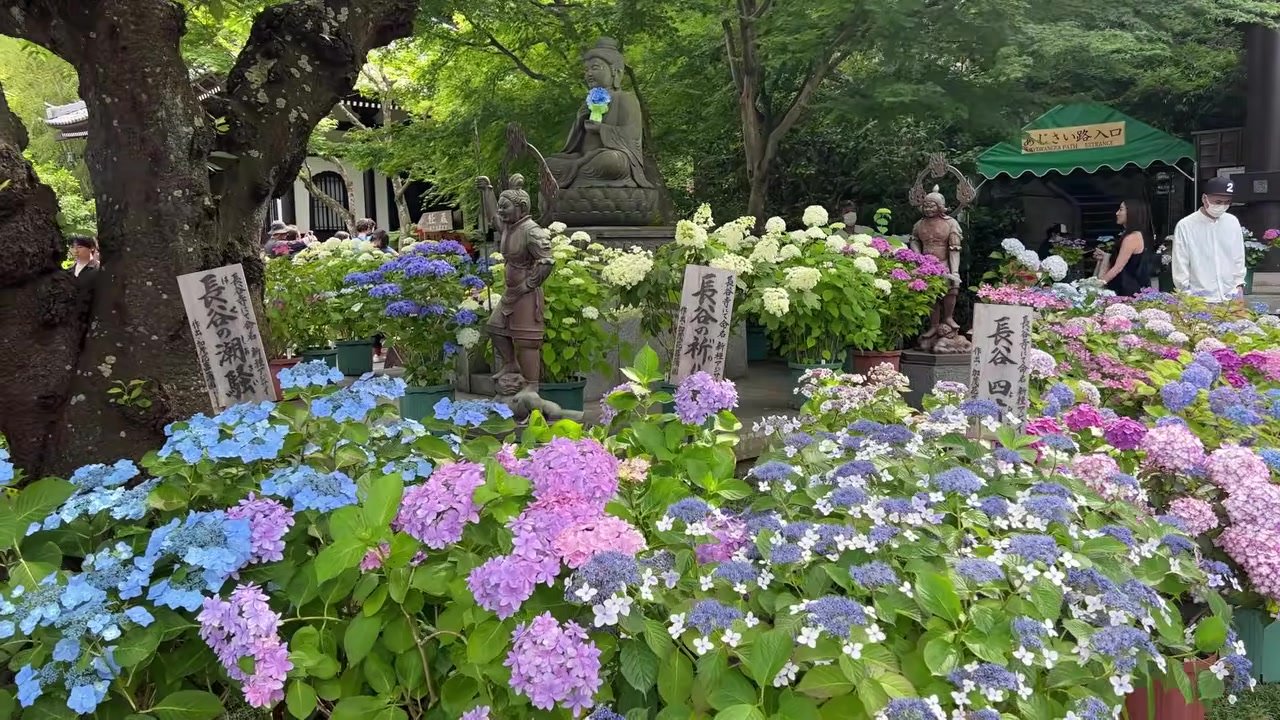
Hasedera (Japanese) is 400 yen. Entry is usually 8:00 to 16:30, and 8:00 to 17:00 from April to June. When I visited in hydrangea season, there was an extra charge for the hillside path. In my experience, many temples stop letting people in around 16:30, so if there is one you really want to see, plan to arrive in time.
The Daibutsu Trail: Kamakura on foot
If you want to skip the crowds and you like a bit of hiking, the Daibutsu Trail is a good option, even for beginners. It starts near Jochi-ji in Kita-Kamakura and runs along the hills around the town. I walked it from the Kita-Kamakura side, and it felt like a completely different Kamakura. You can watch the whole walk in my trail video.
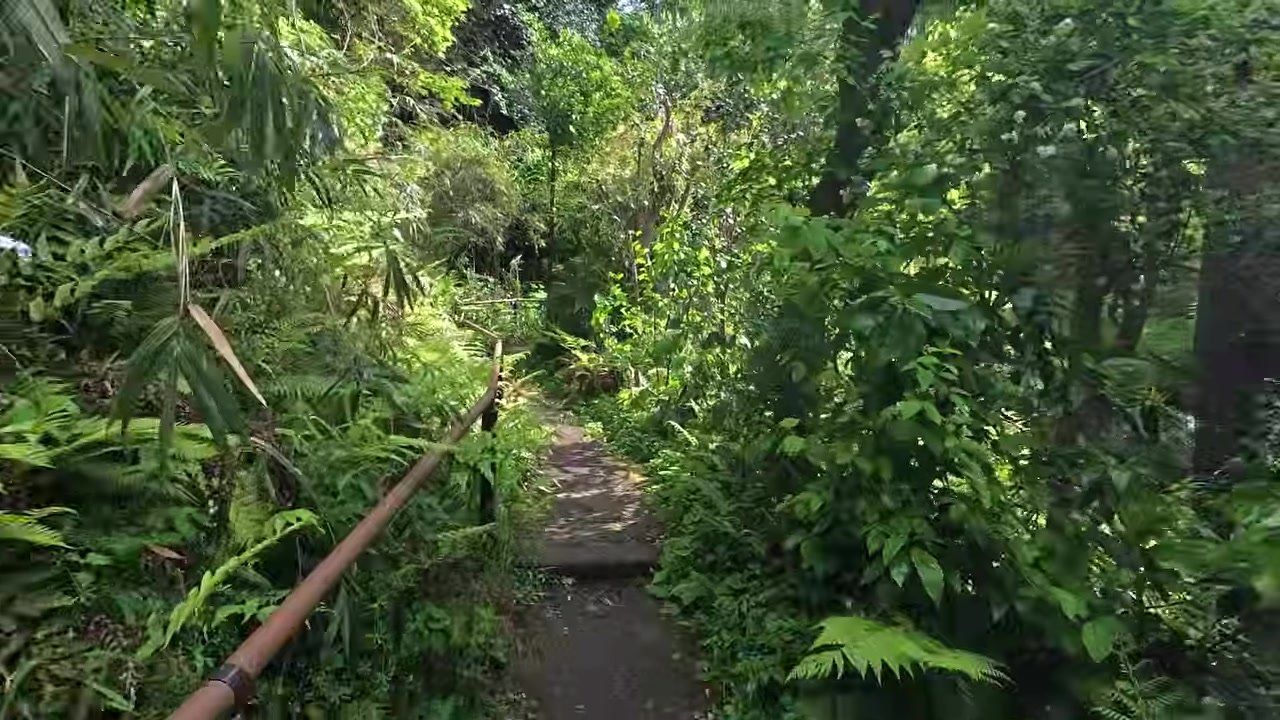
The path goes through ferns and bamboo, then turns into a dirt mountain trail. It is not difficult, but there are some steep parts, and roots and branches stick out, so watch your step. It can be quite muddy after rain. On my windy day, branches were actually falling. Past Kuzuharaoka Shrine, a calm little shrine on the way, I hardly saw anyone.
The Kamakura City Tourist Association (Japanese) lists the course from Kita-Kamakura Station to the Great Buddha as about 3 km and 90 minutes. It is a natural mountain path, so wear proper shoes. They also warn that hornets are active from summer to autumn. If you don’t enjoy hiking, choose a paved route instead.
I also wandered down toward Gokurakuji on the Enoden, and it was surprising how much it felt like the countryside, even though it is so close to Tokyo. Gokurakuji Temple was already closed when I got there, so I just had a quick look inside the gate.

The Enoden and the coast
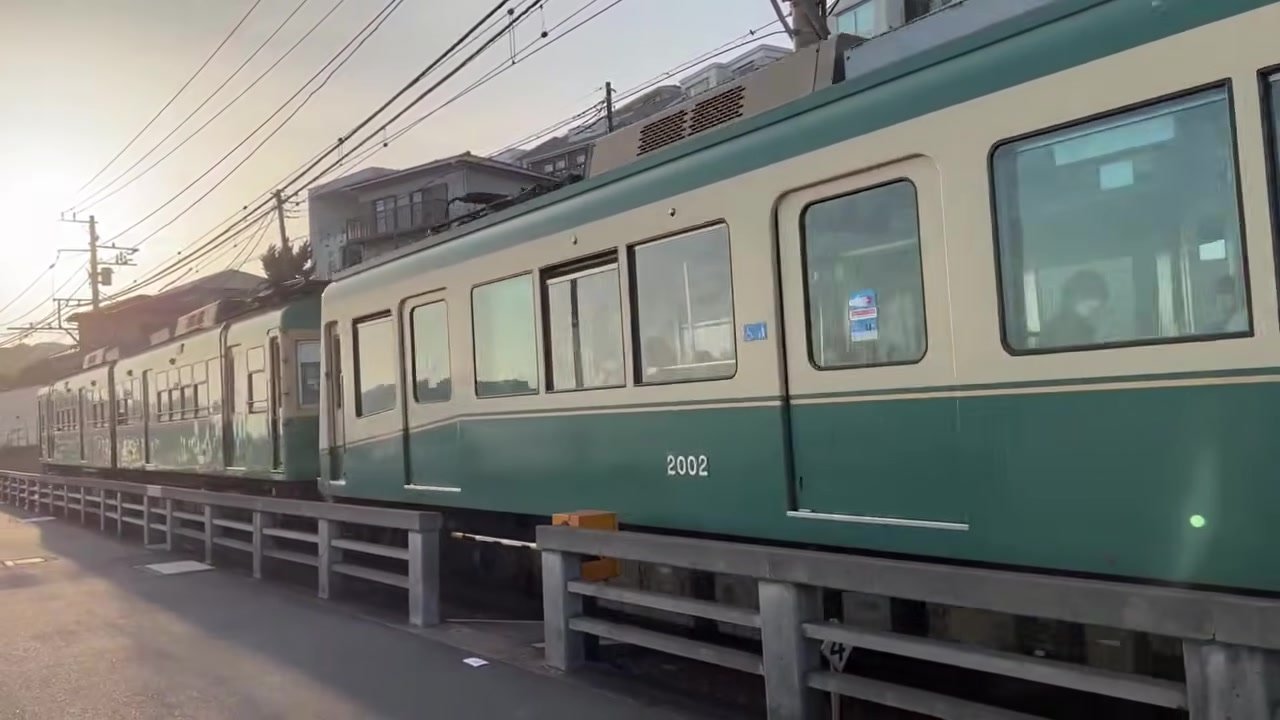
The Enoden is the little local train that connects Kamakura Station with the shore and Enoshima, and riding it slowly through town to the beach is part of the fun. Even if you stay in Tokyo, which is also on the Pacific, you don’t get many chances to see a beach there. The closest stations to the water are Shichirigahama and Kamakura-Kokomae.
From Kamakura, the Enoden takes about 23 minutes to Enoshima Station for 260 yen. If you plan to get on and off a lot, the Noriorikun one-day pass is 800 yen. Since the minimum fare is 200 yen, it pays off from about four rides (official page, Japanese).
At Kamakura-Kokomae you can see the ocean from the platform. The railroad crossing nearby became famous from an anime, and it is now crowded with people taking photos, with guards asking visitors not to stand in the street. When I came here when I was young, there were only local high school students. Unless you are a big fan of the anime, I don’t think it is worth the stop.

By late afternoon you will probably be tired, and the day gets long if you go all the way to Enoshima. If you can’t make it that far, Shichirigahama Beach is still a good place to spend time. The Pacific Drive-In right on the coast is a nice spot to rest, with Enoshima in view.
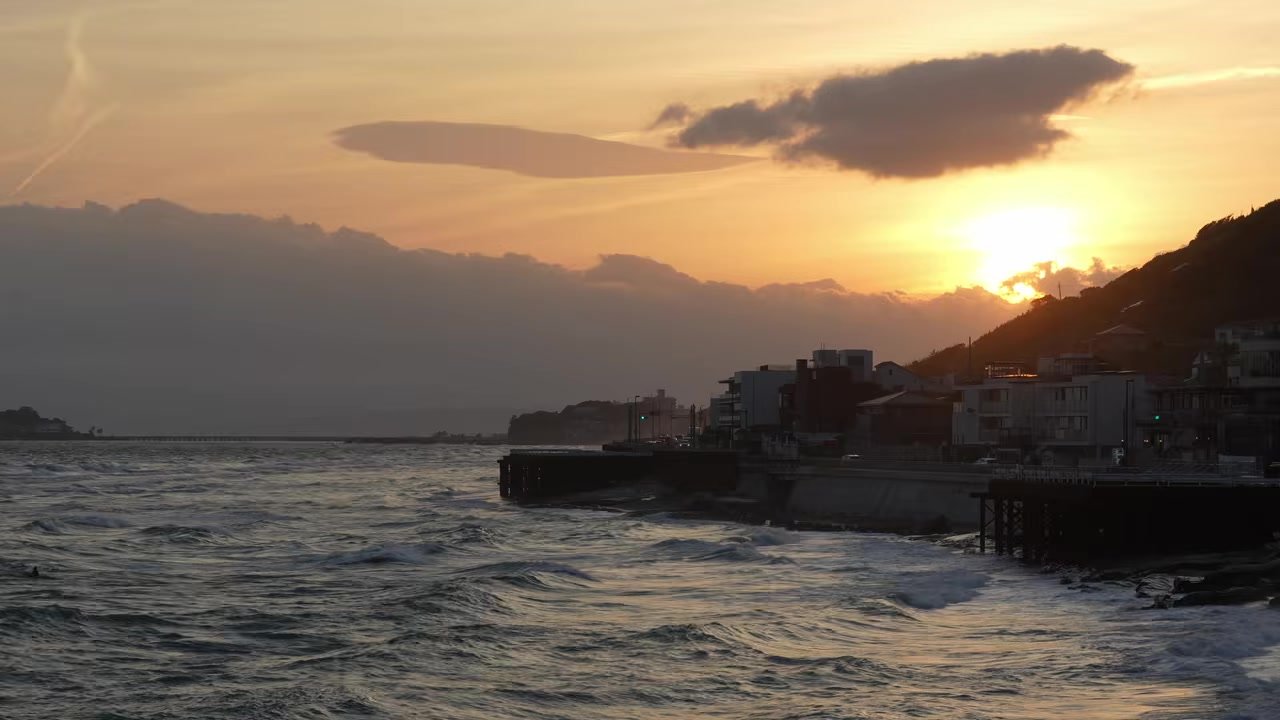
For sunset, I like Inamuragasaki, a small cape with a view of Enoshima and, on clear days, Mt. Fuji over Sagami Bay. Lots of people were already waiting for the sunset when I got there. I ate at Farmers Chicken, which had just opened for dinner, and had a plate with roast chicken and a sandwich. It was simple, but a perfect match for that view.
Enoshima: shrines, escalators and the Sea Candle
Technically Enoshima is not in Kamakura City, but people from Tokyo have been coming here since the old days, and it is often visited on the same day. The island has shrines, an observation tower and a small street of souvenir shops. It is a good place to feel the atmosphere of an old-style Japanese tourist spot.
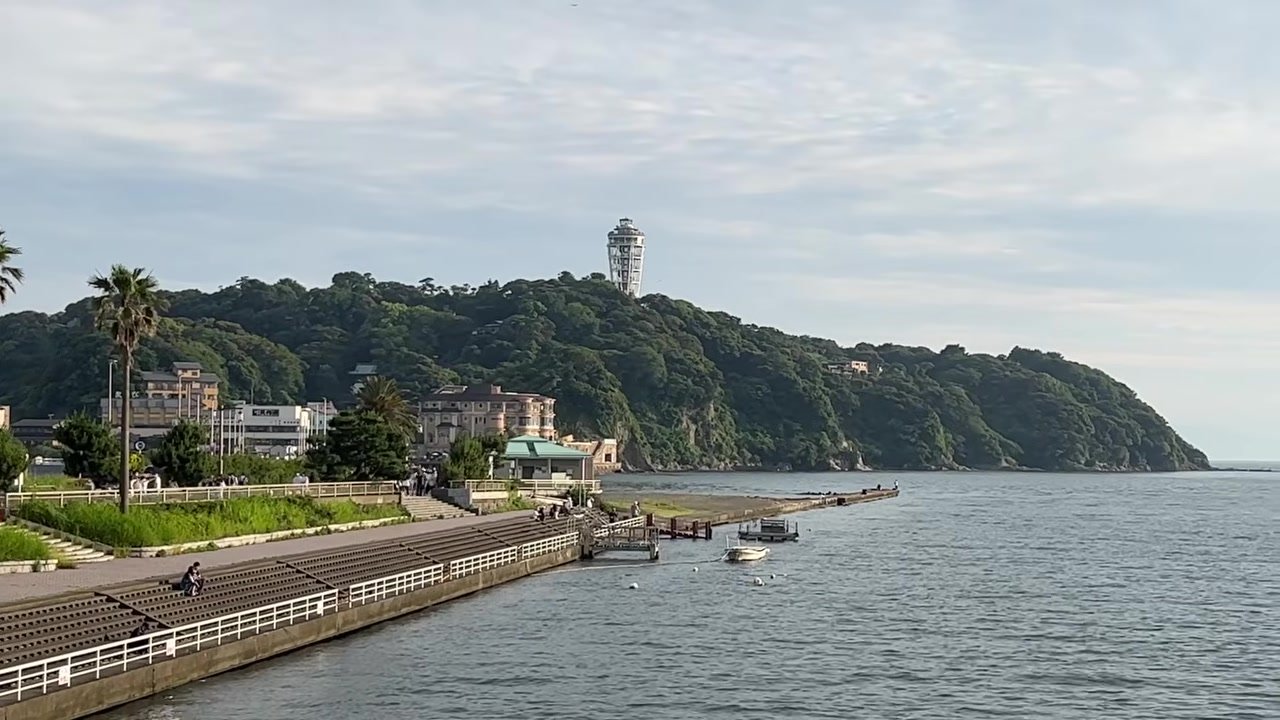
It is a long walk out to the island, so once you get there, take the Enoshima Escar, three outdoor escalators up past Enoshima Shrine. They checked my ticket with the QR code between sections, so I held onto it until the top. Up there is the Samuel Cocking Garden, with a rose garden, the remains of an old greenhouse and the Sea Candle observation tower.
The official ticket page (Japanese) lists the Escar at 500 yen for all three sections and the Sea Candle at 800 yen, or 1,100 yen for a set ticket with both. The garden is free from 9:00 to 17:00. On event nights, you pay to stay after 17:00.
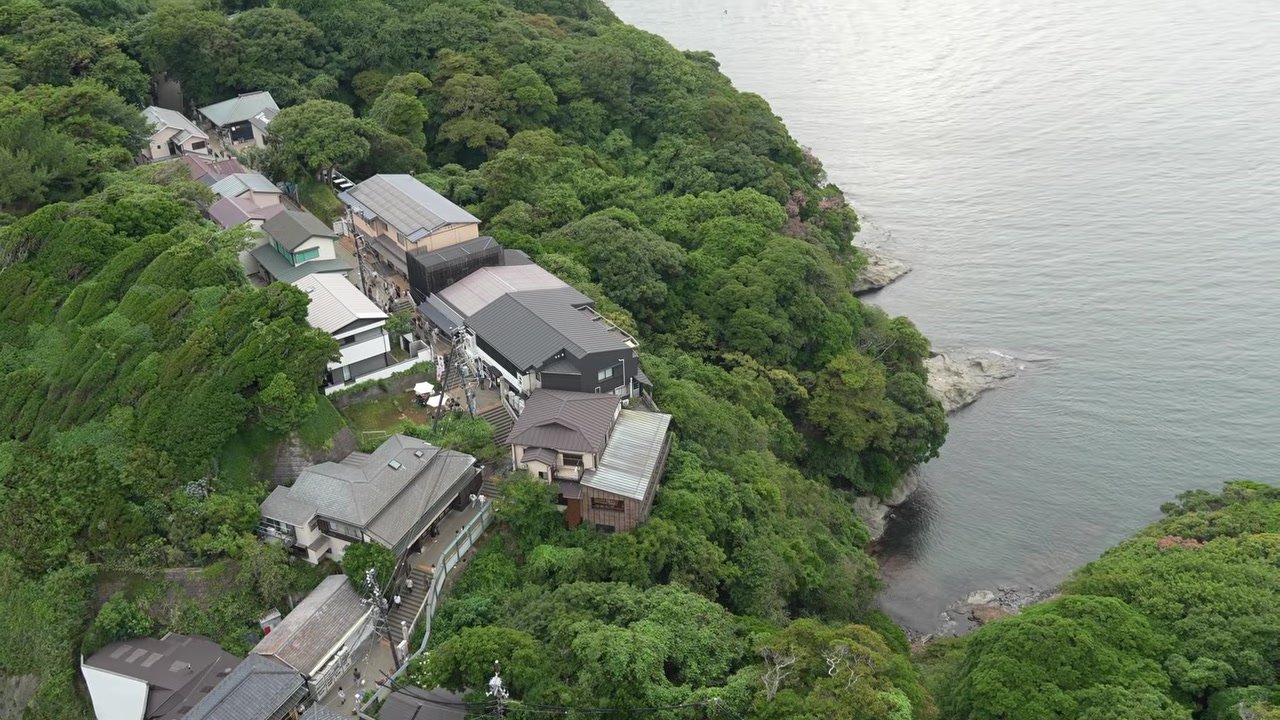
After the observatory I took the stairs down instead of the elevator, and found a lovely outdoor deck. The whole place felt a bit like an old resort hotel. The LONCAFE in the garden is known for French toast. When I went, you could add a drink for about 200 yen, which I thought was reasonable for a place like this.
Back down on the main street it gets busy again. Enoshima is famous for shirasu, tiny whitebait, and there are lots of places to eat near the bridge. There is also a bus stop there if you don’t want to walk back across the bridge.
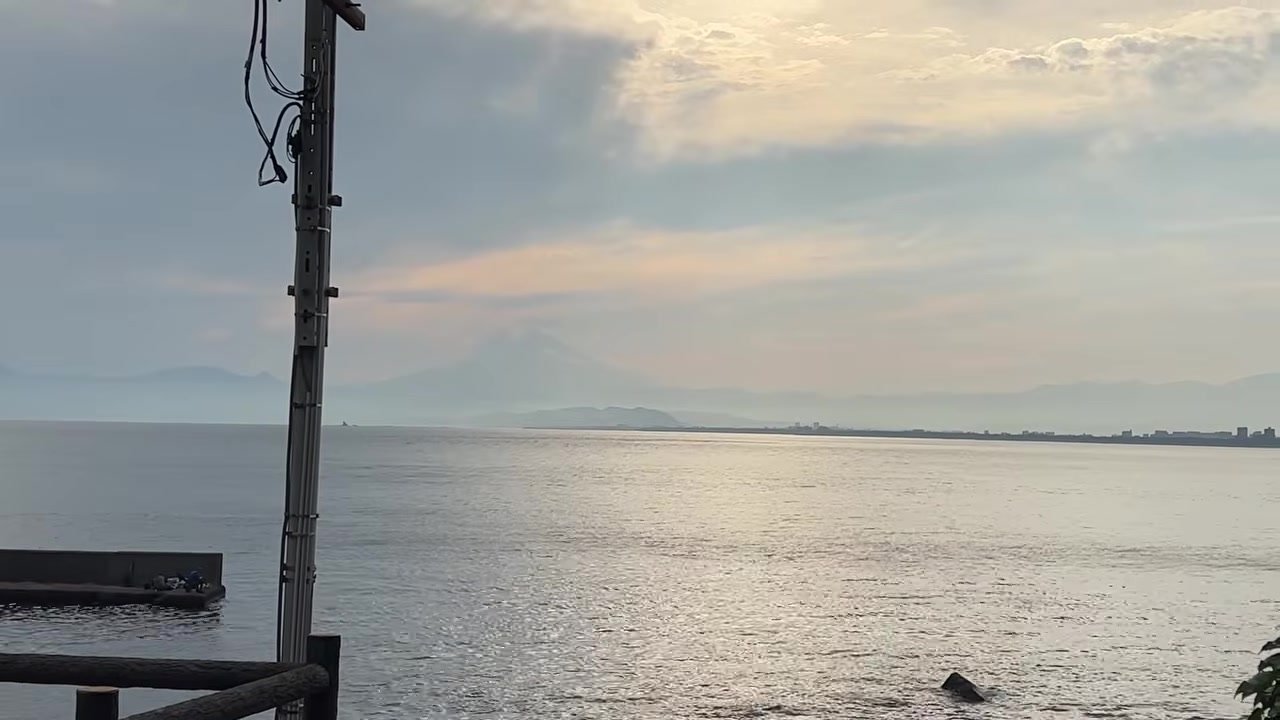
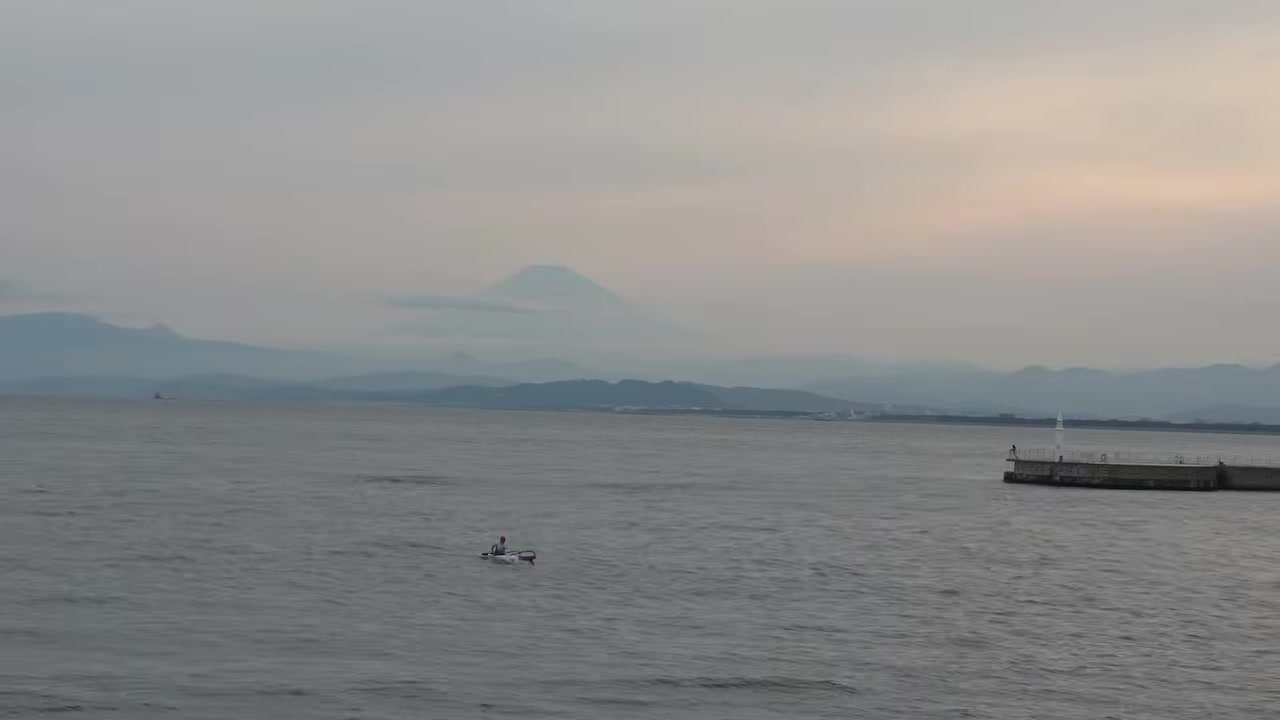
For a fun way to arrive, try the Shonan Monorail (Japanese) from Ofuna. It is a suspended monorail, which is rare in the world, and between Shonan-Fukasawa and Nishi-Kamakura it goes up and down like a slow roller coaster. When I rode it, trains came every seven or eight minutes, and the fare to Shonan-Enoshima is now 340 yen. From the station’s roof terrace I could see Mt. Fuji right in front of me.
Getting back to Tokyo on the Romancecar
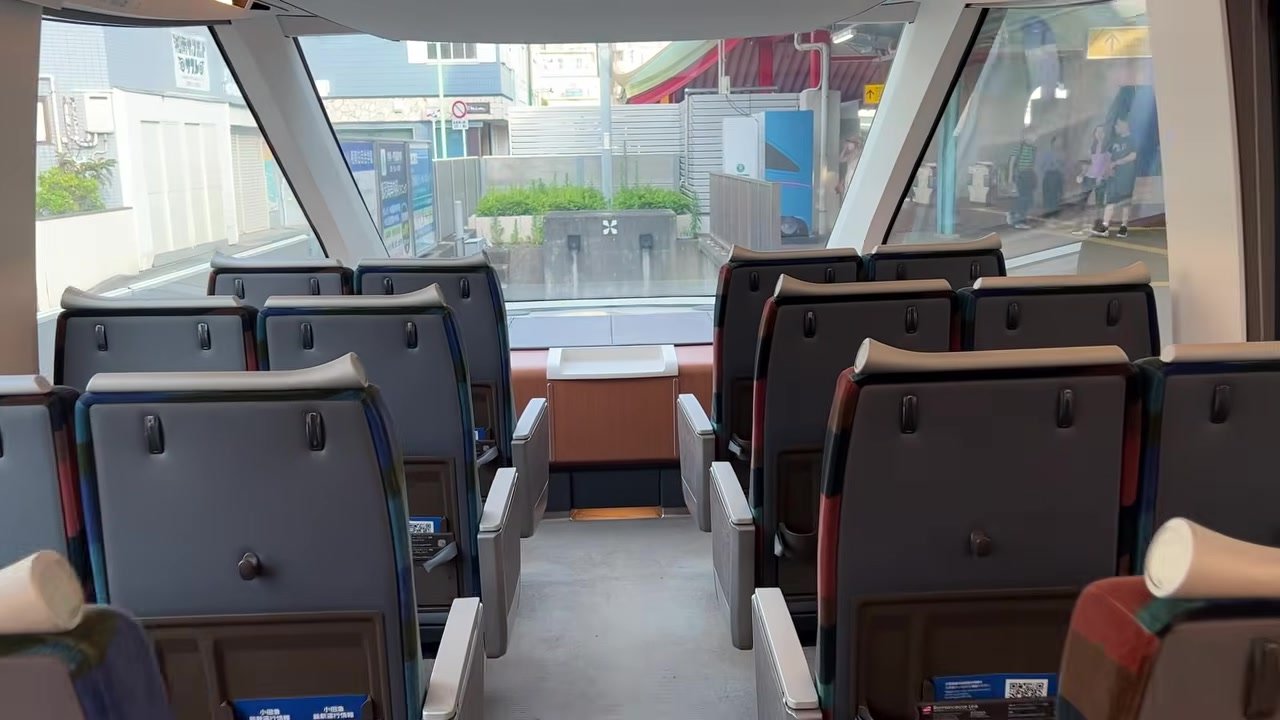
One thing I always do is find the most comfortable way back to Tokyo. From Enoshima, the best option is Odakyu’s Romancecar from Katase-Enoshima Station to Shinjuku. It only runs a few times in the late afternoon and evening, so check the timetable and reserve a seat. You can do it easily online, even while you are still on the island.
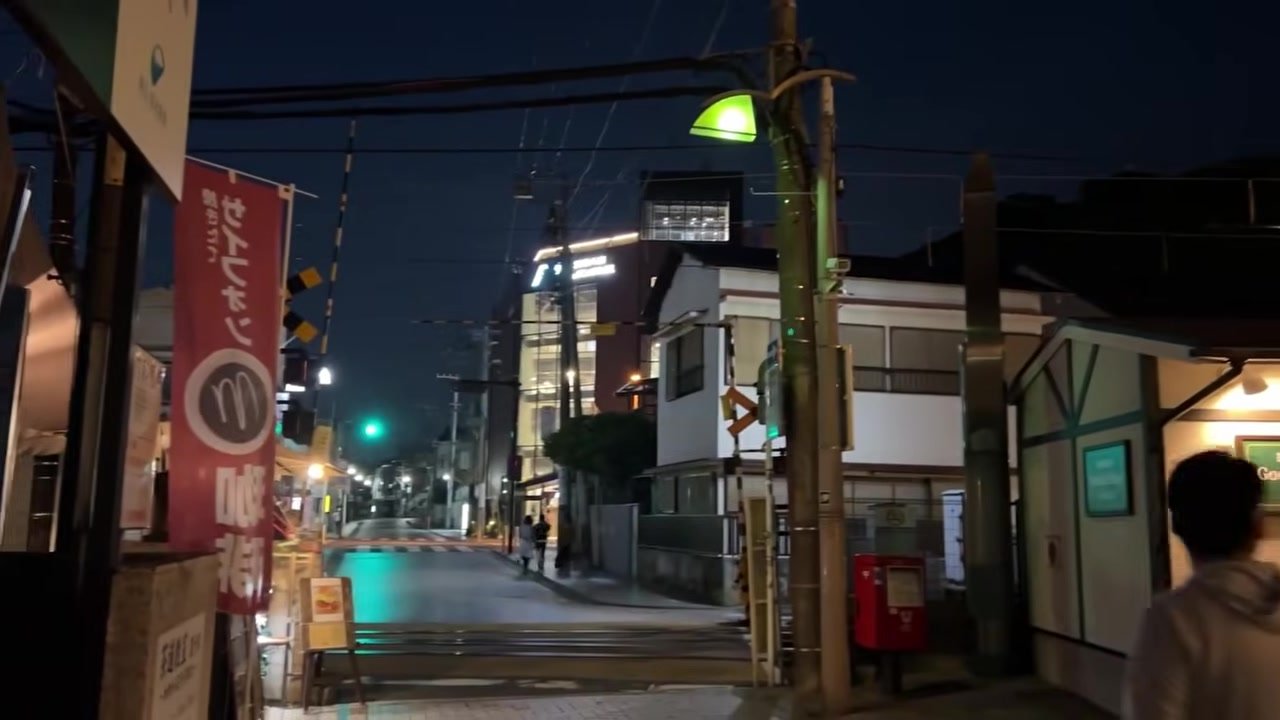
Leave the island at least 20 minutes before your train, because the walk to the station takes time. The train changes direction at Fujisawa, so the seat layout can be confusing; check your car number. If you book early, you might get a front-row seat for no extra charge. After a long day of walking, it is a real treat to relax and eat in your seat.
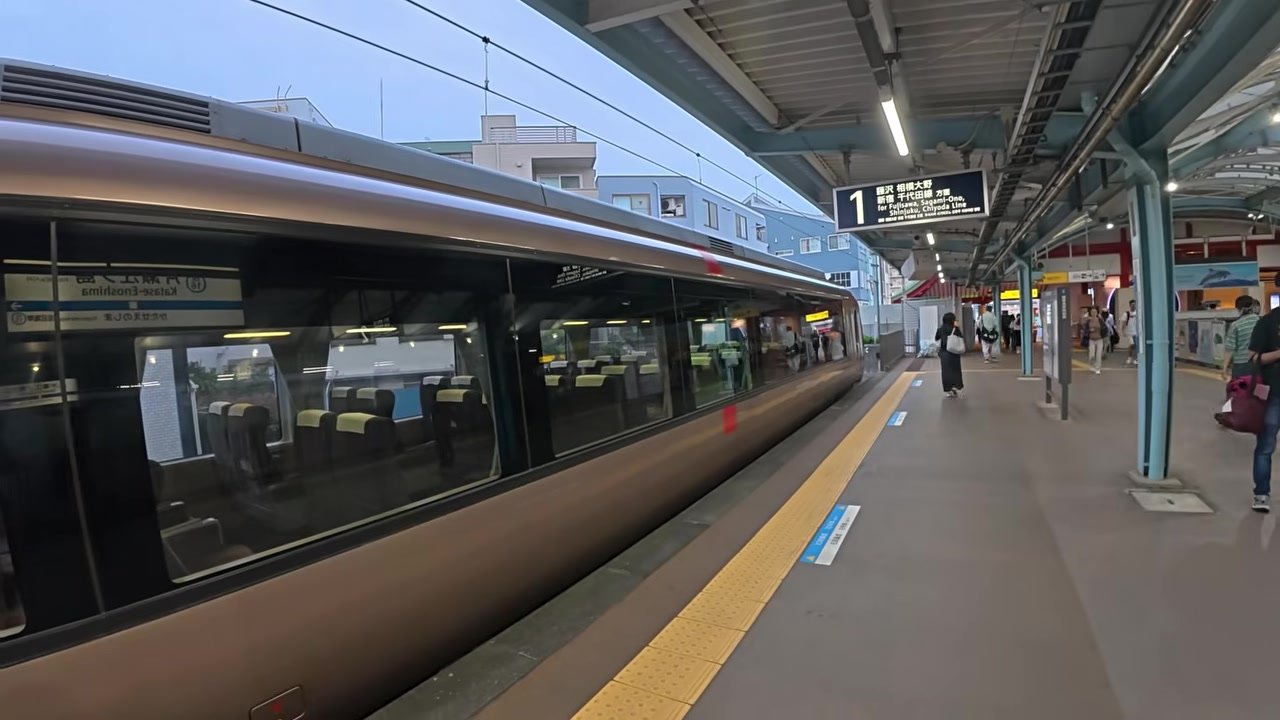
Odakyu’s fare table (Japanese) lists the Shinjuku–Katase-Enoshima limited express charge at 700 yen ticketless (750 yen at the station), on top of the 649 yen IC fare. With the Freepass, you still need a separate Romancecar ticket. Several times I have seen travelers sorting out the wrong ticket with the conductor, so double-check before you board.
Tips before you go
- Expect lots of walking whatever route you take. Wear comfortable shoes, and proper hiking shoes for the trail.
- Stay hydrated, especially in summer, and take coffee breaks from time to time. Kamakura has plenty of cafés.
- Pick three or four areas, put your favorite first in the morning, and save the rest for next time.
- Go on a weekday if you can, and check temple closing times before you set off.
Kamakura and Enoshima are a great escape from Tokyo, whether you come for the temples, the trails or the sea. For more ideas, see my 12 best day trips from Tokyo. If Kamakura is part of a longer trip, my Japan Trip Planner helps you put the route together.
If you want to follow my routes on the day, I put them together in my eBook, Kamakura Travel Guide: A Day Trip Guide by Tokyo Kenchan. It has routes for first-timers and repeat visitors, with sample timetables and maps you can use on the spot, so you can spend less time planning and more time enjoying Kamakura.