This post contains affiliate links. If you book through them, I may earn a small commission at no extra cost to you. Learn more.
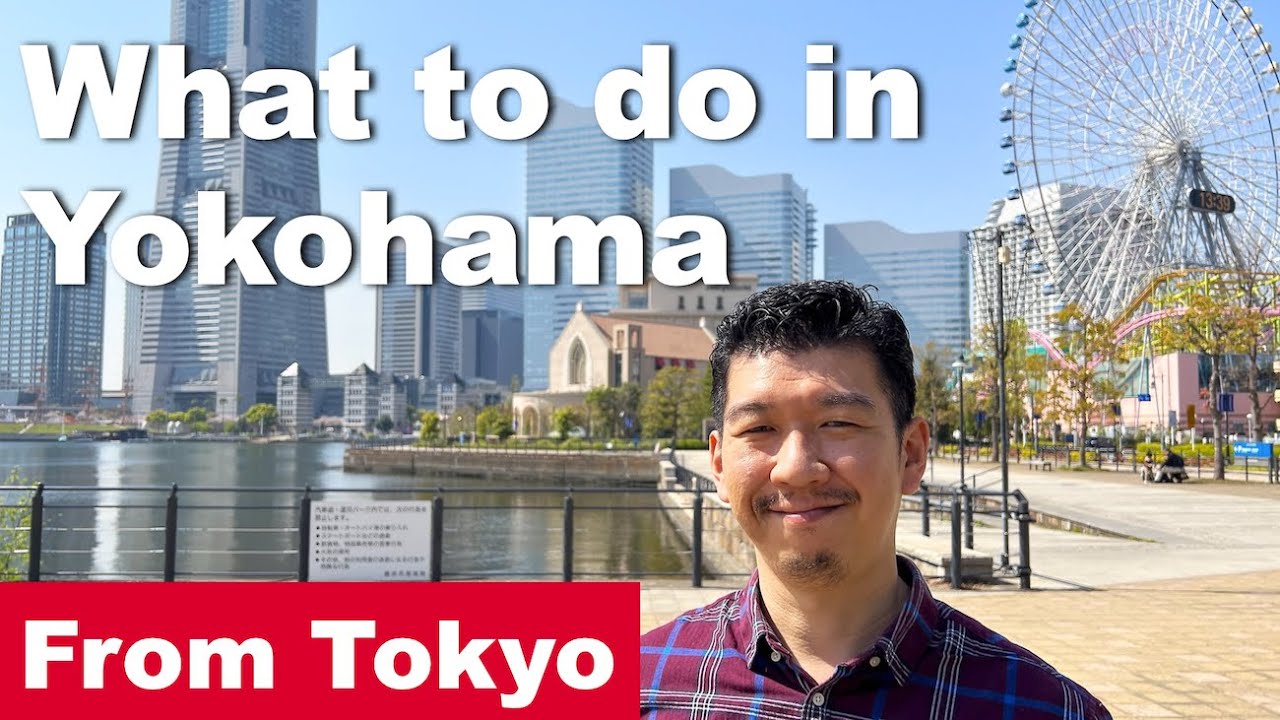
Yokohama is only about 30 minutes by train from Tokyo, but it feels like a different city. Many travelers pass it on the way to Kamakura, yet Yokohama itself is worth a full day. It was one of the first ports opened to foreign ships in the 19th century, so instead of old temples like Kamakura or Kyoto, you see how Japan shifted from tradition to the modern era. Here is the route I walked, from a beer factory north of the port down to the hill of Yamate — with places you can skip if the day gets long.
Getting to Yokohama from Tokyo
There are plenty of ways in. From Tokyo Station, take the JR Tokaido or Yokosuka line to Yokohama Station. From Shinjuku or Shibuya, the JR Shonan-Shinjuku line also goes to Yokohama, and you can switch to the Keihin-Tohoku line to get closer to the city center at Sakuragicho or Kannai. The Keikyu line runs from the Toei Asakusa line and from Haneda Airport. The train I use most often is the Tokyu Toyoko line, which runs straight onto the Minato Mirai line through the port area to near Chinatown. If you arrive by Shinkansen, Shin-Yokohama is about 10 minutes from Yokohama Station.
If you are choosing a Tokyo base for easy day trips on the Tokaido line toward Yokohama, my Shinagawa hotels guide covers that area. I have also written about other nearby day trips such as Hakone and a wider day-trip roundup from Tokyo.
Is this whole route realistic in one day?
My day started at the Kirin factory north of the port, continued through Minato Mirai and the waterfront, then finished in Chinatown, Motomachi and Yamate. That is a long walk with a one-hour factory tour at the start. It worked for me, but it is easier if you treat the factory as optional. Skip it if you want more time on the waterfront, or start at Yokohama Station / Minato Mirai and save Yamate for late afternoon. If walking the whole port stretch is hard, use the local buses along a similar route, the ferry for parts of the waterfront, or the Air Cabin ropeway between Sakuragicho and the port side.
Kirin Yokohama Factory tour
Japan’s first beer brewery was built on the hill of Yamate. The factory moved across the port in 1926 and still makes beer today, so I started there. The tour walks you through the brewing process and the factory’s history. It needs a reservation, but the booking site was easy to use. My tour was in Japanese and lasted about an hour, which felt a little long, though they run English sessions from time to time. At the end you taste beer brewed right there. I expected a small sample, but I was handed a full glass, and then three more glasses came. That was a lot of beer, and so much fun.
The fee is now 1,000 yen per adult (20+) according to the official Kirin Yokohama Factory page (Japanese). Book ahead from that page. From here I took the Keikyu line to Yokohama Station.
Nissan Global Headquarters Gallery
Right across the canal from Yokohama Station is Nissan’s global headquarters. The gallery underneath is open to anyone, and you can sit in many of the cars sold in Japan plus historic and concept models. It was a really fun place to spend time. When I visited, there was also a Starbucks overlooking the bay and Nissan goods to buy. The gallery is still open to visitors today; it now lists its own gallery cafe, so check the closing days on the official Nissan gallery page (Japanese).
Shiseido and Minato Mirai
Next I visited the Shiseido building, which back then had a small museum about the company and the science of skin, plus a first-floor cafeteria where I had an early lunch before it got busy. That facility (then called S/PARK) has since been renovated into Shiseido Beauty Park: still free to enter, with the Kitchen Lab cafe on the first floor and a heritage exhibition on the second, so what you see today will differ from my visit. This whole area is Minato Mirai, meaning “port future,” full of new developments linking Yokohama Station to the old port. Queen’s Square mall connects directly to Minato Mirai Station, and Cosmo World with its Ferris wheel makes the classic Yokohama harbor skyline. You can also walk the old cargo railway route toward the port, crossing a bridge built by the American Bridge Company of New York in 1907. The Yokohama Air Cabin ropeway also links Sakuragicho Station to the port side. See the official Minato Mirai 21 site for the area.
Cup Noodles Museum, the cruise piers and Red Brick Warehouse
I tried to visit the Cup Noodles Museum, but it was closed on the Tuesday I went, so check the official calendar before you go. Behind it is Shinko Pier, one of Yokohama’s cruise terminals. Further along the waterfront, past the Red Brick Warehouse, is Osanbashi Pier, where I saw a Japanese luxury cruise ship docked. The Red Brick Warehouse district may not feel special if your country has similar places, but it is a nice spot to walk along the bay.
Chinatown and Motomachi
Leaving the port, I walked past old buildings like the Kanagawa Prefectural Office to Yokohama Chinatown (Japanese), the biggest in Japan. It started when Chinese residents worked as interpreters between Western people living in Yokohama and the Japanese. Today it is packed with street food and restaurants. It is a little touristy, but fun to walk around. Right next to it is Motomachi, a quieter shopping street at the foot of the Yamate hill.
Yamate and Harbor View Park
Yamate was the foreign settlement where people from abroad lived after Japan reopened, and you can still feel that atmosphere today. If the slope is hard for you, take Exit 6 at Motomachi-Chukagai Station: the elevator and escalators in America-yama Park (open 6:00 to 23:00, Japanese site) take you up the hill. At the edge of the hill is Minato-no-Mieru-Oka Park, or Harbor View Park (open 24 hours, Japanese site). Its rose gardens, with about 330 varieties, are planted with other flowers so something is blooming in each season, according to the city. It is a perfect spot to sit and look over the port, and it seemed especially nice around sunset. That is where I finished my day.